MAPEI1_1000x600-1.jpg

August 5, 2024 foasummit0

Mapei Group has announced the launch of its sustainable zero-line products in the Middle East and Africa (MEA) region. With a 60% increase in global sales of its zero-product range in 2023, the line is said to underscore the rising market demand for environmentally friendly solutions regionally.

The company’s zero-line in the UAE and wider region includes a dynamic range of construction products across ceramics and natural stone, cleaning, maintaining, and protecting surfaces, waterproofing, concrete repair, and other business lines. Committed to reduce the carbon dioxide (co2) emissions generated by its products, Mapei expects to compensate for more than 10,000 tonnes of co2 emissions in carbon credits across operating MEA markets.

Commenting on the launch within the UAE market, Stefano Iannacone, Regional Director of Mapei for Middle East and Africa said, “Sustainability is a key cornerstone at Mapei. We are proud to introduce the zero-line products into the market. This launch marks a significant milestone in our journey towards sustainability, offering consumers innovative products that have quality, durability and are both effective in performance and environmentally friendly. At Mapei, we have a duty to the people and the planet, and by integrating sustainability into our core operations, we strive to create a positive impact.”

Mapei’s zero line is developed by optimising formulations and production processes coupled with the use of more sustainable packaging and raw materials for a considerable reduction in co2 emissions. Any residual emissions are then fully offset through forest protection projects. These include the Kearflex maxi s1 zero, a cementitious tile adhesive and ultra color plus, a cementitious grout – the first carbon-neutral system for ceramic tile laying; the renowned map elastic zero, cementitious mortar for permanent and durable waterproofing; the anti-corrosion cementitious mortar for steel reinforcement rods for building – mapefer 1k zero, ultra care range and many more.

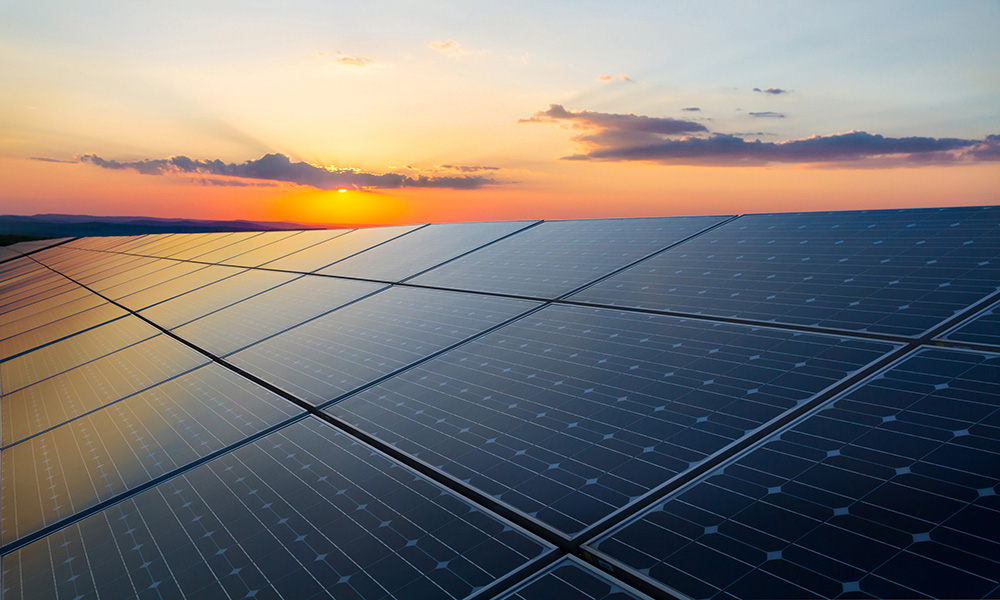
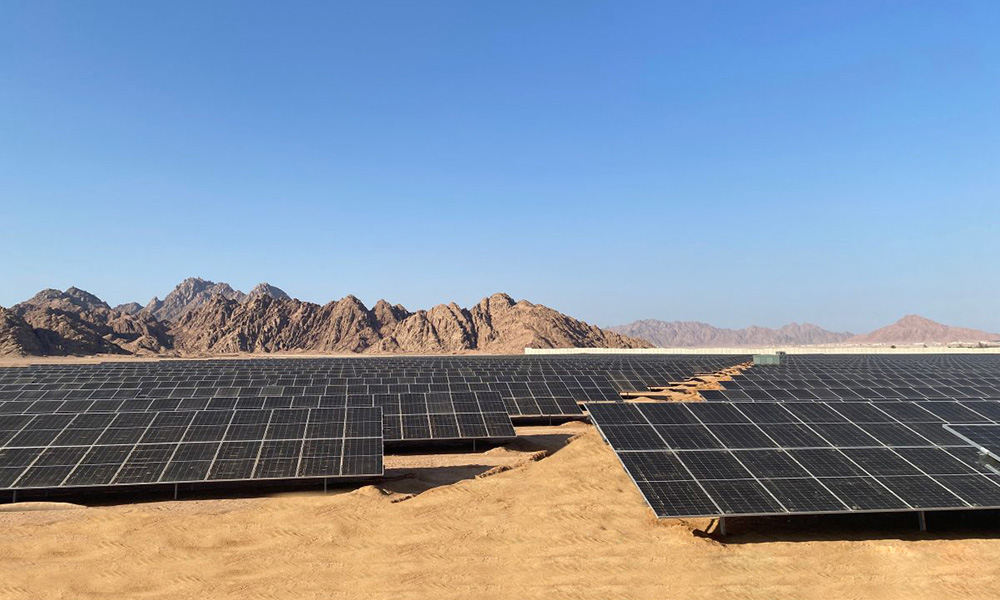
In addition to zero product range, Mapei continues its efforts to minimise environmental impact, promote green innovations, and foster community well-being in the region. In the past year, Mapei subsidiaries across MEA have installed and started to operate photovoltaic panels that will enable the self-production of electricity from renewable sources, thereby reducing co2 emissions generated at operating sites. Since its UAE launch in June 2023, Mapei’s photovoltaic panels have saved almost 1000 tonnes of co2 emissions in one year.

Furthermore, to ensure good indoor air quality, Mapei is consistently committed to obtaining voluntary certifications such as the certifications issued by gev21, with the “emicode ec1plus” trademark that guarantees a low level of voc (volatile organic compound) emissions of products. In 2023, the group had as many as 730 gev licences, up 14% from 2022 across its subsidiaries globally.

The post Mapei launches sustainable zero-line products appeared first on Middle East Construction News.


Source: ME Construction News

NMDC-Growth_1000x600-1.jpg

August 5, 2024 foasummit0

Abu Dhabi-based NMDC Group, a specialist in engineering, procurement, construction, and marine dredging, has recorded strong results for H1 2024, with a 79% increase in its revenues – which soared to US $3.3bn. Last year’s figure was $1.85bn, the firm noted.

Announcing the financial results for the six-month period ended 30 June, NMDC explained how, reflecting the strong growth in its strategic projects, net profits surged by 66% to hit $397.8mn compared to $240mn in the previous year.

Gross profits also grew, up to 109% to $471mn from $226mn in H1 2023. The Abu Dhabi Group’s asset value has seen a significant increase, reaching $7.7bn for H1 2024, a rise of $2.08bn since Q4 2023.

In the second quarter of 2024, NMDC Group reported a 91% revenue increase to $1.84bn, up from $968mn in the same quarter of the previous year. Net profits saw a significant rise of 42%, totaling $223mn, up from $157mn in Q2 2023.

NMDC Group Chairman, Mohamed Thani Murshed Ghannam Al Rumaithi said: “I am extraordinarily proud of what we have achieved at NMDC Group. Our outstanding financial performance is a testament to our relentless pursuit of excellence and our strategic execution. By consistently exceeding our goals, we have strengthened our leadership in the industry. These accomplishments underscore our dedication to sustainable development and the cultivation of local talent, aligning closely with the broader objectives of the UAE’s economic agenda.”

The post NMDC reports outstanding growth for H1 2024 appeared first on Middle East Construction News.


Source: ME Construction News

DAMAC-1000X600-1-1.jpg

August 5, 2024 foasummit0

DAMAC Properties has announced the signing of a new contract with Modern Building Contracting Co. (MBCC). The partnership marks a significant milestone in the development of a 52-storey tower that will feature 294 luxurious apartments.

“We are excited to partner with MBCC on this landmark project. Their proven track record and dedication to excellence align perfectly with our vision for this development. This 52-storey tower will not only enhance the skyline but also set new benchmarks in luxury living,” said Mohammed Tahaineh, General Manager of Projects at DAMAC.

Under this contract, MBCC will undertake the main works package, which includes the comprehensive construction of the tower and the parking block. Known for their large-scale projects across Dubai, Sharjah, Ajman, Ras Al Khaimah, and Lebanon, MBCC brings a wealth of experience and a strong reputation for quality and reliability to this ambitious project.

The 52-storey tower is expected to be completed by Q2 2027. This timeline reflects the meticulous planning and coordination required to deliver a project of this scale and complexity, ensuring that every detail meets the highest standards of quality and excellence.

In keeping with DAMAC’s commitment to innovation and sustainability, the project will incorporate advanced construction technologies, including the use of bathroom pods. These prefabricated units will streamline construction, enhance efficiency, and ensure consistent quality across all apartments.

Positioned between Port Rashid and Dubai’s Drydocks World, DAMAC Harbour Lights offers spacious 1, 2, and 3-bedroom apartments designed to reflect maritime history while providing modern seafront living.

Harbour Lights features a range of modern amenities. Inspired by the Greek word ‘Chrysogonos,’ meaning ‘begotten of gold,’ the design incorporates elements of opulence and grandeur associated with maritime history.

DAMAC Harbour Lights is one of more than 15 residential towers launched by the developer over the past two years. With an increasing demand for luxury and branded residences, DAMAC continues the trend by offering home projects that are tailored for investors who seek residences that are a blend of comfort and value for money. As well as residential towers, keeping pace with a rich portfolio of community projects including the upcoming DAMAC Lagoons, the developer’s third master community which is expected to begin handing over units this year.

The post DAMAC Properties signs contract with MBCC appeared first on Middle East Construction News.


Source: ME Construction News

NEOM-Light-Rail1_1000x600-1.jpg

August 2, 2024 foasummit0

NEOM has successfully completed the construction phases of its light rail systems and underground parking ahead of schedule, marking a significant milestone in the construction of its zero-carbon city initiative.

The project achieved rapid daily progress, with each drilling rig completing three piles per day; the 10 high-capacity rotary drilling rigs were from Chinese heavy machinery manufacturer XCMG Machinery.

The XCMG rotary drilling rigs – four units of XR500E, two units each of XR600E, XR320D and XR400D – handled pile foundations ranging from 60-90m deep and 2-2.5m. The XR600E is the largest tonnage drilling rig to have been deployed so far in the construction of the world’s largest integrated development project.

The underground parking and light rail are key elements of NEOM’s advanced sustainable transportation plan.

Led by the Public Investment Fund, NEOM will be a futuristic region in northwest Saudi Arabia powered entirely by renewable energy – and the sustainable protocol extends to all transportation networks and facilities.

More than 140,000 construction workers have been engaged on-site since the first ground was broken in 2017. It was also announced in July that in addition to transport infrastructure, various ongoing projects are set to receive cement worth US $27.7mn thanks to a partnership between Saudi Arabia’s Al Jouf Cement Co. and Italy’s Webuild SpA.

The post NEOM completes construction of light rail network appeared first on Middle East Construction News.


Source: ME Construction News


Samana-Avenue1_1000x600-1.jpg

August 2, 2024 foasummit0

Samana Developers has launched its Samana Avenue project in the Dubai Land Residence Complex in Dubailand. The developer said one of the key features is a UAE Golden Visa, the developer said it is offering tailored investment advice to buyers who opt for the 10-year residency.

The developer said it is witnessing a buying spree since the Dubai Land Department dropped the mandatory down payment of $272,000 to be eligible to apply for the 10-year residency. International buyers, mainly from Europe, are in a rush to get the maximum benefit of it and embrace a quality and peaceful lifestyle in Dubai, the firm noted.

“The new project in the DLRC Dubailand neighbourhood reflects our commitment to meeting the end-user needs of a quality lifestyle at the most sought-after locations. We have created value-for-money, quality finishes, and luxurious lifestyles. Samana Avenue is designed to serve this purpose and is set to offer affordable luxury. Samana Developers has lined up the launch of 17 new projects this year, achieved a staggering 600% growth in 2023 and consecutively ranked as a top developer in Dubai,” said Imran Farooq, CEO of Samana Developers

Samana Avenue spans a built-up area of 254,667sqft and features 16 floors with 165 meticulously designed units. The project, scheduled for handover in December 2027, offers a selection of studios, one-bedroom, and two-bedroom apartments, each designed to host modern amenities. Most of the apartments come with private swimming pools.

Located near the Al Ain –Dubai Road, Samana Avenue is said to provide connectivity to major roads in Dubai. Residents can reach Dubai International Airport and Business Bay in approximately 20 minutes by car. The project is located close to the city’s prime city attractions including IMG Worlds of Adventures, Global Village and Dubai Miracle Garden.

Each apartment in Samana Avenue has a personal oasis for relaxation and leisure. The residences are complemented by a host of lifestyle amenities, including swimming pools, a state-of-the-art fitness center, a healthcare center, landscaped gardens, and a children’s play area.

The blend of contemporary architecture and design with natural beauty is evident throughout the project, with sleek lines, high-quality materials, and meticulously landscaped gardens enhancing the overall aesthetic. Development incorporates energy-efficient lighting systems and appliances, promoting sustainability and reducing environmental impact, the developer concluded.

The post Samana Developers announces Samana Avenue appeared first on Middle East Construction News.


Source: ME Construction News

DAMAC-Event1_1000x600-1.jpg

August 2, 2024 foasummit0

DAMAC Properties held a key event organised in collaboration with the Dubai Land Department (DLD) to support and recognise the contributions of Emirati realty brokers in the UAE community. The Emirati Brokers Event gathered around 300 brokers, as well as DAMAC staff.

At the event DAMAC also highlighted its latest luxury development, DAMAC LAGOON Views. The cluster of apartments is in the developer’s third and upcoming master community DAMAC Lagoons.

“UAE nationals play a crucial role in the nation’s real estate brokerage community, and this event is our way of acknowledging their hard work and contribution. The DAMAC LAGOON Views apartments are a testament to delivering unparalleled luxury and quality, and we are excited to have showcased this project for this occasion,” said Amira Sajwani, Managing Director of Sales and Development at DAMAC.

The event showcased the new project, and featured a gala dinner and an awards ceremony to honour the outstanding achievements of top-performing Emirati brokers. Attendees had the opportunity to network with peers, share insights, and explore potential collaborations.

With staff from over 100 different nationalities, the group’s initiatives align with the goals of the UAE government, prioritising citizen empowerment and providing opportunities to shape their future through involvement in globally significant projects.

The post DAMAC and Dubai Land Department recognise Emirati realty brokers appeared first on Middle East Construction News.


Source: ME Construction News

ROSHN-Stadium_1000x600-1.jpg

August 1, 2024 foasummit0

Roshn has announced that it has collaborated with Aramco to build a 47,000-seat stadium at Al Khobar in the Eastern Region.

The new Aramco Stadium will boast state-of-the-art amenities, conforming to the highest standards to ensure inclusiveness, safety, and sustainability. The venue itself is set to be a leading national sports and entertainment destination.

Set to be operational by 2026, the stadium will host both national and international events, including the 2027 AFC Asian Cup, due to be hosted by Saudi Arabia.


According to Roshn, the new facility’s design is influenced by the behaviour of the sea in the Arabian Gulf, where whirlpools regularly occur off the coast.

Promoting sport is central to The Quality-of-Life Program within Saudi Vision 2030, with initiatives such as the Aramco Stadium set to boost mass participation, improve the country’s performance in international competitions, and grow the sports economy.

The post Aramco Stadium to be built in Al Khobar appeared first on Middle East Construction News.


Source: ME Construction News

Bart-Holsters_1000x600-1.jpg

August 1, 2024 foasummit0

According to data from Mordor Intelligence, the UAE data centre market size is estimated at 429.3MW in 2024, and is forecasted to grow by a CAGR of 14.39%, reaching 841MW by 2029. A report from the market intelligence firm notes that the high penetration and adoption of smartphones and 5G connectivity, and growing focus on digitisation are amongst the key drivers for the country’s growing data centre space.

The data centre market in the UAE has several players, however Khazna Data Center (Khazna) was said to have the lion’s share of the market, with a 45.8% share in 2023. Here, Big Project Middle East’s Jason Saundalkar talks to Bart Holsters, Senior Director – Operational Excellence at Khazna Data Centres about the UAE’s data centre market, Khazna’s current operations and plans for the future, and the challenges of sustainably operating these resource hungry facilities in the Middle East.

  • Share an overview of the data centre market in the UAE focusing on trends and drivers. What trend is most responsible for stimulating the demand for data centres in the UAE?

Rapid urbanisation and data privacy regulations, fuelled further by population growth, is driving increased demand for data centre infrastructure to support the digital transformation of cities. We are also seeing a growing demand for advanced technologies, including artificial intelligence (AI). AI adoption requires robust computing resources and storage capacity, leading to higher demand for data centres. The proliferation of cloud infrastructure to support AI workloads and smart city initiatives further contributes to the growth of the data centre market, as organisations seek scalable and efficient computing resources for data processing and analysis.

Smart city projects, aimed at enhancing urban efficiency and sustainability through interconnected technologies, rely heavily on data centres to collect, store, and analyse data from various devices deployed across the city. With the increasing trends of rapid urbanisation, AI adoption, cloud infrastructure expansion, and smart city initiatives, there are significant opportunities for growth in the market. Furthermore, the UAE has invested heavily in high-speed internet connectivity and advanced networking technologies, providing the necessary backbone for data transmission and connectivity. Also, the availability of renewable power and the UAE’s clear commitment to a clean energy mix are key drivers for sustainable data centre growth.

Finally, and likely one of the most significant drivers stimulating the demand for data centres in the UAE is the government-led digital transformation initiatives to create a broader ecosystem that relies on robust IT infrastructure, including data centres, to support digital innovation and economic growth.

  • How do you see data centre growth developing in the UAE going forward? What do you expect the market to look like by 2030?

The UAE’s data centre market is poised for significant growth due to a continued influx of investment from both the government and the private sector. This continued investment is driven by increasing demand for cloud and AI services, as well as the country’s digital transformation objectives to position itself as a regional digital hub. Further, the majority of data is nowadays produced by machines and sensors rather than by people alone, set to reach a staggering 175-zetabytes by 2025, according to some studies. We love data and we generate tons of it because we value the strategic advantages this “new gold” is likely to unlock.

Naturally, this new gold requires infrastructure to be hosted, processed and enabled to traverse the globe in a secure manner. This is why data centres or ‘Dataports’ have become indispensable pillars for socio-economic development, akin to the significance of airports and seaports. As the UAE keeps progressing towards becoming a smart nation, this expansion will also continue to drive the demand for data centre services to support the storage, processing, and analysis of large volumes of data generated these devices.

Furthermore, businesses are continuing to adopt multi-cloud strategies and are starting to leverage on the rapid developing AI technology. By 2030, the market is expected to see a further shift towards cloud and AI-focused data centres to facilitate a seamless integration between these different cloud environments and integrate the rapidly developing AI technology, and all with a strong emphasis on sustainability.

Khazna’s expansion efforts, coupled with our focus on eco-friendly practices, fully support the robust and innovative data centre ecosystems emerging in the coming years. To achieve this, Khazna is equally integrating and leveraging on the advances of these technologies, adopting AI-driven automation and predictive analytics to shape the future of our data centre operations, while optimising resource allocation, improving efficiency, and enhancing our service delivery.

  • What is the profile of customers that Khazna works with to develop data centres for in the UAE?

Khazna Data Centers serves a diverse range of customers across various sectors, including telecommunications, financial services, healthcare, government, and AI. We provide solutions and services tailored to meet the specific needs of businesses, enabling them to securely store and manage their data.

  • How many data centres does Khazna currently operate in the UAE? Please share stats and figures in terms of capacity, energy requirements etc.

Khazna currently has 23 data centres commissioned and an additional seven in delivery. We have a customer contracted capacity of 301MW and were the first carrier neutral pure wholesale data centre platform in the region. Environmental sustainability is a key consideration for Khazna. Our Future First strategy emphasises energy-efficient design, renewable energy sources, and carbon-neutral operations to reduce environmental impact. We are integrating sustainable technologies such as economisers, adiabatic cooling, renewable energy and biofuel conversion programme for our generators to name just a few, all contributing to Khazna achieving the region’s lowest annualized PUE at 1.4.

  • What are the solutions and services that Khazna offers to its customers? What makes your firm stand out compared to other firms operating in the UAE?

For over a decade, Khazna has been a cornerstone of digital infrastructure development, propelling the UAE into an international technology hub and spearheading the advancement of the digital economy. Amidst this evolution, Khazna remains committed to adopting world-in-class integration of cutting-edge technologies into its wholesale service offerings.

What really sets Khazna apart is its continued drive to deliver superior customer experience, including a secure and reliable data center platform, meticulously designed to meet stringent industry green standards, connecting businesses to the future power of data for strategic growth and innovation. Our state-of-the-art facilities, combined with our expert team and strategic locations, create a digital ecosystem conducive to the seamless integration of Cloud and AI technologies, enabling our partners to unlock new possibilities and drive business success.

  • What are some of the key factors for the design and development of data centre facilities in the UAE? How does data centre design, construction and operation in the UAE differ compared to Western markets?

Khazna facilities prioritise the adoption of cutting-edge technologies and sustainable practices. We aim to exceed international standards by focusing on eco-friendly solutions, while driving down costs for our clients. We emphasise best practices across our buildings, services, and staff, guided by industry accreditations. We strive for Uptime Institute’s Tier III certification for Constructed Facility, ensuring compliance with global standards and efficient construction methods. Additionally, Khazna holds LEED Gold and Estidama Pearl-4 certificates for construction, underscoring its commitment to sustainability. The data centres are also certified with ISO 27001:2013 accreditation, guaranteeing robust information security management systems implementation.

Compared to Western markets, the UAE’s hot and arid climate necessitates specialised cooling systems and infrastructure to manage high temperatures efficiently. Khazna’s facilities are built with these challenges in mind using external architectural elements crafted to protect the building from the adverse effects of direct sunlight. This design approach effectively reduces the infiltration of heat into the building, therefore enhancing the data centre’s efficiency and sustainability. In addition, Khazna’s facilities have adopted higher delta temperatures and use air cooled chiller systems with an option to trigger ‘free cooling’ and ‘adiabatic cooling’ when outdoor temperatures drop in winter, reducing the Power Usage Effectiveness (PUE) to a target of 1.4 reducing power bills.

  • What are some of the learnings Khazna’s experts have accumulated in their journey from building/operating the company’s first data centre to the present?

Overall, Khazna’s journey of building and operating data centres has been marked by continuous innovation. Scalability and modularity of our designs have evolved along with the technology and market dynamics. Data centres need to accommodate increasing demands for power density and connectivity. Our modular designs and flexible architectures allow for adopting the latest technologies, easy expansion and upgrades without disrupting the operations. Another point of focus and constant learning is energy efficiency and minimising carbon footprint. This in addition of implementing stringent waste management policies throughout the lifecycle of the facility. Adopting Customer-Centric Approach since day one and spending time understanding the needs and expectations of our customers has also been crucial in developing personalised solutions, and transparent communication platforms to bolster trust and foster long-term partnerships.

Furthermore, many digital voyages are setting sail today, and data has become the lifeblood of innovation fuelling the need for more and larger digital infrastructure. With such expansive capacities reaching gigawatts sizes, an even greater responsibility rests on our shoulders to keep reinventing our designs in the realm of sustainability. To that end, we believe the industry has started a paradigm shift as it migrates into the power and cooling business. The data centres of tomorrow will be embracing a new identity as a vital ‘prosumer’, moving away from the mere consumer model, and becoming a conscientious contributor to the well-being of the communities it serves.

  • What are some of the key challenges Khazna has faced in the design, construction and operation of data centres in the UAE? How were these challenges tackled?

As you can imagine there are a number of challenges that will naturally emerge when you are pioneering and are defining the benchmark for the region’s digital industry spanning the stages of design, construction, and operation.

In the design phase, accommodating the rapid growth of data centre demand while ensuring flexibility for future expansions posed a significant challenge. In our industry it is all about ‘time-to-market’. To address this, we have finetuned and adopted a standard innovative and modular design. Furthermore, we have adopted a modular design that involves assembling pre-fabricated components or modules off-site and then integrating them on-site. This approach enables a much faster deployment and also adds to easily adapt to market dynamics. Next to reducing construction time and costs, it also ensures a better grip on quality control and consistency throughout the constructed facilities. In addition, we are running zero waste programs, with an increased focus to minimising environmental impact and maximising energy efficiency, starting from construction and running through the operations of our facilities.

When it comes to operations, one of the most significant challenge is without a doubt the extreme climate conditions, necessitating a very efficient cooling infrastructure and a team of performance engineers to constantly monitor and optimise the cooling infrastructure. Furthermore, there is a significant shortage of skilled data centre professionals. Khazna has rolled out several programs to attract young graduates into the industry to address the talent shortage, as well as upskilling existing staff through development programs and courses.

  • Real world and virtual security is critical to the smooth and reliable operation of data centres. How does Khazna tackle these issues?

Khazna addresses real-world and virtual security concerns through a multi-layered approach across its data centre facilities. Physical security measures include state-of-the-art surveillance systems, multiple ID verification methods to ensure every individual is accounted for, and 24/7 monitored security operations centre to safeguard against unauthorised access and physical threats.

We also employ advanced cybersecurity protocols and technologies to protect against virtual threats, ensuring the integrity, confidentiality, and availability of data stored within its facilities. These measures collectively contribute to the smooth and reliable operation of Khazna’s data centers, providing customers with peace of mind regarding the security of their critical infrastructure.

  • Data centres are massive consumers of energy and have significant cooling requirements; how can these requirements be tackled sustainably as the world steps up its focus on achieving Net Zero?

As the world intensifies its focus on achieving Net Zero, addressing the significant energy consumption and cooling requirements of data centres is imperative. At Khazna Data Centers, we are spearheading sustainable initiatives to mitigate our carbon footprint. This includes transitioning to renewable energy sources like solar and wind power, reducing reliance on conventional energy and lowering greenhouse gas emissions.

Khazna also adopts innovative cooling methods such as adiabatic-free cooling chillers to optimise energy usage and minimise power consumption. Our modular approach enhances energy efficiency, scalability, and uptime, while our partnerships with entities like Emerge and BEEAH Digital further underscore our commitment to sustainability in the data centre industry.

The recent launch of Khazna’s flagship AUH6 data centre facility is a prime example of these sustainable initiatives. Located strategically in Masdar City, an urban development renowned for its commitment to sustainable practices and innovative technologies, AUH6 aligns with Khazna’s Future First Strategy. Through Khazna’s collaboration with Emerge, a ground-mounted solar photovoltaic (PV) plant has been developed to efficiently provide electricity to fuel the operations at AUH6. This solar plant boasts an impressive installed capacity of seven megawatts peak (MWp). The external architecture of the AUH6 was also crafted to protect the facility from the adverse effects of direct sunlight. This design approach effectively reduces the infiltration of heat into the building, therefore enhancing the data centre’s efficiency and sustainability.

Next to designing and building such state-of-the-art facilities, we also set ourselves some stringent KPI’s towards utilities consumption avoidance. There is no point in designing the best data centres in the region and then failing to operate them to the best of their abilities. Our operations team keeps on raising the bar relentlessly to optimise environmental metrics such as Carbon Usage Effectiveness (CUE), WUE (Water Usage Effectiveness) and generated waste.

Next to maintaining world class O&M standards, we also invest in the latest software stacks, embedding technology such as Machine Learning (ML) & AI to improve our analytics and decision-making capabilities, and working our way towards a truly predictive O&M environment. We also don’t shy away from integrating new technologies and sustainability programs into our existing fleet. Switching our diesel generators to biofuel is a great example of such implemented sustainability program to decarbonise our fleet.

In our commitment to waste reduction, we aspire to achieve the esteemed Zero Waste Certification within the coming 24 months. This prestigious certification exemplifies our dedication to minimising waste, and equally underscores our proactive approach towards environmental sustainability. By setting this ambitious goal, we aim not only to meet but to exceed regional standards, showcasing our unwavering commitment to a zero-waste future.

  • Post COP28, has there been new legislation or mandates that directly affect data centres? If so, please detail these requirements and how Khazna is responding to them.

Apart from COP28 and regulatory requirements, at Khazna we believe that the data centre industry is uniquely positioned to lead in carbon neutrality efforts. Data centres inherently consume vast amounts of energy, but innovative strategies such as renewable energy sourcing, energy-efficient technologies, clean fuels, and waste heat recovery can significantly mitigate their environmental impact.

In our pursuit of a renewable future, we are dedicated to intelligently decarbonising our fleet and enhancing our impact on the communities we serve. Intermittency and low energy density are global challenges that make relying solely on renewable energy challenging. This combined with the increasing power constraints requires some forward thinking on how data centres of the future should be energised.

One way of doing this is utilising the installed backup-up power more efficiently and turn these mini-power plants into prime microgrids. Thermal power generation is particularly effective in the waste heat recovery process. By incorporating Heat Recovery Steam Generators (HRSGs), you can easily convert waste exhaust heat into steam, subsequently utilised for Combined Cycle (CC) power generation or Combined Cooling, Heating & Power (CCHP) power and cooling generation, enhancing the end-to-end energy cycle efficiency by 50 to 60%. These microgrids can be multiple source, complemented by renewables, storage systems and the conventional grid. Such microgrid is typically controlled by an intelligent Energy Management System (EMS) to allows to combine or switch between sources, always ensuring the most efficient and reliable source is used at any given point of time.

From a sustainability standpoint this approach assists to minimise natural resource wastage, optimises infrastructure utilisation, and immediately reduces carbon emissions. Such a strategic shift not only ensures better use of our energy resources but also establishes a clear pathway to achieving zero carbon emissions within the next decade or so. The technology is certainly not new, it simply requires some forward thinking to re-invent the conventional setup and configuration… and this is typically what we like to do at Khazna, Future First!

  • What are Khazna’s plans for expansion, which markets in the Middle East are of most interest?

Khazna is strategically expanding its operations in line with the Middle East’s booming digital economy, projected to reach $780bn by 2030. With the UAE and Saudi Arabia leading investments in digital transformation, Khazna has ambitious growth plans to become a global leading data centre provider.

As we embark on our expansion journey, we are experiencing significant growth, not only within the UAE, but also in neighboring markets including Egypt, along with ambitious plans for Saudi Arabia and Kuwait. Notably, Khazna’s flagship data centre AUH 6, which is AI ready, sets new standards for efficiency and performance, while our entry into Egypt through a strategic JV partnership with Benya Group marks Khazna’s first international expansion, reinforcing our commitment to regional growth.

Khazna is also focusing on strategically expanding its operations in emerging markets where robust data centre infrastructure is lacking, focusing on regions with potential socio-economic benefits. With the Middle East’s digital economy set to soar, Khazna aims to bridge infrastructure gaps by establishing new data centres supporting the region’s digital growth. This expansion not only supports economic growth but also enhances regional connectivity and technological advancement.

The post Building a digital future appeared first on Middle East Construction News.


Source: ME Construction News

ALEC-BUTEC_1000x600-1.jpg

August 1, 2024 foasummit0

In April 2024 it was announced that the integrated joint venture (JV) between ALEC Engineering & Contracting (ALEC) and BUTEC had been selected to build a waste-to-energy (WtE) plant in Abu Dhabi. The project is being driven by a special purpose vehicle (SPV) – Al Bihouth Waste to Energy Developer Holding Co Ltd – which is a consortium comprising Hitachi Zosen Inova, Marubeni, JOIN and TADWEER.

The plant will be the first facility of its kind in the UAE’s capital, with the ultra-large incineration facility being developed to process 900,000 tonnes of non-recyclable waste annually over the next 30 years. Located near the Al-Dhafra landfill, the project aims to prevent the release of nearly 1.1m tonnes of CO2-equivalent emissions annually. In addition, the plant is expected to add 80MW of power generation capacity from a non-fossil fuel source.

Per the terms of the deal, the ALEC BUTEC JV will oversee the engineering, procurement, and construction (EPC) of all non-process-related activities, encompassing works such as civil engineering, concrete and structural steel work, installation of mechanical, electrical, and plumbing (MEP) systems, as well as building services. The JV will also manage external works and site infrastructure development.

Here, Big Project Middle East speaks to Craig Griffin, Operations Manager – Construction at ALEC about the UAE’s WtE market, the project’s vision and its delivery.

  • What is the vision that Al Bihouth Waste to Energy Developer Holding has for this project?

The vision for the project is to continue the emirate’s goal to become greener and more energy efficient whilst reducing its reliance upon carbon fuels. The plant when fully operational shall dispose of 900,000t of waste from Abu Dhabi, which in turn generates enough power to supply approximately 50,000 homes. This will also eliminate carbon emission emissions equivalent to1.1m tons or 240,000 cars on the roads.

  • What are some of the key goals that the client has outlined for this WtE project?

As you would expect, it is to complete the works as per the time requirements and quality standards required with the highest safety standards being maintained at all times. All of this is to be done in an open environment where everyone can speak freely and all act in the benefit of the project.

Craig Griffin, Operations Manager – Construction at ALEC

  • What is ALEC’s perception of the UAE’s WtE market, and do you anticipate seeing a greater number of these projects announced in the coming years?

The Abu Dhabi Waste to Energy Plant will be the third plant producing energy from waste in the UAE. This follows the successful completion of the Sharjah project, as well as the recently opened plant in Dubai. With the UAE’s goal of greener and more efficient energy production, and its policy on diverting 75% of waste from landfills, WTE projects assist with all of these targets.

With regards to future projects, yes in our opinion this will not be the final project within the UAE. There are other emirates and opportunities for expansion of the market within the country, which can benefit from generating power from waste and reducing the necessity for landfills.

  • Outline ALEC’s expertise on waste to energy projects and/or similar projects and share what learnings ALEC will take from those other projects to ensure it is successfully delivered?

ALEC brings its expertise in large complex projects requiring detailed planning and coordination, along with the knowledge and experience BUTEC gained from their previous WTE plant which was completed in Sharjah.

The key to the success of this project is the interaction between all parties of the EPC to ensure that milestone dates for the handover of specific areas are achieved. This will involve monitoring all activities in line with the agreed timelines to ensure follow on activities can start for process equipment installation. We also aim for the early appointment of subcontractors to allow the preparation of drawings and materials to ensure everything is ready ahead of time for installation.

  • How did ALEC come to win this project and what are its timelines? Which divisions of ALEC will be involved in this project’s delivery?

We became involved in the project through our JV with BUTEC. BUTEC were involved with the Sharjah Waste to Energy plant and were contacted by Hitachi Zosen Inova (HZI) about the opportunity of participating in the Abu Dhabi project. So, with the ALEC BUTEC partnership already in place, it created the perfect opportunity for us all to participate.

There has been quite a long tender and adjudication process with the initial tender being released in mid-2022. The tender has involved an incredible amount of work being completed on the design by both HZI and ALEC BUTEC JV, the civil elements of this are dependent upon the facility’s process design being completed to allow the correct allowances to be made. But this has given us a good insight into what needs to be constructed and allowed for detailed planning to take place.

The ALEC BUTEC JV will execute the project using ALEC’s expertise in the civil works and BUTEC’s expertise in the engineering and MEP works. Once financial close is achieved, the construction period will take 36 months to complete. Civil works will take approximately 12 months with phased handover of various areas, which allows for the mechanical process equipment installation to commence by HZI in the required sequence.

  • What is the scope of services/project delivery that ALEC will undertake for the Abu Dhabi WtE project?

As the EPC contractor along with HZI, ALEC and its JV partner BUTEC are responsible for the design and approval of all civil activities on site. This includes all reinforced concrete works in addition to the construction of any non-process buildings and workshops.

The roads and utilities infrastructure to the project site are also part of our scope of work. Internally all MEP installations relating to power and lighting and any ELV infrastructure also fall under this remit. The JV is also responsible for the management and maintenance of the site for the duration of the works, including all temporary power and water.

  • What are some of the challenges that ALEC anticipates it will encounter on this project, and how will these be tackled?

As with all projects there will be challenges. These are generally linked to the design and changes that must be implemented as the works are proceeding. With the WtE project being an EPC contract, we are in control of the design for our elements of work so this should eliminate the necessity for change.

What will no doubt aid our ability to overcome any challenges is the knowledge and experience that HZI brings. They have constructed numerous facilities, and their design is highly advanced. This is due to the amount of detail that was prepared and finalised through the tender process. In addition to this we have a pre-construction phase where we have planned all design activities in line with the necessary design approvals from ADM and in turn linking this to the programme of works.

  • What are some of the project’s key sustainability focused elements during construction? Will ALEC be involved in post construction operations of the facility, and if so, what efficiency is the project being designed for?

With the entire project being related to sustainable energy and environmentally-friendly production of power, we have always tried to ensure that the design is as efficient as possible. Whilst ensuring compliance with construction regulations, the quantity of rebar and concrete has been optimised as much as possible to further reduce the carbon footprint of the project.

We will be implementing our usual practices for re-cycling waste as per the ESTIDAMA Pearl rating systems applicable to the project requirements as the project progresses. In conjunction with this, we are maximising our utilisation of locally sourced materials.

The ALEC BUTEC JV will not be part of the operations and maintenance of the facility once it has been completed, this will fall under the remit of Hitachi Zosen Inova.

The post Delivering Abu Dhabi’s sustainable ambitions appeared first on Middle East Construction News.


Source: ME Construction News