DC-AWARDS-1000X600-1.jpg

March 14, 2024 foasummit0

The Big Project Middle East (BPME) editorial team has announced that the second edition of the ME Digital Construction Awards (ME DCA) will take place on 29 May at the Habtoor Grand Resort, JBR, Dubai. The inaugural event took place in 2023 and recognised 12 winners from across the region.

Nominations are now open and the editorial team has stated that the company categories are open to: government organisations, developers, consultants, contractors, integrators/specialists and suppliers.

The 2024 edition has been expanded to 15 categories and invites individuals and organisations to nominate across the following categories: Young Technology Champion of the Year; Digital Visionary of the Year; Digital Team of the Year; Construction Software Provider of the Year; Construction Hardware Provider of the Year; Digital Contractor of the Year; Digital Consultant of the Year; Technology SME of the Year; Digital Government Organisation of the Year; Data Champion of the Year; Digital Construction Innovator of the Year; Net-Zero Technology Champion of the Year; Excellence in Collaboration & Productivity; Digital Construction Project of the Year – Building, and Digital Construction Project of the Year – Infrastructure. Nominations will close on 26 April, click here to read the nomination guidelines.

Once nominations close, they will go through a two-step judging process; the first will be conducted by the magazine’s editorial team, following which a panel of industries judges will deliberate and vote on the final nominations. Winners will be unveiled at a gala dinner event at the Habtoor Grand Resort, JBR, Dubai on 29 May. Read about all the categories here.

Read more about the ME Digital Construction Awards here.

The post ME Digital Construction Awards to take place on 29 May appeared first on Middle East Construction News.


Source: ME Construction News


Industrialised-Construction1_1000x600-1.jpg

March 14, 2024 foasummit0

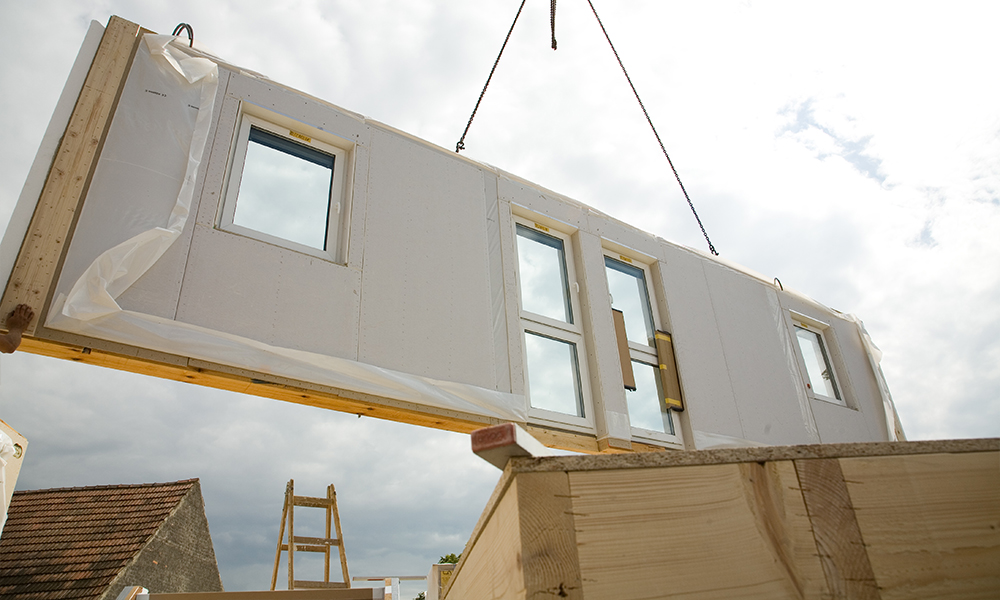
The rumble of bulldozers and the clang of hammers may soon be replaced by the whir of assembly lines. The construction industry is undergoing a radical transformation, shifting from a project-by-project approach to a product-based one. This means prefabricated components and readily customisable designs, promising faster completion times, improved performance, and a more sustainable future for construction.

But for many companies, the road to this future is blocked by outdated and fragmented design processes. These roadblocks prevent them from capitalising on the construction revolution that’s already underway.

Enter Building Information Modeling (BIM), the key to unlocking this new era. BIM creates a single, intelligent digital model of a building, accessible to everyone involved, from the architects dreaming up the design to the engineers making it a reality, and even the contractors and facility managers who will see it through to completion. It’s like having a blueprint on steroids, fostering collaboration, and streamlining communication across the entire project.

Siemens Integrated Design and Configuration is the bridge connecting the traditional world of construction to the modular future. This comprehensive suite of tools empowers organisations to navigate the digital landscape and embrace the modular revolution.

This innovative approach uses multi-discipline design and re-use, advanced design automation, and systems-driven design to enable faster, cheaper, and problem-free innovation.

By embracing industrialised construction and leveraging the power of fully integrated design and configuration, companies can secure their place in the rapidly evolving construction landscape. It’s time to ditch the outdated methods and step into the future of building.

Embrace the future with multi-discipline design and reuse

Imagine designing buildings and factories faster, cheaper, and better.

This is the future Siemens Integrated Design and Configuration promises. By ditching the “reinvent the wheel” approach, it allows engineering teams to collaborate seamlessly across disciplines, using their preferred software. This means faster project completion and significant cost savings.

The traditional project-based approach is like building a new house every time you need one. With Siemens’ solution, you’d have pre-designed, reusable modules, like walls, roofs, and plumbing systems, that can be easily customized and assembled, saving time and money.

This “product-based” approach is not just about efficiency, it’s about empowering your team to innovate. They can focus on creating extraordinary designs, confident in the knowledge that their work can be easily applied to future projects.

With features like drag-and-drop components, reusable designs, and integrated Bill of Materials management, Siemens Integrated Design and Configuration helps you design faster, collaborate better, optimise designs, and reduce costs.

At Ansaldo Energia, Italy’s major provider of power plants, multi-discipline design and re-use is saving time and money. AEN estimates since incorporating Siemens solutions it has increased component re-use by 20 to 40% and consolidated corporate know-how in about 80 design practices.
From chaos to confidence: Automate custom designs and meet every client need

Creating custom designs for your clients with the same speed and precision as you would with off-the-shelf products is the power of automated design for engineer-to-order (ETO) solutions.

Traditionally, custom projects meant slow turnaround times, high costs, and frustrated clients. But what if you could transform customer needs into precise designs in a matter of minutes, not months?

This is where Siemens Integrated Design and Configuration comes in. It empowers your engineering teams to automate repetitive tasks and leverage pre-designed components, allowing them to respond to custom requests quickly while reducing errors and ensuring quality consistency.

This solution is like having a pre-built toolbox of design elements, ready to be assembled and customised to meet your client’s exact specifications. No more starting from scratch, just efficient customisation that saves you time and money.

The process is simple: when the custom requirements are submitted pre-designed components in the design library are leveraged to build the design. With every piece in places the software automatically generates the design and a detailed and accurate proposal that includes 3D models and bills of materials.

Taming the chaos of large capital project design with systems-driven design

Designing large-scale capital projects like power plants is complex and prone to errors. These mistakes can lead to massive cost overruns, project delays, and non-compliance with regulations.

A recent study found that the average project suffers from a $1.2bn cost overrun, which is almost 80% of the initial budget. Additionally, these projects can be delayed by six months to two years. The traditional approach to design, where different teams work in isolation, is a major culprit. This often leads to hidden issues that only surface later in the construction phase, causing rework and further delays.

There’s a better way. Systems-driven design tackles these challenges head-on by clear requirement capture, connecting requirements to design, and enabling continuous integration. The result? Streamlined communicated, reduced errors, and cost savings throughout the project lifecycle.

Siemens Energy exemplifies the benefits of this approach. By using NX, Teamcenter, and Simcenter, they achieved achieve machine tool overall equipment efficiency (OEE) from 65 to 85%; reduce part machining time by 25 to 36% and achieve nearly 26% in computer-aided everything (CAx) cost reduction.

By embracing BIM and Siemens Integrated Design and Configuration, companies can unlock the potential of the industrialised approach and build a more efficient, sustainable, and profitable future.

Whether it’s energy production, construction, or the mining industry, learn more about how this approach positions companies to outpace the competition and secure their place in the rapidly evolving next-generation landscape.

The post Build the future of construction with next-gen design solutions appeared first on Middle East Construction News.


Source: ME Construction News


Doosan-Enerbility1_1000x600-1.jpg

March 13, 2024 foasummit0

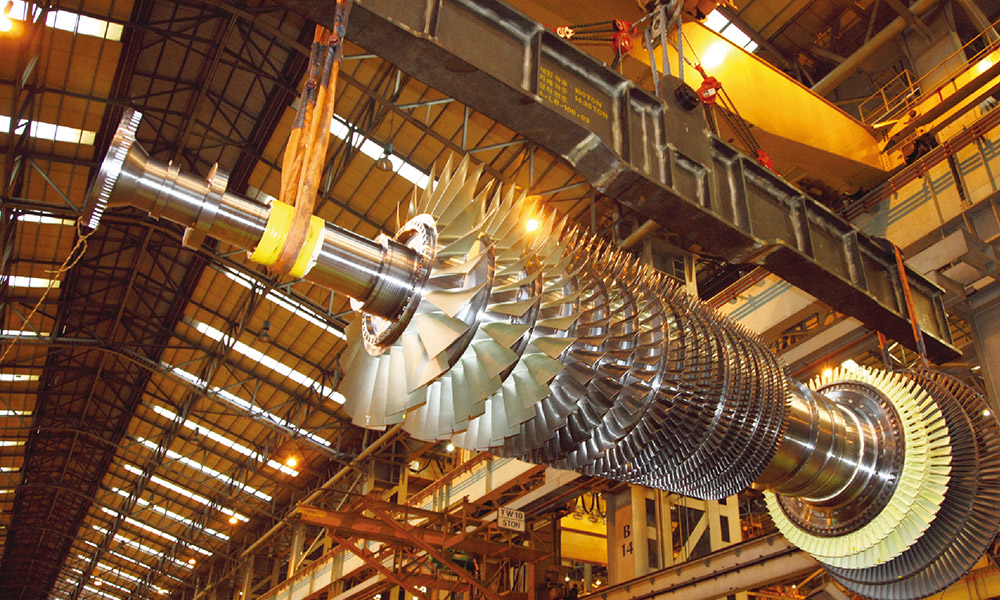
Energy solution provider Doosan Enerbility has announced that it has secured a contract worth US $114mn contract to supply equipment for Saudi Arabia’s largest combined-cycle power plant project.

As per the terms of the deal, the firm will supply two 650MW steam turbines and generators for the Qassim 1 and Taiba 1 power plants, with a combined capacity of 3,600MW. The plants, which are located 200km north of Jeddah and 200km northwest of Riyadh, are expected to be operational by 2027. The projects are being developed by a consortium of Saudi Electricity Company and ACWA power.

According to a report, the agreement was reached with China’s Sepco-3, which is responsible for the engineering, procurement and construction of the power plants located in the Taiba and Qassim regions of Saudi Arabia.

Doosan Enerbility is said to have set its sights on the power plant market in the Middle East, which is expected to build new power plants with a combined capacity of 15GW over the next five years. The firm is best known for producing gas and steam turbines and generators for use in gas-fired power plants.

The post Doosan Enerbility wins US $114mn equipment contract for Saudi power plants appeared first on Middle East Construction News.


Source: ME Construction News

Oman_1000x600-1.jpg

March 13, 2024 foasummit0

In a significant move aimed at enhancing building safety and construction standards in Oman, the International Code Council (ICC) has partnered with the nation’s Ministry of Housing and Urban Planning to develop a series of six comprehensive building codes in the kingdom.

Leveraging ICC’s expertise in crafting and implementing building codes for jurisdictions around the world, the initiative aims to create a set of bespoke codes to suit local contexts, reflecting the nation’s priorities and aspirations.

The sultanate’s adoption of these building codes, based on the 2021 and 2024 International Codes (I-Codes), will serve as a catalyst for raising standards and promoting best practices nationwide.

Minister of Housing Dr Khalfan bin Said Al Shueili and ICC’s Senior Vice President of Global Operations and Solutions, Judy Zakreski, formalised the agreement at a ceremony held at the Royal Opera House in Muscat.

The project’s primary areas of focus include safety standards, sustainability and technology integration, with the entire project scheduled for completion by early 2026.

Dr. Hanan Al Jabri, the Director General of Urban Planning at the MoHUP said: “With rapid infrastructure growth and urban development happening in the country, the demand for robust building codes prioritising safety and resilience, has become increasingly important.”

“The strategic cooperation underscores a shared responsibility to advancing safety, sustainability, and innovation in the sultanate’s construction industry and represents a significant milestone in the journey towards achieving the goals outlined in Oman Vision 2040,” Al Jabri concluded.

The post Oman to partner with ICC for new building codes appeared first on Middle East Construction News.


Source: ME Construction News


ProcoreOpEd1_1000x600-1.jpg

March 12, 2024 foasummit0

In the past twelve months, the construction industry has experienced significant transformation in response to dynamic challenges and the continual emergence of new technologies. As we enter 2024, the MENA region will continue to experience significant construction growth across diverse projects, including transportation, infrastructure and residential developments, amounting to approximately $2.5tn, according to Forbes Middle East.

To gain a better understanding of what’s at play, we spoke with a number of Procore executives to get their take on everything from evolving market dynamics and global labour scarcity to emerging trends in workforce development, contemporary payment methods and burgeoning technological advancements — all within the construction industry.

Below is a summary of our top five construction predictions for MENA construction in 2024:

  1. The Industry Better Leverages Generative AI to Standardise Data

Today, teams are burdened to get the project done on time and within budget — while still keeping safety and quality requirements in mind. Generative AI will be leveraged by more construction businesses to help collect and standardise the vast amounts of data they operate with — providing more actionable insights and reducing risk.

“With generative AI, companies will be able to better structure and standardise their data across the entire lifespan of a project,” said Rajitha Chaparala, Vice President of Product, Data & AI. “We are already beginning to see general contractors leverage this data in unique ways to improve their business. It’s really exciting to see.”

  1. Taking Note of Construction’s Labour Shortage Ripple Effects

While there has been some improvement over the last few years, many industries continue to struggle to recruit new talent to support the increasing demands of their customers. In 2024, businesses will double down on new forms of recruitment, such as positioning themselves as a technology-first company to attract younger talent who grew up as digital natives.

With an ageing workforce, construction companies will also implement new skills training and workforce development programmes for their current employees, especially when it comes to leadership development and Diversity, Equity, Inclusion, Belonging (DEIB) initiatives.

“The labour shortage is not just construction’s problem; it’s everyone’s problem. It’s stopping us from being able to effectively future-proof our infrastructure for population growth and climate change, let alone repair the ageing infrastructure we have today,” said Tooey Courtemanche, Procore Founder and CEO. “This means that our future energy security, home buying power, ability to commute safely to work and more hinge upon getting more people into construction. We should all be invested in attracting more people to construction because it will benefit us all.”

  1. Increased Sustainability Regulation Leads to More Formalised ESG Programmes

Environmental, Social and Governance (ESG) is now top of mind for every business, especially construction which continues to have a large carbon footprint. As we head into next year, we expect there will be a move to a more universal or standardised method of carbon reporting in the built environment.

“Many construction companies now routinely report on their ESG efforts and they typically appoint a vice president or executive to oversee this important area of the business,” said Sandra Benson, Vice President of Industry Strategy. “Not having an ESG programme in place could potentially disqualify a company from consideration for a project. In the future, the inability to meet ESG requirements may even prevent companies from submitting bids altogether.”

  1. Using Data-Driven Insights to Enhance Risk Management 

Last year, as much as $40 billion was wasted in the construction industry due to inefficiencies and poor productivity. Construction companies are looking for a platform that can connect their construction data, structure that data and then glean insights to help reduce risks on future projects. Groundbreaking solutions like Procore Risk Advisors are already rewarding companies that see the value in risk management by using data-driven insights to unlock better insurance terms.

“It all comes back to predictability. The more we can use data to help construction professionals predict things like project delays, material needs, equipment and weather conditions, the better off they’ll be,” said Sarah Hodges, Chief Marketing Officer. “My hope is that we will ultimately help them avoid those kinds of situations altogether.”

  1. Short-Term Challenges Associated with Data Standardisation Continue

Because each project is so unique, customisation is often required within the construction industry. The downside of that approach is that much of the data that exists is not standardised. While technology like generative AI is helping, we’re still a few years away from mainstream data standardisation within the construction industry.

“About a third of our customers are in a good place in terms of standardising their data and integrating it throughout their systems,” said Chaparala. “Another third of our customer base has started, and we have to encourage them to stay on that path by giving them tangible examples of ROI. And then I think the last third have yet to embark on this journey.”

The Future Lies in Data

One trend is consistent in the construction industry’s journey in 2024: the growing importance of rigorous and standardised data. Data is the lifeblood of business intelligence, underpinning the effectiveness of both existing and emerging technologies.

Whether it’s building a data foundation upon which to develop generative AI tools, or embracing forward-thinking data strategies and practices to attract the next generation of top talent, data powers the future of construction. The standardisation of data is an essential step towards becoming a data-driven and digital first business. Companies that have this at the heart of their business strategy will make transformative leaps this year and beyond.

To find out more about Procore, visit www.procore.com.

The post Leveraging technology to tackle the industry’s biggest challenges appeared first on Middle East Construction News.


Source: ME Construction News


Port-Mubarak-Al-Kabeer1_1000x600-1.jpg

March 12, 2024 foasummit0

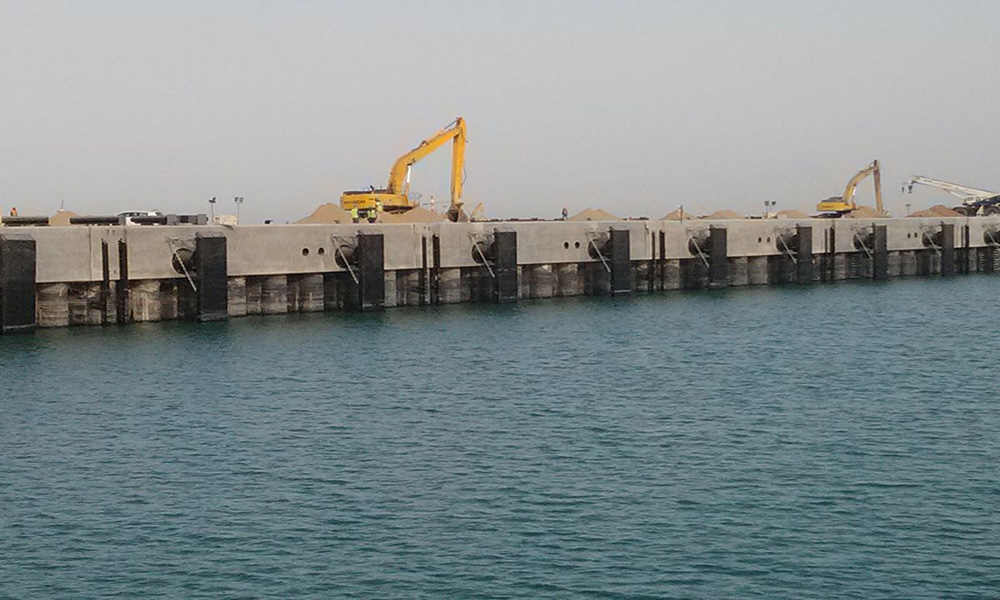
Kuwait has announced plans to allocate US $604mn to the Ministry of Public Works for the completion of Mubarak Al Kabeer Port project during FY 2024-2025. The project, which is being built on an area of 1,161ha will accommodate 24 berths and will have a capacity of 8.1m containers.

The amount allocated to the development under the country’s capital projects expenditures reflects the importance attached to its early completion, especially since there was an initial hiatus in the issue of competitive tenders. Eight months ago, the Ministry of Public Works resumed issuing tenders for Phase I. The tenders also include for the operation and maintenance of the ‘cathodic’ protection system for the port quay wall and the berth for small ships.

As per the feasibility study for the Mubarak Al Kabeer Development Port, the project is likely to cost US $3.2bn and will be completed through nine executive contracts. Once operational, the project will help transform Kuwait into a major hub for transit trade and regional transport.

The scope of work includes implementation of the road linking Subiya area to the east of Bubiyan Island; completion of the port dock and reclamation of the land, as well as completion of the design of handling equipment and quay deepening.

Currently, around 90% of the work has been completed on the 7km-long link road on Bubiyan Island, connecting directly with the port area.

The post Funds to be allocated to complete Mubarak Al Kabeer Port in Kuwait appeared first on Middle East Construction News.


Source: ME Construction News


Breedon1_1000x600-1.jpg

March 12, 2024 foasummit0

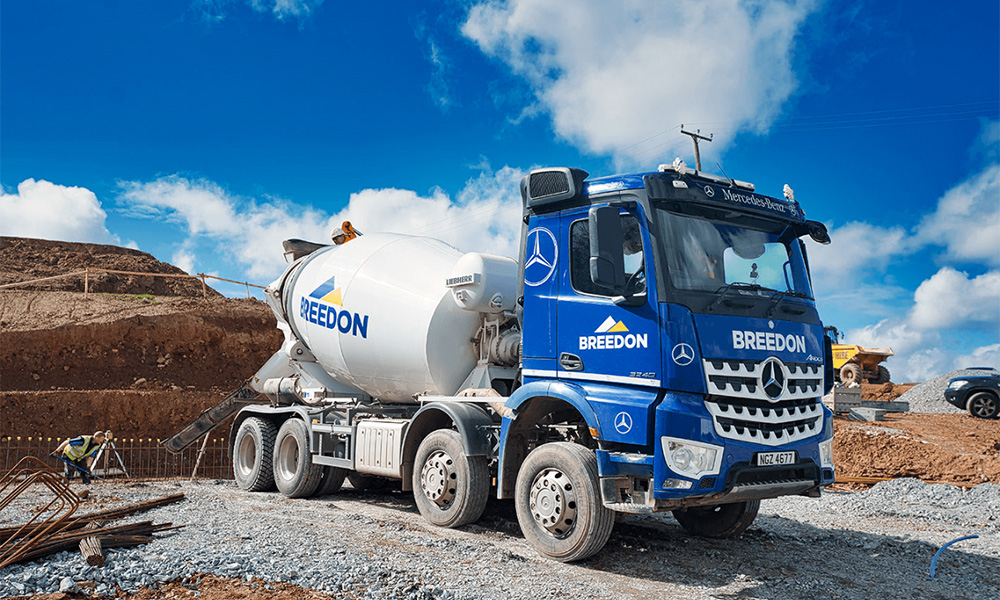
Breedon has acquired readymix supplier BMC Enterprises as part of its entrance into the North American market, the company has announced. The deal was valued at US $300mn according to Breedon, which specialises in construction materials and quarrying.

BMC, formerly Breckenridge Material Company, is a supplier of ready-mixed concrete, aggregates and building products. Headquartered in St Louis, Missouri, the firm turned over $179mn last year and has more than 400 million tonnes of reserves and resources.

“This transaction will give us a platform that is well-placed to grow in the highly-fragmented US construction market, is culturally aligned with Breedon and has a familiar performance track record. The acquisition of BMC represents a compelling opportunity for Breedon to launch our third platform in the USA. BMC has an excellent performance track record over a sustained period and is positioned in an attractive market for future growth,” said Breedon Chief Executive Rob Wood.

“As a high-quality aggregates and concrete business that has grown at pace, organically and through acquisitions, with a strong management team and deep local knowledge, BMC’s culture and values are fully aligned with the Breedon business model. The acquisition is expected to be earnings enhancing for shareholders, while allowing Breedon to maintain a conservative and flexible balance sheet to pay dividends and make further bolt-on acquisitions across each of our platforms as opportunities arise,” he added.

“We are delighted to welcome our BMC colleagues to Breedon and look forward to working with them to build Breedon’s presence in the USA,” he concluded.

The post Breedon enters US market with $300mn acquisition of BMC appeared first on Middle East Construction News.


Source: ME Construction News


2024-ES-Summit1_1000x600-1.jpg

March 11, 2024 foasummit0

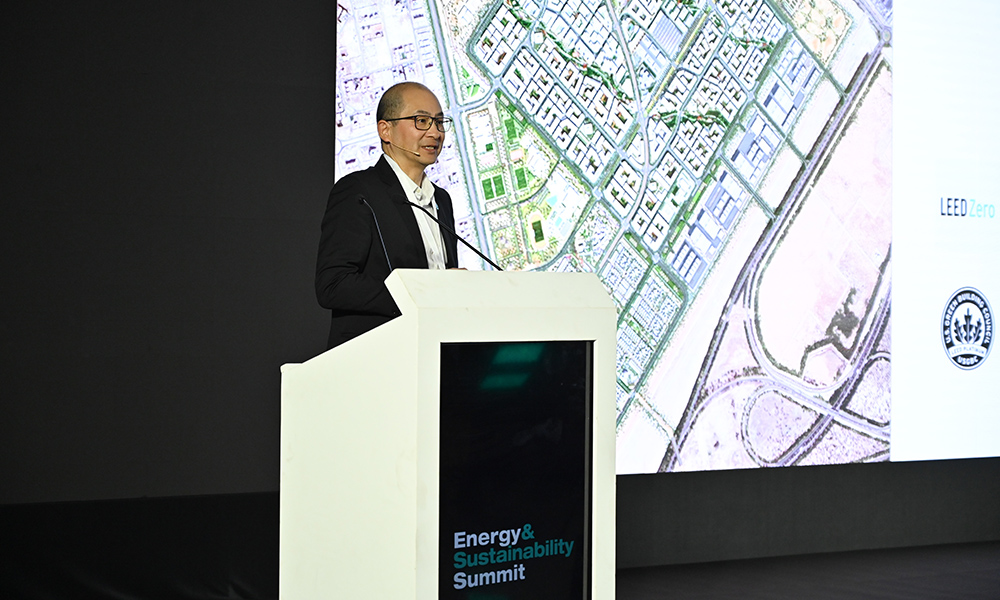
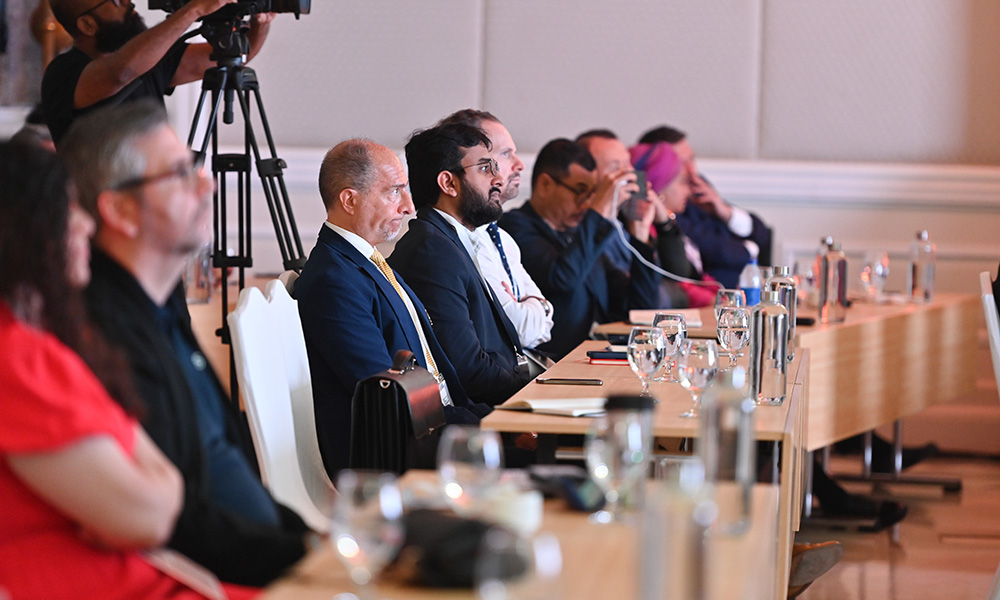
Big Project Middle East’s (BPME) 2024 Energy & Sustainability Summit took place at the Habtoor Grand Resort, JBR, Dubai on 7 March and tracked over 150 delegates in attendance. The third edition of the annual event saw participation from five government organisations, in addition to dozens of firms from across the built environment and energy sectors.

Delegates and speakers included industry bodies, developers & operators, construction and engineering stakeholders, energy specialists and manufacturers, the magazine’s editorial team confirmed. The event was officially endorsed by the Dubai Supreme Council of Energy.

“I’m immensely proud of the third edition of the Energy & Sustainability Summit, the event is now unquestionably one of the top decarbonisation and sustainability focused conferences in the region, which is no small feat given the absolutely packed regional event roster. Six other events took place on the same day of the conference, so I’m very grateful to have had five different government organisations participate at the event, all of whom enriched the event’s agenda significantly. They were joined by experts from a variety of private sector firms, all of whom provided our audience with incredible insights, and food for thought with regards to the ongoing journey towards decarbonisation and achieving Net Zero,” said Jason Saundalkar, Head of Content at Big Project Middle East.

He added, “I would like to thank all of our sponsors for throwing their weight behind this keystone event, and look forward to working with my team to build the next edition in 2025.”

Eng. Faisal Ali Rashid, Senior Director – DSM at the Dubai Supreme Council of Energy.

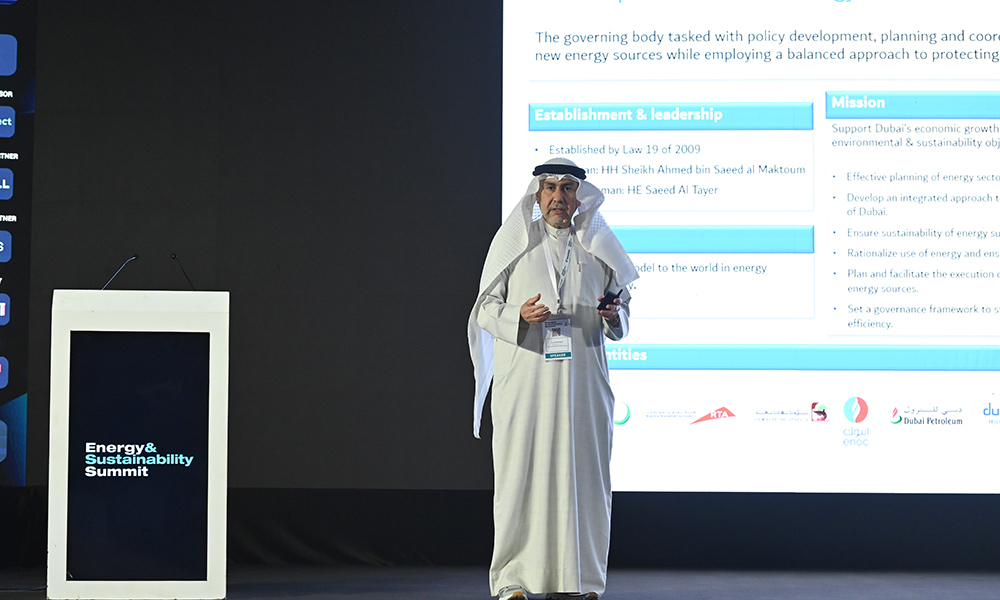
The event opened with a welcome note from BPME’s Head of Content, following which delegates heard from three keynote speakers: Eng. Faisal Ali Rashid, Senior Director – DSM at the Dubai Supreme Council of Energy; Chris Wan, Associate Director of Sustainability and CSR at Masdar City, and Ahmed Jehad Saeed Binsahoo Al Suwaidi, VP – Asset Management at Etihad Water & Electricity (EtihadWE).

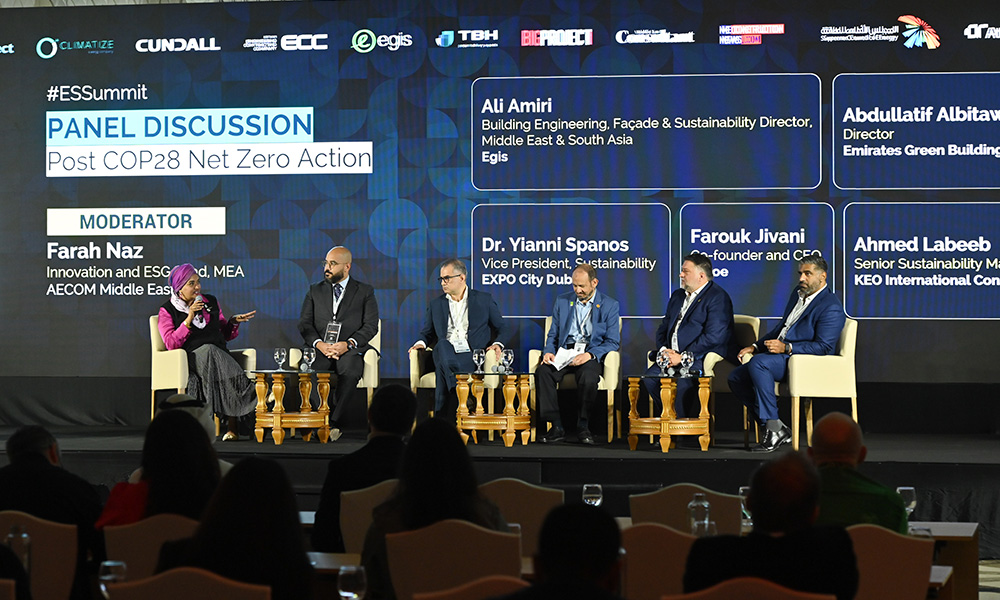
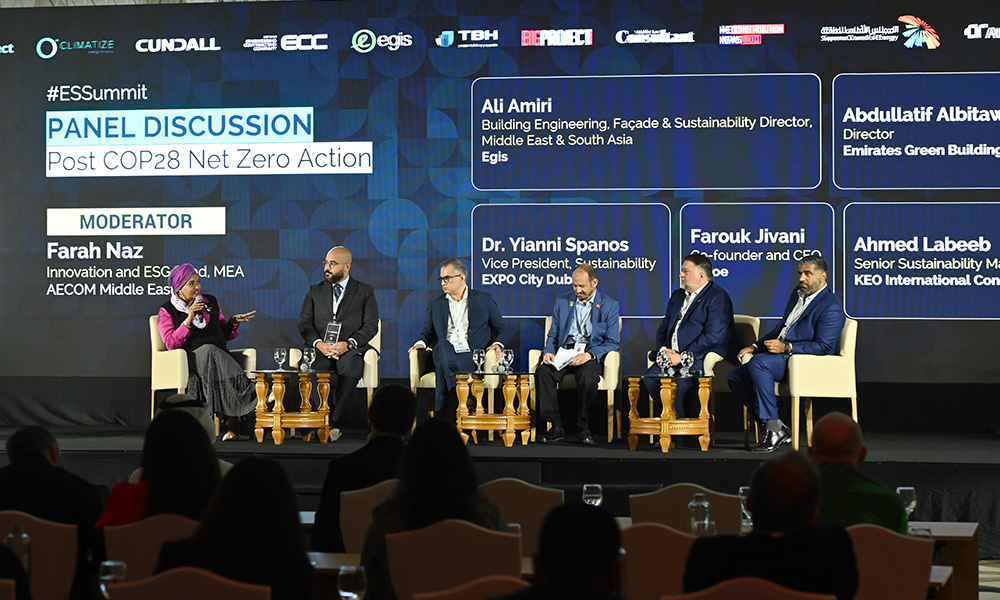
Following the three high level keynote addresses, the first panel discussion ‘Post COP28 Net Zero Action’ took place. The session was moderated by Farah Naz Innovation and ESG Lead, MEA at AECOM Middle East, and featured several speakers including: Ali Amiri, Building Engineering, Façade & Sustainability Director, Middle East & South Asia at Egis; Abdullatif Albitawi, Director at Emirates Green Building Council; Ahmed Labeeb, Senior Sustainability Manager at KEO International Consultants; Dr. Yianni Spanos, Vice President, Sustainability at EXPO City Dubai, and Farouk Jivani, Co-founder and CEO at Zeroe.

The session was followed by a fireside chat with Engi Jaber, CEO and Managing Director at Climatize Engineering Consultants, and was moderated by Jason Saundalkar.

Maxwell Stanley, Behavioral Scientist at the Department of Energy then gave a presentation which introduced delegates to the world of behavioral science, and how organisations can leverage it to achieve business and societal objectives.

Chris Wan, Associate Director of Sustainability and CSR at Masdar City.

The second panel discussion ‘Sustainable Materials and Decarbonising Construction Sites’ then took place, which was moderated by John Shenton, Chair of Dubai Hub at CIOB. The sessions speakers included: Atousa Aslmainezhad, Assistant Professor of Architecture at Heriot-Watt University Dubai; Basel Khalid Mohammed, Technical & Factory Manager at 3DXB; Calum Perey, Principal Structural Engineer at Cundall; Christopher Nicolas, Director at TBH; Matthias Gelber, NetZero Ambassador for Desert Board and Co-Founder at ESG Innovation Hub Singapore, and Seb Davies, Director – Cost Management at Rider Levett Bucknall.

The second fireside chat of the day was led by Matthias Gelber, who discussed Desert Board and its various applications with Kamal Farah, Director at Desert Board by Al Talah Board Manufacturing Co. Ltd.

The third panel discussion ‘Raising the Middle East’s Clean Energy Game’ was moderated by Boushra Barakat, Senior Environmental Engineer at AECOM, and discussed advancing the region’s clean energy mix. Its speakers included: Abdullatif Albitawi, Vice Chair, Energy Institute Middle East Branch; Dr Tadhg O’Donovan, Deputy Vice Principal at Heriot-Watt University; Riad Bestani, Founder and CEO at ECOSquare; Rola Nasreddine, Energy and Environmental Consultant at Springs Global Consultancy, and Sophia Hasnaoui, Senior Business Development Manager at Yellow Door Energy.

The event was sponsored by:

Strategic Sponsor: KEO International Consultants
Bronze Sponsor: Thinkproject
Supporting Partner: Climatize, Cundall, Engineering Contracting Company, Egis, TBH Consultancy

Read more about the Energy & Sustainability Summit here.

The post 2024 Energy & Sustainability Summit records over 150 in attendance appeared first on Middle East Construction News.


Source: ME Construction News

Al-Urubah-Park1_1000x600-1.jpg

March 11, 2024 foasummit0

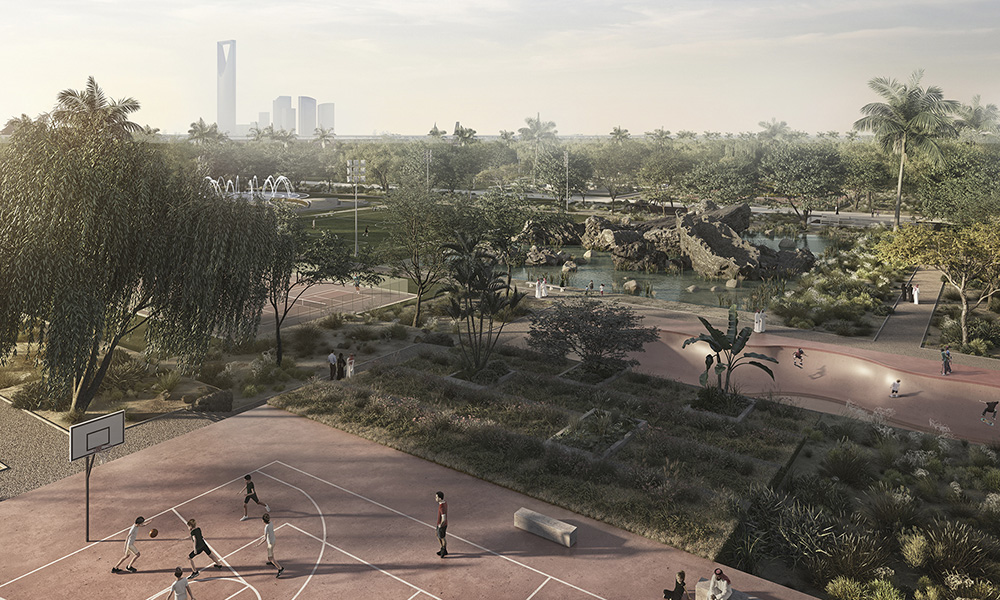
Construction works on the Al-Urubah Park has begun according to the Royal Commission for Riyadh City (RCRC). The facility is being developed as part of the Green Riyadh programme and will help boost the quality of life of its residents and visitors, providing them recreational places, and transforming Riyadh into one of the most sustainable cities in the world, said a statement from the RCRC.

Spanning a 754,000sqm area, the park is said to be distinguished by its vital location at the intersection of Prince Turki Bin Abdulaziz Al Awwal Road with Al Urubah Road, allowing residents to access it from various parts of the city easily.

The park’s design features international specifications which were adopted from several designs submitted by six international contestants, who participated in the competition to present the best ideas and designs to achieve sustainability and conform to environmental standards, the RCRC added.

Its design features a panoramic path that is 3km long and 12m high, and provides a view of the city’s landmarks. The design also utilises modern technologies, in which nature harmonises with technology, to give visitors an interactive experience using augmented reality.

According to RCRC, more than 600,000 trees and shrubs will be planted, covering 65% of the park’s area. In addition, the development of permanent water bodies accommodated in the initial design stages with the Al Laysan Valley pass through the park. The park also features a 14km-long walking trail, green terraces, open spaces, and theatres for events and festivals. The release also includes information about sports facilities catering to various age groups.

The Green Riyadh Program is focused on developing residential neighbourhoods, neighbourhood parks, streets and corridors, developing sidewalks and pedestrian walkways, mosques and schools, as well as planting valleys and their tributaries as well as main roads. It also focuses on the development of government and public buildings such as ministries, authorities, and universities, in addition to developing water networks for irrigation with a total length of 1,350km at the city level.

The post Construction of Al-Urubah Park begins appeared first on Middle East Construction News.


Source: ME Construction News