
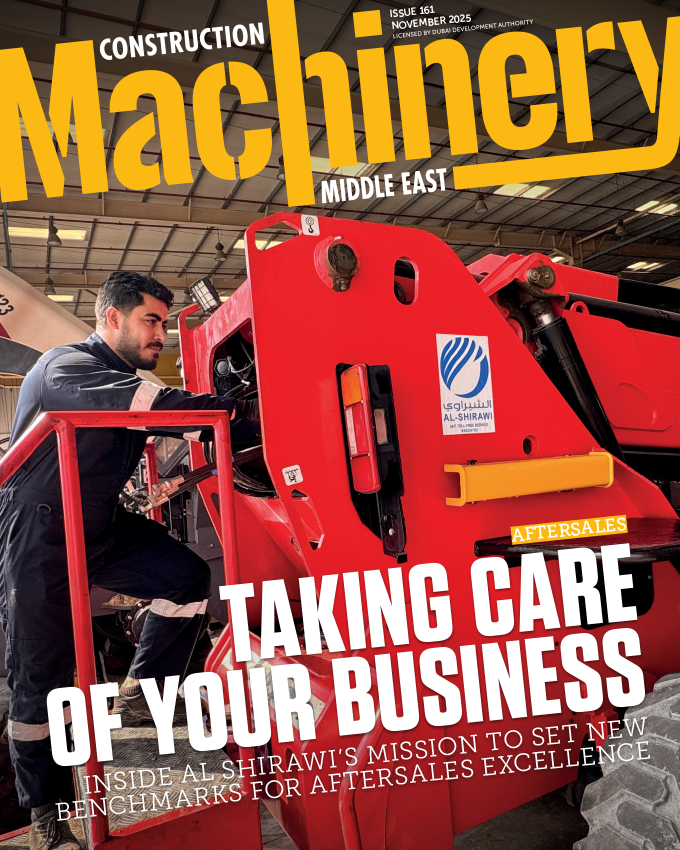
The post Construction Machinery ME – November 2025 appeared first on Middle East Construction News.
Source: ME Construction News
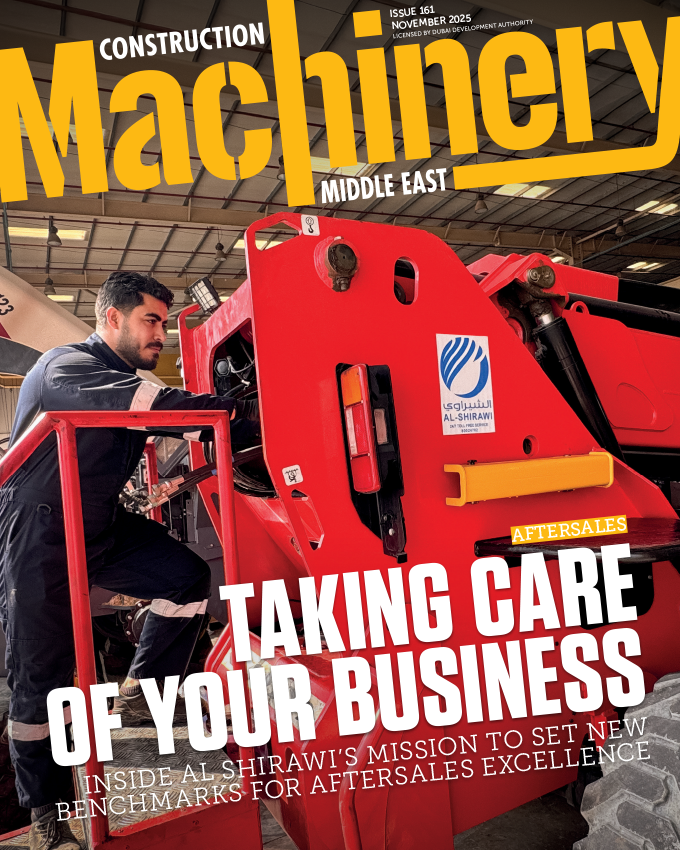
The post Construction Machinery ME – November 2025 appeared first on Middle East Construction News.
Source: ME Construction News
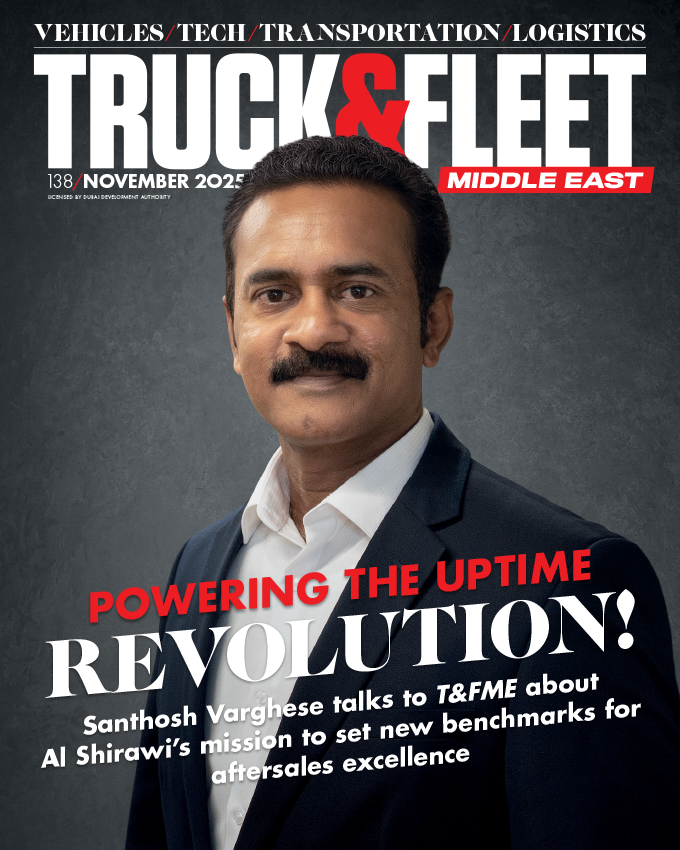
The post Truck&Fleet ME – November 2025 appeared first on Middle East Construction News.
Source: ME Construction News
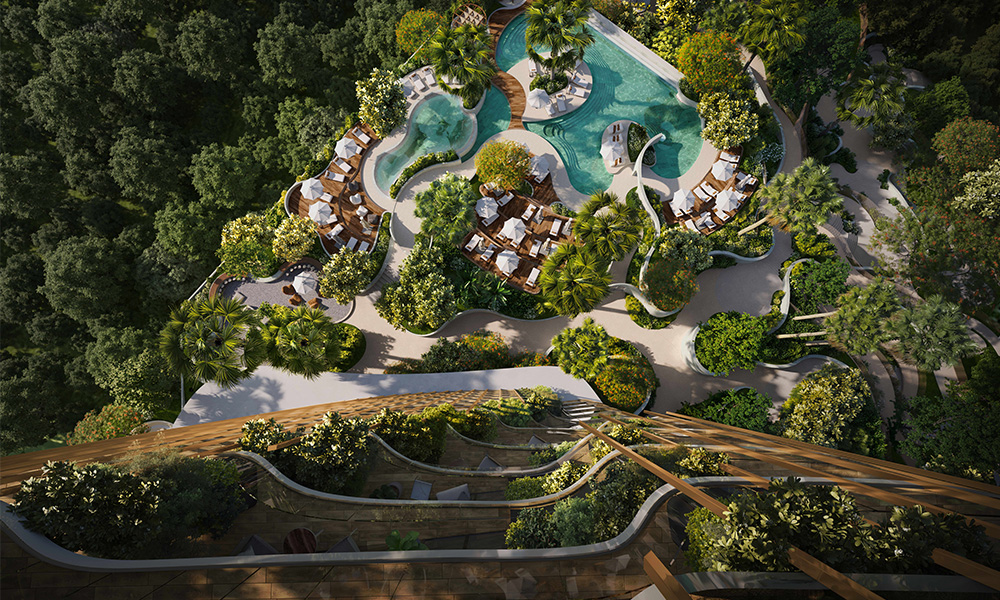
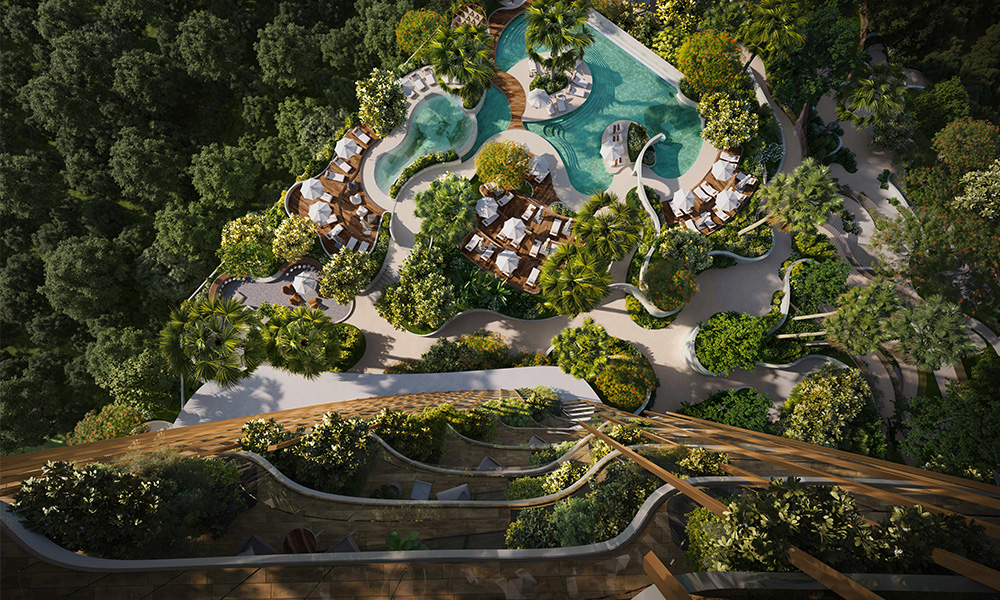
Developer BEYOND Developments has unveiled Kanyon, a residential project with a development value of US $408.6mn. This is the second sculptural tower to rise in what’s billed as the region’s inaugural Forest District by the Sea at Dubai Maritime City.
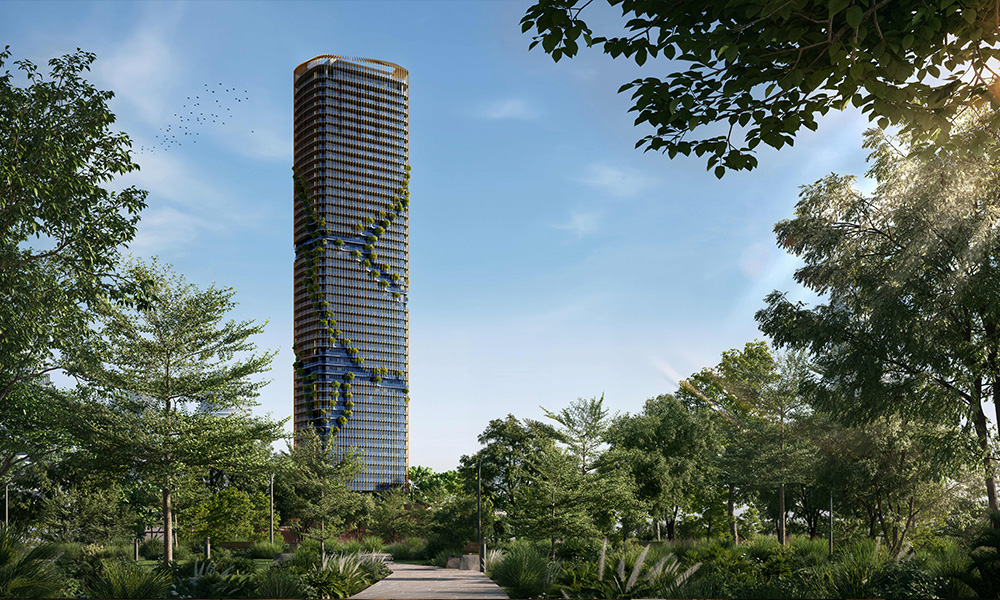
Kanyon is designed to be shaped by light, the horizon, and the serene presence of nature. It represents waterfront living and is inspired by the concept of a ‘Green Canyon’. The tower is characterised by its fluid movement and the interplay of shadow and light. This creates a cascading forest landscape that ascends through the building, softening its architectural lines, the developer explained.
The tower’s design will introduce visual and emotional language to the district. Its layered façade curves gently inward and outward, capturing the sun throughout the day. A planted vertical spine rises along the structure, anchoring the tower within a nature-rich environment. Each home offers views of Downtown Dubai’s skyline, the World Islands, Port Rashid, and the emerging forest landscape below, said a statement.
“Dubai Maritime City is now recognised as one of the region’s most distinctive waterfront destinations, a place where the energy of Dubai naturally meets the calm of the sea. With our masterplan, we envisioned a community shaped by wellbeing, thoughtful design and a closer relationship with nature, creating an environment where people can live with greater ease and purpose. Kanyon builds on this vision by drawing the landscape into the heart of the building and shaping a living experience that feels warm, intuitive and deeply rooted in its surroundings,” said Adil Taqi, CEO of BEYOND Developments.
Kanyon, offers 411 units split between one-, two-, and three-bedrooms. These residences are designed to embody clarity, warmth, and the rhythmic flow of daily life. Each residence boasts expansive views, spacious layouts, and generous glazing that enhances privacy. Flowing balconies and refined finishes create a harmonious dialogue between interior comfort and the surrounding natural environment, the developer said.
A lobby, co-working spaces overlooking both sea and greenery, elevated pavilions, pool terraces, a modern fitness club, a dedicated spa, family-friendly spaces, and an rooftop sky bar exclusively for residents shape an environment where daily routines naturally transform into meaningful moments. A sky pool crowns the tower, offering elevated views and a serene vantage point above the district, creating a unique vertical nature experience within the heart of the building. At the base, a terraced landscape known as the Green Descent brings the tower into harmony with the wider district, creating a seamless connection between architecture and nature, the developer concluded.
The post BEYOND Developments unveils $408.6mn residential project appeared first on Middle East Construction News.
Source: ME Construction News


The countries that comprise the Gulf Cooperation Council (GCC) face significant water challenges, due to their being located in one of the most arid regions on Earth. Saudi Arabia, as the largest country in the GCC, is particularly at risk due growing demand from its population, and significant needs from the agriculture and industrial sectors. These demands have put significant pressure on natural water reserves, combined with the fact that rainfall is, generally speaking, scant.
Experts also note that the Kingdom loses a significant 40% of its water supply, due to inefficiencies in its distribution networks. As climate patterns continue to shift and demand grows, the Kingdom is making significant investments into water infrastructure to secure its future. Here, Jason Saundalkar, Head of Content at Big Project Middle East talks to Abdulaziz Daghestani, Area Sales Director, Water Utilities, MENA and Country Director for Saudi Arabia at Grundfos about solutions that can bridge the gap between demand and supply and ensure long-term resilience.
Saudi Arabia’s water demand is expected to increase steadily over the next decade, driven by rapid urban growth, industrial expansion, and the scale of projects linked to Vision 2030. National forecasts point to a sharp rise in consumption by 2030, as cities grow and infrastructure expands to meet the needs of new economic sectors. At the same time, climate change is contributing to more extreme and unpredictable weather events, further complicating water supply and demand planning.
Meeting this challenge sustainably requires more than just increasing capacity. It involves using existing resources more efficiently, reducing water loss across networks, and improving the overall performance of water systems through better planning and operational visibility. Across KSA, this often means retrofitting older infrastructure with more efficient technologies – such as submersible pumps and automated pressure controls – that can be deployed with minimal disruption. These targeted improvements help strengthen resilience, reduce energy use, and support long-term sustainability goals.
As cities like Riyadh, Jeddah, and NEOM grow, embedding intelligent water infrastructure will be essential – not just for ensuring supply but for building long-term climate resilience across the Kingdom. This will require close collaboration between policymakers, utilities, and technology providers to ensure that solutions are scalable, adaptive, and aligned with national sustainability goals.
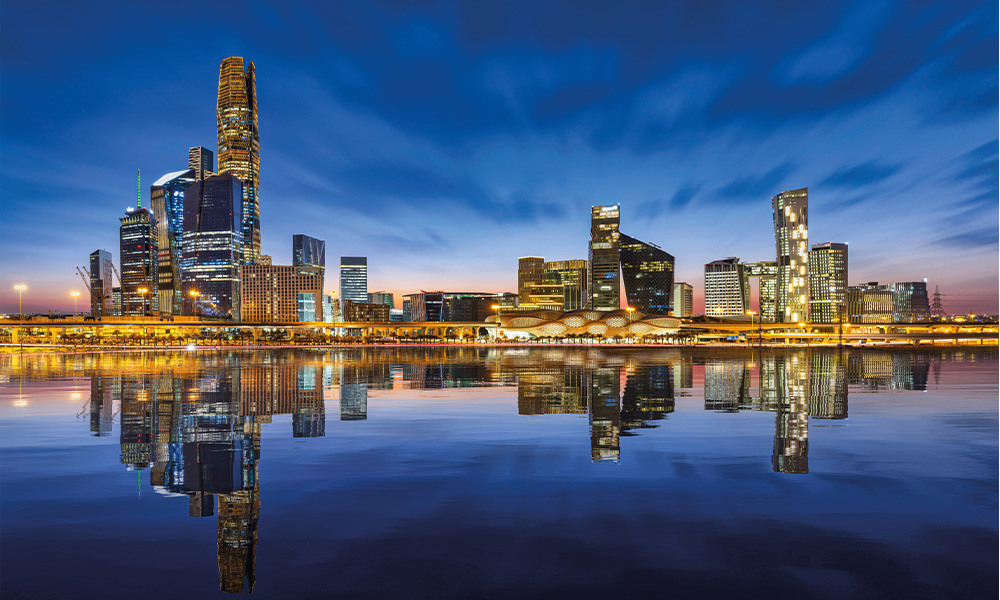
Saudi Arabia currently treats approximately 5.6m cu/m of wastewater daily, and the country plans to increase treated effluent reuse to 70% by 2030. Achieving this target will require sustained investment in tertiary treatment technologies, decentralised facilities in fast-growing zones, and the infrastructure needed to transport treated water for reuse in agriculture, landscaping, and industry.
Nationwide, there has been a clear shift toward designing wastewater treatment systems that are efficient, resilient, and adaptable to future demand. These upgrades are helping to lower operational costs, while supporting the Kingdom’s broader sustainability and climate goals through large-scale water reuse.
Looking ahead, combining infrastructure expansion with digital monitoring and predictive maintenance will be essential to ensure consistent high performance. This marks a wider transition – from treating wastewater as a by-product to managing its shift as a valuable, renewable resource.
Digitisation is playing a growing role in helping utilities manage water more intelligently. With tools like Grundos Utilities Analytics that provide real-time monitoring and leak detection, operators can quickly respond to issues and reduce unnecessary losses. The true value of these tools lies in their ability to shift operations from reactive to proactive. Instead of responding to problems after they occur, utilities can anticipate and prevent them, saving time and resources and reducing disruptions for communities.
Smart water technologies can significantly reduce non-revenue water (NRW) – caused by leaks, theft, or metering inaccuracies – by improving visibility and control across the network. These technologies help ensure that more water reaches consumers efficiently.
In the UAE, we’ve seen similar approaches deliver meaningful results. For instance, in Sharjah’s elevated Sheis area, local authorities used digitally controlled booster systems with automated pump monitoring to address topographical distribution challenges. This helped maintain a stable and efficient water supply without the need for frequent manual intervention – demonstrating how automation can support consistent service delivery in complex environments.
These learnings offer valuable insights for Saudi Arabia, where diverse terrain and expanding urban zones present comparable challenges. As the country continues to invest in modern, climate-resilient infrastructure, embracing digitisation is essential for achieving long-term water security and delivering reliable services to its citizens.
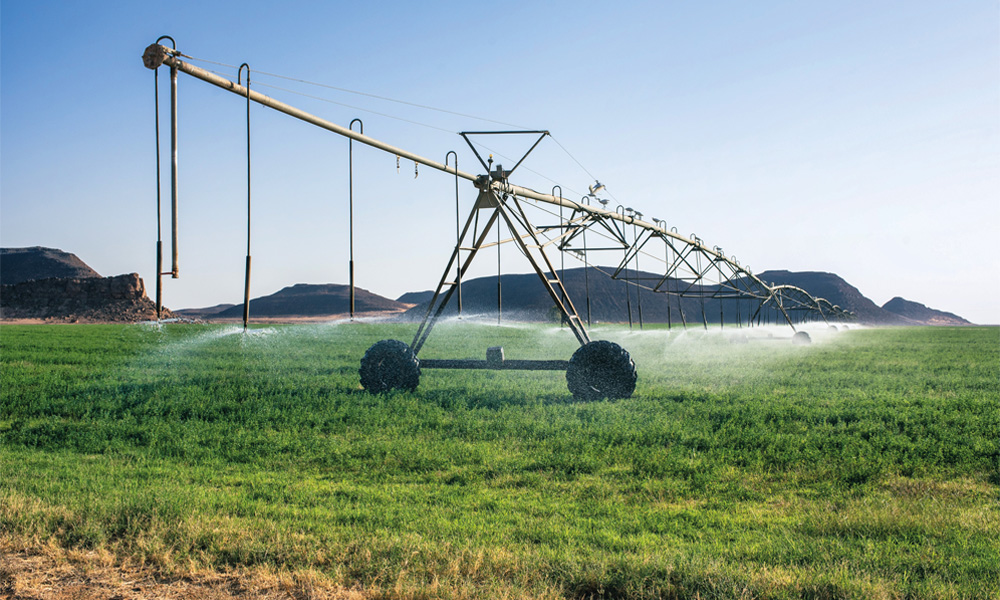
A decentralised water management system treats and reuses water locally rather than relying solely on centralised plants. These systems are particularly beneficial in industrial zones, remote developments, or residential compounds, offering flexibility and reducing transmission losses.
In the country where over 83% of the population resides in urban areas, yet rural regions continue to expand, decentralisation allows water services to reach growing communities more swiftly and cost-effectively. It supports faster, more cost-effective delivery in areas that may not yet be fully integrated into national networks, while easing pressure on centralised systems.
That said, decentralised systems come with challenges – such as aligning with national regulations, maintaining water quality, and integrating with broader frameworks. Since they often operate outside traditional utility structures, clear governance and accountability are essential. Operationally, involving multiple stakeholders – like municipalities and private developers – can complicate coordination. Without central oversight, performance may vary due to inconsistent standards or unclear maintenance roles.
Fortunately, technology is making decentralisation more practical. Modular units can be installed quickly and scaled as needed, while remote monitoring helps track performance, flag issues early, and manage costs. Together, these tools are helping deliver reliable water access to more communities across the Kingdom.
Implementing decentralised systems in Saudi Arabia presents both opportunities and challenges. In older cities, existing infrastructure may need to be adapted, which can add complexity. However, newly developed areas – such as economic zones and new urban districts – provide a more flexible environment to incorporate decentralised solutions from the ground up.
Modular and prefabricated systems are increasingly being explored as a way to scale water treatment and reuse infrastructure quickly without relying on large-scale civil works. These approaches can reduce time to deployment and improve accessibility in areas where centralised services are not yet fully established.
As Saudi Arabia continues to diversify its economy and expand into new regions, decentralised infrastructure is likely to play a more prominent role in creating a balanced, resilient water network across both urban and remote settings.
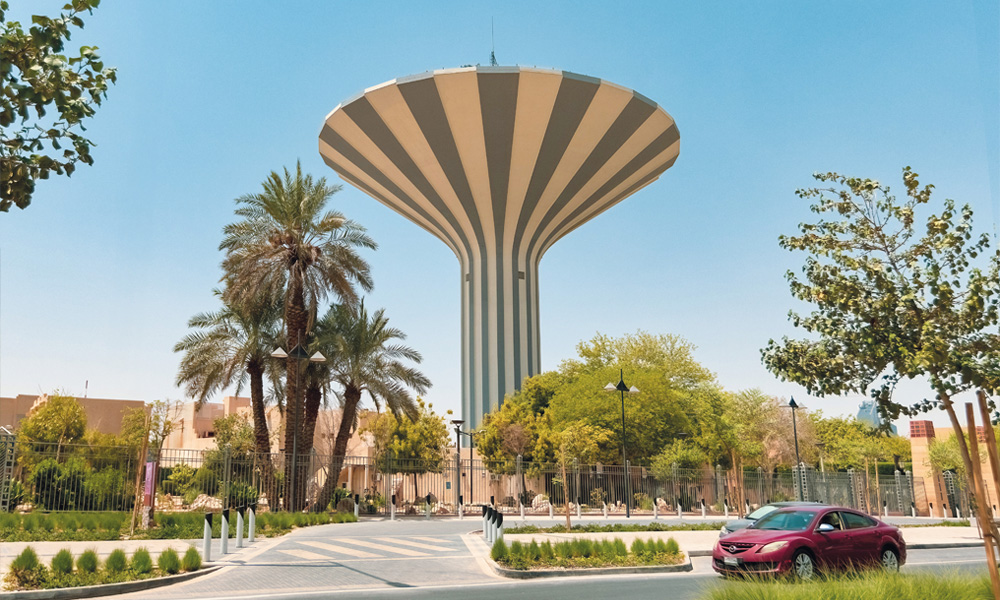
PPPs are integral to Saudi Arabia’s Vision 2030 water goals, combining public-sector planning with private-sector innovation and technical expertise to expedite the rollout of impactful infrastructure.
However, PPPs come with their own set of challenges. Aligning expectations between stakeholders can be complex – especially when navigating regulatory requirements, long contract timelines, or differing priorities around risk-sharing and returns. These complexities are often compounded by capacity gaps in public institutions, which can slow project execution, while unclear governance structures or performance standards may further hinder long-term accountability.
Despite these challenges, well-structured PPPs can offer significant benefits. We’ve witnessed the efficacy of this model in projects like the Jubail stormwater upgrade, where Grundfos contributed advanced flood mitigation pumping systems. Such collaborations ensure speed and efficiency, while embedding knowledge transfer and long-term operational excellence into the infrastructure lifecycle.
For PPPs to be truly effective, clear governance structures, risk-sharing frameworks, and outcome-based evaluation mechanisms are essential. When aligned with national objectives, these partnerships offer a scalable pathway to build a future-ready water sector capable of withstanding climate pressures and serving growing communities across the Kingdom.
The post Growing water resilience in the Kingdom appeared first on Middle East Construction News.
Source: ME Construction News
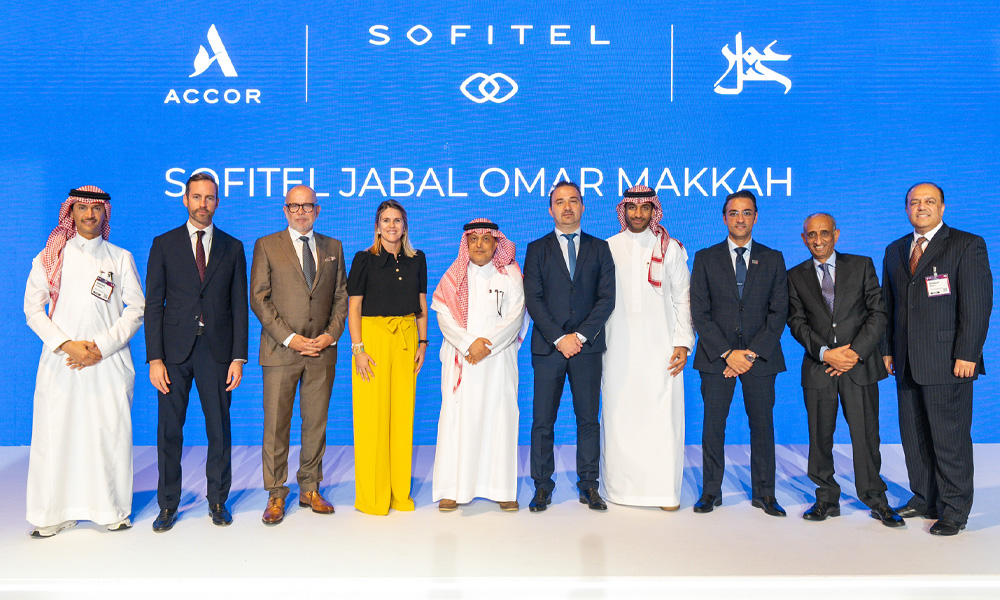
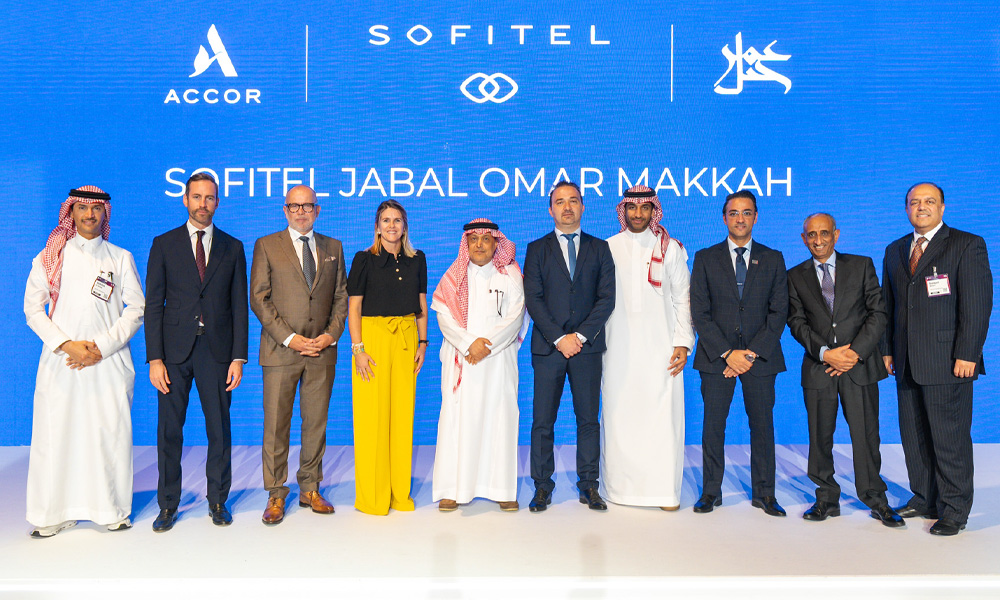
Accor has announced the signing of a landmark property in Makkah, Saudi Arabia. The Sofitel Jabal Omar Makkah, set to open in 2026, will be the largest Sofitel property globally, boasting 1,141 rooms and suites. Located in Makkah, within walking distance of the holy mosque, this hotel promises to be a significant addition to the city’s hospitality landscape, said a statement.
Maud Bailly, CEO Sofitel Legend, Sofitel, MGallery & Emblems said, “We are honored to introduce Sofitel in Makkah, a city that holds immense spiritual and cultural importance. Sofitel Jabal Omar Makkah will stand as a symbol of hospitality, serenity, and connection a place where our French zest meets Saudi authenticity. This extraordinary project reflects our ambition to create meaningful cultural bridges through luxury hospitality in one of the world’s most sacred destinations.”
“Sofitel Jabal Omar Makkah is a landmark achievement for Accor in the Middle East luxury sector. The hotel exemplifies our commitment to creating world-class properties that harmonise local heritage with French luxury, offering guests an unparalleled experience at the heart of Makkah,” added Jean-Baptiste Recher, Chief Development Officer Luxury Brands Middle East, Africa and Turkiye.
“The Jabal Omar development represents a cornerstone of Makkah’s urban transformation, reinforcing Accor’s leadership in the Kingdom’s luxury segment, and supporting Saudi Arabia’s Vision 2030. The signing of the world’s largest Sofitel in Makkah reflects our ambition to grow the brand’s presence through landmark projects in key strategic markets, bringing the spirit of French luxury hospitality to a global stage. Sofitel’s proven expertise in operating large-scale hotels ensures we deliver exceptional guest experiences at any scale,” commented Xavier Grange, Chief Development Officer, Sofitel, Sofitel Legend, MGallery & Emblems.
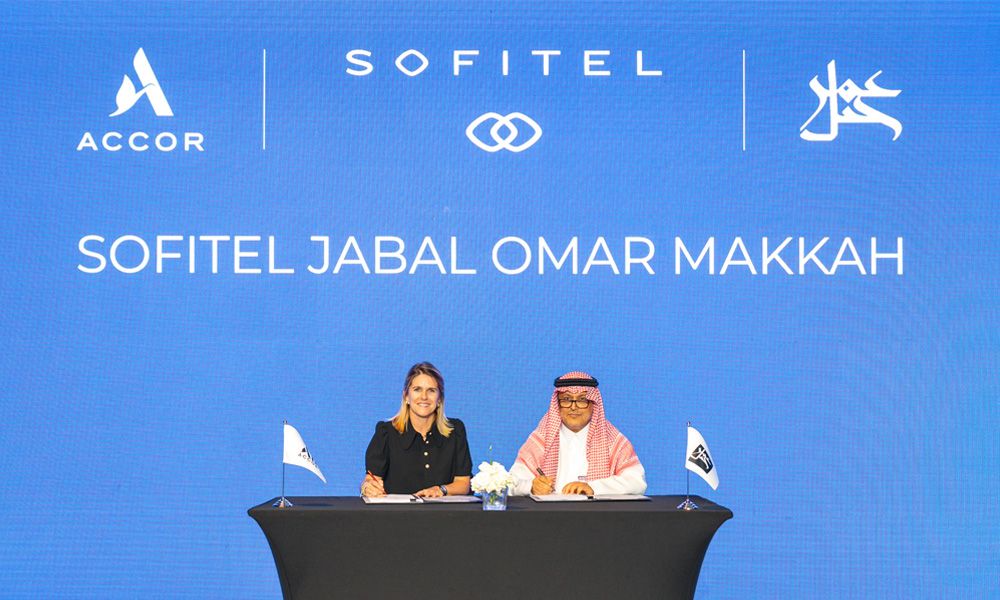
Sofitel Jabal Omar Makkah, which will take shape in the Jabal Omar master development, offers direct pedestrian access to the Haram, Islam’s holiest site. Spanning across two towers, the hotel will boast 1,141 elegant rooms and suites, each providing views of the Holy Mosque and the surrounding city. Sofitel Jabal Omar Makkah is said to underscore Accor’s dedication to the Kingdom of Saudi Arabia’s Vision 2030. This vision aims to foster economic diversification and elevate the country’s global tourism appeal.
Designed to harmonise French art de vivre with Saudi cultural heritage, Sofitel Jabal Omar Makkah will feature a curated collection of restaurants and lounges, meeting facilities, and fitness centres. This collaboration between Accor and JODC embodies a shared commitment to delivering an hospitality experience that is rooted in cultural respect, design, and sustainable development.
Across the towers, guests will discover six distinct dining venues, including all day dining restaurants, fine-dining destination celebrating French and Middle Eastern fusion cuisine, and intimate lobby lounges for gatherings and reflection. A Club Millésime executive lounge offers experiences, combining culinary craftsmanship with personalised service. Beyond dining, Sofitel Jabal Omar Makkah provides wellness rituals and locally inspired teas to amenities crafted by Saudi artisans, the firm said.
The project is being developed in partnership with Jabal Omar Development Company (JODC), a publicly listed real estate firm in the Middle East and Makkah’s urban transformation. Known for its vision of creating mixed-use developments that complement the spiritual essence of the Holy City, JODC is responsible for some of Makkah’s hospitality, retail, and residential projects within the Jabal Omar masterplan.
The post Accor to open Sofitel Jabal Omar Makkah in 2026 appeared first on Middle East Construction News.
Source: ME Construction News
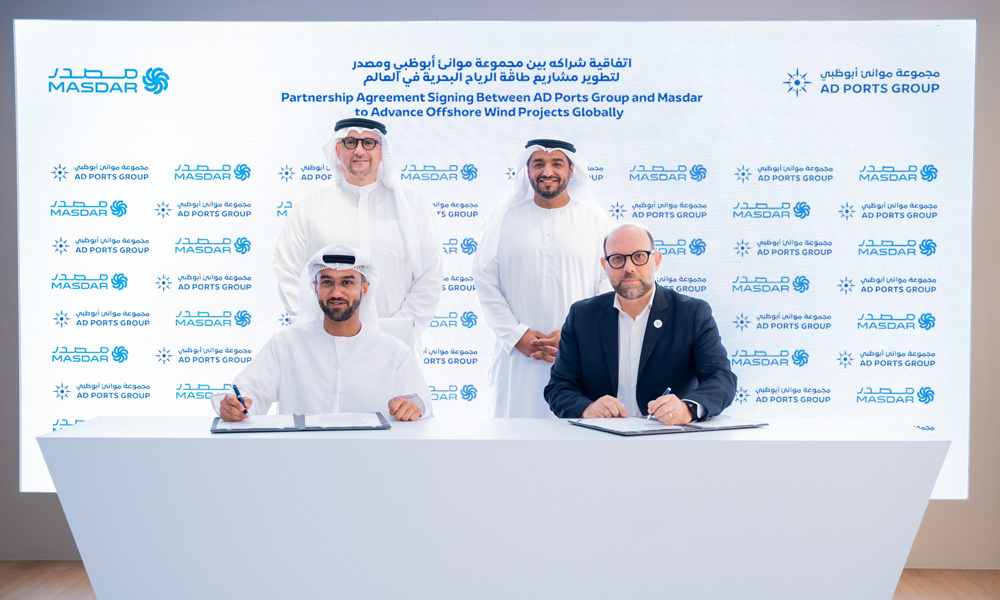
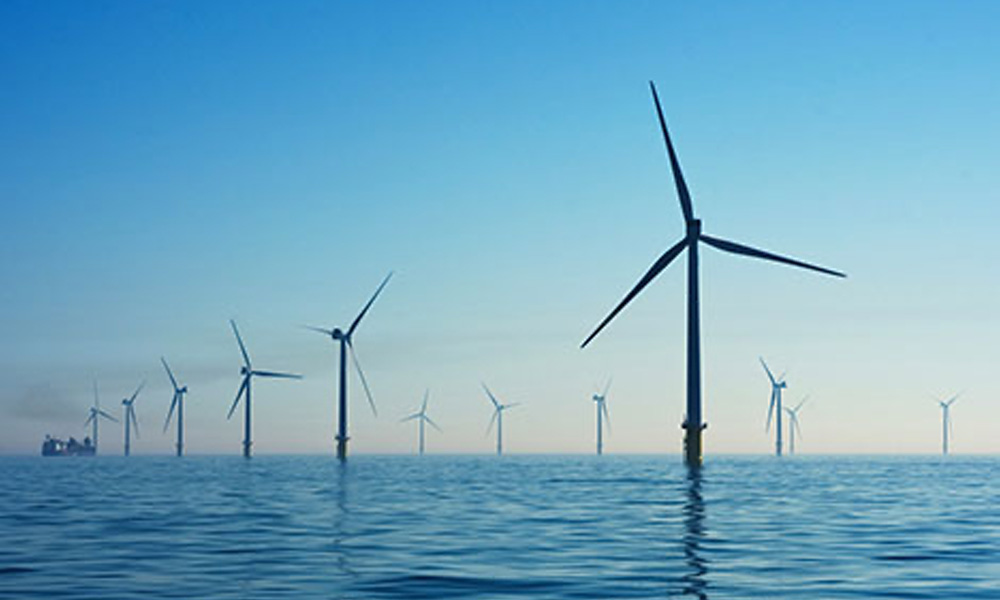
AD Ports Group and Masdar have inked a Partnership Agreement to collaborate on the development and delivery of offshore wind projects.
Under this agreement, the companies will identify areas where AD Ports Group can serve as a crucial partner and contractor for Masdar’s global offshore wind initiatives. Together, they will establish technical requirements for Masdar projects and determine where AD Ports Group can leverage its extensive technical and logistical capabilities.
These capabilities include the provision and fabrication of substations, onshore and offshore logistics solutions, subsea services, and maintenance and operations support. They aim to effectively meet project needs and achieve cost efficiencies.
Ammar Al Shaiba, CEO, Maritime & Shipping Cluster, AD Ports Group said, “Utilising AD Ports Group’s integrated maritime and logistics capabilities, and years of experience in complex projects, we are uniquely positioned to deliver the technical solutions and operational excellence required for Masdar’s large-scale offshore wind projects. Leveraging our combined strengths, we have an opportunity to accelerate the deployment of sustainable, innovative, and technologically advanced offshore wind solutions.”
Mohamed Jameel Al Ramahi, Chief Executive Officer of Masdar added, “Masdar is a global leader in offshore wind, and we are committed to driving development in a sector that is critical to clean energy transformation. Through partnerships like this agreement with AD Ports Group, we can expand our reach and deliver impact at greater scale, helping countries around the world to achieve their clean energy objectives. We look forward to working closely with AD Ports Group to leverage our combined expertise and experience to help meet growing clean energy needs.”
Offshore wind is said to be a vital pillar of the global energy transformation, with turbines located in the ocean able to harness stronger and more consistent winds to deliver reliable high energy yields. Masdar has developed and is operating several landmark offshore wind projects in Europe, including the 476-megawatt (MW) Baltic Eagle project in Germany and the 1.4-gigawatt (GW) East Anglia THREE project in the UK, demonstrating the viability and scalability of this technology.
The collaboration between AD Ports Group and Masdar is aligned with the UAE’s national vision for economic diversification and sustainable development. By harnessing advanced maritime infrastructure, integrated logistics networks, and technical expertise, the partnership aims to set a new benchmark for offshore wind deployment.
The post AD Ports Group and Masdar partner to advance offshore wind projects appeared first on Middle East Construction News.
Source: ME Construction News
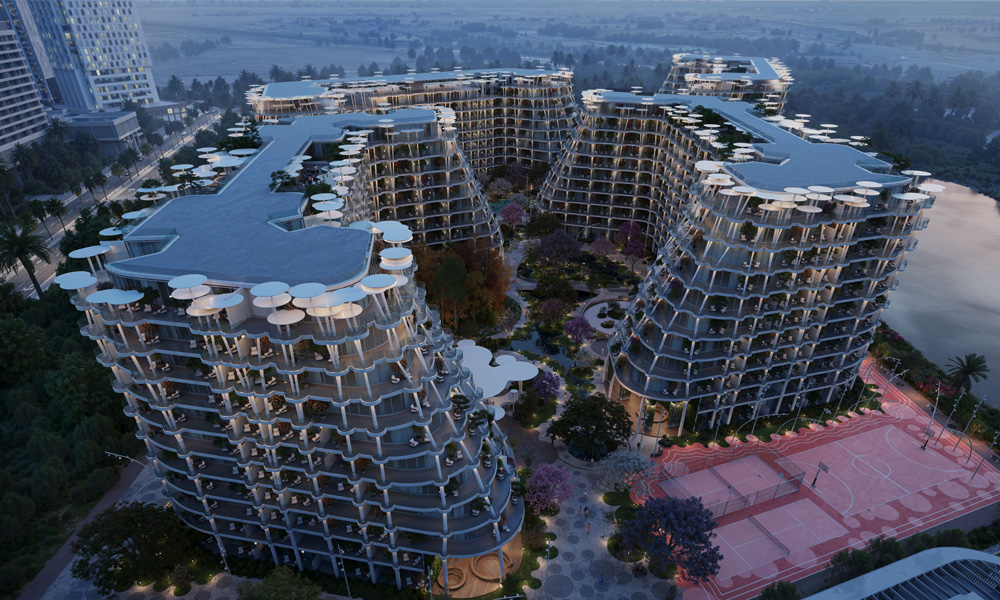
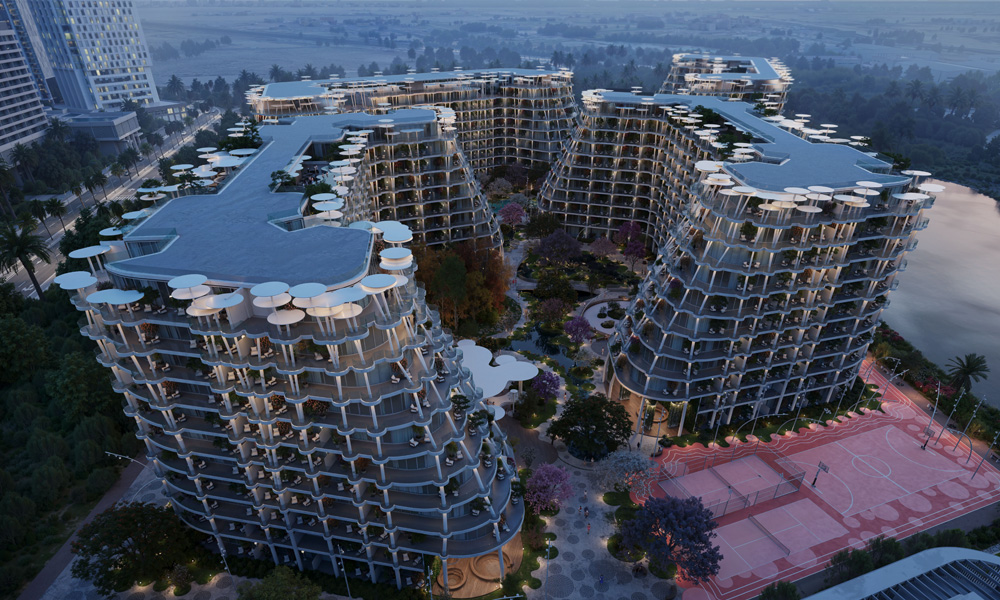
HRE Development has unveiled Sakura Gardens, which is billed as a resort-style community nestled in Dubai’s Falcon City of Wonders. Inspired by the beauty of Sakura, or cherry blossom, Sakura Gardens embodies harmony, connection, and balance. Designed as a living sanctuary, it features lush gardens, courtyards, and community spaces, the developer said.
Sakura Gardens is guided by six pillars, Wellness Sanctuary, Fitness & Active Living, Social & Creative Spaces, Resort & Leisure Experiences, Nature & Outdoor Escapes, and Smart & Sustainable Comfort. These pillars collectively redefine modern living in Dubai, it added.
“Sakura Gardens rewards balance while providing an investment opportunity in Dubai’s new lifestyle belt,” said Wissam Breidy, CEO of HRE Development. “Here, peace does not mean isolation; it means being close to the city while nurturing a connection to oneself.”
The low-rise, nature-centric community will cater to the growing demand for alternative living options. As families and professionals increasingly seek spacious and green environments, the demand for such communities continues to rise, the firm explained.
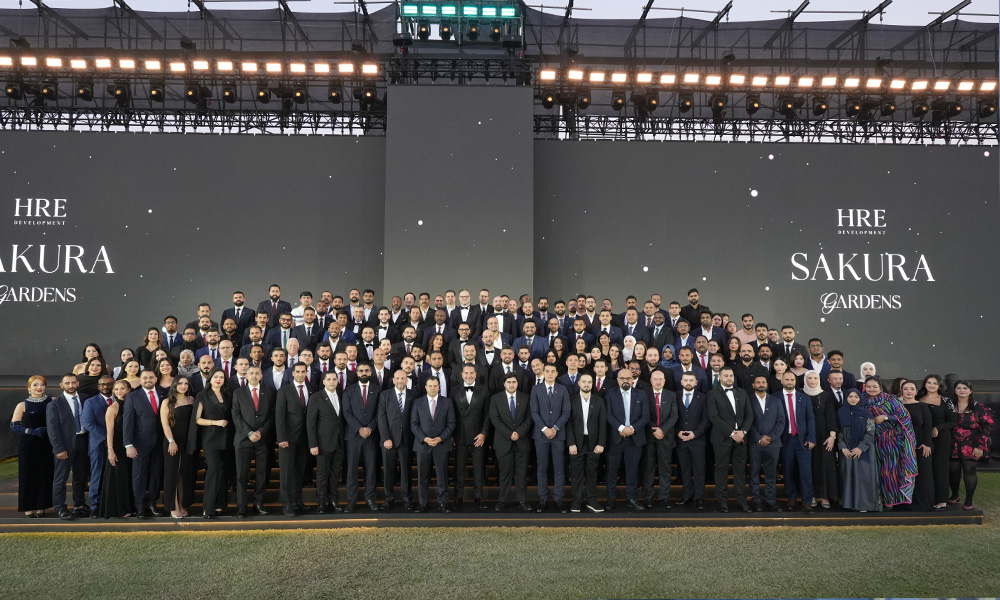
“At the heart of every great place are the people who bring it to life,” said Dr. Hassan Hijazi, VP of HRE Development. “Sakura Gardens is a reflection of thoughtful planning and genuine connection, designed to create a community that truly feels like home.”
Sakura Gardens, spanning 49,000sqm of land, boasts 127,500sqm of living space blending contemporary architecture with a lush, car-free central park, creating an environment that prioritises well-being, community, and aesthetics.
The project caters to a diverse range of lifestyles and family needs with a variety of property types, including studio, one-, two-, and three-bedroom apartments, as well as townhomes. The community will offer a lifestyle characterised by a relaxed pace.
The post HRE Development unveils Sakura Gardens appeared first on Middle East Construction News.
Source: ME Construction News
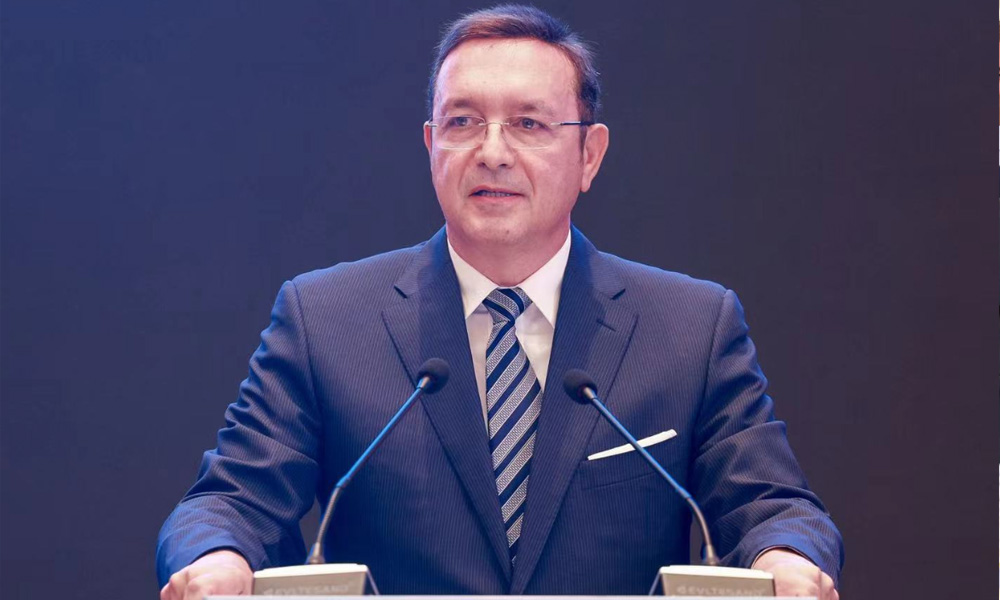
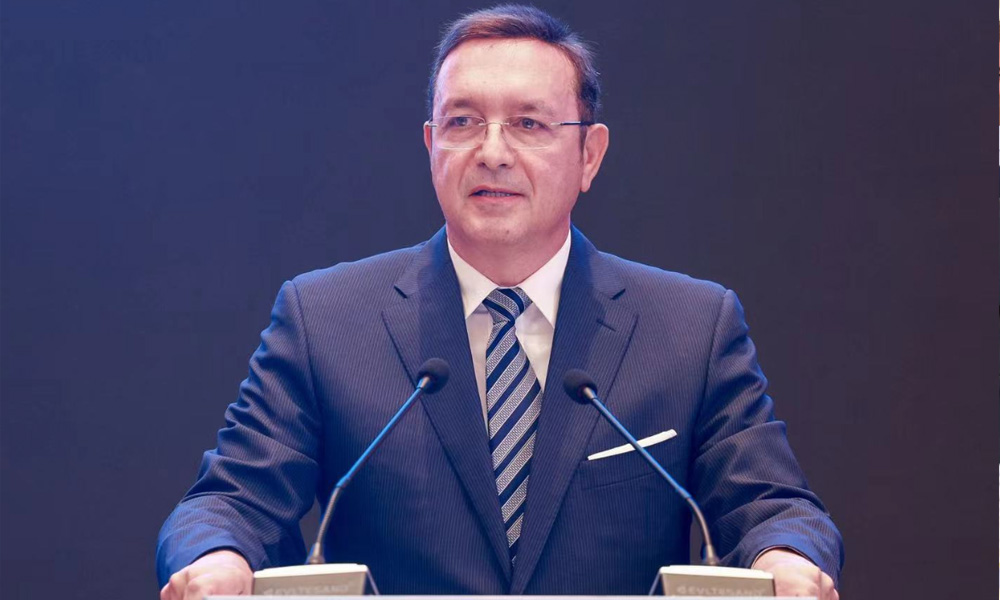
At the European Cement Decarbonisation Summit 2025 in Frankfurt, the World Cement Association (WCA) unveiled its vision for sustainable industry transformation. They also warned that cement prices could triple or quadruple under current European policies.
Speaking at the two-day conference, Emir Adiguzel, WCA Director, highlighted the key challenges facing the industry, such as rising energy costs, growing global overcapacity, and the effects of carbon pricing, while reaffirming the association’s commitment to representing independent cement producers worldwide.
“Cement prices will triple if not quadruple with these policies in Europe,” Adiguzel warned, highlighting the significant cost burden that decarbonisation measures will place on the construction sector and end consumers. The WCA noted that most carbon-related costs will be passed to consumers, with carbon pricing becoming a “selling imperative” for price increases across the industry.
The WCA’s latest analysis was presented, indicating that the cement sector will require US $200bn in investment by 2050 to fully decarbonise. Between 2019 and 2023, leading global firms reduced carbon intensity from an average of 700kg CO2/t to 640kg CO2/t, demonstrating that progress is achievable with the right support mechanisms.
While acknowledging that carbon capture projects “must continue if applied correctly”, he emphasised that these technologies will have a limited effect on global industry decarbonisation. Adiguzel’s presentation highlighted that current carbon capture technology requires investment exceeding the capital cost of an entire cement plant, with significant development still needed for scalability.
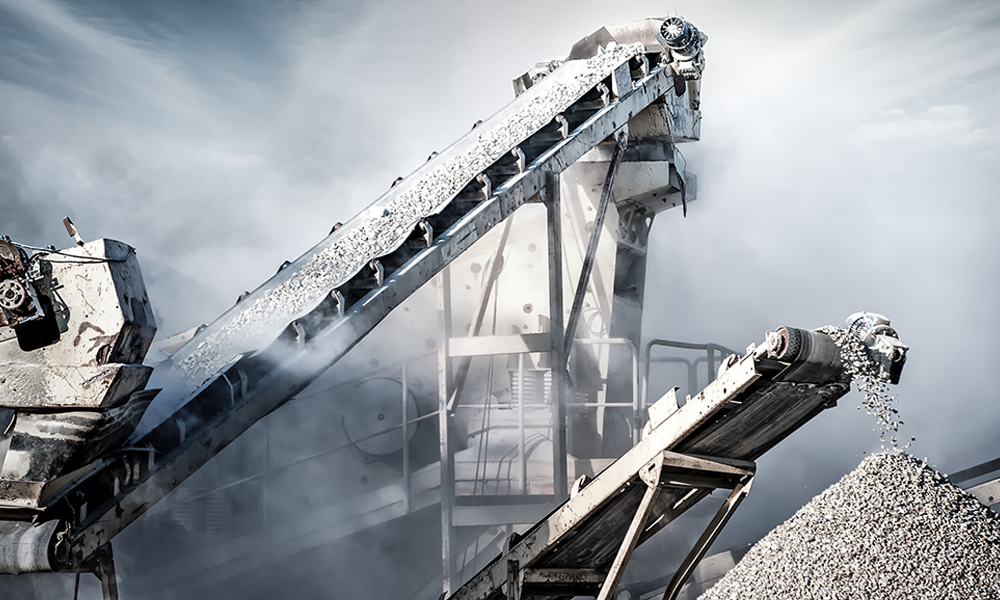
The WCA highlighted four key levers for decarbonisation that remain largely underutilised by the sector, including:
Adiguzel also raised concerns about the effectiveness of the EU’s Carbon Border Adjustment Mechanism (CBAM) in incentivising non-scheme exporters to reduce their carbon footprint, particularly given the expensive investments required. Adiguzel emphasised that the cement industry must engage actively with governments to promote policies that incentivise a healthy transition to a low-carbon, low-clinker future.
“Cement is an irreplaceable material, vital for the infrastructure that underpins a green economy. This journey will require more than just plans, it demands collaborative action across the entire value chain,” Adiguzel concluded.
The post WCA warns European policies could triple cement prices appeared first on Middle East Construction News.
Source: ME Construction News
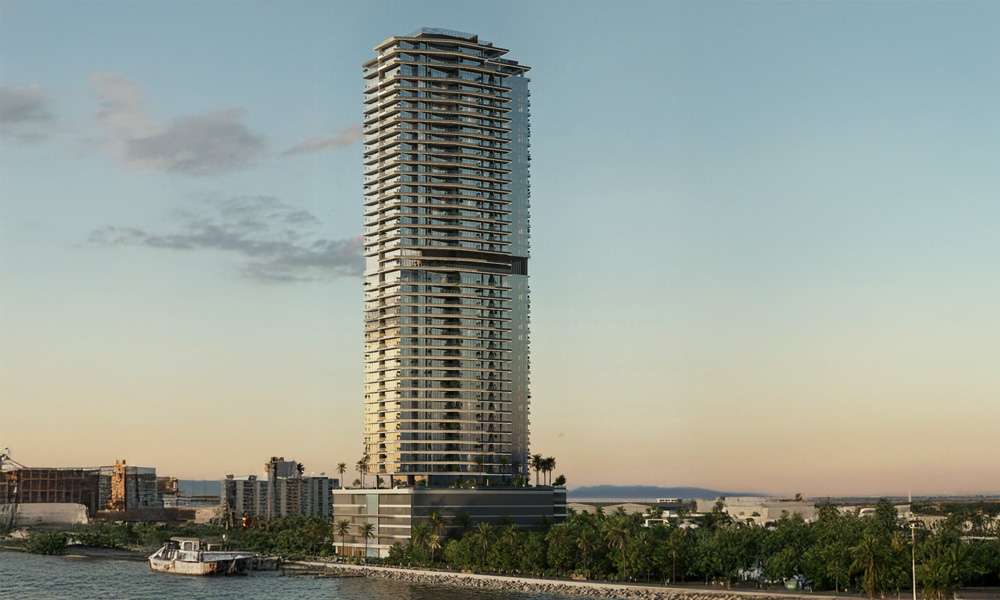
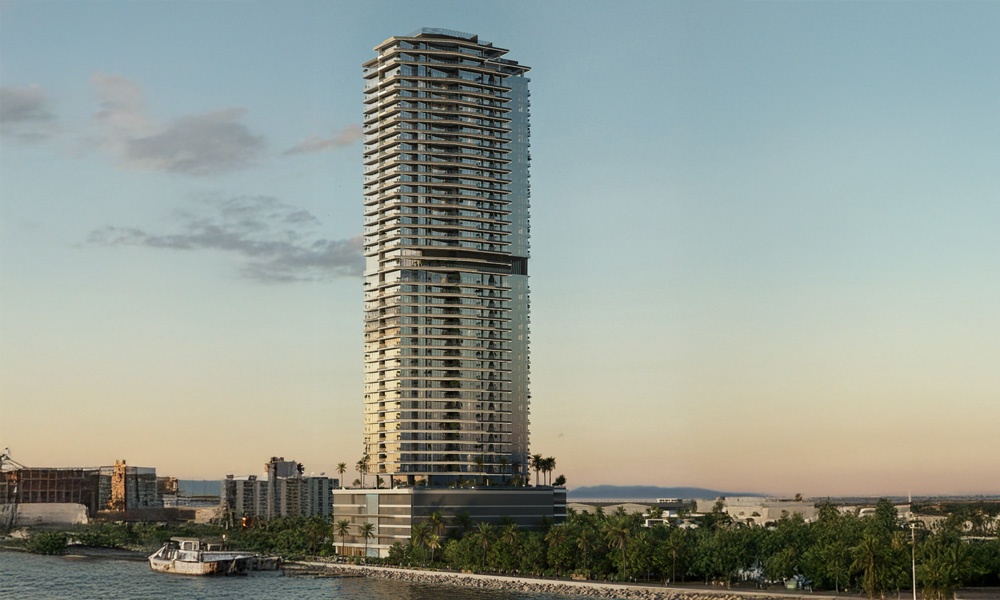
KORA Properties, the real estate development arm of APPCORP Holding, has unveiled IL VENTO, which aims to redefine luxury apartment living in Dubai Maritime City. This new waterfront community is poised to become a hub of cruise and leisure tourism in Dubai, said a statement from the firm.
IL VENTO, meaning The Wind in Italian, is said to embody the fluid grace and free spirit of waterfront living. The tower will exude elegance and sophistication, offering residents a waterfront lifestyle just minutes away from Dubai’s landmarks.
Homes at IL VENTO offer over 40 facilities and amenities, making it a lifestyle destination. Residents can enjoy a sky pool, indoor and outdoor swimming pools, a family entertainment and events hall, a kids’ play area, a gym, a yoga area, and more, the developer said.
IL VENTO, will feature 40 storey and 330 apartments. These include 182 one-bedroom apartments, 93 two-bedroom apartments, 51 three-bedroom apartments, and four penthouses. Each penthouse features three-bedrooms and additional amenities, such as a private swimming pool.
The central location and amenities of IL VENTO are expected to enhance its return on investment. Investors can anticipate an investment opportunity, with a projected price appreciation of six to 10 percent within the next decade, making IL VENTO a key asset in Dubai Maritime City, the statement explained.
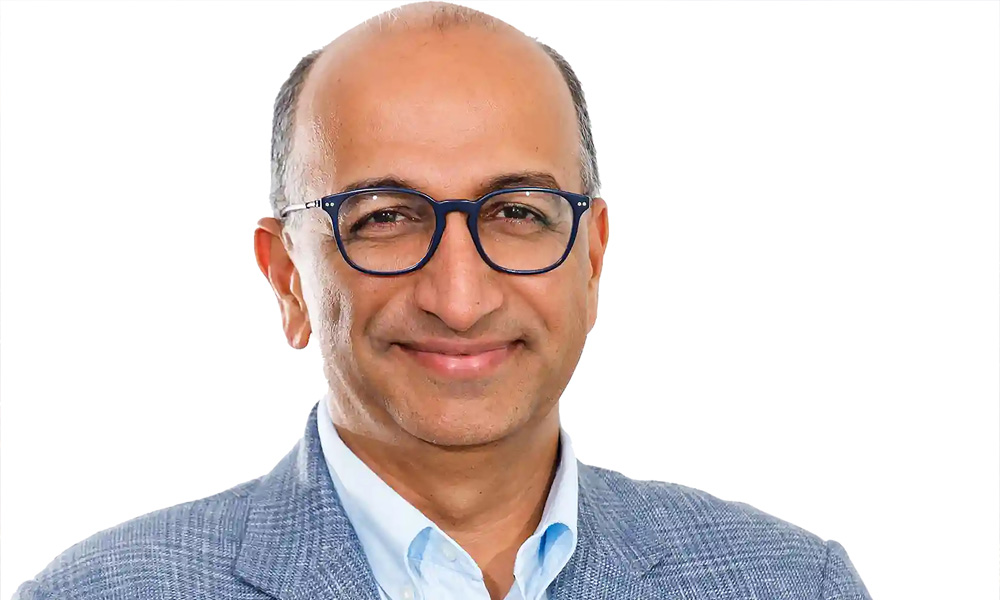
Nilesh Ved, Chairman of APPCORP Holding, Owner of Apparel Group and Chairman of KORA Properties said, “At KORA Properties, our vision is simple to create spaces that inspire living. IL VENTO brings together artistry, architecture, and aspiration to redefine what timeless living feels like. Inspired by the spirit of the wind and the calm of the sea, it captures the essence of Dubai dynamic, elegant, and full of life.”
He added, “With KORA, we’re extending APPCORP’s legacy of innovation and trust into the world of real estate. We’re not just building developments; we’re creating destinations that enrich lives, nurture communities, and shape the future of how people live, connect, and belong in this remarkable city.”
IL VENTO will offer a blend of design, comfort, and exclusivity. Each residence boasts panoramic views of the sea and Dubai skyline, floor-to-ceiling glass façades and open layouts that flood the interior with natural light.
The project is said to embody the company’s vision to redefine modern living, harmonising luxury, sustainability, and craftsmanship.
The post KORA Properties unveils IL VENTO Tower in Dubai Maritime City appeared first on Middle East Construction News.
Source: ME Construction News
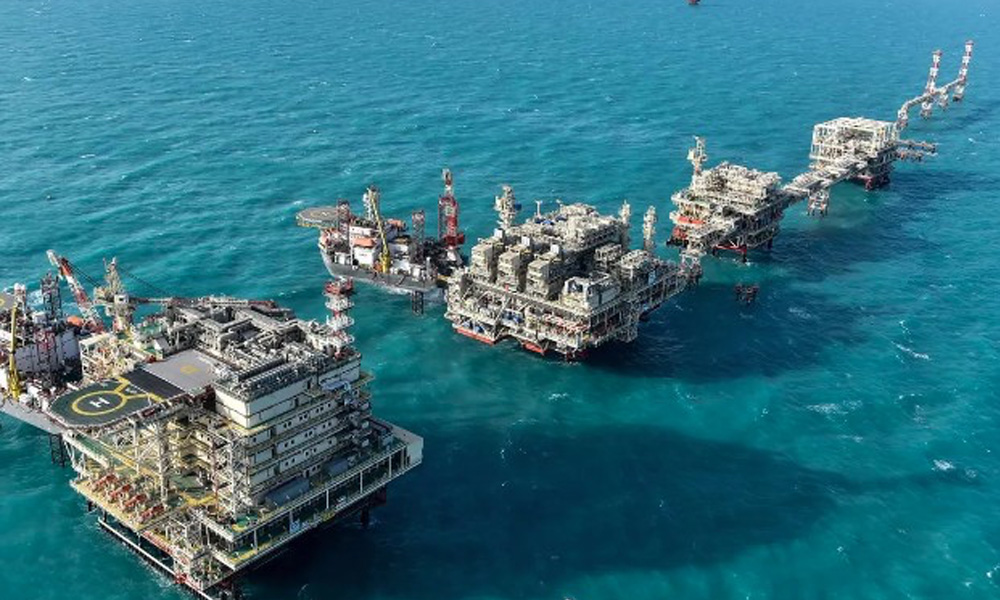
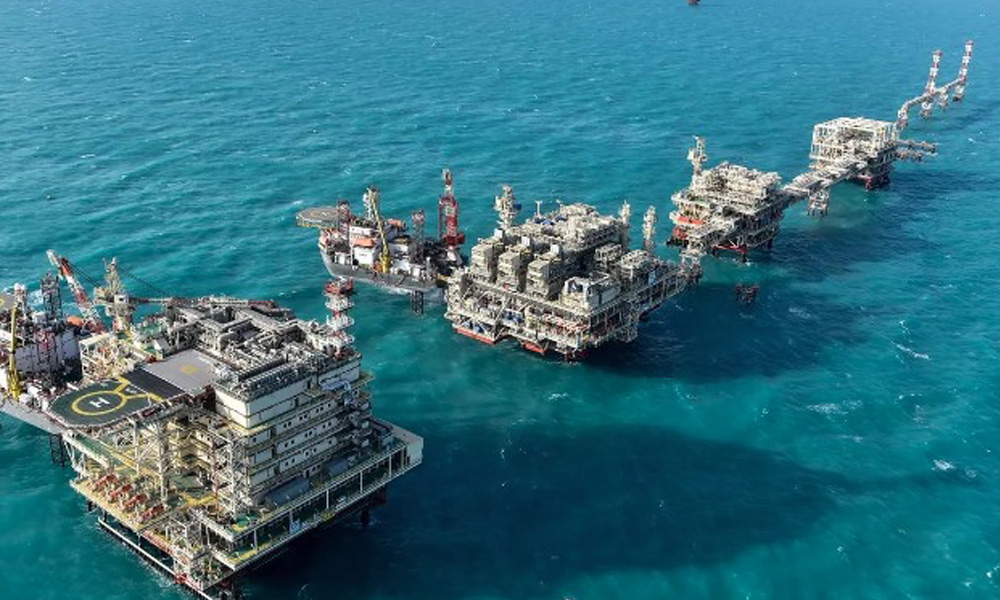
NMDC Energy has entered into a strategic Memorandum of Understanding (MoU) with Baker Hughes, a global energy technology company based in the United States. This collaborative effort aims to explore opportunities that would enhance the localisation of Baker Hughes’ key products and solutions in Saudi Arabia.
By serving energy markets across the Middle East, North Africa, Turkey, and India (MENATI), the collaboration seeks to capitalise on the growing demand for energy services in the region, said a statement.
NMDC Energy will leverage its facilities, particularly its yards capabilities in Saudi Arabia, to focus on offshore products and associated services. This collaboration will enable the company to serve the dynamic offshore market effectively.
Notably, they will undertake an Emergency Pipeline Repair System (EPRS) project and establish a logistics base that provides solutions for offshore flexible pipeline systems. These solutions will cater to the KSA and the wider MENATI markets. It is important to note that this collaboration is separate from an MoU that NMDC Energy previously signed with Baker Hughes, which pertains to gas technology products.
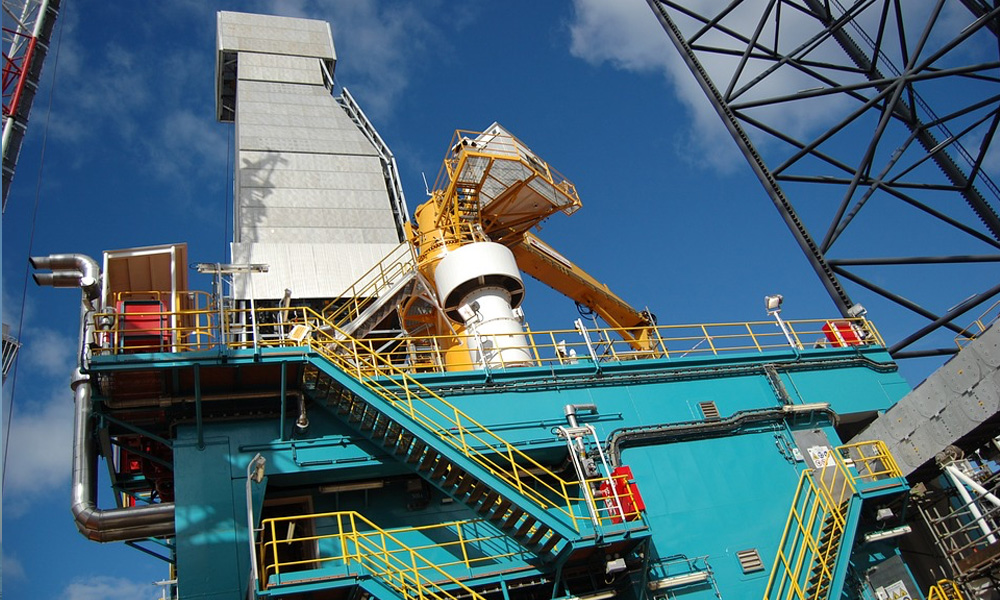
NMDC Energy has actively engaged in collaborations with various international, regional, and UAE players during the recent ADIPEC conference in Abu Dhabi. These collaborations are part of NMDC Energy’s strategic efforts to expand its EPC services and meet the demands of the energy sector in the region.
Eng. Ahmed Al Dhaheri, Chief Executive Officer of NMDC Energy said, “NMDC Energy’s fabrication capabilities have drawn global players, particularly leading entities such as Baker Hughes, who share our vision of finding synergies that meet the evolving energy sector demands in the Kingdom and the wider MENATI region. As a strategic enabler of Saudi Arabia’s energy sector through global partnerships, NMDC Energy is committed to finding new pathways towards increased localization in the Kingdom, supporting economic growth, job creation, and diversification.”
NMDC Energy recently inaugurated its fabrication facilities in Ras Al Khair, Saudi Arabia, within the Ras Al-Khair Special Economic Zone. This 400,000sqm fabrication yard is designed to cater to both offshore and onshore projects, with an annual production capacity of 40,000t. Equipped with automation and digital systems, the facility offers comprehensive services, including full-spectrum fabrication, rigging, maintenance, and modularisation, for complex energy infrastructure.
The post NMDC Energy and Baker Hughes partner to localise offshore solutions in Saudi Arabia appeared first on Middle East Construction News.
Source: ME Construction News