madina-gate-1.jpg

January 13, 2025 foasummit0

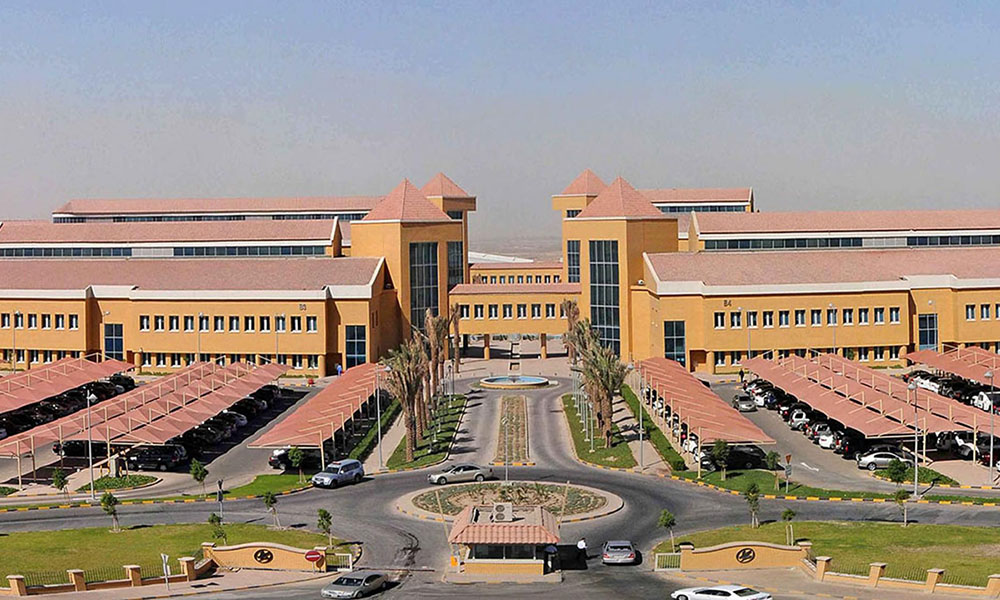
Saudi Arabia has launched the first phase of Madinah Gate, a key development within Knowledge Economic City (KEC), being set up on the concept of Transport-Oriented Development (TOD).

A premium project, Madinah Gate will feature more than 22,000sqm of rental space, as well as a 4-star hotel with 325 rooms. The project will also have a major area set aside as a logistics hub, along with a direct connection to the Haramain High-Speed Railway, which links Madinah with Makkah.

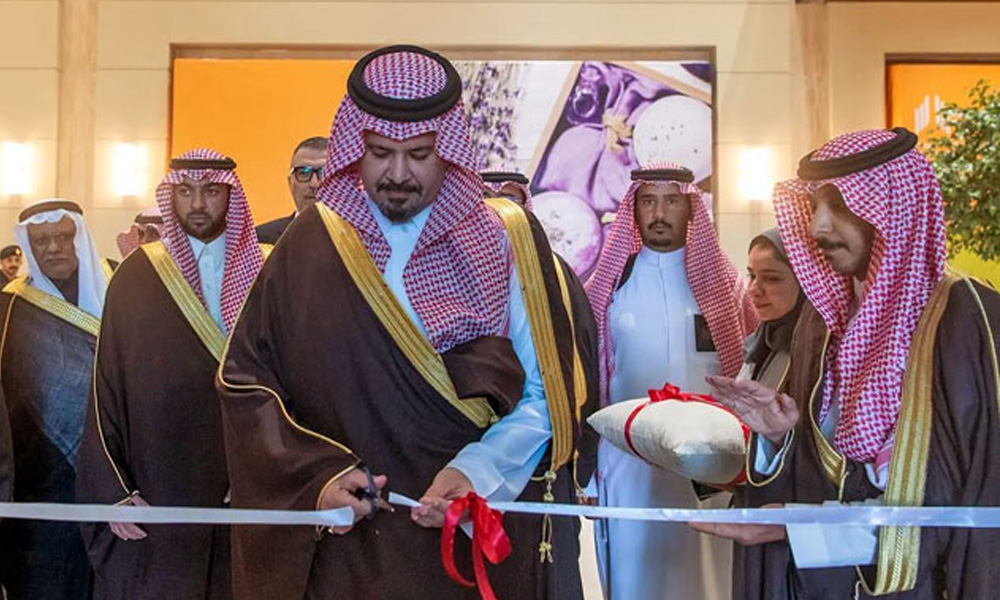
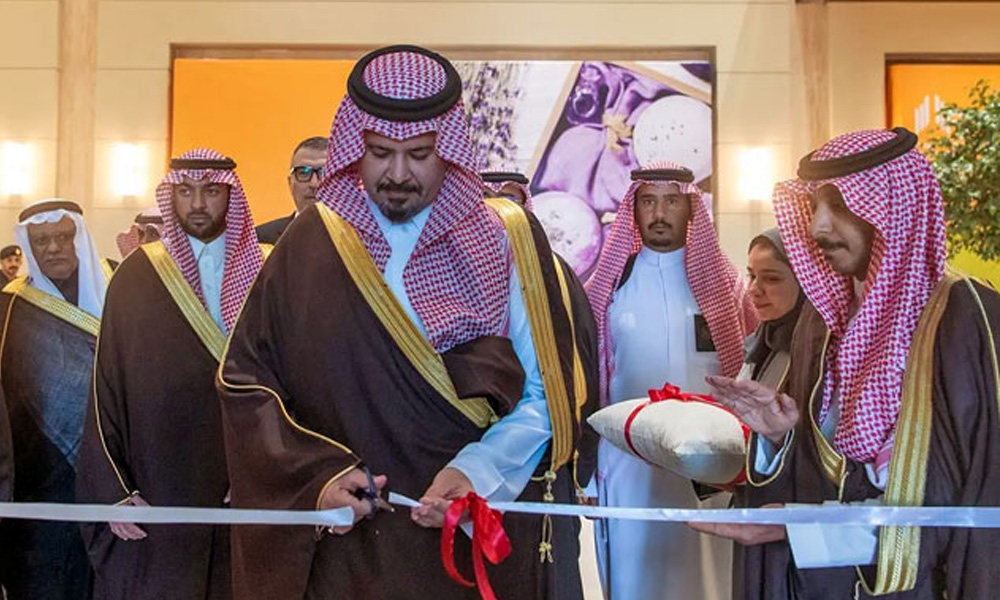
Madinah Gate – the first two phases of which will span 37,000sqm – is being developed as a collaboration between Saudi Arabia Railways and developer Knowledge Economic City Company, with support from the city’s authorities. Phase One is estimated to have investments worth US $160mn, and was inaugurated by Emir of Madinah, Prince Salman bin Sultan.

The opening ceremony included a video presentation about the Madinah Gate project and its three main components – Hotel Double Tree by Hilton, with a total of 325 hotel rooms, a retail zone with 80 stores, 44 restaurants and entertainment facilities, and a modern bus station with a capacity of up to 780 passengers per hour.

Amin Shaker, Chairman of the Board of Directors, KEC, explained that the launch of the Madinah Gate project was an important moment that embodies the company’s commitment to achieving the goals of Vision 2030 by providing sustainable and advanced urban solutions. “This project is a real estate development with a strategic step aimed at enhancing the status of Madinah as a global destination for visitors, through an integrated infrastructure that contributes to raising the quality of life,” he said.

The Madinah Gate project is the result of cooperation between Saudi Railway Company (SAR) and Knowledge Economic City, with the support of the region’s emirate, Madinah Development Authority, and the Madinah Mayoralty. It is under the direct supervision of the Economic Cities Special Zones Authority.

The post Madinah Gate to have express link with Makkah appeared first on Middle East Construction News.


Source: ME Construction News


Woodland-Residence-1.jpg

January 9, 2025 foasummit0

AMIS Development has announced a milestone for The Woodland Residences, its luxury real estate project in Dubai. The enabling works are now 100% complete, the developer stated.

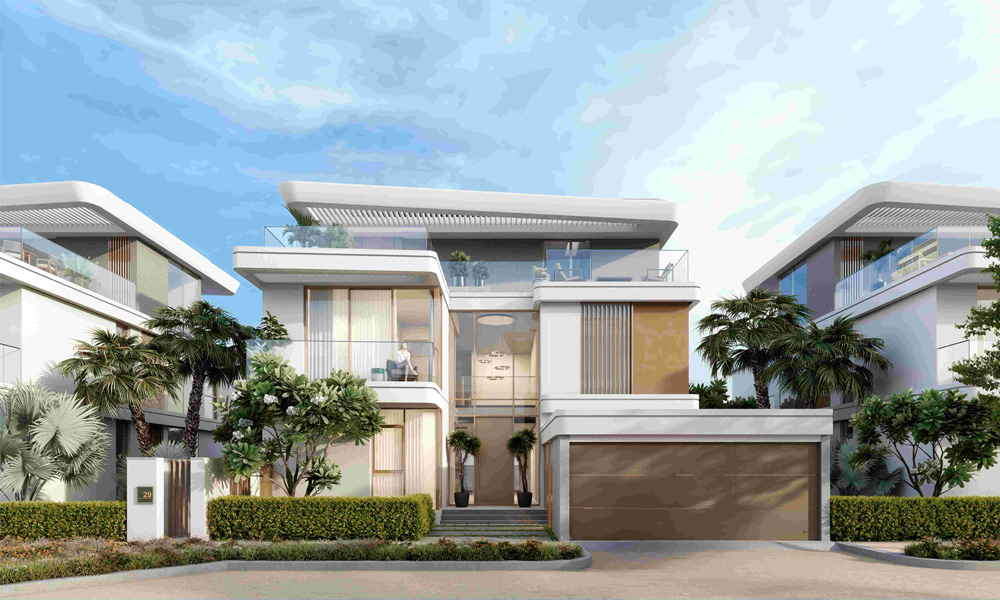
Located in District 11 of Meydan, the project was launched in January 2024 with a sellable area of 220,000sqft. The developer said the project aims to redefine residences by integrating design with functionality.

AMIS partnered with Laminam to incorporate Automobili Lamborghini-branded surfaces in every villa of the project. This collaboration is said to highlight the developer’s commitment to push the boundaries of design and innovation.

Last year, AMIS awarded the project’s main construction contract to Dar Al Aayan Contracting.

Neeraj Mishra, Founder & CEO of AMIS Development said, “The Woodland Residences is a testament to the extraordinary demand for thoughtfully crafted luxury homes in Dubai. The construction milestone marks an important step forward as we bring to life a community that promises an unmatched living experience. AMIS remains committed to redefining urban living with iconic projects that push the boundaries of innovation and excellence.”

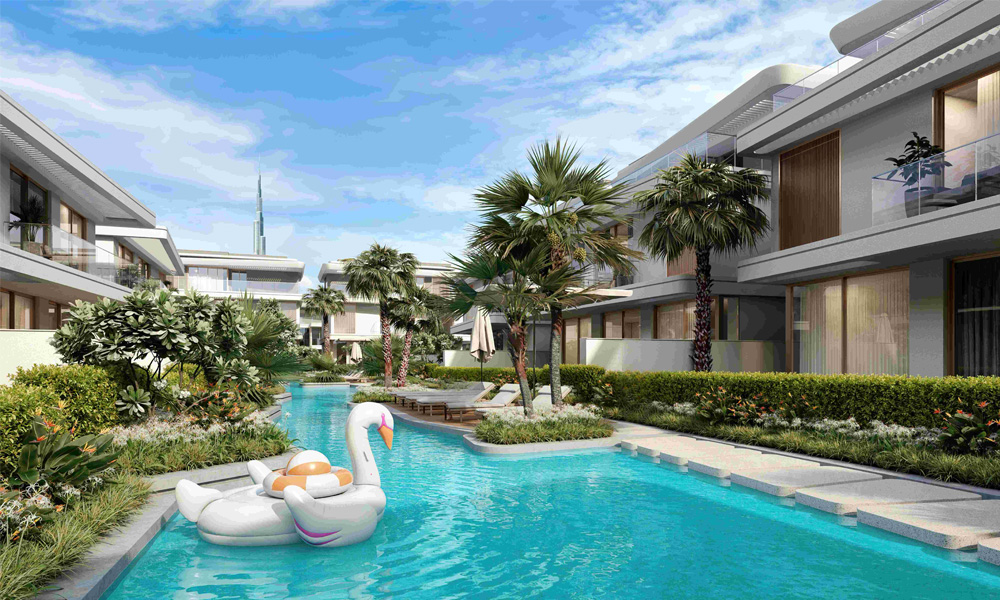
Nestled 12 minutes from Downtown Dubai, The Woodland Residences combines urban convenience with serene exclusivity. Each villa is equipped with a private pool and elevator, ensuring residents experience the comfort and convenience. The development also features terraces with views of Burj Khalifa and Dubai’s skyline.The project features a 100m swimmable lagoon, reserved exclusively for residents. Residents will also enjoy access to a clubhouse, a community centre, international schools, shopping centers, and sports facilities.

In November 2024, First APAC Fund VCC, Singaporean investment fund, signed a Memorandum of Understanding (MOU) to invest US $1.35bn in AMIS Development.

The post Enabling works fully complete at The Woodland Residences in Meydan appeared first on Middle East Construction News.


Source: ME Construction News


Yassen-1.jpg

January 9, 2025 foasummit0

In H1 2016 Saudi Arabia’s Crown Prince Mohammed bin Salman announced the Saudi Vision 2030 (Vision 2030) program, an ambitious blueprint that aims to diversify Saudi Arabia’s economy, empower citizens, create a vibrant environment for both local and international investors, and establish the Kingdom as a global leader.

To ensure that the strategic goals and targets of Vision 2030 are achieved, thirteen programs called Vision Realisation Programs (VRPs) were established. These were presented by the Council of Economic and Development Affairs (CEDA) and include: a Quality of Life Program; Financial Sector Development Program; Housing Program; Fiscal Balance Program; National Transformation Program; Public Investment Fund Program; Privatisation Program; National Companies Promotion Program; National Industrial Development and Logistics Program; Strategic Partnerships Program; Hajj and Umrah Program; Human Capital Development Program and Saudi Character Enrichment Program.

In August 2020, ROSHN, a multi-asset class real estate developer and Public Investment Fund (PIF) company, was formed to serve as a key enabler of Vision 2030, through its active participation in the Housing Program, the Quality-of-Life Program, and the Public Investment Fund Program.

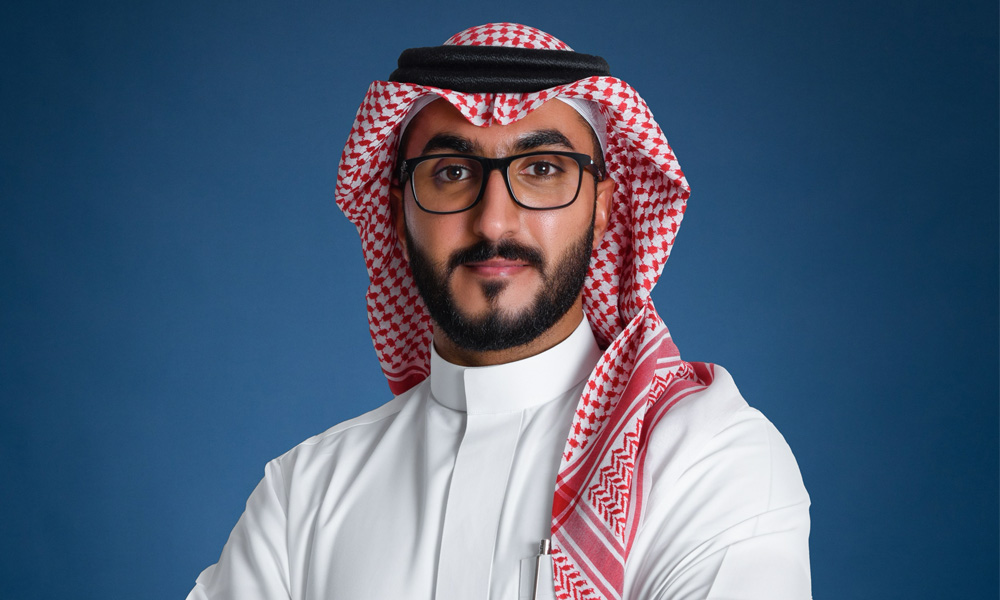
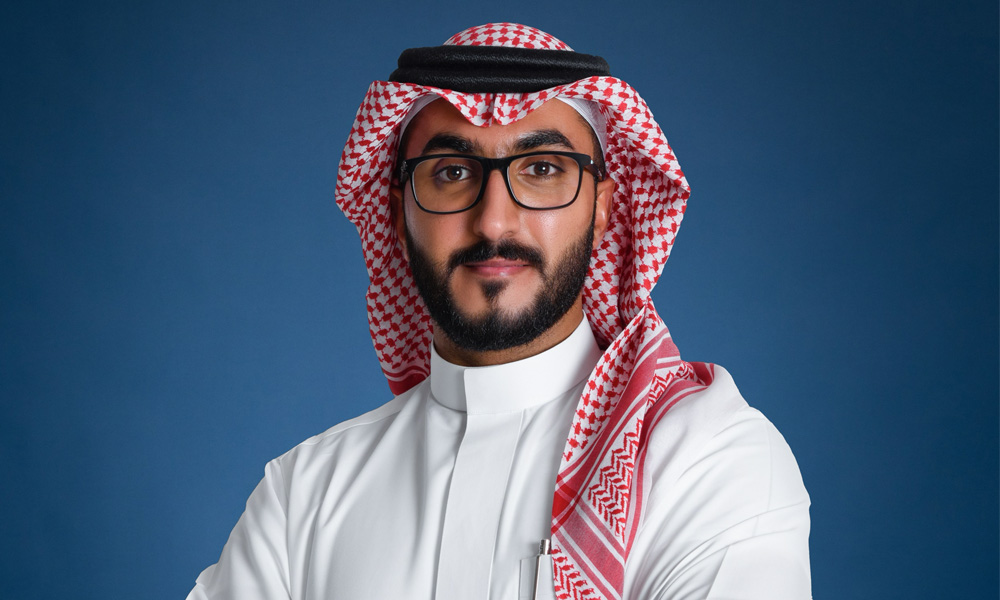
“ROSHN was founded to raise the bar and spearhead the development sector in the Kingdom. One of our key milestones since our founding is the completion of SEDRA Phase 1 two years ahead of schedule in 2022, delivering over 6,000 units,” says Yassen Kattan, Head of Strategy & Corporate Affairs at ROSHN.

“This achievement can be attributed to our use of many innovative technologies such as, GIS, Building Information Modeling (BIM), which optimises project timelines and minimises costs,” he notes.

More recently, the developer has expanded its project portfolio significantly and is currently developing: SEDRA and WAREFA in Riyadh; MARAFY and ALAROUS in Jeddah; ALMANAR in Makkah; ALDANAH in Dhahran, and two football stadiums: ROSHN Stadium in Riyadh and Aramco Stadium in Khobar.
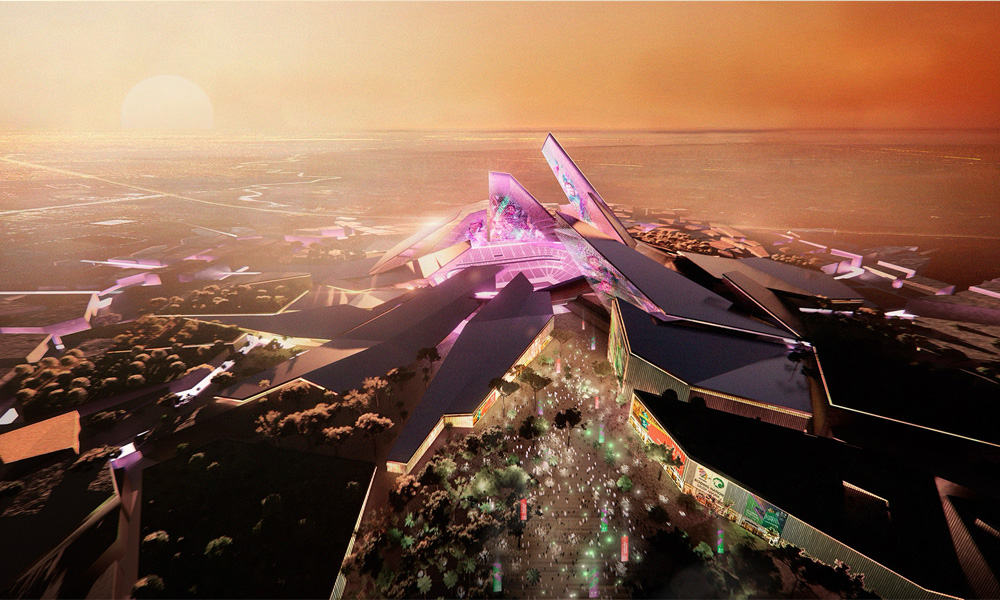
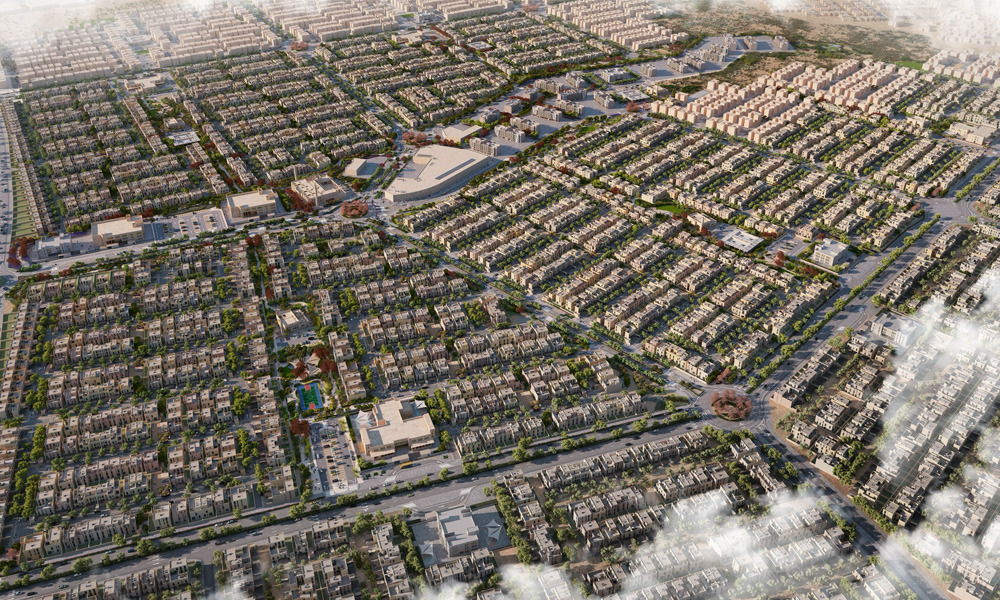
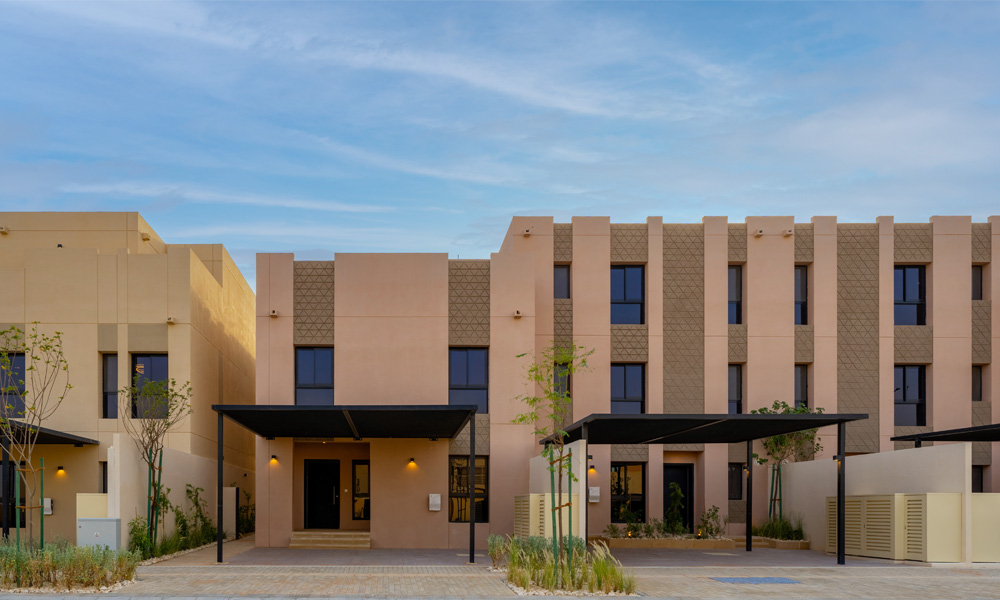
In terms of construction progress on SEDRA, Kattan states that four phases have been launched, with the total plan encompassing eight phases. “Phase 1A was completed in November 2022, two years ahead of schedule, while Phase 2, spanning a 3.6km site, will include 6,500 homes and is already sold out and close to completion.”

“Phase 3 will add over 3,000 residential units, accommodating more than 20,000 residents and is also already sold out. In August 2024 we began sales for Phase 4, with 1,251 homes put onto the market. We have already begun infrastructure works on site. All phases will include public & private schools, primary healthcare centers, mosques, district malls/retail, commercial mixed-use areas, and recreational facilities,” he notes.

Infrastructure work is progressing on WAREFA, which will feature 2,300 villas, townhouses, and duplexes and will be home to over 13,000 people. “WAREFA has earned the Mostadam Diamond certification, the highest recognition for sustainability in Saudi Arabia,” Kattan states.

On the ALAROUS project, Kattan explains that Phase 1 has been launched and infrastructure is over 75% complete. “We are on track to start handover to the residents by H2 2025. We will soon announce progress on ALDANAH and ALMANAR, in Dammam and Makkah respectively, with our groundbreaking on ALMANAR set to happen before the end of the year,” he notes.

Staying on track

To ensure it continues to deliver projects on schedule, the developer is leveraging a number of delivery methods. “Modular construction is one area which we are investing in, as we believe it has the potential to help us meet our target of building 400,000 homes efficiently and at a high level of quality,” Kattan points out.

Asked about construction and supply chain challenges the company has faced in the last 12 months, and how it has dealt with those issues, Kattan responds, “It’s not a secret that we are all looking to deal with a national scope that is unprecedented in its scale and vision. Only in September this year, Bloomberg estimated that Saudi Arabia’s Vision 2030 projects have reached US $1.3tn in value. What we are mindful of is working in step with our contractors and suppliers to ensure that they are aware of our scopes and timelines to ensure supply chain security. The earlier we engage with our suppliers, the better the ability they have to be able to deliver on time.”
Discussing how ROSHN is working to build and stabilise its supply chain to ensure its projects remain on track, Kattan explains, “First, we’ve built up our relations with our supply chain. We launched our first supply chain forum in January of this year, which was attended by hundreds of our partners, and we held our second at Cityscape in November. Having a clear idea of what we want to do and engaging our partners, be it construction companies, technology providers, or suppliers is key to our shared success.”

“Second, we are looking at technology to optimise how we build. An example of this is how we use precast construction in conjunction with BIM to improve efficiency and sustainability in our projects. Another example is how we use digital twin technology to simulate and analyse interactions between various project elements, enabling better planning and decision-making. This can lead to more efficient resource allocation and potentially mitigate the impact of supply chain disruptions.”

He adds, “These investments in materials, strategic partnerships, and technology contribute significantly to building a more robust and stable supply chain for ROSHN. By improving efficiency, reducing overreliance on manual labor, and strengthening local sourcing, we are well positioned to mitigate potential supply chain risks and maintain the timely delivery of our projects.”

Taking into account the importance of ROSHN’s projects and their sheer scale, it’s vital that ROSHN has up-to-date construction data, which in-turn will enable it to stay ahead of potential issues. As a result, technology plays a key part in bridging communications between the company and its network of consultants, contractors and suppliers.

“ROSHN, as a giga real estate developer, has implemented sophisticated technological solutions to track construction progress, manage issues, and facilitate communication across its vast network of stakeholders.”

The firm has implemented a sophisticated Project Management Information System (PMIS), says Kattan. “ROSHN has adopted PMWeb as its comprehensive web-based PMIS. This platform serves as a centralised, single-source-of-truth for all project-related information, enabling real-time tracking of project progress; risk management; streamlined stakeholder communications, and informed decision-making based on up-to-date data. The PMWeb system allows ROSHN to manage projects throughout their entire lifecycle, from planning and design to execution and closeout,” Kattan says.
In addition, PMWeb has helped ROSHN standardise and streamline its procedures, processes, and templates for each stage gate of project development. This standardisation ensures consistency across all projects and improves overall efficiency, he adds.

The giga developer has also digitalised its workflows, with Kattan explaining, “ROSHN has digitally transformed its RACI (Responsible, Accountable, Consulted, Informed) matrix into the PMWeb system. This digital workflow, combined with electronic approvals, enables ROSHN to effectively manage, track, and control its extensive portfolio.”

The firm relies extensively on advanced business intelligence and reporting; the system provides advanced live dashboards & GeoSpatial reports, which are crucial for management decisions. These tools offer visual representations of project data, making it easier for stakeholders to understand and act on complex information, Kattan states.

“The adoption of PMWeb has enabled ROSHN to implement an agile portfolio management approach. This allows for effective management of multiple projects across various regions of the country while improving team collaboration. By leveraging these technological solutions, ROSHN is able to effectively manage its massive portfolio of projects, ensure quality and sustainability, and maintain clear communication channels with its network of consultants and contractors. This tech-driven approach is crucial for a developer of ROSHN’s scale, especially given its ambitious goals and the complexity of its projects across Saudi Arabia,” he explains.

Sustainability & talent development

Sustainable development is a key component of Vision 2030 and as one of the Kingdom’s key enablers of the Vision 2030 program, ROSHN is committed to employing sustainable development practices across its construction supply chain, through its Sustainable Development Management System (SDMS).

“The SDMS governs all phases of development, ensuring that sustainability principles are integrated from initial design to final construction and beyond. ROSHN’s sustainability strategy focuses on minimising carbon emissions, conserving natural resources, and promoting a circular economy,” Kattan shares.
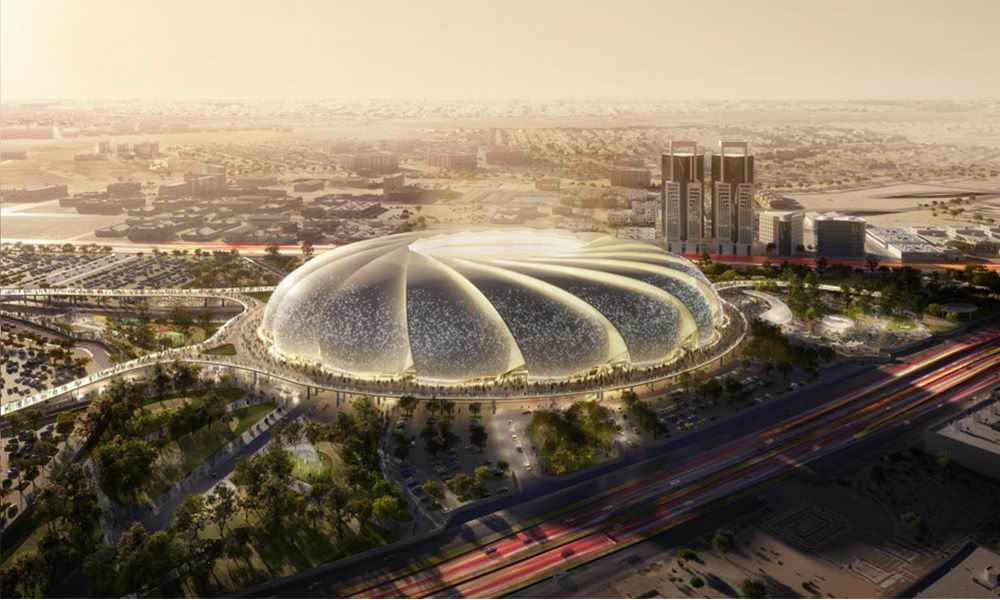
Some of ROSHN’s goals and key achievement in terms of sustainability include:

  • Reduced embodied carbon emissions across all projects. “We are working to reduce embodied carbon emissions across our projects, through the use of cutting-edge materials, such as Glass Fibre-Reinforced Polymer (GFRP) rebars, to achieve this reduction”
  • Diverting construction waste from landfills through recycling and reuse. “ROSHN prioritises sourcing materials locally and reusing construction materials whenever possible to minimise waste”
  • Irrigation of public green spaces with treated sewage effluent (TSE) water. “This practice eliminates reliance on potable water for irrigation across all of its developments”
  • Implementation of a comprehensive waste management strategy. “This strategy includes the usage of segregation at source, to reduce waste to landfill and improve recycling rates”
  • Employing BIM technology. “ROSHN uses BIM across all its projects to enhance planning accuracy and integrate energy-efficient designs from the outset”
  • Mostadam Diamond certification for WAREFA. “The Mostadam certification is a comprehensive and dynamic sustainability rating and certification system tailored to the challenges of sustainable building in Saudi Arabia”

He also points out that, “ROSHN became the first company in the India, Middle East, Turkiye, and Africa (IMETA) region to develop a management system for sustainable development in communities in compliance with ISO 37101. This management system fosters smartness and resilience in communities, while improving their contribution to sustainable development.”

“ROSHN’s commitment to sustainability is evident in its comprehensive approach to reducing environmental impact and promoting sustainable practices throughout its construction supply chain. By setting ambitious goals and implementing innovative initiatives, ROSHN is creating communities that are environmentally responsible and support the well-being of residents.”

With regards to talent development and the transmission of knowledge, ROSHN is committed to its employees. Kattan remarks, “It may sound cliched but our people are our greatest asset. We have a range of programs that we have rolled out for the benefit of our people and their development, including the Himam Graduate Program and the RETURN Program.”

“The Himam Graduate Program is designed to nurture young talent and provide them with the skills and experience needed to excel in their careers at ROSHN and offers mentorship and on-the-job training. The program pairs participants with mentors from ROSHN’s leadership team, offering opportunities for junior employees to learn directly from experienced professionals. This mentorship structure likely facilitates the transfer of knowledge and expertise from senior employees to those newer to the company and industry.”
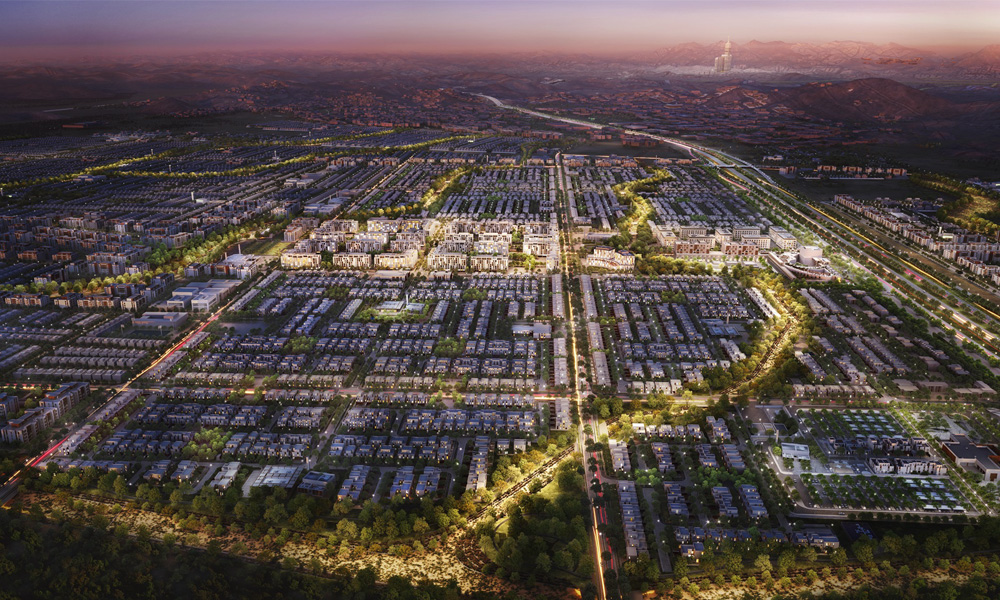
“The Himam program also includes on-the-job training placements within different departments, allowing participants to apply their academic knowledge and learn from experienced colleagues in practical settings,” explains Kattan.

Speaking about the RETURN Program, Kattan highlights, “This program supports women re-entering the workforce after career breaks. While it primarily focuses on empowering women, it also likely facilitates knowledge transfer between experienced employees returning to ROSHN and junior colleagues.”

“The RETURN program includes mentorship opportunities, which provides avenues for knowledge sharing between more senior employees and those returning after career breaks. It also comprises internal training programs – ROSHN conducts internal training programs and workshops where senior employees can share their expertise with junior colleagues.”

“The program also features knowledge sharing platforms. ROSHN uses internal platforms or knowledge management systems to facilitate the sharing of best practices, lessons learned, and other valuable information,” he says.

Expansion into new real estate segments

Since it was founded in late 2020, ROSHN has expanded from community projects into commercial, retail and leisure projects.

Asked about the vision behind the move and how it will affect projects that are currently underway, Kattan replies, “ROSHN’s expansion into mixed-use developments is a strategic move that aligns with its vision of creating integrated, human-centric developments that support Saudi Arabia’s economic diversification, sustainability and quality of life goals. This expansion is transforming ROSHN’s projects into thriving urban centres that offer a diverse range of assets and experiences.”

Discussing whether existing masterplans will be expanded to include commercial, retail and leisure elements, Kattan notes, “We have always designed our masterplans to include amenities such as schools, shops, restaurants, and healthcare facilities. What we want to do is to build destinations that offer anything a resident may need, such as SEDRA which has an array of shopping and commercial facilities next door in ROSHN Front. Given we have a land bank of 200m sqm, we are fortunate to have the space to do this. And our company’s leadership has set out a vision that we are looking to achieve when it comes to building communities that are set to become destinations in their own right.”

The giga developer purchased Riyadh Front at the end of 2022, which marked its shift into the retail and commercial segments. “Since that time, we have grown our footprint in both. Today, ROSHN Front welcomes up to ten million visitors a year. On the project side, MARAFY will offer 11.8m sqm of diverse, vibrant, and integrated districts connected by an 11km canal, the first of its kind in Saudi Arabia. We’ve moved into sports with the announcement of the Saudi Sports for All Federation Dome, a state-of-the-art sports facility that is part of ROSHN’s broader partnership with the Saudi Sports for All Federation.”

“The Saudi Sports for All Federation Dome will provide year-round, all-weather access to a range of sports activities. In July of this year we announced our involvement in two major stadiums, ROSHN Stadium and Aramco Stadium, which are part of the Kingdom’s FIFA 2034 World Cup bid. More is to come,” outlines Kattan.

Pressed about the giga developer’s strategy to ensure that traditionally resource intensive retail and leisure projects would be managed sustainably, Kattan emphasises that the sustainability is a core principal, and thus the developer will focus on minimising resource consumption and environmental impact, while ensuring the maximum level of quality.

“With all of our projects we run the municipal services, allowing us to manage resources. We are also working with vendors to implement smart building technologies, reducing energy and water usage throughout our projects.”

“ROSHN Front is designed to be as efficient as possible in terms of air conditioning, with smaller walkways that are chilled. ROSHN Front is also home to the country’s first fast charging station for electric vehicles. We aim to build for the future with whatever we do, and that includes operational and resource efficiency,” he concludes.

The post Building the Kingdom’s Future appeared first on Middle East Construction News.


Source: ME Construction News


EDGNEX-1.jpg

January 9, 2025 foasummit0

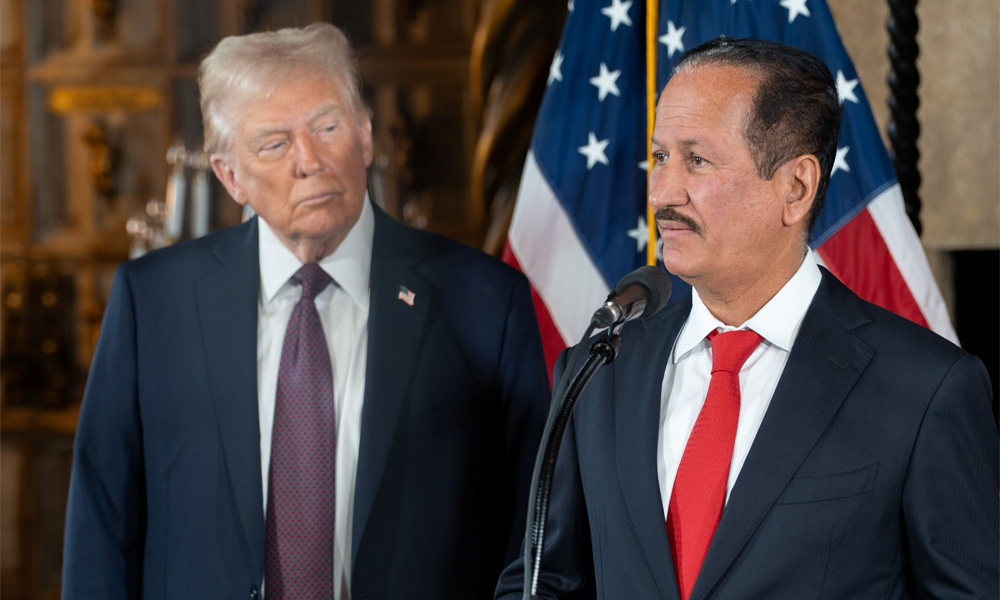
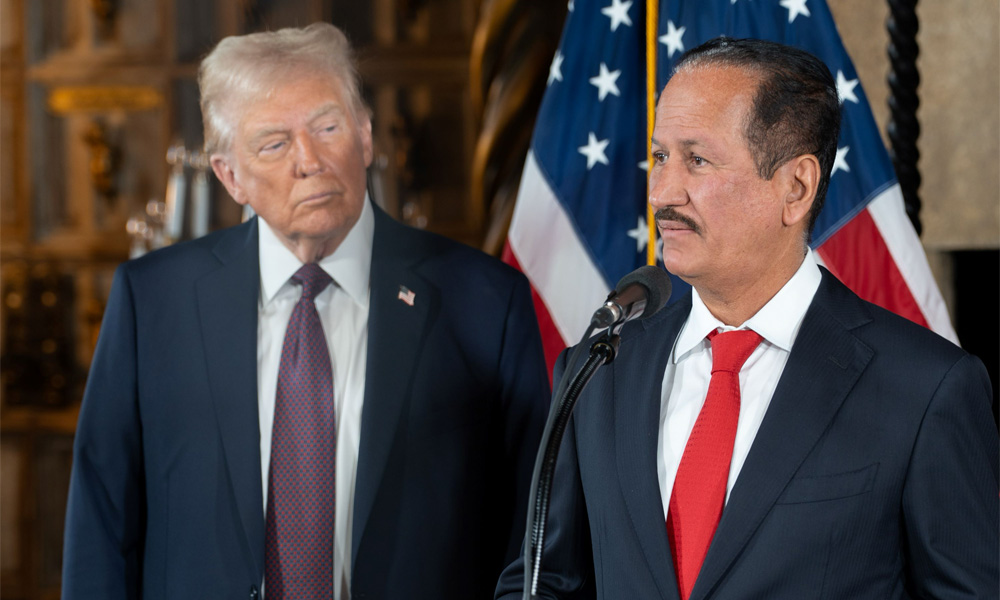
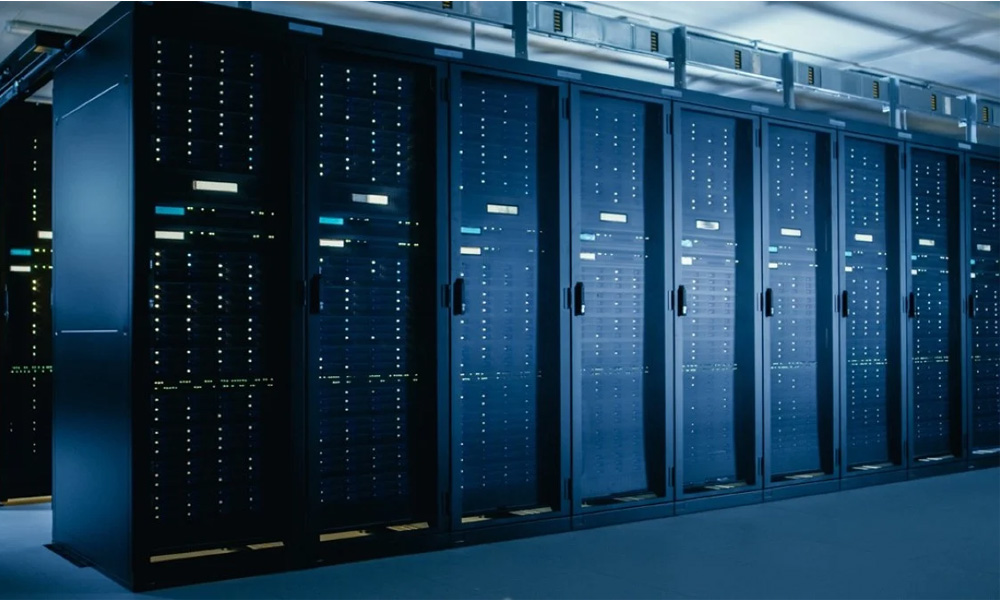
Dubai-headquartered digital infrastructure company EDGNEX Data Centers by DAMAC announced its entry into the data centres market in the United States. The US expansion will deliver data centres targeting a 2000MW capacity over the next four years. EDGNEX announced an initial investment of US $20bn.

The first phase includes capacity build-up through joint ventures with partners, acquiring land banks in conjunction with utilities, and acquiring existing data centers and platforms. It will represent approximately 500MW capacity—one in the Sunbelt and one in the Midwest. This will meet growing current demand as EDGNEX continues to scale.

Hussain Sajwani, Founder, DAMAC said, “This is an extremely exciting moment for us. Our foray into the U.S. market in data centres represents a significant milestone in our journey to build a global digital infrastructure platform that will empower businesses today and in the future. Leveraging our expertise in real estate and data centres, we aim to deliver best-in-class infrastructure that supports the next wave of cloud and AI growth, helping further to position the U.S. in the technology and global data ecosystem.”

Besides its foray into data centres, DAMAC as a group is significantly invested in the US in real estate and through several private equity funds. In Miami, DAMAC is planning a boutique condo project designed by Zaha Hadid Architects with a $1bn development value. DAMAC continues to look for strategic real estate opportunities in the US, said a statement.

EDGNEX’s existing portfolio includes operations in 10 countries (UAE, KSA, Turkey, Thailand, Malaysia, Indonesia, Greece, Spain, Finland and Italy) with a projected capacity exceeding 1000MW+. Current operational data centres include over 10MW in Saudi Arabia and 5MW in Thailand, which will be operational by Q1 2025. By 2026, EDGNEX aims to have over 300MW+ operational globally.

The post EDGNEX Data Centers by DAMAC announce entry in the United States appeared first on Middle East Construction News.


Source: ME Construction News

SCADA-system-1.jpg

January 9, 2025 foasummit0

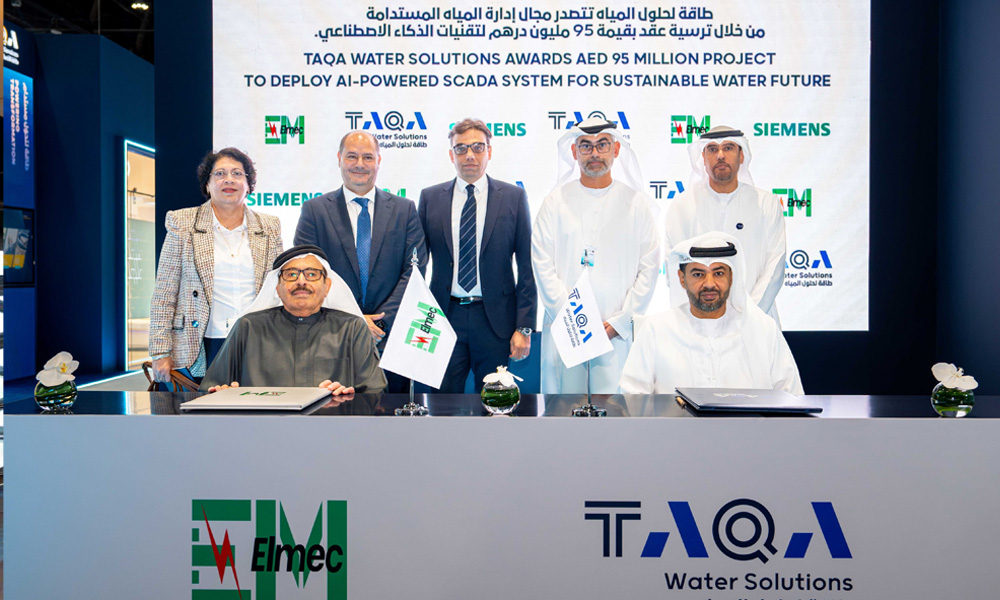
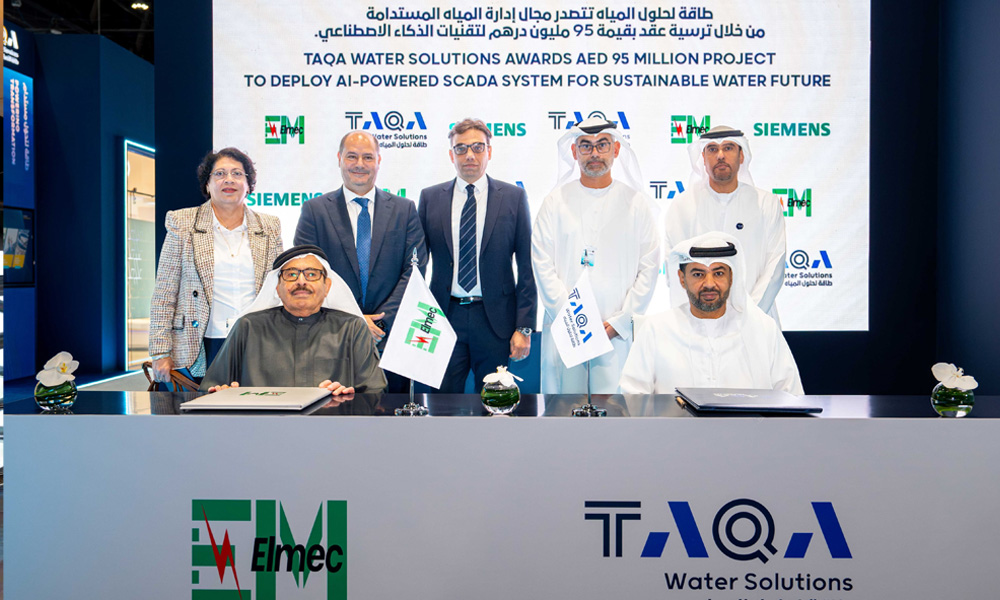
Taqa Water Solutions has awarded a US $26mn project to Electro Mechanical Company, to develop a comprehensive Supervisory Control and Data Acquisition (SCADA) system across its treatment infrastructure. This will be anchored by a new, centralised control facility.

The project aims to drive environmental sustainability, enhance operational efficiency and reduce the company’s carbon footprint. It will also improve wastewater treatment capacity by approximately 20%.

Electro Mechanical Company, supported by consultants TVA Engineering, will be using the latest Siemens technology, and at the core of the project is a state-of-the-art SCADA system, said a statement.

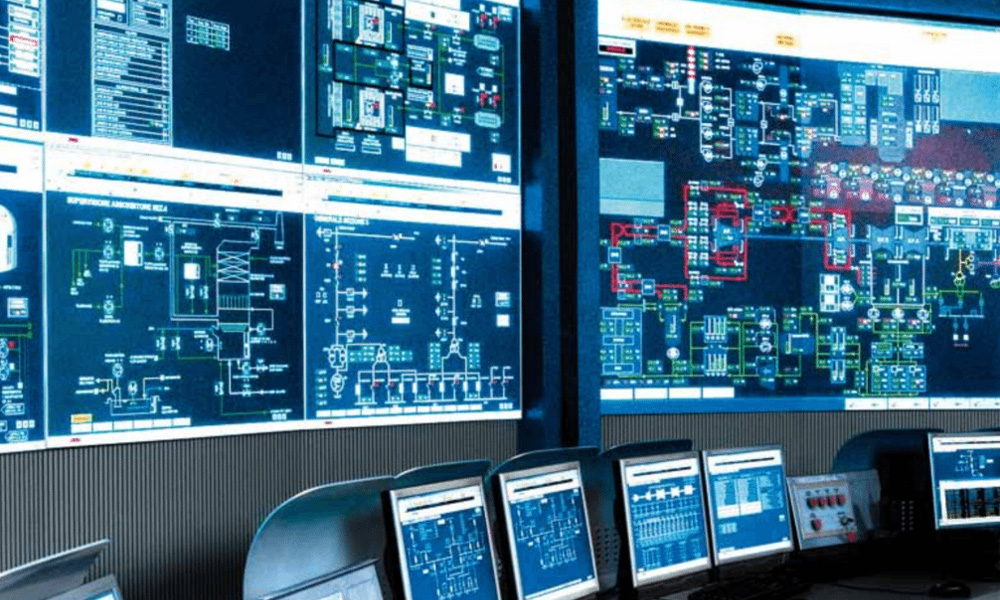
The SCADA technology will enable integrated, real-time monitoring and control of Taqa Water Solutions’ extensive network, using over 2,000 high-performance sensors, transmitters and instruments. The project will link all plants in Abu Dhabi, with 91% of Taqa Water Solutions’ wastewater collection and treatment assets benefiting from this integration.

This ensures seamless, real-time oversight and efficient management across the entire infrastructure, with a network that spans over 13,000km and features 43 treatment plants and 260 pumping stations.

By analysing and processing data gathered from across the emirate, SCADA enables the company to identify trends, monitor remote sites, and receive real-time event notifications. This proactive approach allows for predictive maintenance and the anticipation and diagnosis of potential issues, thereby optimising operational efficiency.

The post SCADA system will supercharge Taqa’s sustainability appeared first on Middle East Construction News.


Source: ME Construction News

Abu-Dhabi-2.jpg

January 9, 2025 foasummit0

Abu Dhabi’s Department of Municipalities and Transport (DMT) has announced the opening of two new bridges linking a key route in the emirate, connecting Al Khaleej Al Arabi Street with Shakhbout Bin Sultan Street (towards Musaffah).

The strategic infrastructure project will significantly improve traffic flow and reduce average delays at the intersection by up to 80% during peak morning hours, while accommodating 7,500 vehicles per hour.

As part of the US $86mn project, a new three-lane flyover bridge has been built on Al Khaleej Al Arabi Street along with a new two-lane bridge linking Shakhbout Bin Sultan Street to Al Khaleej Al Arabi Street. Additionally, there are also new dedicated cycle and pedestrian paths.

In total, the bridges consist of five lanes and 61 streetlights, running for 742m, with a surface area of 10,242sqm. The ramps, spanning 990m, are supported by 12 piers.

More than 46,000sqm of street landscaping has also been upgraded, with 15,354cu/m. of concrete being used in its construction. The project was completed with over three million safe man-hours and achieved a significant safety milestone by completing the entire build with no lost time incidents (LTI).

Mohamed Ali Al Shorafa, Chairman, Department of Municipalities and Transport said, “DMT’s mission is to create a seamless, connected and livable city through multiple modes of modern transportation, while alleviating congestion, cutting journey times, improving transport safety, and protecting our environment”.

“We are investing heavily to ensure Abu Dhabi’s infrastructure ranks among the very best in the world and that we meet the capital’s current and future transportation needs. It is fitting that this new infrastructure, delivered on time and budget, opens as we welcome 2025 – a year where a wave of transformative projects will be unveiled to accommodate Abu Dhabi’s rapid economic growth. This is only the very beginning. By working together with all stakeholders, DMT will accelerate the provision of the smart and sustainable infrastructure required by a growing population to move seamlessly through our city,” Shorafa added.

A result of the strategic collaboration between DMT and its affiliate, the Integrated Transport Centre (Abu Dhabi Mobility), the bridges are set to benefit commuters traveling to the city, and those heading to Zayed International Airport, Mussafah, and Hudayriyat Island.

The post Two new bridges to boost Abu Dhabi traffic flow appeared first on Middle East Construction News.


Source: ME Construction News

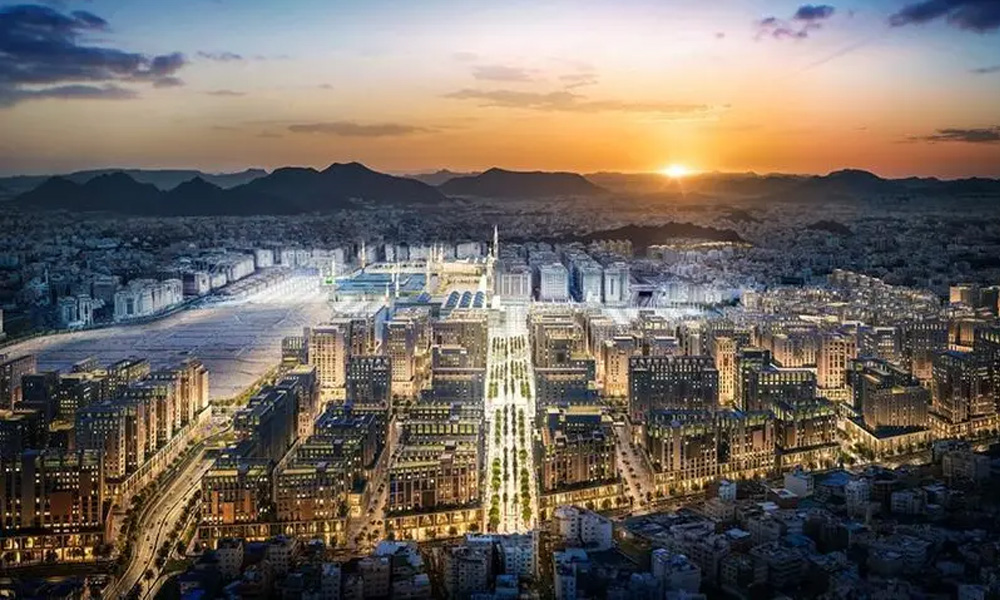
Eng.-Dana-Kamal-Director-International-Business-Development-MENA-at-NFPA_1000x600-1.jpg

January 8, 2025 foasummit0

Today, the Middle East is renowned for its high-rise construction, home to some of the world’s most iconic and tallest buildings. From the exquisite Burj Khalifa in Dubai standing at 830m, to the upcoming Jeddah Tower in Saudi Arabia set to soar one kilometer high, these skyscrapers not only represent architectural ambition but also highlight the region’s economic growth and modernisation. However, as the skyline continues to ascend, ensuring fire safety is becoming increasingly complex.

In a region characterised by extreme temperature, rapid urban growth, and diverse regulatory landscapes, fire safety practices are evolving to meet new challenges. While advanced technologies and updated building codes play vital roles, the human element remains an essential aspect of fire of effective fire safety strategies in the Middle East. By enhancing training, awareness, and community engagement, the region can continue to innovate and reinforce its focus on fire and life safety, ensuring that its progress is matched by a committed and skilled workforce and engaged public.

The regional context: A unique set of challenges

The Middle East requires a customised approach to fire safety. The region’s climate significantly influences both construction practices and fire risk management, especially for high-rise buildings. In Gulf countries, where summer temperatures often exceed 40-degrees Celsius (C), intense heat can alter the behavior of materials and heighten fire hazards. Moreover, the rapid population growth and swift urbanisation have resulted in densely packed cities, where high-rise buildings are closely clustered, amplifying the risk of fire spreading between structures.

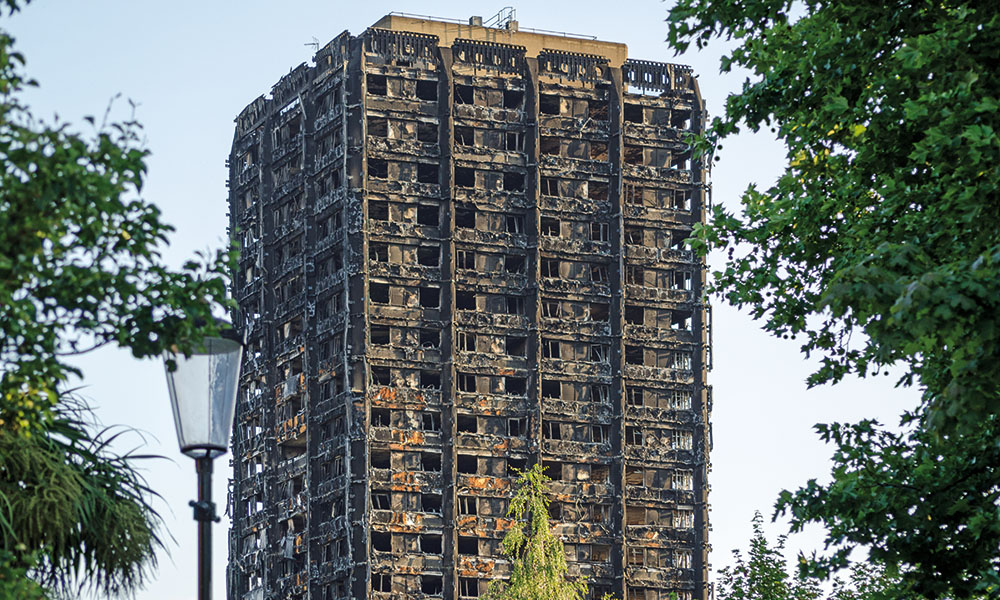
Moreover, the Middle East’s wide range of high-rise buildings including luxury hotels, residential towers, and large commercial complexes, demands fire safety strategies that cater to their distinct uses and occupancy types. The mixed-use nature of many of these structures further complicates fire safety, as the strategies must address the varied risk profiles within a single building. The MENA region’s undeniable drive for safe and sustainable development presents a unique opportunity to learn from past tragedies, such as the Grenfell Tower fire, where external flammable cladding proved a deadly risk. By addressing this real threat prevalent throughout the region, we can ensure these tragic events are not repeated, advancing our shared commitment to safety and resilience in high-rise construction.

A holistic approach: Integrating technology and human factors

To tackle the distinctive fire safety challenges of high-rise buildings in the Middle East, it is essential to merge technological innovations with a focus on human factors. Technologies such as intelligent fire detection systems, automated suppression systems, and building information modeling (BIM) for fire safety planning, play a crucial role in enhancing high-rise safety. However, these technologies must be paired with robust fire safety management plans that focus on human factors, ensuring that all occupants are well-prepared and informed.

Moreover, regulatory frameworks across the region must evolve to reflect the importance of both technology and human empowerment in fire safety. Governments and industry leaders should work together to establish and enforce building codes that mandate not only the use of advanced fire safety technologies but also the implementation of comprehensive training and education programs for occupants and fire safety professionals.

The importance of human empowerment in fire safety

While advancements in technology and stringent building codes are crucial for enhancing fire safety, the role of human factors cannot be overstated. Effective fire safety relies on empowering individuals – both occupants and fire safety professionals, to respond swiftly and appropriately in the event of an emergency.

In the Middle East, where multiculturalism is a defining characteristic of urban population, fire safety education and training must be inclusive and accessible to all. Language barriers, cultural differences, and varying levels of awareness can impact the effectiveness of evacuation procedures and emergency responses. Therefore, it is essential to develop fire safety programs that are tailored to the diverse populations using these high-rise buildings.

Training programs should go beyond technical knowledge to also promote a culture of safety awareness. Key elements of a thorough fire safety plan include regular fire drills, effective communication strategies, and clear, accessible signage. Additionally, building management teams need to be skilled in leading and coordinating evacuation efforts, ensuring that all occupants understand their roles in an emergency.

Adopting the comprehensive NFPA Fire & Life Safety Ecosystem approach emphasises the need to combine technology, community involvement, and professional training to foster resilient environments. By utilising available resources and proven practices, stakeholders can effectively prioritise both technical and human elements in their fire safety strategies.

By emphasising these aspects, the region will enhance the expertise of professionals across the sector, leading to the adoption of higher standards and improving the industry’s ability to attract talent through investment in skilled personnel. This focus is particularly crucial, as a recent NFPA survey revealed that 14% of respondents had to decline projects due to a shortage of qualified professionals.

Lessons from the region

Several high-profile projects in the Middle East demonstrate the effective integration of technology and human factors in fire safety. For instance, the King Abdullah Financial District (KAFD) in Riyadh showcases advanced fire safety systems, including real-time fire risk monitoring, smoke management technologies, and advanced firestop materials and techniques designed to prevent or delay the spread of fire, smoke, and toxic gases. Equally important, KAFD prioritises human-centric safety measures by providing comprehensive training for building occupants and security personnel, ensuring they are well-prepared to manage emergencies.

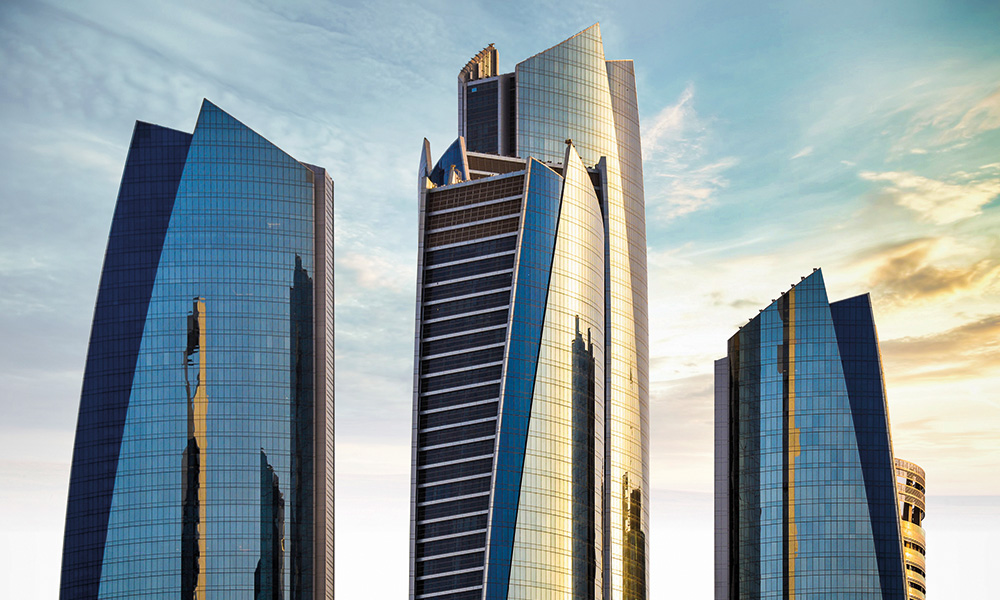
Similarly, the Etihad Towers in Abu Dhabi has adopted a comprehensive approach to fire safety that combines cutting-edge technology with regular safety drills and occupant education programs. These initiatives have helped create a culture of safety awareness among residents and workers, significantly reducing the risks associated with high-rise living.

A call to action

As the Middle East continues to build higher and faster, the need for effective fire safety strategies has never been more critical. The future of fire safety in the region’s high-rise buildings lies in the seamless integration of advanced technologies with a strong emphasis on the human factor. By adopting a holistic approach that prioritises both aspects, the Middle East can ensure that its iconic skyscrapers are not only marvels of engineering but also bastions of safety for all who live and work within them.

It is imperative for stakeholders across the region including governments, developers, architects, and fire safety professionals, to collaborate in this endeavor. Together, we can develop and implement fire safety strategies that are not only effective but also inclusive, adaptable, and resilient. By doing so, the Middle East can continue to rise to new heights while safeguarding the lives of its people and the legacy of its architectural achievements.

The post Fire safety in high-rise buildings appeared first on Middle East Construction News.


Source: ME Construction News

Kuwait-Oil-Company_1000x600-1.jpg

January 8, 2025 foasummit0

Heavy Engineering Industries & Shipbuilding Company (HEISCO) announced that it has secured a major contract from Kuwait Oil Company for the wholesale upgrade of the gas and condensate network at East Kuwait Area-II.

A Kuwait-based EPC contracting company with a diversified range of business in oil and gas, HEISCO announced that, as per the US $109mn deal with KOC, the entire work will be completed within a three-year period.

The project is aimed at boosting infrastructure, pipelines and associated facilities, and will optimise the transportation and distribution of gas and condensate. This is considered a key project, since East Kuwait Area-II is believed to have strong development potential, and the upgrading work will cater for ongoing increases in production.

HEISCO explained that the scope of the project includes the expansion and restructuring of the condensate network, along with the developing of new pipeline infrastructure. There will also be a raft of related civil works. The revenue for these projects will be shown in HEISCO’s annual financial statements for 2025 and 2027.

The post Kuwait Oil Company awards contract for gas network expansion appeared first on Middle East Construction News.


Source: ME Construction News


AMEA-1.jpg

January 8, 2025 foasummit0

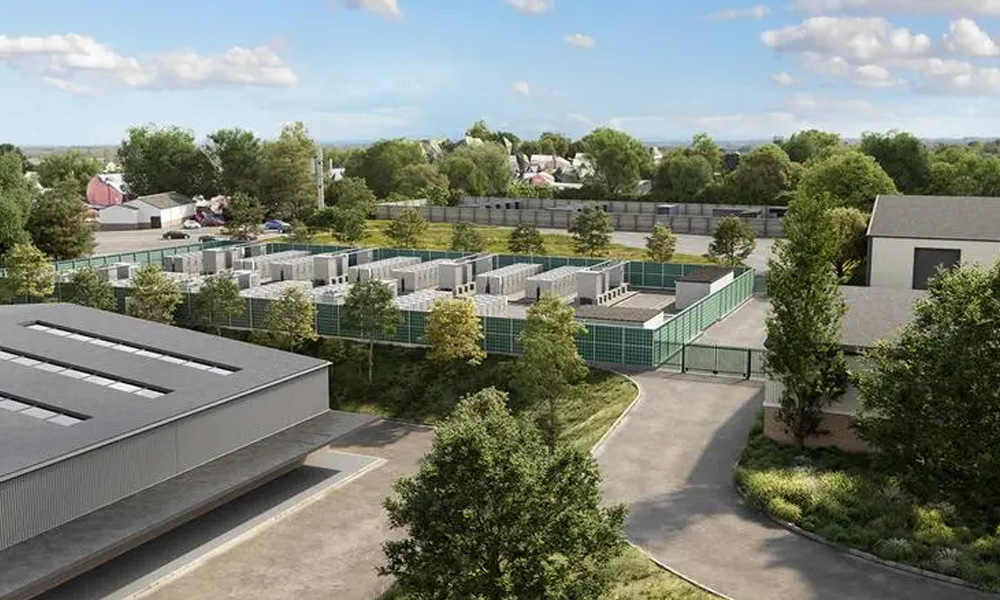
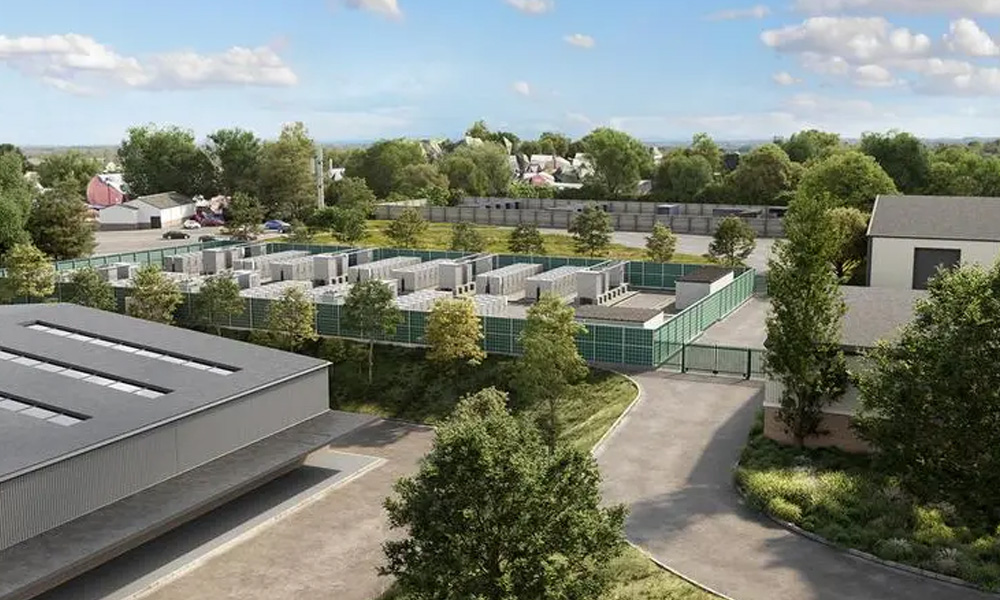
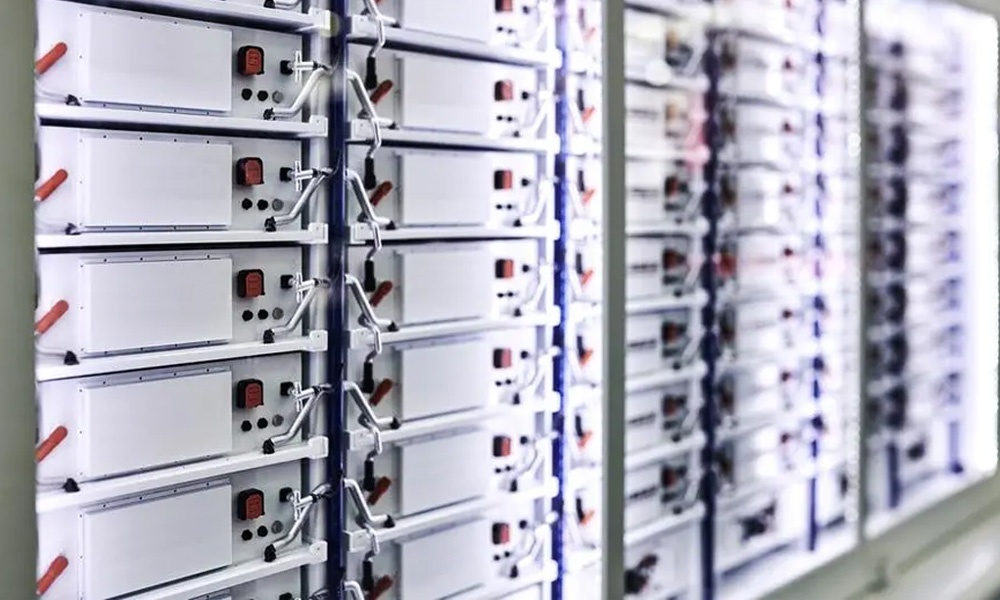
AMEA Power has been awarded two pivotal Battery Energy Storage System (BESS) projects through Bid Window 2 of BESIPPPP, organised by South Africa’s Department of Electricity and Energy.

The Gainfar and Boitekong projects, located in the North West Province, will each have a capacity of over 300MWh. These projects will play a vital role in strengthening Eskom’s grid stability. As South Africa continues to grapple with frequent blackouts and load shedding, these BESS projects will help mitigate risks and contribute to the country’s energy security, said a statement.

The Gainfar Project will be connected to the Ngwedi substation, while the Boitekong Project will be connected to the Marang substation. These storage solutions are essential in strengthening the country’s electricity grid and supporting the transition to a more resilient and sustainable energy system.

Hussain Al Nowais, Chairman of AMEA Power, said: “This achievement marks a major milestone for AMEA Power, as we continue to expand our footprint in South Africa, a key market for us. These projects represent our first successful awards of BESS projects, through a competitive bidding process and underscore our commitment to providing sustainable, resilient and cost-effective energy solutions. We are proud to support South Africa’s energy transition, enhance Eskom’s grid reliability, and drive economic growth in the region. With our expanding portfolio, including the 120MW Doornhoek Solar PV project, and our regional office in Johannesburg, we are dedicated to contributing to cleaner, more sustainable energy future for South Africa.”

Both projects will deliver essential power, energy, and services to Eskom through 15-year Power Purchase Agreements (PPAs), further solidifying AMEA Power’s role in the country’s energy landscape. Once operational, these energy storage systems will provide reliable backup power, enabling a stable grid and supporting South Africa’s renewable energy journey.

The post AMEA Power secures two major BESS projects in South Africa appeared first on Middle East Construction News.


Source: ME Construction News