wind-farm_1000x600-1.jpg

May 27, 2024 foasummit0

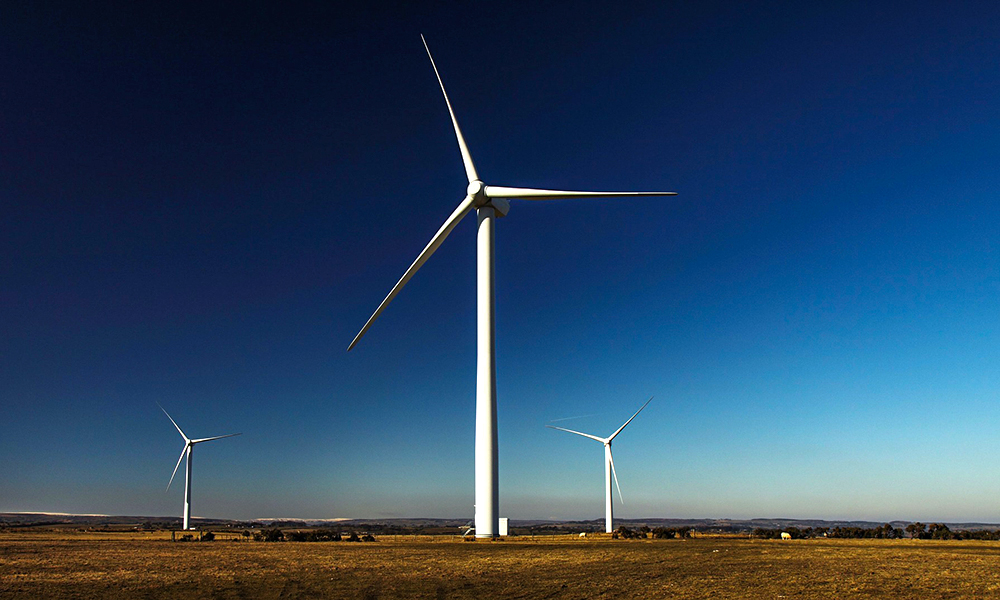
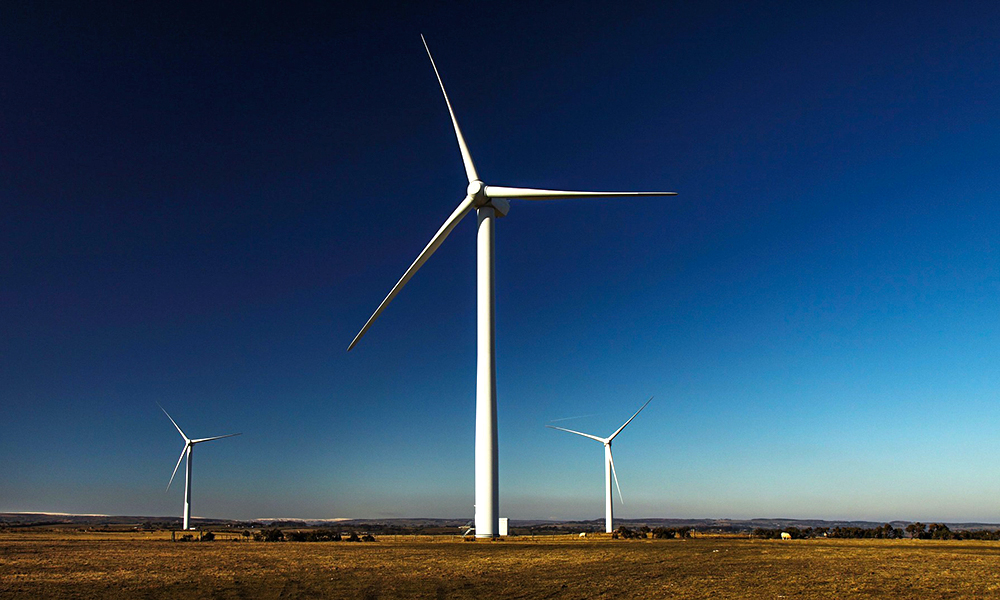
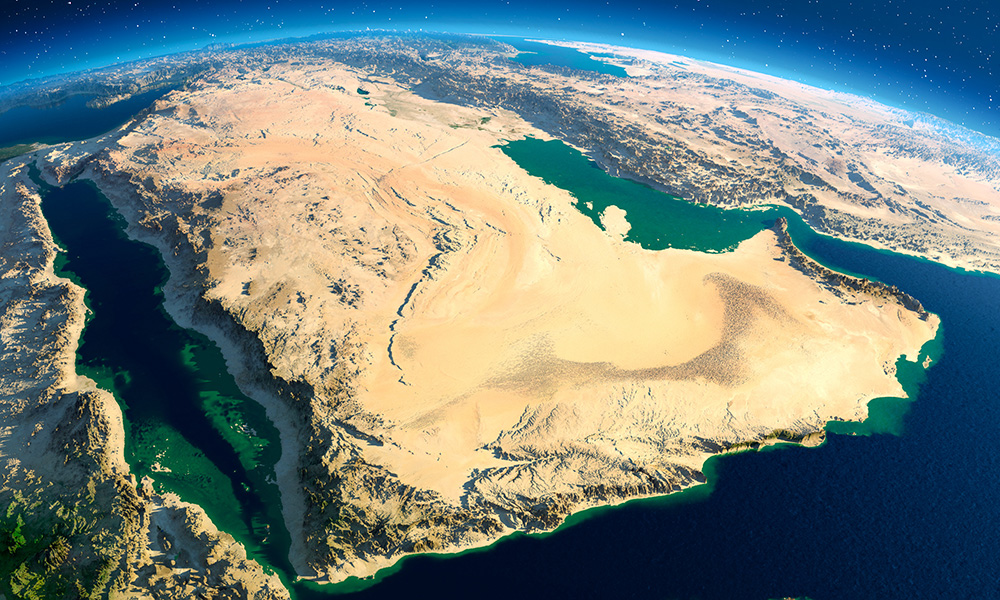
Saudi Power Procurement Company (SPPC) has signed two power purchase agreements (PPAs) with a consortium led by top Japanese business conglomerate Marubeni Corporation to procure power from its key wind projects: the 600MW AlGhat and 500MW Wa’ad Alshamal. The deals were signed by the principal buyer SPPC during the Saudi-Japan Vision 2030 Business Forum.

The deals come as part of Round 4 of the Saudi National Renewable Energy Program (NREP), which is supervised by the Ministry of Energy.

On the key achievement, Prince Abdulaziz Bin Salman bin Abdulaziz Al Saud, Minister of Energy said: “AlGhat had achieved a new record low cost of electricity production from wind power at 1.56558 cents/kWh levelised cost of electricity (LCOE), while Wa’ad Alshamal project achieved a second world record low for wind power at 1.70187 cents/kWh LCOE.”

He explained that the electricity produced from both projects was sufficient to power 257,000 residential units per year, which emphasis the significance of these projects in enhancing the energy efficiency in Saudi Arabia.
Prince Abdulaziz commended Saudi’s King Salman and His Royal Highness Prince Mohammed bin Salman bin Abdulaziz Al Saud, the Crown Prince, Prime Minister and the Chairman of the Supreme Committee for Energy Mix Affairs for Electricity Production and Enabling Renewable Energy Sector, for their encouragement, support and enablement.

He pointed out that these two projects were part of the National Renewable Energy Programme which is supervised by the Ministry of Energy, and is an extension of the energy ecosystem’s efforts towards realising objectives for displacing liquid fuels in the Kingdom’s power sector.

The Kingdom’s stated objective is to increase the share of renewables in the energy mix to around 50% by 2030.

The post Japan’s Marubeni appointed for KSA wind projects appeared first on Middle East Construction News.


Source: ME Construction News

Tesla-Megapack_1000x600-2.jpg

May 27, 2024 foasummit0

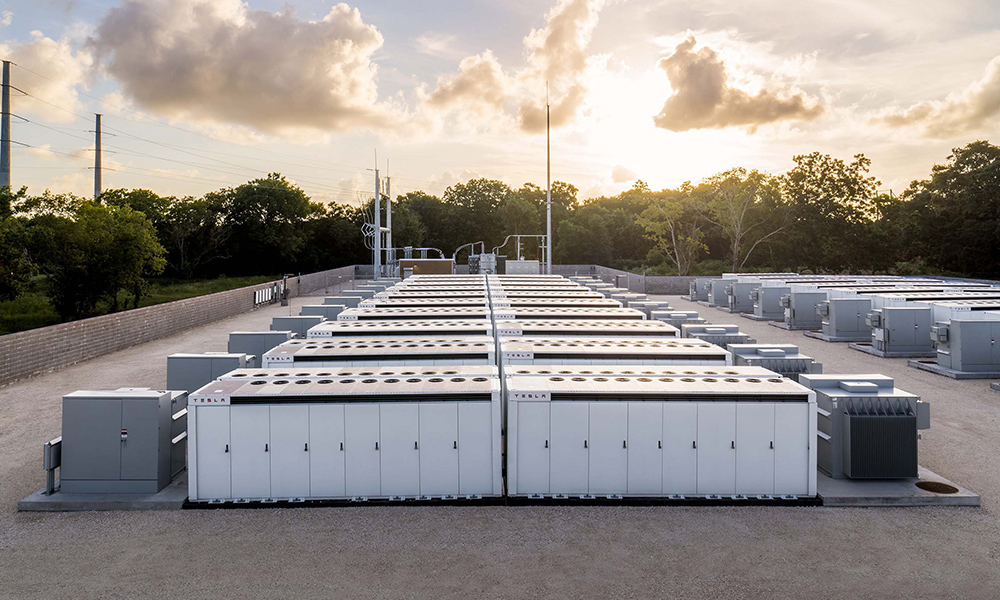
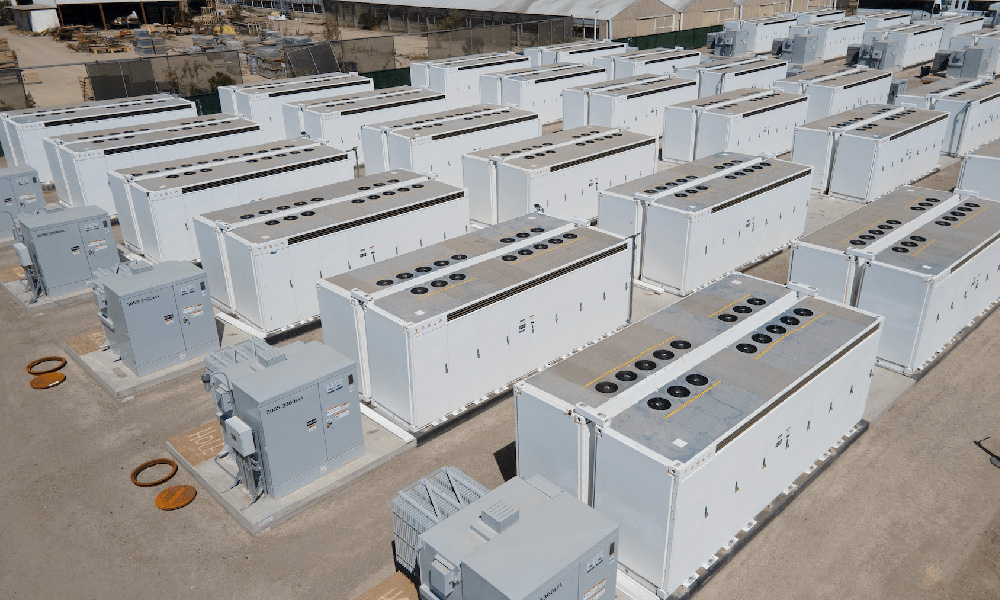
Construction has kicked off on a factory that will be able to produce 10,000 Tesla Megapack battery storage units a year. The plant is set to start production in early 2025.

The Lin-gang Group is said to be overseeing construction of the factory, which is taking shape close to Tesla’s Shanghai Gigafactory, which produces Tesla cars. The gigafactory is the firm’s largest plant outside of the US.

According to the administration of the Lin-gang Special Area of China (Shanghai) Pilot Free Trade Zone, the new factory will cost approximately US $203.9mn and will span an area of 200,000sqm.

“With Tesla’s benchmark project, we anticipate that within the next three to five years, an industrial cluster centered around energy storage will rapidly emerge,” said Lu Yu, an official of the Lin-gang Special Area Administration.

Tesla’s megapacks can each store 3.9MW/h of energy, which is enough to power 3,600 households for an hour. The battery storage systems are designed to help power companies stabilise energy grids.

The post Construction of Tesla Megapack battery begins in Shanghai appeared first on Middle East Construction News.


Source: ME Construction News

Sabah-Al-Ahmed-Sea-City_washed-sand2_1000x600-1.jpg

May 27, 2024 foasummit0

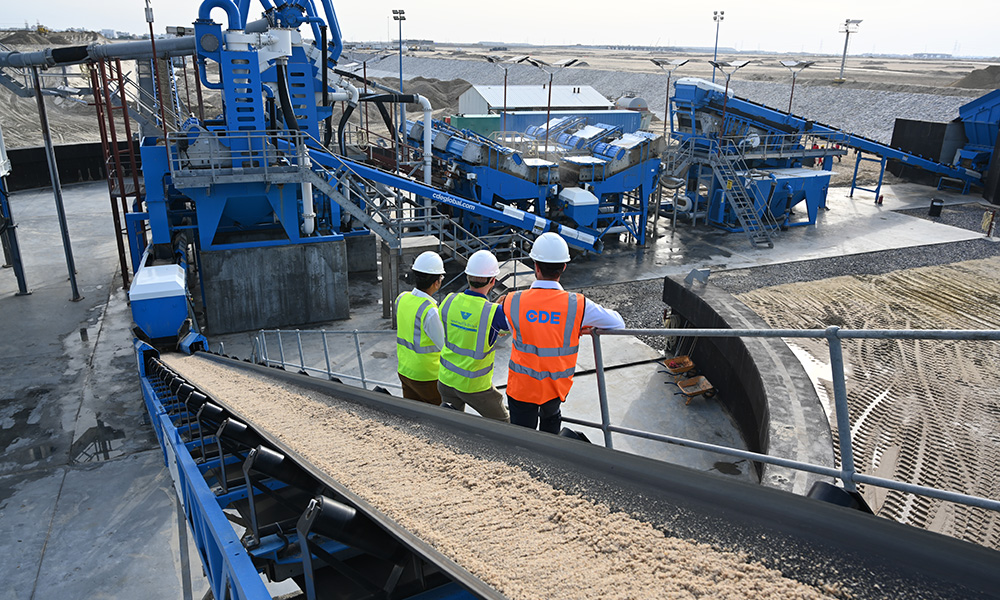
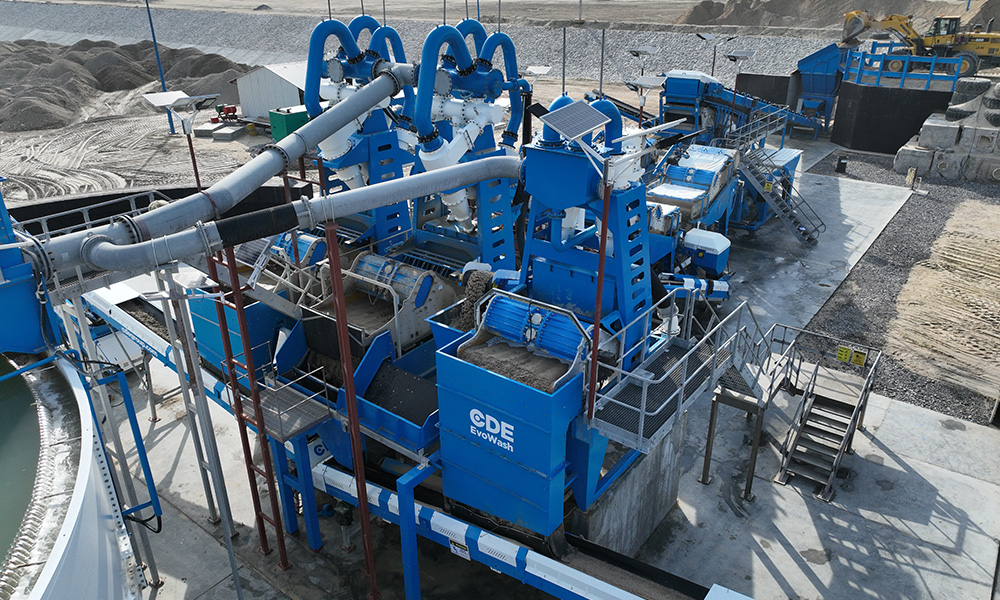
The visionary Sabah Al Ahmad Sea City (SAASC) is a sprawling metropolis of man-made islands and waterways that will eventually house over 250,000 residents. With construction gaining pace, developer La’ Ala Al-Kuwait Real Estate Company, partnered with CDE, a leading supplier of sand and aggregate washing solutions, to help meet its busy production schedule.

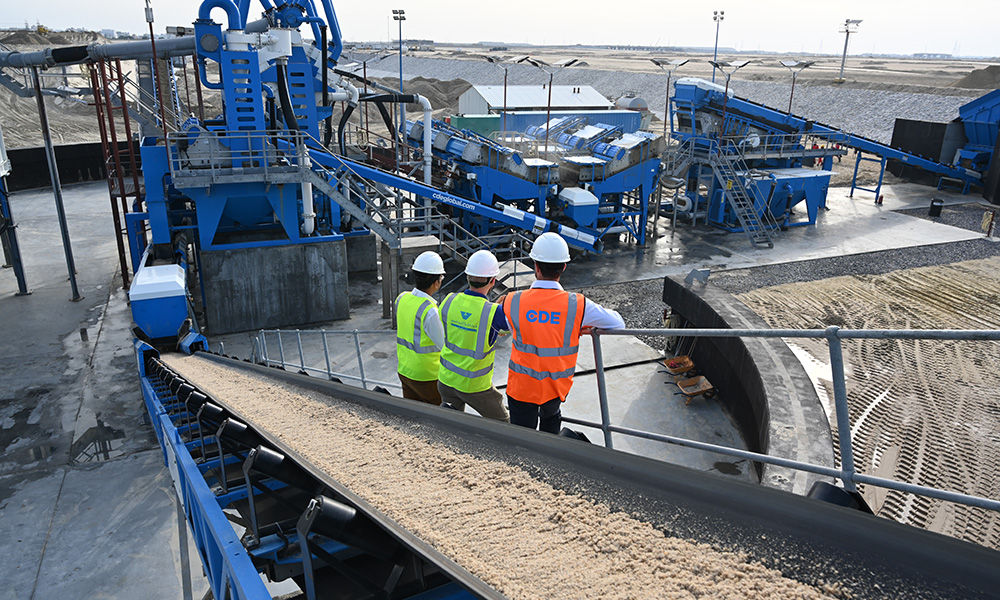
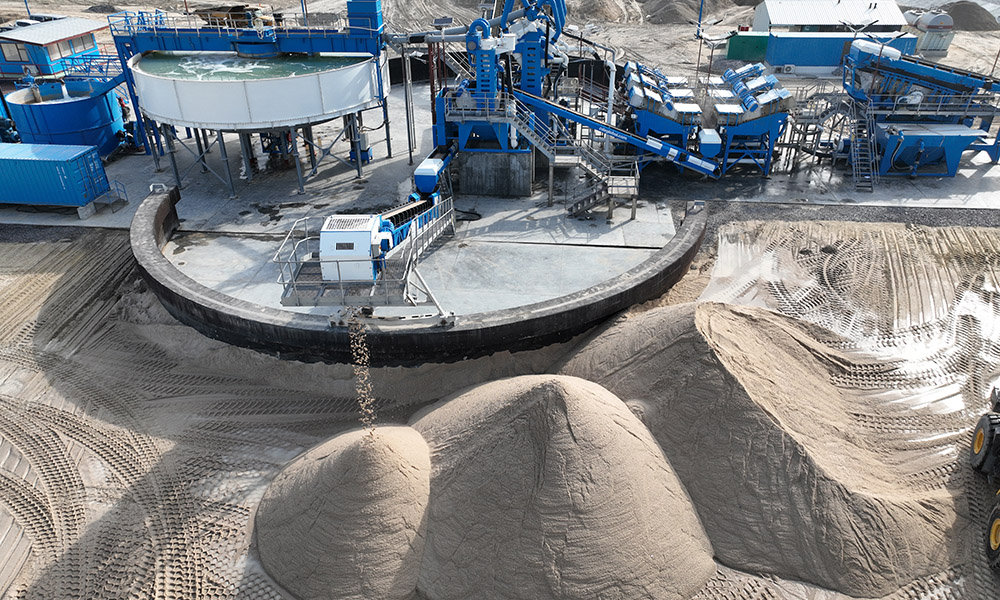
In its current phase, some 1.35m cubic metres of in-spec beach sand is required by the middle of 2024. With the capacity to process up to 435 tonnes per hour, the CDE wash plant is delivering over 2,500 tonnes of fine sand for pipe bedding and almost 1,800 tonnes of coarse beach sand every day.

The Challenge

As construction of the visionary Sabah Al Ahmad Sea City (SAASC) continues at pace, developer La’ Ala Al-Kuwait Real Estate Company, the firm behind the pioneering project, has partnered with CDE to help meet its busy production schedule.

With a pre-existing wash plant set-up reaching the end of its operational life, a modern solution was needed to sustain the momentum behind the project.

Mr Mark Dunglison, Director for Planning & Design, Earthworks & Marine at the La’ Ala Al-Kuwait Real Estate Company said: “We’re working with dry feed material excavated from below sea-level, which can be highly variable, and so we needed a solution that could respond to these variations and deliver consistent output without disruption to the production schedule.

“Traditionally, most wash plants work with fresh water or some sort of brackish water. At this site we’re dealing with salt water, which has salinity of up to 35,000ppm (parts per million). It’s very corrosive. The plant had to be able to work with high saline levels.”

The Solution

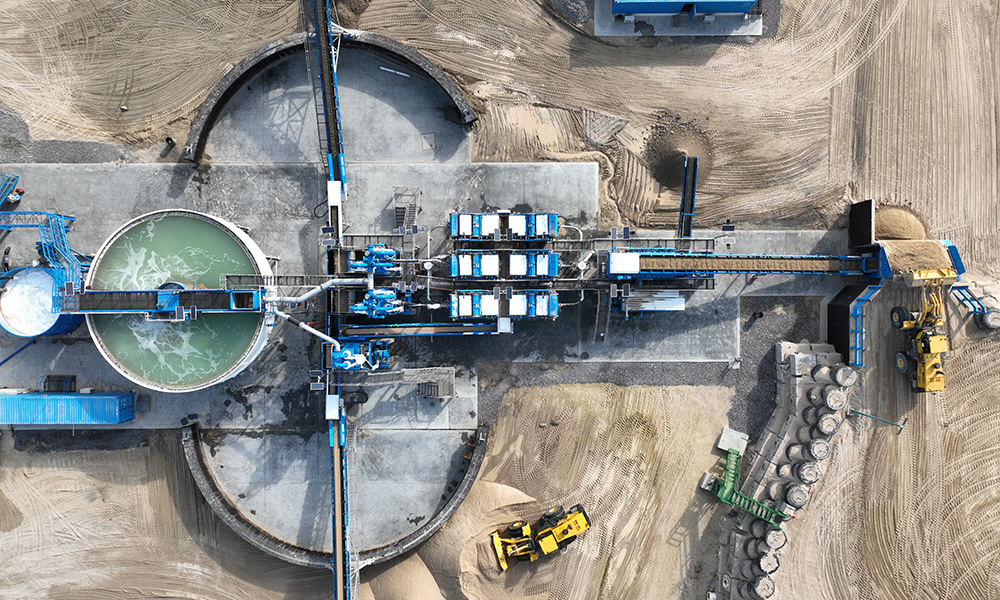
We proposed a solution comprising of our M5500 modular wash plant, which integrates feeding, screening, washing and stockpiling on a single chassis; the EvoWash 151, a compact sand washing system that screens and separates smaller sand and gravel fractions through integrated high-frequency dewatering screen, sump and hydrocyclones; a configuration of six Infinity™ fine screens; and an efficient water management and recycling system to recover up to 90% of process water for immediate reuse.

To address high levels of salinity, CDE introduced a series of additional measures to protect the plant.

“CDE added additional protective measures to the pipework, to the tanks, wherever they could. Stainless steel non-corrosive products, rubber linings, special coatings, and more are all carefully considered to ensure this plant can work in a very extreme saline environment,” Mr Dunglison explained.

The Results

With the capacity to process up to 435 tonnes per hour, the CDE wash plant is delivering over 2,500 tonnes of fine sand for pipe bedding and almost 1,800 tonnes of coarse beach sand every day as part of ambitious targets to deliver 1.3 million cubic metres of in-spec beach sand by the summer.

On average, the plant is receiving and processing over 6,000 tonnes of feed material every day.

Commenting on the environmental benefits of the plant, Mr Dunglison: “We’re more efficient in our diesel use. The flocculant that we’re using within the thickener allows water to be recycled, which we didn’t have previously. It means we require significantly less top up water. This is good because it limits how much we need to draw from the natural environment and any we discharge back into the water course is well within EPA tolerance.”

“This solution is our purpose in action,” adds Ruchin Garg, CDE Regional Manager for Middle East & Africa. “We’re driven to create our best world, a ton at a time. That means maximising the potential of natural resources in the most sustainable way possible, with greater efficiency and less waste than ever before.”

Read more by clicking here.

The post Creating beach sand for Kuwait’s Sabah Al Ahmed Sea City appeared first on Middle East Construction News.


Source: ME Construction News