Waste-to-SAF_1000x600-1.jpg

May 16, 2024 foasummit0

Sustainable waste management specialist Tadweer has announced that bidding has now closed for the planned development of Abu Dhabi’s first greenfield Material Recovery Facility (MRF).

The state-of-the-art facility will recover recyclable materials derived from municipal solid waste, significantly maximising the diversion of waste from landfills through recycling and preparing feedstock for the Abu Dhabi Waste to Energy facility. This will help promote a ‘circular economy’ and supports Tadweer Group’s wider ambition of diverting 80% of Abu Dhabi’s waste away from landfill by 2030, the firm said.

The long-term objectives for the facility include providing feedstock for other waste conversion processes and products, such as waste to Sustainable Aviation Fuel (SAF).

Tadweer Group Managing Director and CEO, Ali Al Dhaheri noted, “As we continue to revolutionise waste management in Abu Dhabi, we’re delighted to share this important milestone. A key part of our circular cluster, the development of the greenfield Material Recovery Facility is clear progress for the emirate. This aligns with our strategic vision to harness technology to extend the lifetime of recyclable materials for a sustainable future. The facility will also directly contribute to our long-term ambitions of waste conversion, as we take steps forward to achieve a circular economy, echoing the pillars of the UAE’s Net Zero agenda.”

The facility will also serve to promote local and foreign private sector investment and create employment and training opportunities for UAE nationals.

The expected capacity will be 1.3m metric tonnes per year. Additionally, the facility will cover an area of over 90,000sqm, making it one of the largest MRFs in the region, and will be located within the Al Mafraq Industrial area, 36km from the centre of Abu Dhabi.

The post Abu Dhabi invests in material recovery facility appeared first on Middle East Construction News.


Source: ME Construction News


KEO-JC1_1000x600-1.jpg

May 16, 2024 foasummit0

KEO and Johnson Controls have entered into a strategic collaboration, which aims to deliver turnkey decarbonisation services in the region. As per the terms of the deal, the two companies will offer an end-to-end decarbonisation action plan, and a suite of engineered solutions to drive cost and carbon reductions. This will enable organisations to achieve their Net zero goals, including comprehensive target setting, providing a roadmap, to produce tangible outcomes.

Founded on a shared vision and complementary expertise, this unique collaboration draws on KEO’s 60 years of expertise in engineering, consultation, and advisory services, and Johnson Controls 140 years transforming the built environment to reduce energy consumption and emissions, improve building efficiency, increase productivity and wellbeing, and ultimately contribute to a greener and more sustainable future, said KEO in a statement.

“This collaboration represents a significant step forward in our mission to empower organisations to achieve their sustainability goals. By combining KEO’s sustainability and engineering excellence with Johnson Controls cutting-edge technologies, we are uniquely positioned to deliver impactful solutions that drive real environmental change,” said Greg Karpinski, COO at KEO.

The World Green Building Council has gone on record noting that buildings are responsible for nearly 40% of global carbon emissions and represent one of the fastest – if not the fastest – paths to meeting global climate targets. With the UAE and Saudi Arabia spearheading (one of) the world’s most ambitious decarbonisation programs, organisations in the region will benefit from such collaborations to more quickly and effectively meet the region’s goals, the statement noted.

Karpinski added, “We understand that managing the bidding for a complex scope decarbonisation project can be a challenging task for organisations, involving significant costs and efforts. Through our collaboration with Johnson Controls, we aim to alleviate these challenges, offering clients a hassle-free experience from start to finish.”

Devrim Tekeli, General Manager for Service GCC at Johnson Controls remarked, “We are delighted to initiate this collaboration with KEO, which will empower our mutual customers to achieve their Net Zero commitments. Our comprehensive capabilities across technology manufacturing, HVAC, fire, security, controls, and connectivity via our OpenBlue digital platform are setting a benchmark in the region. These capabilities are already demonstrating tangible environmental and financial benefits. Together with KEO, we aim to empower businesses with the tools and expertise needed to drive sustainability leadership in this region and beyond.”

The collaboration between KEO and Johnson Controls marks a significant milestone in the pursuit of sustainability, ushering in a new era of innovation and collaboration in the fight against climate change, said KEO.

The post KEO & Johnson Controls ink deal to drive decarbonisation of the built environment appeared first on Middle East Construction News.


Source: ME Construction News


Fernando-Vara-ACCIONA_1000x600-1.jpg

May 15, 2024 foasummit0

In the realm of infrastructure development, few projects embody the intersection of necessity, complexity, and innovation quite like the construction of sewerage tunnels. Often unseen and underappreciated, these subterranean arteries form the backbone of modern urban sanitation systems, safeguarding public health and environmental integrity. Yet, the construction process behind these vital conduits is a testament to human ingenuity, perseverance, and the imperative of sustainable development.

Embarking on the construction of a sewerage tunnel is akin to delving into the earth’s hidden realms, a venture fraught with challenges but brimming with opportunities. From initial planning stages to the final commissioning, every step demands meticulous attention to detail, and a commitment to excellence.

At the outset, exhaustive geological surveys and feasibility studies lay the groundwork for informed decision-making. Engineers must navigate through a labyrinth of geological formations, subterranean waterways, and urban infrastructure, all while minimising disruption to the surrounding environment and communities. The selection of appropriate tunnelling methods, whether traditional techniques like cut-and-cover or state-of-the-art technologies like tunnel boring machines (TBMs), is pivotal in ensuring efficiency and cost-effectiveness.

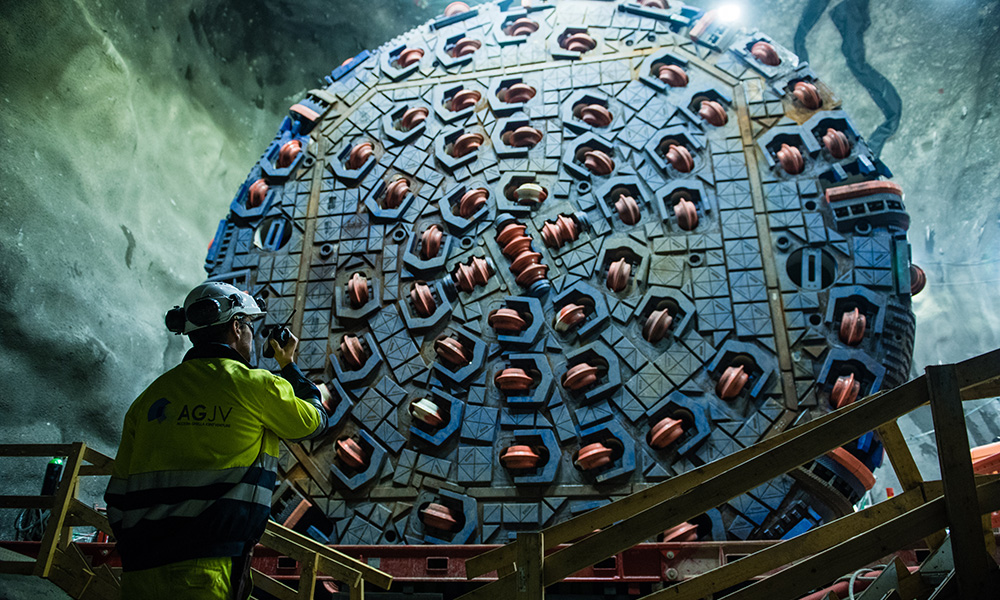
We have designed and built more than 800km of metropolitan, road and railway tunnels in which our innovative efforts have made us a world reference, not only in the construction of these subway mega-infrastructures, but also in the machinery that allows us to make these projects a reality: tunnel boring machines (TBM).

TBMs have become the safest method of excavation in a context of technological advances in geotechnical engineering, improved working conditions inside tunnels and the use of ventilation systems, among other developments. They can reach colossal magnitudes. Lengths of more than 100m, an excavation diameter of 18m and a weight of 2,800t. In other words, they can be as long as nine buses, as tall as a five-story building, and as heavy as fifteen Boeing 747 aircraft.

We have several types of tunnel boring machines (Main Beam, single shield, double shield, earth pressure, hydroshield) to respond to the specific capacities of the terrain in each project. Thanks to the company’s self-performing office (SPO) and in house TBM capabilities, engineers and technicians are able to refurbish the company’s TBMs and adapt these huge machines to any eventuality that the project may present.

ACCIONA also has a Specialised Business Unit with more than 400 experienced engineers working around the world. These people are responsible for the execution of the construction projects, and all that knowledge and expertise is centralised in our Head Quarters in Madrid, where lessons learnt from different projects are compiled and shared among this pool of excellent experienced professionals and tunnel experts. ACCIONA is one of the few companies that has its own Tunnel Boring Machine Control Centre, a pioneering remote storage and monitoring platform where it collects and analyses data obtained in real time by the TBMs thanks to Big Data. The system processes in real time more than four million pieces of data per TBM per day.

The Start of Construction

As construction commences, the site becomes a hive of activity, with teams of engineers, technicians, and laborers working in harmony to bring the project to fruition. Excavators carve through layers of soil and rock, while reinforcement and waterproofing measures safeguard the integrity of the tunnel against the relentless pressure of earth and water. Simultaneously, stringent quality control protocols and safety measures are implemented to mitigate risks and ensure the well-being of all involved.

Yet, beyond the technical intricacies, the construction of sewerage tunnels embodies a broader narrative of societal progress and environmental stewardship. These infrastructural marvels represent a commitment to public health, providing essential services that safeguard communities from the scourge of waterborne diseases. Moreover, by facilitating the efficient conveyance of wastewater to treatment facilities, they play a crucial role in preserving the ecological balance of our waterways and safeguarding the integrity of fragile ecosystems.

Furthermore, in an era defined by the imperatives of sustainability and resilience, the construction of sewerage tunnels offers an opportunity to embrace innovative approaches and technologies. From the integration of renewable energy systems to the utilisation of eco-friendly construction materials, every decision holds the potential to minimise environmental impact, and enhance the project’s long-term viability.

Yet, for all its technical prowess and environmental conscientiousness, the construction of sewerage tunnels is not without its challenges. From budget overruns to unforeseen geological obstacles, each project presents its unique set of hurdles that demand creative problem-solving and unwavering determination. Moreover, in an age of rapid urbanisation and climate change, the imperative to future-proof these infrastructural assets against emerging threats looms ever larger.

In conclusion, the construction of sewerage tunnels is a testament to human innovation, perseverance, and the pursuit of a healthier, more sustainable future. As we delve into the depths of the earth to lay the foundations of modern sanitation systems, let us not only marvel at the engineering marvels unfolding beneath our feet but also recognise the profound societal benefits they bring. With careful planning, innovative thinking, and a steadfast commitment to excellence, we can ensure that these vital conduits continue to serve as lifelines for generations to come, safeguarding public health, preserving the environment, and fostering resilient communities.

The post Unveiling the vitality of sewerage tunnel construction appeared first on Middle East Construction News.


Source: ME Construction News


Paul-Wallett-new-MECN_1000x600-1.jpg

May 15, 2024 foasummit0

In the fast-paced realm of project management, where technology and perspectives are in constant flux, effective communication stands out as the linchpin for achieving unparalleled success. The dynamism inherent in project management is, however, often impeded by disconnected technologies, posing challenges that can undermine efficiency, productivity, information flow, and collaboration.

In light of this, companies involved in the field make constant efforts to include effective communication tools to maximise the success of their projects. These top communication tools are crafted with the objective of facilitating communication, boosting teamwork, and offering a centralised platform for managing project-related data, and strive to create a more cohesive, efficient, and successful project environment.

Challenges in the field of project management

Effective communication has emerged as an integral component that holds together the complicated web of procedures. Nevertheless, disconnected technology has frequently served as a major cause for concern within the industry, creating numerous challenges as well as inefficiencies in communication, collaboration, security, data consistency, etc.

The siloed characteristic of tools and platforms constitutes one of the foremost challenges encountered by construction teams. There might be separate software systems for construction teams and design teams, which certainly leads to fragmented flow of information. This division can cause miscommunication, errors in interpretation, and a lack of real-time cooperation, which can ultimately impact the project’s budget and schedule.

In the field of design, engineers and architects create complex blueprints, which function as a guide for them throughout the construction processes. Due to technology differences, it might become extremely imperative to carry out expensive modifications and rework when these plans and strategies are not effectively communicated with the construction teams. A comprehensive strategy to technology integration must be implemented to bridge this gap while ensuring that the construction and design teams operate from the same digital platform.

In the construction sector, miscommunications can lead to expensive mistakes, significant delays in projects, and other discrepancies. Numerous solution providers are currently in pursuit to address and help stakeholders resolve these challenges. For instance, connected construction technologies, have been assisting companies in enhancing communication throughout the design and construction phases. This technology guarantees that all stakeholders are on the same page by facilitating real-time data exchange, collaboration, and project management.
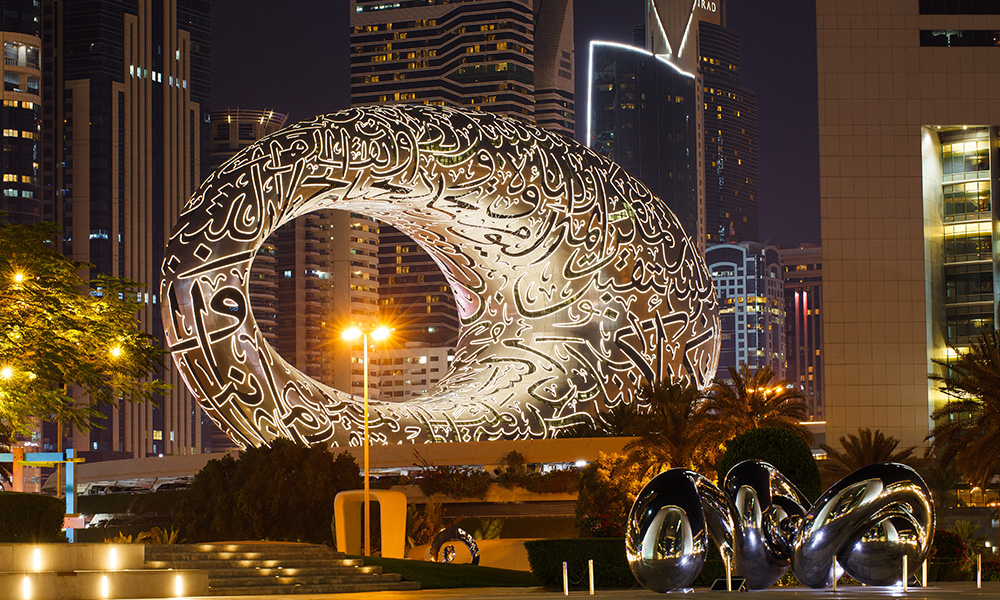
Museum of the Future example

As an example, consider a scenario in which state-of-the-art technologies were not deployed in building the Museum of the Future – an architectural wonder that showcases various technical breakthroughs and advancements. The lack of collaborative platforms and integrated project management systems would cause communication failures that affect the efficacy of construction.

Furthermore, the energy efficiency and immersive visitor experience of the Museum would be hampered due to the lack of integration of smart technology, such as IoT devices. Essentially, the precision, efficiency, and cutting-edge elements essential to the Museum of the Future’s visionary design would be compromised due to the absence of modern construction technology.

Today’s construction projects with complex designs involves processes, including design and detailing, estimating, project management, steel fabrication, field technology, and financial/back-office management. The fragmented nature of these processes can hinder productivity and jeopardise a project’s success. The solution to this challenge is employing an integrated platform that streamlines the modelling, detailing, and design processes, guaranteeing accuracy and consistency throughout the whole project lifecycle.

Solutions for bridging the gaps through cutting-edge construction technology

Coordination is improved by centralising task management, progress monitoring, and communication using an integrated project management system. When this system is integrated with design and other estimating tools, it offers a unified perspective, which allows project managers to make well-informed decisions.

Real-time insights can be obtained through the integration of project data with finance management systems. Financial operations are streamlined, and fiscal responsibility is ensured through automated invoicing and billing processes that are linked to project milestones.

Delays in the critical phase of steel manufacture might have an extended impact throughout the entire construction endeavour. Schedules can be synchronised by integrating fabrication equipment with project management systems. The automated quality control procedures within this integration improve productivity and lower errors throughout the fabrication process.

Field teams, who work independently, constitute the foundation of project implementation. Providing them with access to mobile technology integrated into project management tools guarantees real-time updates.

Construction technology companies are revolutionising project management by merging these elements into a cohesive digital environment. With this integrated approach, challenges to communication are minimised, cooperation is improved, and provide a holistic view of the project from start to finish. From concept to delivery, it is a transformational method that guarantees success, accuracy, and efficiency.

The post The Challenges of Disconnected Technology appeared first on Middle East Construction News.


Source: ME Construction News


Yasser-Ahmed_1000x600-1.jpg

May 15, 2024 foasummit0

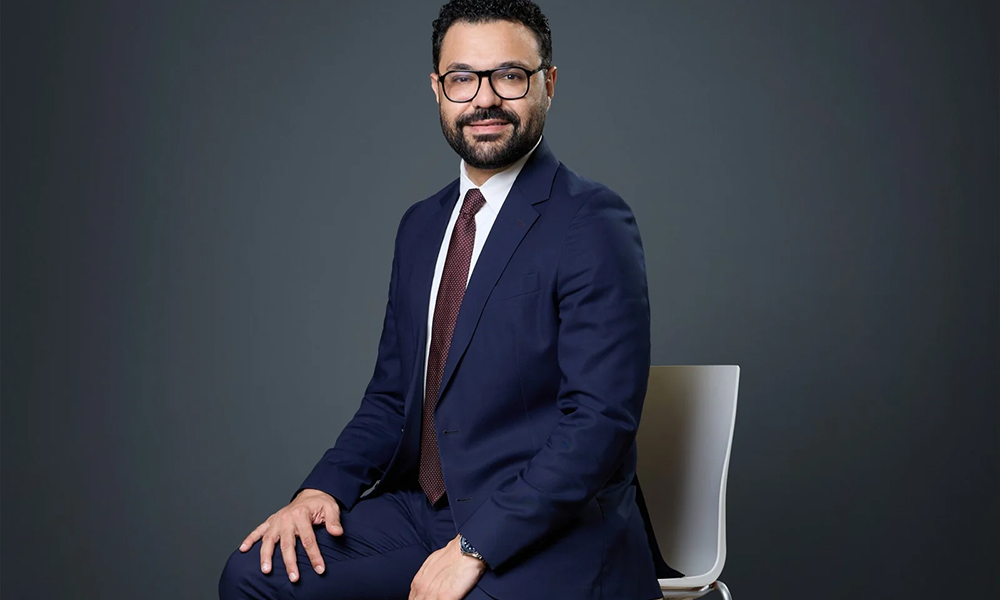
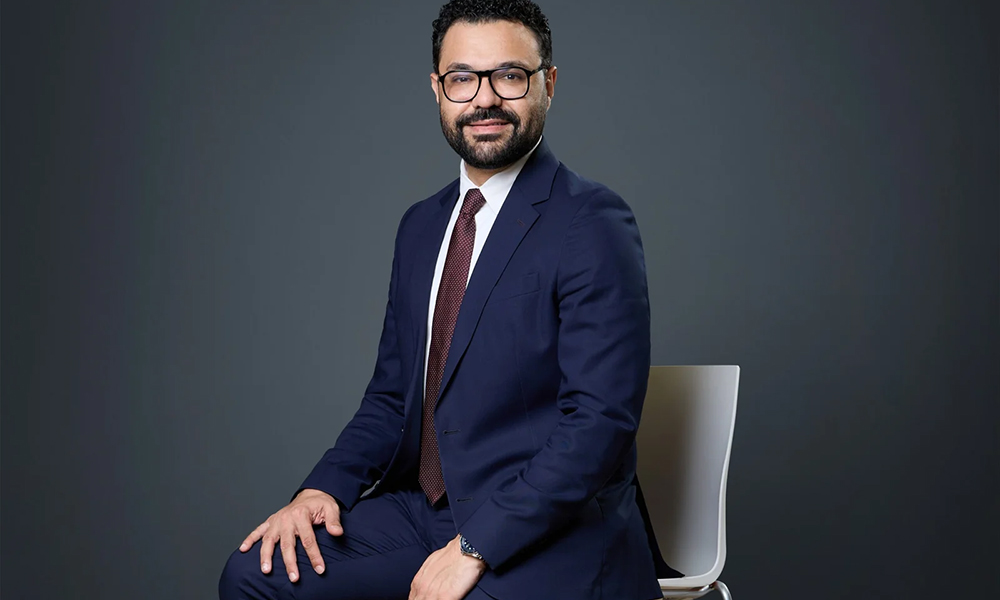
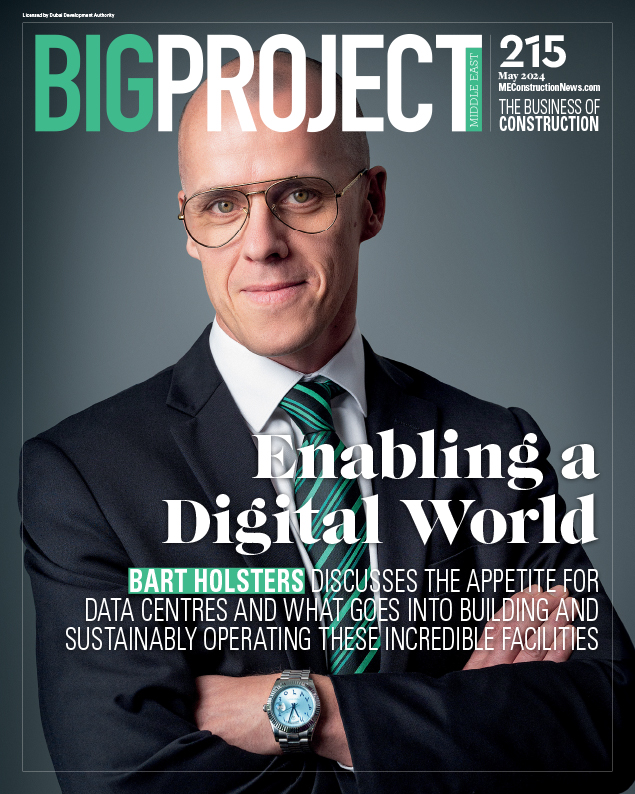
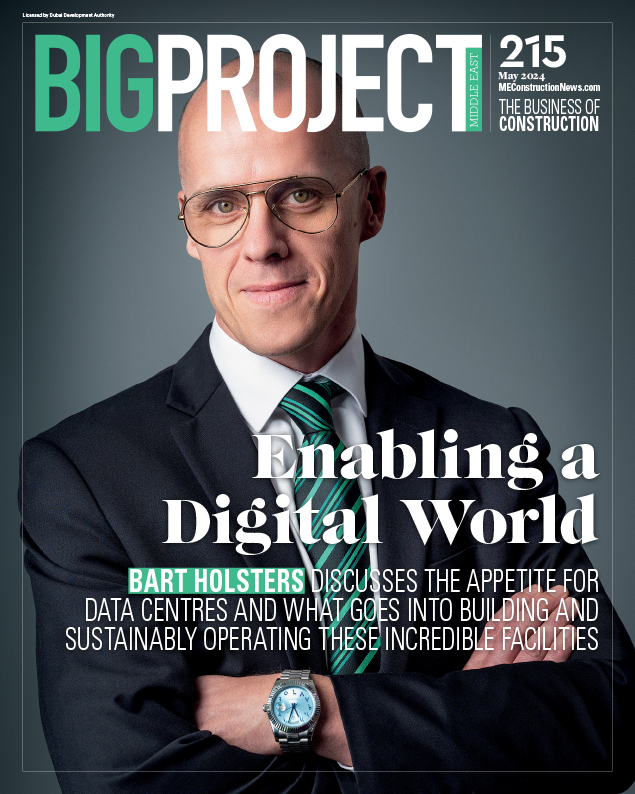
Yasser Ahmed has been appointed as the Vice President of Buildings for the Gulf Cluster at Schneider Electric, the firm has announced. With over 15 years of experience in digitisation, automation and decarbonisation, Ahmed is said to bring a wealth of knowledge to his role.

“Over 15 years, Yasser has navigated through various business roles across the region and has a proven track record of accelerating growth and strong customer relationships. He will continue to be instrumental in driving Schneider Electric’s initiatives in the region, especially for the built environment,” stated Amel Chadli, the President of Gulf Countries at Schneider Electric.

In his new role, Ahmed will lead Schneider Electric’s transformation with building end-users in real estate, hospitality, healthcare, retail, and smart communities.

Ahmed will focus on building a trusted advisor relationship to create long-term customer value by leveraging technology that makes building portfolios, assets, and spaces more sustainable, efficient, resilient, and people-centric, the firm noted.

His leadership will be instrumental in driving Schneider Electric’s contribution to this pivotal goal, marking a crucial step toward realising the nation’s sustainability objectives, concluded Chadli.

The post Schneider Electric appoints new VP of Buildings appeared first on Middle East Construction News.


Source: ME Construction News


Drake-Scull-1.jpg

May 15, 2024 foasummit0

Drake & Scull International (DSI) has announced the closing of the subscription for new capital, with proceeds exceeding US $122mn through the distribution of 2.8bn shares.

The company said the subscription was open only to current shareholders from 25 April to 10 May, at a discounted rate of 25 fils per share.

The process, which received an overwhelming response from shareholders, exceeded by 150% the minimum required to complete the restructuring process. Thanks to this solid response, DSI’s new capital will amount to $789.4mn, the firm said.

The Dubai contractor’s shares will resume trading on the Dubai Financial Market on 20 May, after completing the procedures required by the regulatory and supervisory authorities.

DSI Chairman, Shafiq Abdelhamid, commented that the company was determined to recapture its prominent position in the construction industry. “This resolve is especially fuelled by the remarkable expansion witnessed in the regional real estate market, particularly in the UAE,” he concluded.

The post Drake & Scull International finalises restructuring appeared first on Middle East Construction News.


Source: ME Construction News


Abu-Dhabi-3_1000x600-1.jpg

May 14, 2024 foasummit0

As part of its commitment to creating one of the world’s most liveable, competitive and vibrant cities, Abu Dhabi’s Department of Municipalities and Transport (DMT) has announced the launch of the ‘Plan Capital Survey’ under the theme ‘Shaping Tomorrow Together’.

According to a statement from DMT, the special initiative is designed to gather valuable insights and ideas that are representative of every segment of Abu Dhabi’s society, including citizens, residents, and businesses, amongst others, to shape the capital’s future.

The department is inviting the public to contribute to the capital city’s evolution by providing insights into various aspects of urban life, from local area and destination enhancements to future developments. The survey, which requires just four minutes to complete, is accessible to all segments of society, irrespective of education, profession, or background, the DMT stated.

“In the heart of every great city lies the collective dreams and aspirations of its people. The Plan Capital Survey embodies our commitment to nurturing these visions, shaping a future Abu Dhabi that reflects the hopes, needs, and ingenuity of every individual and organisation within our vibrant community,” said Hamad Al Mutawa, Executive Director of Planning and Infrastructure Sector at the DMT.

Running until 31 May, 2024, the survey offers ample opportunity for individuals to contribute their perspectives. Participants are encouraged to share what makes Abu Dhabi special, areas for improvement, and their aspirations for the capital city’s future. The newly-launched survey is guided by the principles of long-term sustainability, resilience, and community engagement, thereby ensuring progressive prosperity for generations to come, DMT noted.

Al Mutawa concluded, “Through this collective endeavour, we strive to shape a future that not only meets the needs and aspirations of every segment within our society but also sets new standards of excellence on the global stage. The survey reflects our commitment to creating a capital that is truly for the people, by the people, and for Abu Dhabi.”

The post Abu Dhabi DMT launches ‘Plan Capital Survey’ appeared first on Middle East Construction News.


Source: ME Construction News


Bahrain-Marina1_1000x600-1.jpg

May 14, 2024 foasummit0

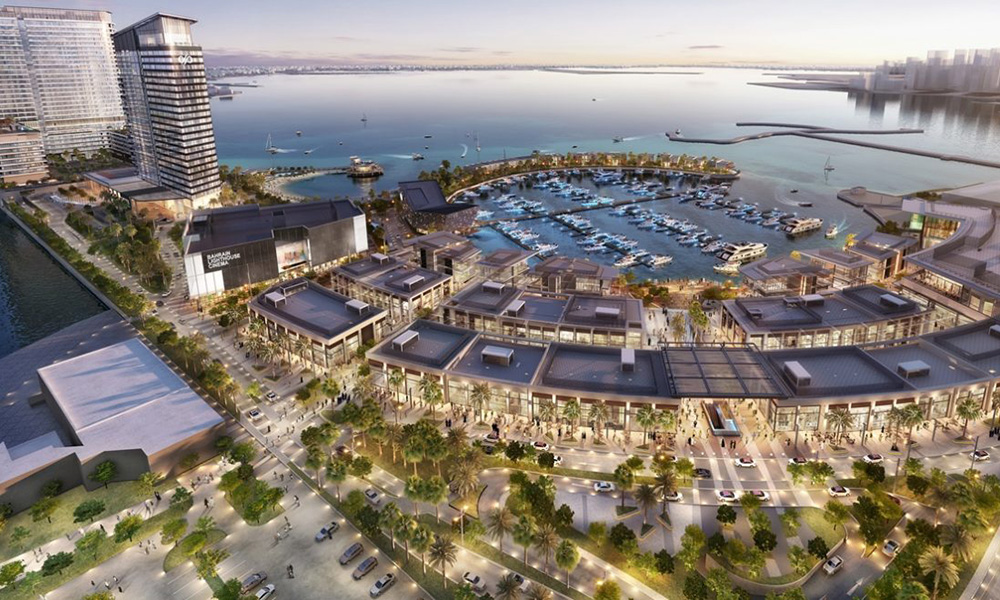
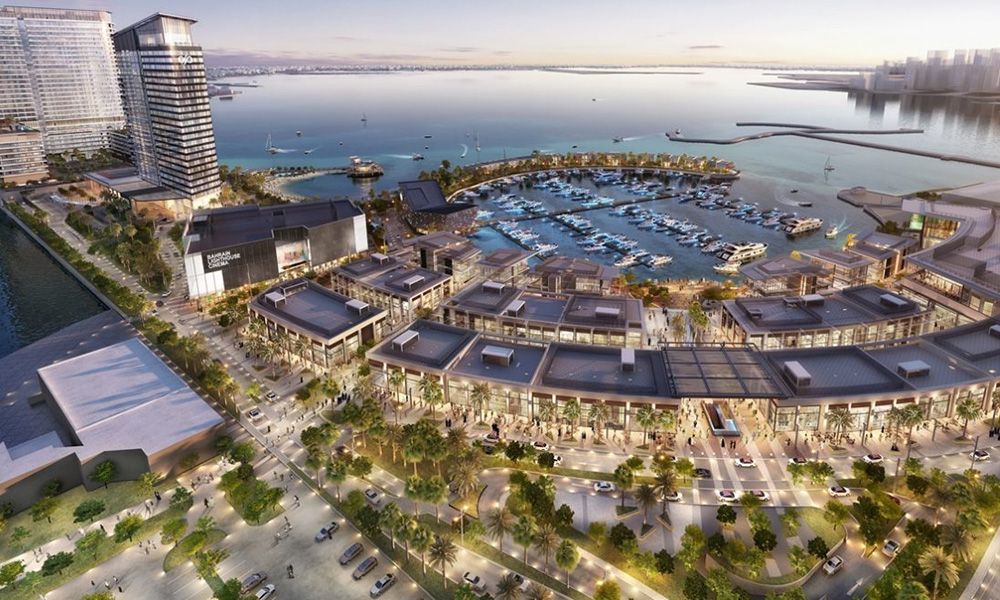
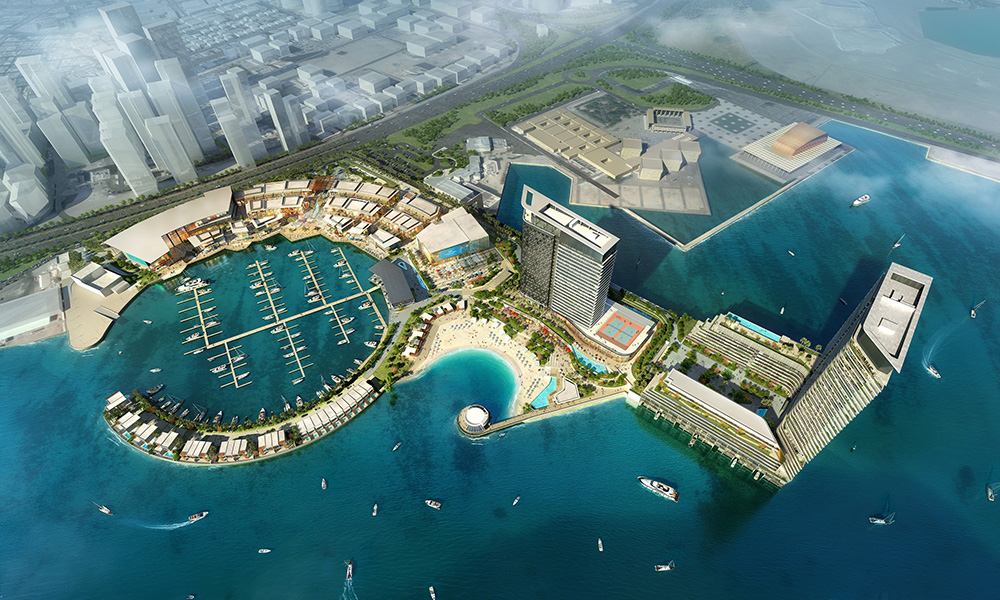
Bahrain Marina Development Company has announced that steady progress is being made on its Bahrain Marina project, which is being developed at a total investment of US $527mn in Manama. Nearly 18% of the construction work is already completed.

Designed to be a premier destination, it will feature an array of retail stores from leading brands, along with high-end restaurants, and a variety of marina-side cafes. Additionally, the project encompasses a commercial complex, a yacht parking facility, and an expansive, 3,200sqm marine club.

During a project update, the developer said the marina was not only advancing steadily towards its development objectives but also surpassing anticipated levels of progress. The completion rate of construction work had already exceeded the initial target of 17% set for the same period.

This significant progress is paralleled by another notable achievement – completing one million working hours without any accidents.

The milestone, of course, underscores the team’s commitment to safety and professionalism, critical factors in maintaining a secure and stable working environment, the developer added.

Khalid Najibi, Chairman of the Board of Directors of Bahrain Marina Development stated: “Our project is not just about constructing buildings; it’s about crafting a world-class cultural landmark in Bahrain on schedule. The success we’re witnessing is a direct result of the meticulous strategic planning and relentless efforts of our teams who are dedicated to transforming our vision into a splendid reality that reflects the prestige of the Kingdom and aligns with its future aspirations.

“Our commitment to the highest safety standards is a fundamental pillar of our operations, ensuring a safe and environmentally friendly workspace for all,” he concluded.

The post Bahrain Marina achieves million-hour safety record appeared first on Middle East Construction News.


Source: ME Construction News