Deira-Clock-Tower1_1000x600-1.jpg

May 15, 2023 foasummit0

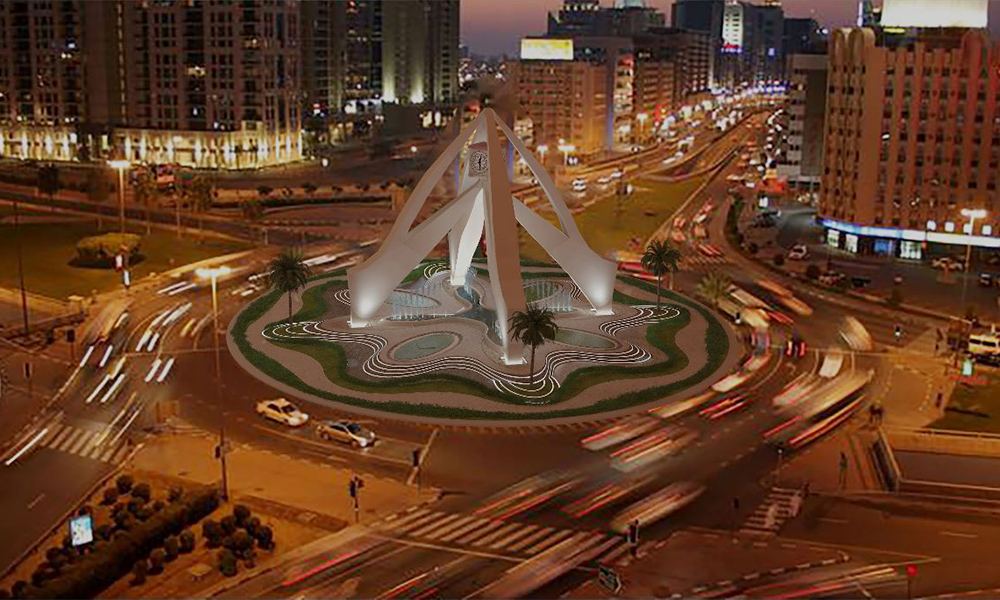
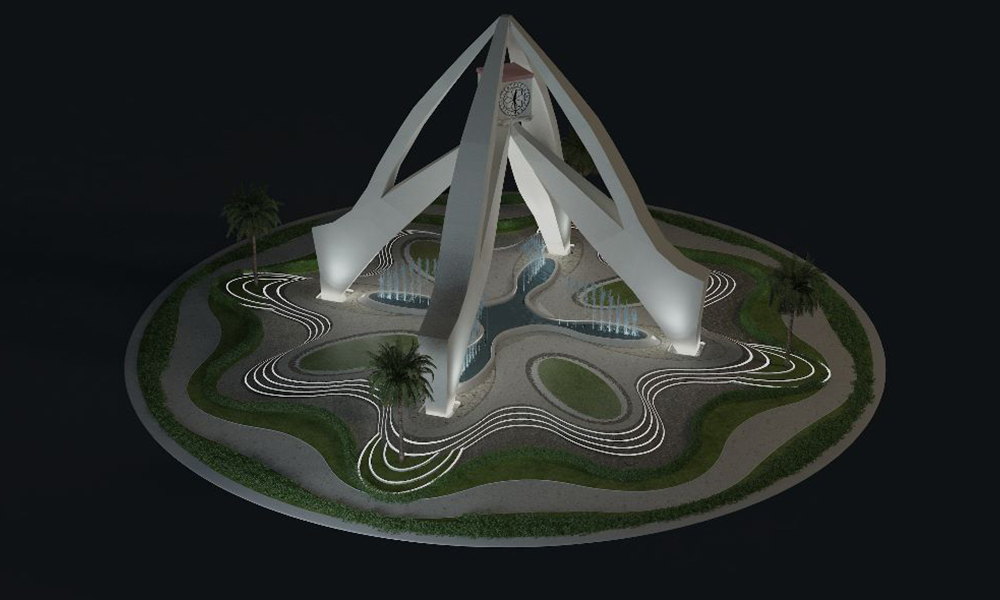
The Dubai Municipality has started development works on the Deira Clocktower roundabout. The project involves the renovation of the roundabout to improve its aesthetic appeal by integrating hard floors with greenery and multicolored lighting along with upgrading the design of the water fountain.

The project is said to reflect the municipality’s commitment to leverage its full potential to support sustainable urban development that meets Dubai’s futuristic urban and economic development goals and plans.

“Dubai Municipality has set development plans for all the prominent landmarks across the Emirate, including Deira Clocktower roundabout, which is one of the remarkable memorials and architectural landmarks that city is known for. By maintaining Dubai’s historical and architectural landmarks, and safeguarding them for future generations, this project helps the Municipality to achieve its objectives of implementing high-level sustainable urban planning that will improve the city’s appeal,” said H.E. Dawoud Al Hajri, Director General of Dubai Municipality.

He noted that the project aligns wit the Dubai 2040 Urban Master Plan, which outlines a detailed strategy for sustainable urban development in Dubai, with a focus on boosting the quality of life and happiness of people, as well as reinforcing the city’s global competitiveness.

In early October 2022, Dubai Municipality shared an update on a beach rehabilitation project and, in late January 2023, it launched a 3D underground scanning project in Dubai.

The Deira Clocktower roundabout is a significant historical and architectural landmark and is said to be one of the most stunning clock towers across the world. The clocktower was built in 1963 and holds a significant position in history as it was the first land passage between Deira and Bur Dubai, and is located at the intersection of Umm Hurair Street and Al Maktoum Street, one of the most important crossroads in Dubai. Before the construction of the Dubai-Abu Dhabi Road, it served as the initial point of junction for the main highways heading to Dubai.

Eng. Jabir Al Ali, Director of General Maintenance Department at Dubai Municipality stated that the project, which will last for three months, includes decorative gardening, replacing old floors with hard floors, implementing multicolored lighting, and revamping the fountain.

Dubai Municipality will ensure that the new modern design of the roundabout matches Dubai’s theme, while also preserving the old structure of the clocktower roundabout without interrupting its historical or architectural significance, the statement concluded.

In early April 2023, the UAE activated e-signatures for engineering contracts.

The post Restoration of Deira Clocktower roundabout has begun appeared first on Middle East Construction News.


Source: ME Construction News


Black-Veatch-Green-Hydrogen2_1000x600-1.jpg

May 15, 2023 foasummit0

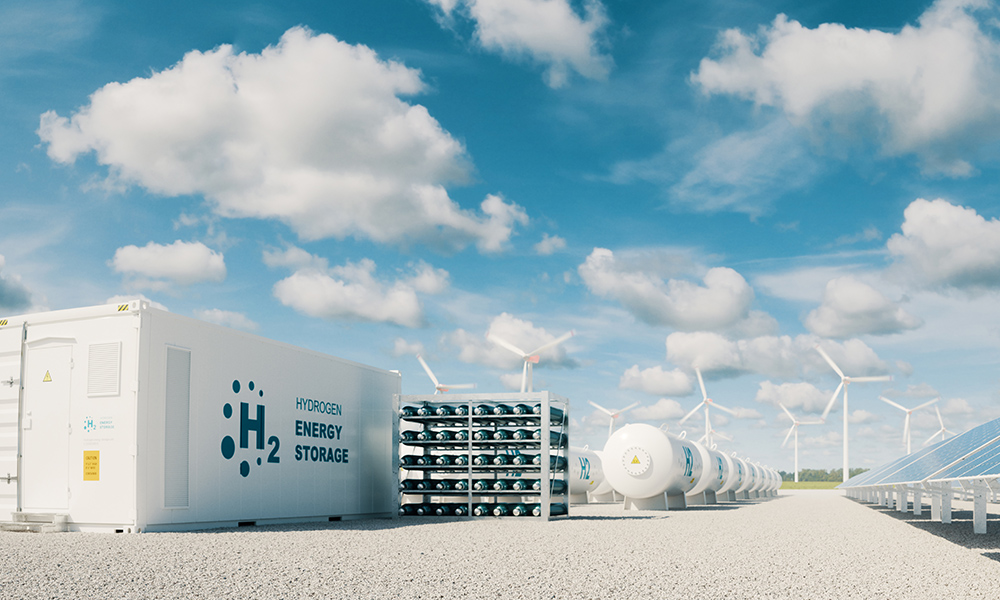
The drive to decarbonise is ushering in new ways to produce hydrogen. Traditionally hydrogen has been produced for heavy industry by industrial gas suppliers; with supplier and user often in close proximity. Green hydrogen allows for more distributed production in more diverse locations, serving a broadening client base.

This has heralded a slew of new projects – many first-of-a-kind – and new entrants into the hydrogen market. As we help organisations bring green hydrogen projects to fruition, we have identified six core considerations that require serious attention in a project’s earliest stages to ensure a successful outcome.

Consider early on how to ensure your project is safe

Safety considerations are vital. From the project’s earliest phases onwards, safety compliance has to be integrated into planning. Safety compliance is a potentially steep learning curve for green hydrogen projects because they are a fast-developing area, many aspects of which are not yet covered by designated safety regulations. Instead, in many areas existing codes and regulations are being applied to projects for which they were not originally designed. This means actions and requirements are not always explicit, and in comparison to more established types of project, more time and effort is required to understand what compliance entails.

Developers and owners need to establish a full and clear understanding of what health and safety regulators want to know in order to authorise project construction and operations. In our experience, for example, understanding how the requirements of the Control of Major Accident Hazards (COMAH) regulations, or their local equivalent, apply to green hydrogen projects requires a significant amount of time and attention. The amount of hydrogen being stored, for instance, can have a significant effect on the measures the regulations require, and thus influences other elements of the project.

Be sure water resources are sufficient to support your ambitions

An abundant and reliable water supply is essential for green hydrogen production. High-purity water is one of the feedstocks needed for electrolysis. The quantity of water consumed differs depending on the application, but roughly 9,800-litres of demineralised and deionised water is required for each tonne of green hydrogen produced. In addition to being a feedstock, water is also necessary for cooling the electrolysers and other equipment such as compressors. It is vital to know if sufficient water is available to support the capacity of electrolysis planned.

Have a clear understanding of what to do with your green hydrogen

For owners and developers of renewable energy projects, green hydrogen offers an attractive alternative to selling power. But a clear understanding of the short-to-medium-term market for the chemical is needed, which considers both local demand and markets further afield. This analysis should encompass level of demand, types of use, and the relationship between patterns of demand and your hydrogen production profile. The latter factor will influence areas such as the project’s hydrogen storage capacity, as well as potential customer base.
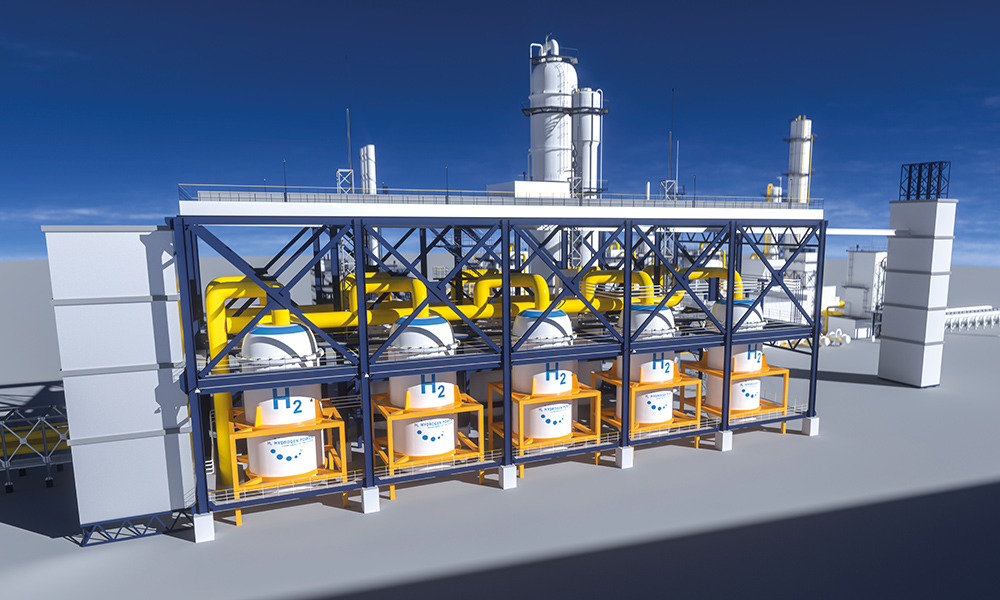
Options for transporting hydrogen is another factor that supports an understanding of how a project’s product can be used. Although the prospects for green hydrogen consumption are strong, demand in many areas is currently low. We found that local market characteristics for one green hydrogen project, for example, meant that converting green hydrogen in-situ to green ammonia resulted in a more commercially-viable product.

Establish the right balance between power output and electrolyser capacity

You are confident of your windfarm or solar array’s 100MW capacity rating. But, does this mean 100MW of electrolyser capacity is the best business choice? On this basis maximum electrolysis can only be achieved when maximum power generation is being achieved, which with intermittent renewables will not be possible consistently.

Hydrogen production calculations need to take this into account in order for customer expectations to be met, and to avoid unprofitable levels of redundant electrolyser capacity. Conversely, curtailment will be necessary if electrolyser capacity is significantly lower than typical power output. This will have a potentially adverse effect upon the cost of hydrogen production because that cost is highly dependent upon the cost of energy – which is increased when energy is wasted. Thus, it may be worth calculating not just energy yield, but the generation profile.

The ability to export surplus power to the grid will help address the power and revenue loss that curtailment may cause. For both scenarios, battery storage has a potentially valuable role. Ultimately, a trade-off between capital and commercial considerations is required to ascertain the optimal configuration for achieving the project’s business goals.

Understand the cost of your product

Include in your planning levelised cost of energy analysis and levelised cost of hydrogen analysis, or a commitment to undertake them. Doing the research to ascertain your energy costs and a per kilogramme cost for your product will inform the creation of an accurate and robust business plan – an understanding of the price points required to reach your business goals.

There are two physical hydrogen storage options, compressed or liquefied. Due to the fact that your choice of storage option will have significant implications on project cost and end-use opportunities, storage needs to be given careful consideration during the very early stages of project development. A business plan including these types of detail will help attract and reassure investors.
Early public engagement can pay dividends down the line

Making stakeholders aware of your intentions early in the development of a green hydrogen project will give you early insight into concerns that may disrupt progress. More importantly, it will give you time to address concerns before they become a major issue. You will have the opportunity to engage, inform and influence parties with reservations about your project and, if necessary, amend your plans to ameliorate those reservations at a time when change will engender fewer disruptions.

This is an opportunity to show how you are supporting the drive to decarbonise; and reassure communities that hydrogen production, storage and distribution are tried and trusted processes – you are bringing a proven technology to a new setting.

The post Green hydrogen: Six core considerations to keep your project on track appeared first on Middle East Construction News.


Source: ME Construction News


Salma-Aboul-ela-Elitzam_1000x600-1.jpg

May 15, 2023 foasummit0

Cultural infrastructure (CI) is the physical and institutional elements that support the propagation and preservation of culture. This includes museums, libraries, public spaces and cultural districts; along with educational institutions, research centres besides policies, regulations, and funding mechanisms that support the arts and culture sector.

CI is rooted in two-core principles: empowering people to partake in development that recuperates their lives; achieving the value-chain of cultural expressions, requires access to opportunities for cultural exchange and support for the preservation of cultural heritage.

Why is the term arising?

The cultural curve in placemaking has been growing since the 1980s. However, the study of culture is a fairly new entrant in the dictionary of development. Surprising right? Failing spaces around the world have created awareness around cultural aspects that should have been considered during initial development phases. Cities learnt that by overlooking the cultural dimensions of a community, spaces don’t resonate with their resident’s social cohesion, and an inclusive and equitable environment approach that promotes community identity and a sense of belonging is required.

The growing global role of culture is exemplified in the UAE. Increasing emphasis on bottom-up and participatory approaches to placemaking is witnessed; this led to collaborative initiatives that address both soft power initiatives through cultural relations, as well as those focused on placemaking transformation. Accordingly, communities participate in the design and use of public spaces, fostering a sense of place-based identity and belonging.

Where does the UAE fall in the map of CI growth?

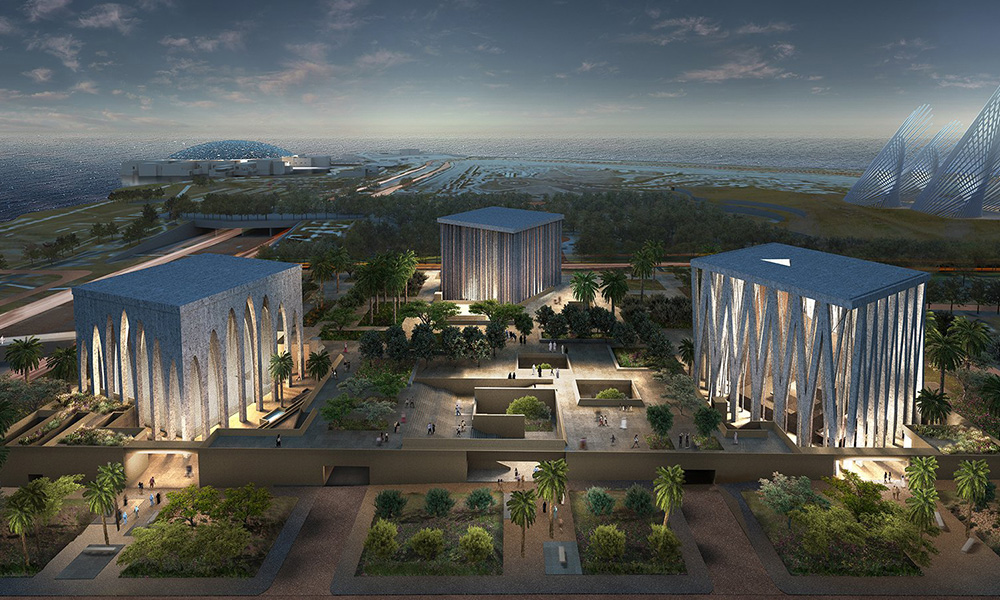
The UAE has emerged as a significant CI player, showing focus on studying the complex and subtle ways in which culture influences a city’s development. The UAE has invested in many cultural initiatives that reflect its commitment to preserving and promoting CI. These include “Hala China” and the “Sheikh Mohamed Bin Rashid Centre for Cultural and Social Understanding” initiatives, as well as the “Zayed National Museum” and the “Abrahamic Family House” in Abu Dhabi. Other examples are the country’s Heritage Villages, experiential centres and museums.

What are the challenges the UAE faces in further integrating CI? How can it be tackled?

The UAE has an unusual proportion of expatriates, making-up over 80% of the population. The expat community brings a diverse range of cultural backgrounds, which can enrich the cultural landscape of the UAE. Yet, this entails that the management of CI must account for the ever-changing needs and interests of this diverse population.

The arrival of large groups from a country can lead to increased demand for cultural programming that reflects their interests. Enrichment of cultural diversity is probably the most exciting thing about this, whereby the community is inspired to explore new cultural traditions and perspectives.

The UAE demonstrates remarkable adaptivity, creating initiatives such as the implementation of multi-lingual signage tailored to the cultural concentration of the expat community of the area, and others such as introducing innovation hubs in the capital to attract cultural talents and feed the integration of new cultures. These adjustments show commitment to inclusivity and sensitivity to the diverse needs of the population.

UAE expats are fusion humans born from the amazing exposure they get. The UAE expat demographic has its challenges and opportunities; and there is no better country to handle that than the UAE.

The post The rise and significance of cultural infrastructure appeared first on Middle East Construction News.


Source: ME Construction News


May 12, 2023 foasummit0

Oman’s Ministry of Health has started the construction of 11 new hospitals across a number of key governorates, in order to develop the health sector and keep pace with the demands of the nation’s rapidly-growing population.

Jamal Salim Al Shanfari, Director General of Projects and Engineering Affairs at the Ministry of Health, explained that the projects under way include the new Al Suwaiq Hospital in North Al Batinah Governorate (with a capacity of 307 beds; to be completed in 2024) and the new Sultan Qaboos Hospital in Salalah, Dhofar Governorate, which is expected to be completed in 2025.

He added that the new Khasab Hospital in Musandam Governorate (164 beds) is planned to open in 2024. In addition, the Ministry of Health is upgrading Mad’ha Health Centre in Musandam Governorate, to make it a fully-fledged hospital, scheduled to open later this year (2023).

Meanwhile, the Thamrait Health Centre will also be upgraded into a full hospital and is expected to be completed during 2023. Jamil Salim Al Shanfari explained that the designs and layout of three new hospitals are being finalised in preparation for the formal bidding process. They are the new Samayil Hospital in Al-Dakhiliyah Governorate; Al Nama Hospital in North Al Sharqiyah Governorate; and Al Falah Hospital in South Al Sharqiyah Governorate. He added that the new Khasab Hospital in Musandam Governorate (164 beds) is hoped to be open in 2024, pointing out that the Ministry of Health is additionally upgrading Mad’ha Health Centre in Musandam Governorate, giving it full hospital status for late 2023.

Meanwhile, preparatory tasks are also under way for setting up the new Mahout Hospital, in Al Wusta Governorate, with the project scheduled to be opened in 2025.


The post Oman announces plans for 11 new hospitals appeared first on Middle East Construction News.


Source: ME Construction News


Water-Treatment_1000x600-1.jpg

May 12, 2023 foasummit0

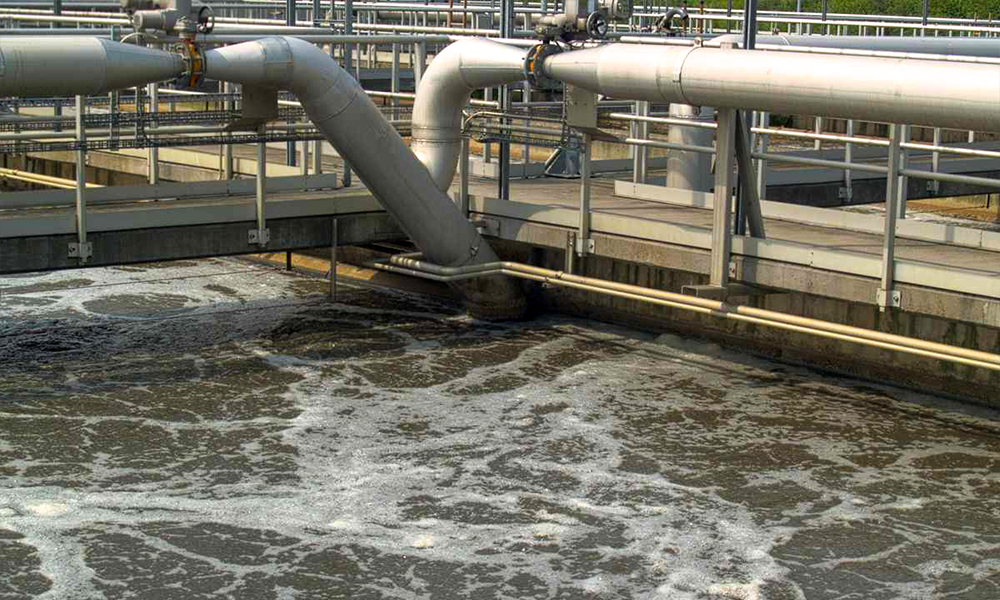
Fisia Italimpianti, a subsidiary of the Webuild Group, has won two contracts with a combined value of $439m, for the construction and management of a water treatment plant in the Zuluf onshore oil facility, Saudi Arabia.

A global leader in water treatment and desalination plants, Fisia Italimpianti said these contracts mark its entry into the oil and gas industry and its return to the operation and maintenance segment of the water sector.

The project strengthens Webuild’s position in the water industry, a field where it aims to grow market share, according to its recently announced 2023-2025 roadmap.

The first contract clinched by Fisia Italimpianti involves engineering, procurement and construction (EPC) services worth $327 million.

The project scope includes the construction of a plant for the Zuluf Central Processing Facilities, which is required to support onshore structures, and is in fact part of the Arab Heavy Crude Oil Increment development programme being led by oil giant Aramco.

Located in eastern Saudi Arabia, 6 km west of the airport in Tanajib, it will be built for a consortium comprising of Almar Water Solutions and Aljomaih Energy and Water Co Ltd., on behalf of Aramco.

As per the contract, Fisia Italimpianti will build the plant that will treat, de-gas and filter water for iron and suspended solids at a maximum production capacity of 185,000 cu. m. per day.

The plant will reinject the water in the oil wells to facilitate the production of Arab Heavy crude oil by maintaining pressure in the wells. The project is expected to take three years to complete and create approximately 1,500 direct and indirect jobs.

For the second contract – worth $112 million – Fisia Italimpianti will be a joint-venture partner with Almar Water Solutions, Aljomaih Energy and Water Company and Aquatech International. It involves the operation and maintenance of the completed plant for 25 years.

Fisia Italimpianti has enjoyed a long history in the Middle East, where it has built desalination and water treatment plants in the UAE, Qatar, Kuwait and Bahrain. Across the globe, its plants provide potable water for more than 20 million people.


The post Webuild unit wins $439m Saudi water contracts appeared first on Middle East Construction News.


Source: ME Construction News

CMME-Awards-Winner_1000x600_02-3-1.jpg

May 11, 2023 foasummit0

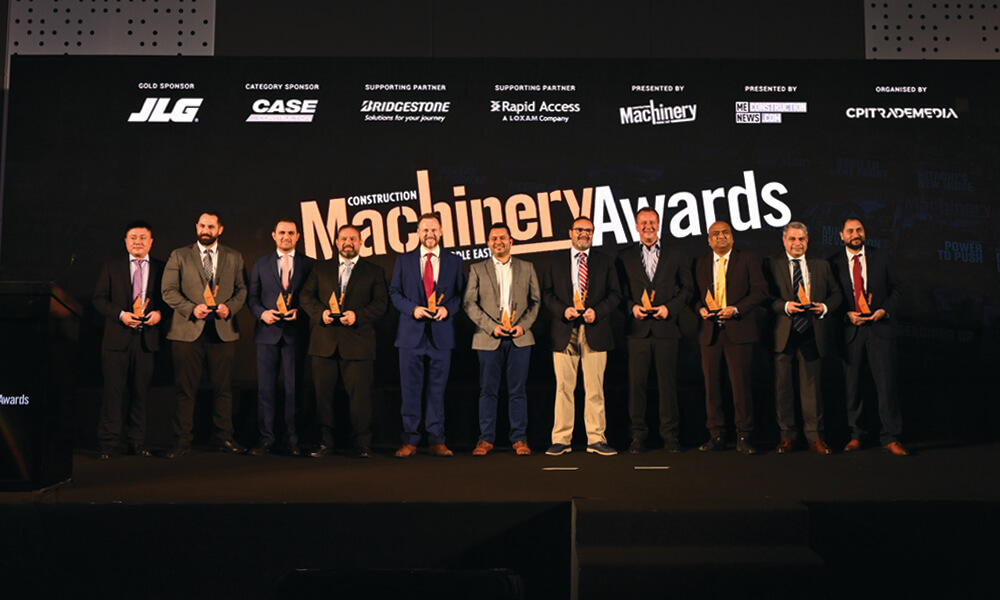
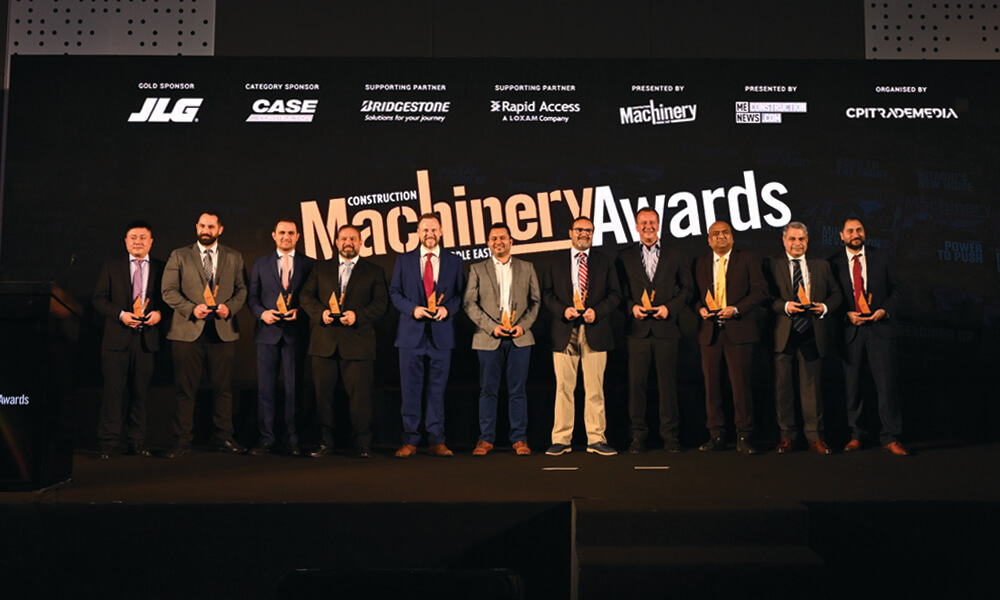
Voting for the second Construction Machinery Middle East Awards will now continue to 19th May, 2023, after a record 6,000 votes were recorded up to this week’s first deadline. 

The Construction Machinery Middle East Awards celebrate manufacturers, suppliers and dealers whose machinery plays a key role at the heart of the GCC economy through a region-wide vote.

Head of content Stephen White said the extension was agreed after voting numbers continued to stream in on deadline day.

“We had such a good response to our first awards last year, but the voting this year has blown it out of the water,” he said. “We want to make these awards as inclusive as possible, and with voting still going strong, it makes sense to register as many votes as we can.”

He added: “Thank you to everyone who has taken part so far, and now we can focus on reaching to many more people to make sure the final winners reflect the machinery community’s opinion as accurately as possible.”

This year’s awards are also asking for users of machinery and equipment in sectors such as construction, infrastructure, FM, as well as members of the logistics chain in the market, to submit nominations in the special contractor and end-user awards.

The deadline for nominations in categories such as FM contractor of the Year and Roadbuilder of the Year is also set for the 19th May.

“If you have voted already, but haven’t nominated yourselves yet, then I urge you to visit the site and fill in the nomination form as soon as you can,” urged Stephen White. “Don’t miss this opportunity to get your hard work recognised!”

The post Construction Machinery ME Awards voting deadline extended after a record response appeared first on Middle East Construction News.


Source: ME Construction News

Large-EXT10-Bridge-Driveway-1.jpg

May 11, 2023 foasummit0

Serco has been appointed by Red Sea Global (RSG) to act as the managing agent for a full suite of sustainable mobility services across Saudi Arabia’s new tourism destination, The Red Sea and Amaala. The contract will see Serco working with RSG’s Mobility team to ensure a world-class, Net Zero mobility experience for guests at The Red Sea.

The carbon-neutral destination covers more than 90 islands of which only 22 will be developed. The resorts will be reliant on multiple modes of green transport across land, marine, and air – from seaplanes and boats to buggies – to ensure that guests enjoy a seamless luxury experience from the moment they arrive.

Following their successful partnership with Transport Management Services (TMS) Global, this marks Serco’s first major transport partnership within a giga-project. Serco will be responsible for supporting the oversight of operations and maintenance, performance management, health and safety, and guest experience across the development.

“This landmark partnership for our transport operations in Saudi will create new roles in the Kingdom and is very much aligned with our company purpose of bringing national visions to life. Our global experience in mobility operations, coupled with the huge ambitions for The Red Sea, means guests will enjoy an incredible experience throughout their entire journey. Through giga projects, such as this one, Saudi is pushing exciting boundaries in the use of innovations, technology and international best practices to deliver the best possible customer experiences,” said Phil Malem, CEO, Serco Middle East.

In early February 2023, Serco launched its ESG focused ‘Advisory with Purpose’ division and, in early May 2023, RSG launched its new adventure sports company in Saudi Arabia.

John Pagano, Group Chief Executive Officer, Red Sea Global

John Pagano, Group CEO at Red Sea Global said the unique mobility requirements for The Red Sea are ambitious ones. He noted, “Our mobility network was meticulously designed to advance our vision, redefining destination operations in line with our regenerative approach to tourism development. In Serco, we have found a best-in-class partner who shares our values in prioritising people and the planet, armed with global delivery expertise to shape seamless experiences for our guests.”

The Red Sea is on track to welcome its first guests this year when the initial hotels open, alongside the first phase of the Red Sea International Airport. Upon full completion in 2030, the destination will comprise 50 resorts, offering up to 8,000 hotel rooms and more than 1,000 residential properties across 22 islands and six inland sites. The destination will also include luxury marinas, golf courses, entertainment, F&B, and leisure facilities.

“In addition to providing the ultimate guest experience, equally important to The Red Sea is ensuring that mobility modes operate within high standards of sustainability to protect the stunning location. Our Serco team, including our Advisory with Purpose division experts, will be working closely with all stakeholders, to coordinate journeys that deliver luxury guest experiences, as we prepare to welcome millions of tourists each year,” concluded Samantha Rowles, Operations Director for Transport at Serco Middle East.

In early May 2023, Saudi Arabia said it was targeting massive growth in hotel capacity.

The post Serco to provide carbon-neutral mobility at Red Sea and Amaala appeared first on Middle East Construction News.


Source: ME Construction News


Reem-Hills_1000x600-1.jpg

May 11, 2023 foasummit0

Developer Q Properties has announced the launch of the second phase of its new luxury apartments at Reem Hills – after all the units in Phase One were sold out in record time, the firm said.

Located in the heart of the capital and billed as the only gated community on Al Reem Island, Phase One of the new residential offering attracted immediate buyer interest; it was the largest on the Abu Dhabi market, set in a highly desirable neighbourhood and featured an extremely competitive price point, the statement explained.

Meanwhile, the newly-launched Phase Two features two new buildings with 300 residential units and consists of spacious one-, two- and three-bedroom apartments, as well as three-bedroom townhouses.

Announcing the launch, Q Properties said all these apartments come with a two years’ service charge waiver, thereby offering an attractive extra benefit for potential customers.

In late November 2022, Ellington Properties said it awarded a US $30.5mn contract for the development of Ellington House and, in late February 2023, Sobha Realty launched Verde by Sobha in Dubai’s JLT district.

All the apartments are said to be designed with absolute comfort and ease of use in mind, with open, closed and combined kitchens and dining, maid’s rooms, en-suite bedrooms, ample storage, dedicated laundry areas, walk-in closets, and large balconies.

On the launch, Q Properties CEO, Ben Hudson, said, “We were delighted at the market’s incredibly positive response to Phase One and are now excited to launch this second phase and anticipate an equally great reaction. It clearly shows the demand out there for spacious, beautifully designed homes in a well-connected yet peaceful community with plenty of green space for everyone to enjoy, while being close to a fantastic retail destination.”

Since Q Properties also believe that a ‘commitment to wellness’ should be at  the heart of every design, residents can explore extensive landscaped areas, relax in covered plazas, or enjoy a picnic or barbecue in lush green parks. There are also walkways for strolling, jogging, and cycling, plus outdoor fitness zones and temperature-controlled pools, the statement concluded.

In early April 2023, Dubai saw Q1 sales of 88 homes worth over $10mn.

The post Phase Two of Reem Hills announced appeared first on Middle East Construction News.


Source: ME Construction News


Compass-Saudi-Partnership1_1000x600-1.jpg

May 10, 2023 foasummit0

Compass Project Consulting (Compass) has inked a partnership deal with the Afyaa Group and ENVI Eco-lodges for the development of the new ENVI Al Ahsa Farm project in Saudi Arabia. The announcement is said to have been formailised at the Future Hospitality Summit Saudi Arabia.

Celebrating our latest construction management win – with the new service line being launched in January 2023 – our team has been chosen to provide turnkey construction management services, complemented by our expert project development solutions, for the upcoming ENVI Lodges Al Ahsa Farm, a nature-driven wellness retreat, Compass said in a statement.

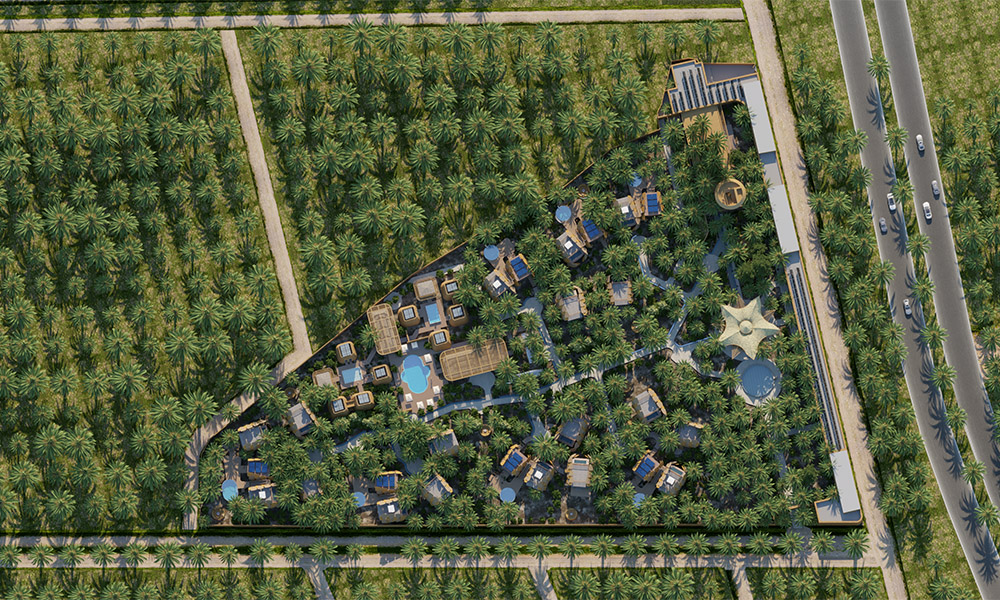
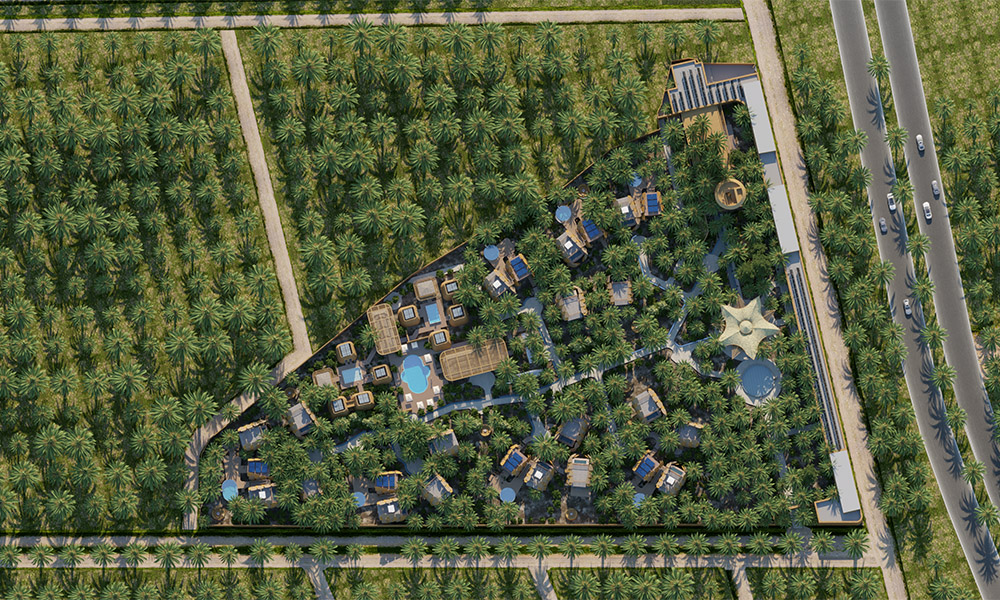
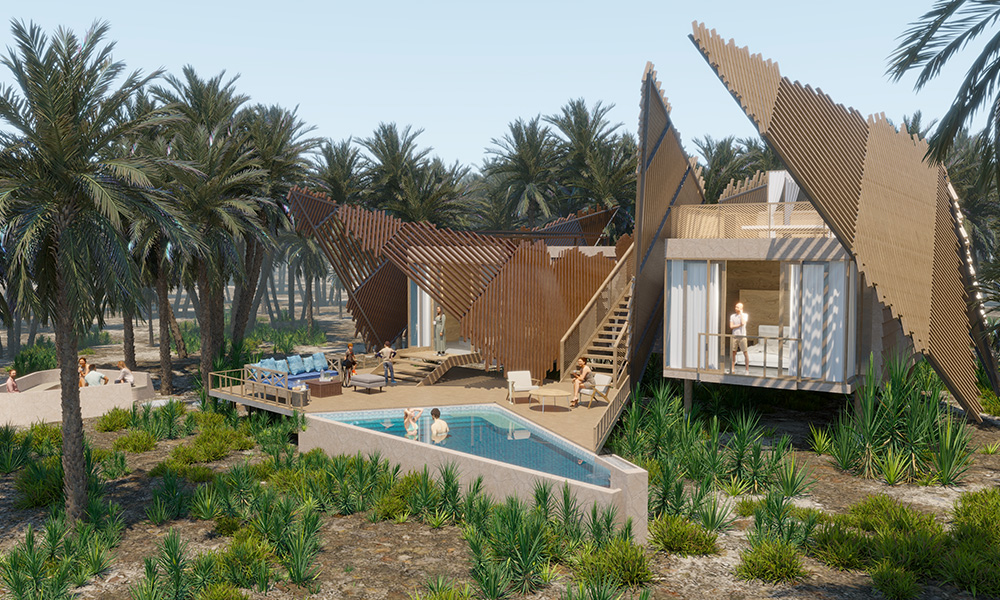
The new ENVI Al Ahsa Farm will feature state-of-the-art amenities and will showcase how modern construction techniques and design can be used to create eco-friendly lodges that are in harmony with their surroundings. The design of the 25 eco pods at ENVI Farm Al Ahsa is inspired by the natural elements of the surrounding environment. These low-impact pods, some of which feature private pools, will be complemented by a farm-to-table dining concept, a holistic wellness sanctuary, and a range of leisure activities suitable for fitness enthusiasts, eco-educators, and crafts enthusiasts alike, the statement from Compass explained.

‘’Our partnership with Afyaa Group and ENVI Eco-lodges is a testament to the trust and confidence that our clients have in our commitment to excellence in project delivery and the development of the Kingdom’s Vision 2030. We are thrilled to be associated with this project, which promises to be a major attraction for visitors to Al Ahsa, and a landmark achievement for eco-friendly hospitality in the Kingdom,” explained Spencer Wylie, Chief Executive Officer at Compass Project Consulting.

In early November 2022, Compass appointed a new Regional Director of Project Management and, in early May 2023, Red Sea Global launched a new adventure sports company in Saudi Arabia.

ENVI is a luxury experiential ecolodge specialist, and is said to be renowned for its environmentally conscious lodges that offer immersive experiences in nature. The company specialises in tented camps and eco-pods that adhere to high sustainability standards. Each lodge is designed, developed, and managed according to ENVI’s seven sustainability pillars, which prioritise the protection of wildlife, mindful use of resources, and support for local communities, the statement added.

All parties involved share a common ethos, believing that the future of tourism lies in the creation of nature-centric lodges that not only regenerate the environment but also provide guests with purpose-driven, transformative experiences, the firm confirmed.

Compass notes that it is committed to offering project solutions that empower its clients to achieve their desired outcomes. Having assembled a world-class team of integrated design and technical construction consultants including industry trailblazers Fractal Architects, and Kristina Zanic Consultants, we will work closely with both the owners and operator to ensure that the project is completed to the highest international eco-awareness principles, the statement elaborated.

“The ENVI Farm Al Ahsa promises to offer a unique and sustainable nature-centric experience to travelers seeking a memorable destination in the largest governorate of the Kingdom. We are thrilled to witness the development of this project, and we have full confidence in our partnership with Compass as the perfect project partner,” concluded Abba Al Saleh, Chief Executive Office of Afyaa Group.

In early May 2023, Saudi Arabia said it was gearing up for massive growth in hotel capacity.

The post Compass inks deal with the Afyaa Group and ENVI Eco-lodges appeared first on Middle East Construction News.


Source: ME Construction News


Moataz_Mosalla_JLL_1000x600-1.jpg

May 10, 2023 foasummit0

Defining success in real estate project management is relatively easy but achieving it is often more difficult. One of the most common reasons that projects fall short of expectations is the failure to correctly identify and address the concerns of the wide range of stakeholders impacted by any real estate project. The role of effective stakeholder engagement is  often overlooked. This is visible across the Middle East and North Africa region, where projects face delays and cost overruns because of disgruntled third-party stakeholders dissatisfied with how things are.

Most project managers would agree that any successful project is delivered to  the client’s expectations within the agreed timelines, cost parameters and to the required quality. However,  the external stakeholder’s  influence in achieving or preventing this success, is often dismissed as a subjective aspect beyond the control and scope of the project manager.

Savvy project managers recognise the inherent dangers in ignoring the expectations of external stakeholders and make the effort to identify these stakeholders, engage them in the process and take measures to assure their expectations are met.

While it is not possible to please everyone all the time, as some stakeholders may have mutually exclusive expectations, this should not dissuade the project manager from identifying those expectations and do whatever is possible to address them.

Broadly, a stakeholder is a person or entity who can affect or be affected by an ongoing project or its outcome. Therefore, the first step for successful project management is to identify all stakeholders, internal and external, early in the project lifecycle and review who may influence or get impacted.

Client, developers, owners, investors, architects and contractors are obvious stakeholders as are government agencies governing traffic, planning and building codes. But many project managers fail to recognise other stakeholders such as neighbouring landlords or the department of public utilities. In Egypt for example, many external governing bodies are influential stakeholders with the ability to either accelerate or delay a project. Still, these stakeholders are not always addressed.

Once the full range of stakeholders have been ascertained, the next step is to correctly identify their interest, influence and expectations in relation to the  project. The process requires the project manager to analyse both internal and external stakeholders’ positioning (level of interest) and power (level of influence), typically grouped into four groups:

  • High power, high interest (investors, government bodies, owners)
  • Low power, high interest (communities, protection agencies)
  • High power, low interest (employees, regulators)
  • Low power, low interest (competitors, suppliers)

This process should be undertaken iteratively throughout each stage of the project lifecycle, from initiation to close out.

Another important task for  the project manager is  to control and reduce risk. It typically involves creating a risk matrix, assessing and quantifying attributes (possibility and impact) and creating possibility/impact (PI) measures to manage and mitigate risk.

In summary, the successful delivery of any project is influenced by the ability to effectively manage stakeholder expectations. The key to optimum stakeholder management is understanding that any affected individual or organisation can either positively or negatively impact any project delivery.

Read more:

The post Why effective stakeholder management is key to project success appeared first on Middle East Construction News.


Source: ME Construction News