Alec-Energy-Solar-Earth3_1000x600-1-1.jpg

March 9, 2023 foasummit0

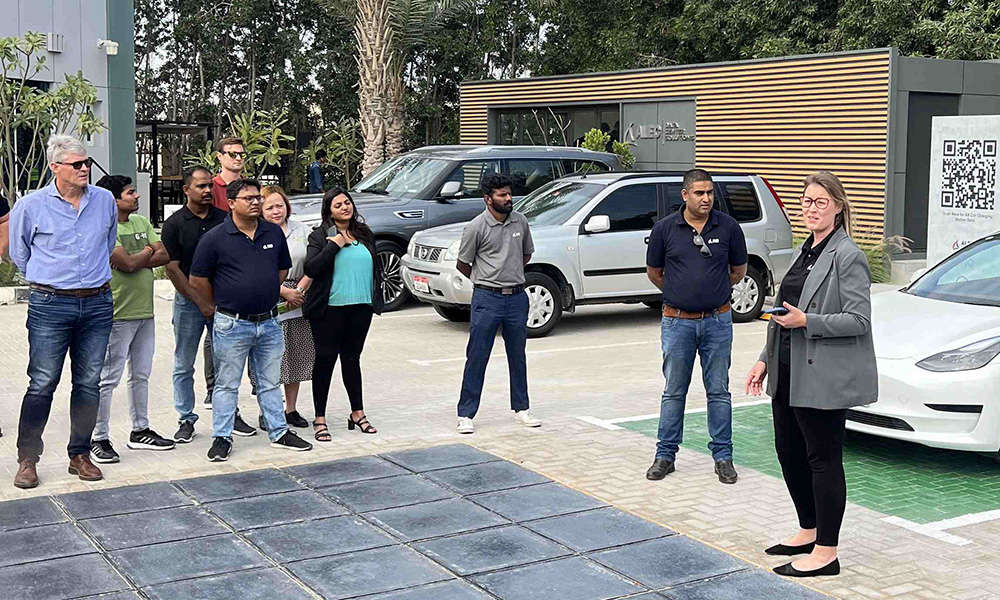
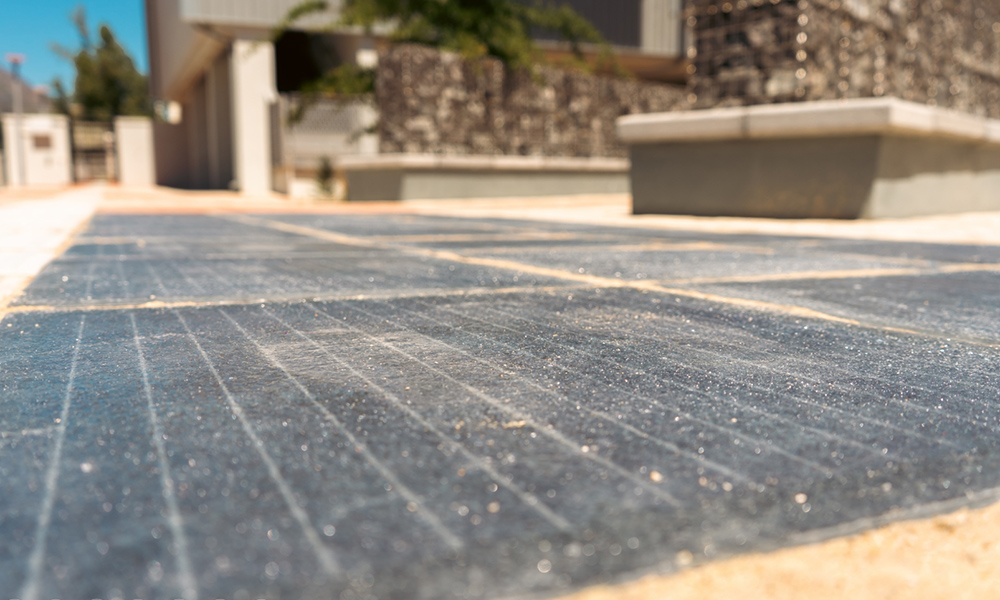
ALEC Energy has partnered with Solar Earth as part of its drive to advance innovation in clean energy production in the region and beyond. Canada-based Solar Earth has developed what’s billed as the world’s most rugged pavement integrated photovoltaic (PIPV) solution, touted by the firm as the ‘Toughest Solar on Earth’.

Solar Earth’s PIPV solution will enable governments and private enterprises to carry out wide scale solarisation of every hardscape infrastructure such as pavements, roads, plazas, and parking lots, turning these into clean energy generating assets, ALEC Energy said in its statement. The firm added that the region’s first PIPV solution is being implemented at ALEC Group’s modular manufacturing factory in Dubai (LINQ Modular).

ALEC Energy is a related business division of ALEC Engineering and Contracting, and offers a complete turnkey solution for all types of solar and hybrid energy plants. ALEC Energy recently delivered the world’s first off-grid micro-grid at the Mohammed bin Rashid Al Maktoum Solar Park in Dubai.

“While the GCC has been blessed with a perennial abundance of sunlight, the constraints of traditional solar panels have limited the ability to unlock the immense potential of this clean energy source,” said Basar Kayali, General Manager of ALEC Energy.

Solar Earth panels are said to be skid resistant and unlike their traditional counterparts, they have been designed to be extremely rugged – able to withstand up to five tonnes of weight and harsh weather conditions.

Thanks to this rugged design, the panels enable public and private sector entities to take traditional sunk costs infrastructure and provide a return on investment, by transforming these into dual-use, revenue-generating surfaces. ALEC Energy’s decision to introduce the technology in the GCC followed months of comprehensive evaluation and feasibility studies to ensure a ‘right fit’ for the needs of the region, the firm explained.

“With countries across the GCC clearly outlining intentions to achieve Net Zero by as early as 2050, regional governments are turning to the private sectors to help pioneer advancements in the future of responsible energy production. We are thrilled to see the UAE taking the lead in innovation, clean energy, and Net Zero action,” explained Damarys Zampini, representative of Solar Earth.

The PIPV solution was unveiled at an event held at ALEC Group’s modular construction facility (LINQ Modular) in Dubai and attended by Gabriel Jabbour, Trade Commissioner for the Consulate General of Canada in Dubai.

“Today, together with Solar Earth, we are redefining what photovoltaic solutions are capable of and thereby enabling an entirely new range of possibilities for their deployment. In doing so, we are helping usher in the new era of solar energy production, one where it is no longer restricted to large solar farms and commercial facilities alone but can be seamlessly incorporated into the vast amount of commercial, municipal, residential, and other infrastructure that has already been built,” Kayali added.

In late August 2022, ALEC Energy and Stantec signed a MoU to establish a roadmap towards achieving decarbonisation and sustainable energy goals.

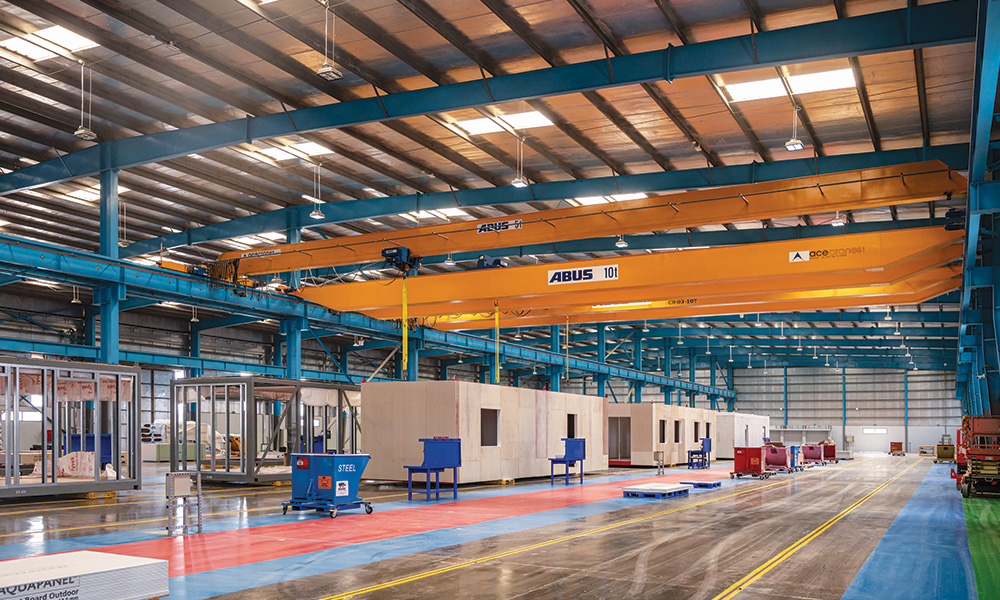
An interior shot of the LINQ Modular facility in Dubai

As a demonstration of the capabilities of the PIPV solution, ALEC Energy utilised 24m2 solar cells connected to a 22kW electric vehicle charger. At the event, the company also commenced its 461kW-peak solar plant at the modular construction factory for the generation of enough energy needed for the facility’s main office building.

Zampini concluded, “Our partnership with ALEC Energy, and the landing of our first shipment in the UAE sets the tone for COP28 and the country’s commitment to doing, not just talking, about its Net Zero goals.”

In late December 2022, ALEC’s CEO Kez Taylor discussed the US $100mn TARGET Engineering acquisition with Big Project Middle East.

The post ALEC Energy partners with Solar Earth to bring pavement integrated photovoltaic solution to the GCC appeared first on Middle East Construction News.


Source: ME Construction News


Mining-Shot_1000x600-1.jpg

March 9, 2023 foasummit0

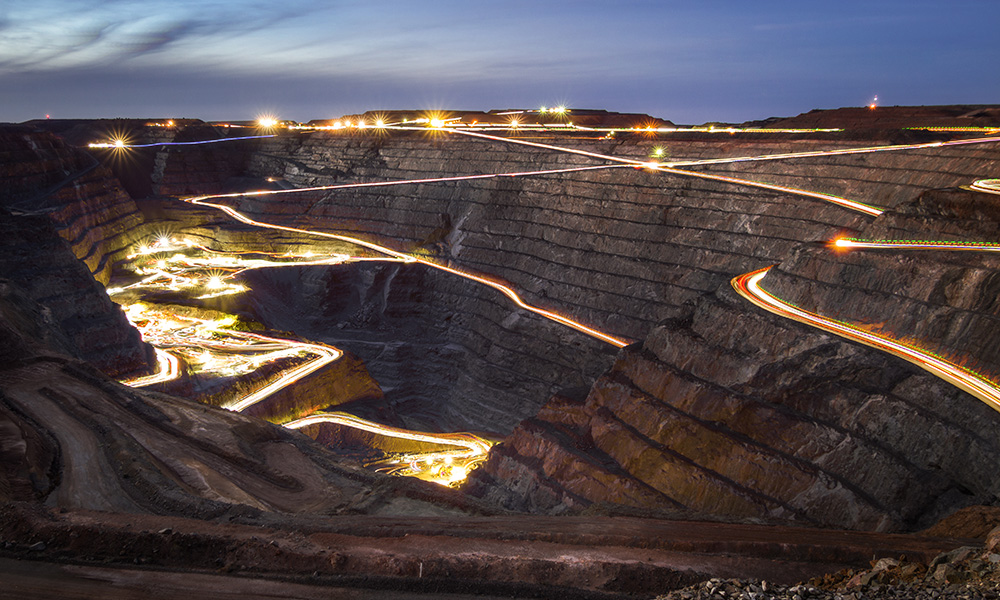
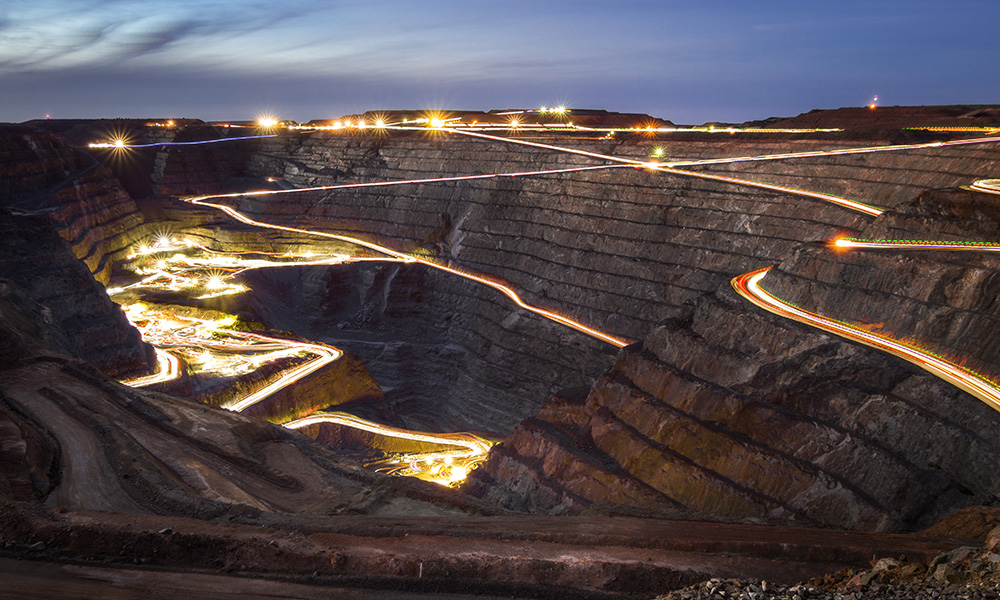
Saudi Arabian Mining Company (Ma’aden), the largest multi-commodity mining and metals company in the Middle East – and based on market capitalisation, one of the top five mining companies globally – has been granted a captive license by Dubai International Financial Centre (DIFC).

Captive insurance is a risk financing mechanism in which a company is able to insure itself against potential losses. In a captive insurance arrangement, the insured brings its risk in-house by creating a licensed company that provides insurance to its parent organisation.

With 17 mines and sites and 6,000 employees, Ma’aden is said to be among the world’s fastest-growing mining companies, and noted that it is committed to responsible and sustainable operations. Ma’aden is developing the mining industry in line with Saudi Arabia’s Vision 2030, a statement from the firm added.

“We look forward to establishing our presence in DIFC with the new captive licence. The Centre’s strategic location, modern business environment, and world-class services will support Ma’aden in achieving our growth strategy,” said Yaser A Barri, Chairman of Ma’aden Captive, Ma’aden Re Limited.

In late November 2022, Caterpillar demonstrated its first battery electric large mining truck and, in early December 2022, Magna Tyres introduced three new mining tyre sizes.

Establishing a captive in DIFC gives Ma’aden a strategic location to convene board meetings, access DIFC’s reinsurance market, and be close to its headquarters in Saudi Arabia. In addition, DIFC is said to provide an optimal environment for captives, allowing firms to take full control of their risks while gaining greater financial flexibility and protection.

DIFC Authority CEO, Arif Amiri added, “As the region’s insurance hub, including captives, DIFC looks forward to supporting Ma’aden in achieving its growth goals and helping them better control risks and reduce costs.”

He added that DIFC’s captive license will provide Ma’aden with financial, strategic, and operational advantages. By forming its own insurance company to protect against unique business risks, Ma’aden can manage difficult-to-insure risk exposures, cover gaps in its risk management programme, and capture profitable premiums that would otherwise be paid to commercial insurers, the statement concluded.

In mid January 2023, PIF and Ma’aden signed a JV to establish a new entity to invest in global mining assets.

The post Saudi mining titan awarded DIFC captive license appeared first on Middle East Construction News.


Source: ME Construction News


WIC-Profile-ACCIONA_1000x600-1.jpg

March 9, 2023 foasummit0

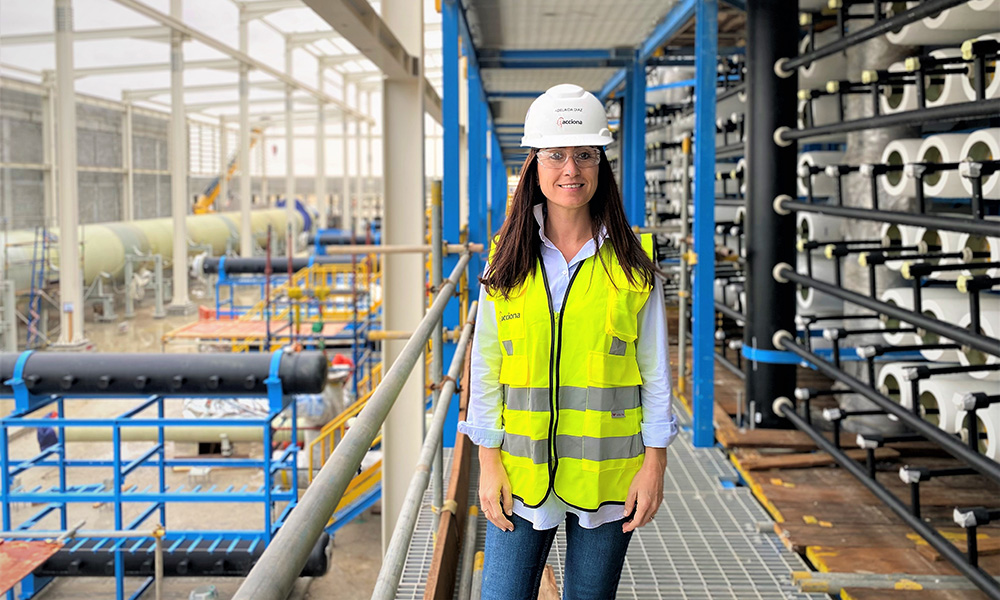
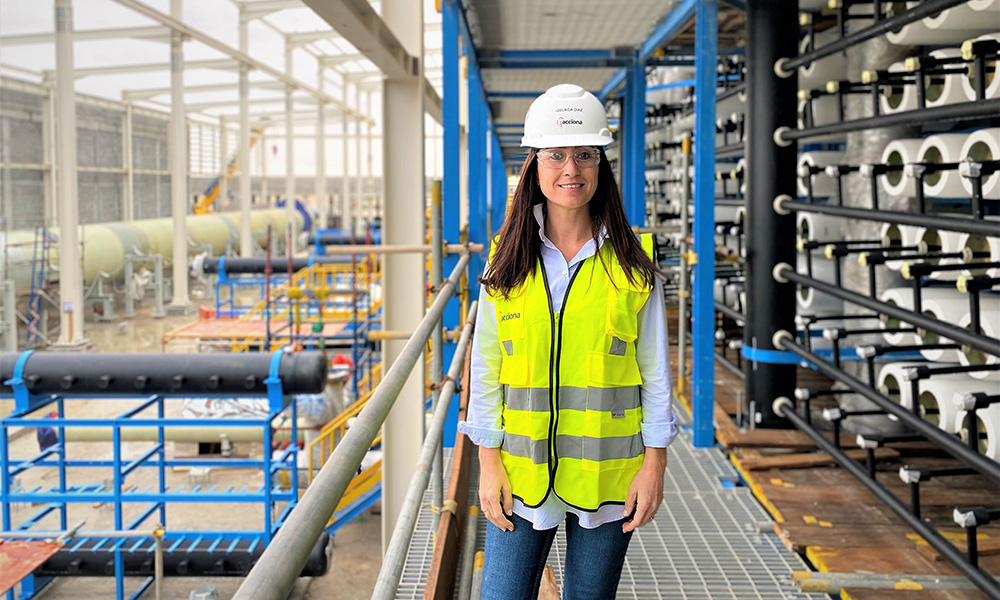
Ahead of International Women’s Day 2023, Big Project Middle East caught up with Adelaida Fernandez, ACCIONA Project Director at the Jubail 3B RO desalination plant to discuss what inspired her to join the built environment, key career milestones, challenges, her thoughts on how the glass ceiling that exists for women in many companies can be shattered, and the progress of construction at Jubail 3B.

What drove you to get into construction and your first role in the industry? What were some of the influences that set you on your path?

As an engineer, I was always fascinated about the idea of designing and creating things that could have a positive impact on society and better the peoples’ lives. During my career I have been inspired by many mentors, managers and colleagues that had the same vision and goals.

Share a brief about your career, mentioning key achievements.

I have a Master’s Degree in Civil Engineering from Cantabria University in Spain. During the first ten years of my career, I was involved in designing and executing infrastructure projects in Spain, such as highways, high-speed train railways, and water infrastructure, including potable and wastewater treatment plants.

In 2013, I started my professional career overseas, working as a Construction Manager and then as a Project Manager and Project Director in three natural gas Power Plants in Manchester: UK (Carrington Power Plant), and Dubai (Jebel Ali K3 and Aweer Phase IV Power Plants) for Dubai Electricity and Water Authority (DEWA). I recently moved into the water business in Saudi Arabia as a Project Director for Jubail 3B RO Desalination Plant.

Besides fairness and being the right thing to do, diversity in the construction industry is important because of the value women can bring to employers, clients and customers. How have you made your mark in the industry working on projects and what is your proudest moment?

Women have a different way of doing things, managing teams, and making decisions that from my perspective, improves the traditional way of the industry. In addition to being able to achieve targets and successfully deliver these projects that are always essential for communities (as they secure a potable water supply), what makes me feel even prouder is supporting and helping people to develop, so they accomplish their goals.
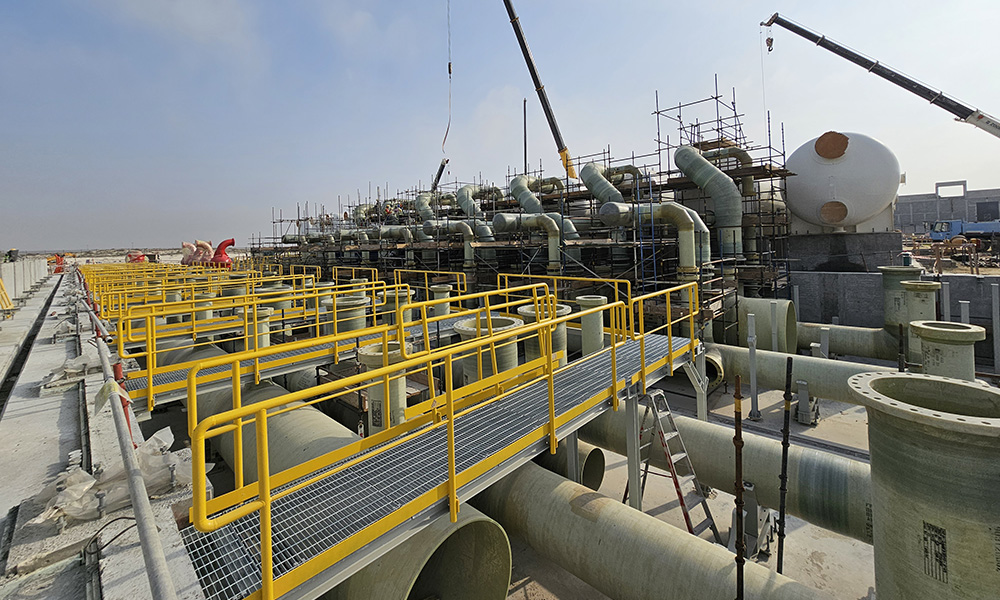
Jubail 3B is an reverse osmosis (RO) desalination plant located in the Eastern Province of Saudi Arabia

What are some of the barriers to women entering the construction industry? What was your personal experience?

The first barrier that women in this industry face is the scarcity of women – even nowadays, in most projects I’ve been involved in, there’s not a single woman in sight. Due to this, many people see it as very unusual to deal with a woman in this business, moreover in a managerial position. My personal experience has not always been easy but it has been positive – I must say that I have feel respected and treated equal to my male colleagues.

Due to the lack of women in the industry, many women don’t think that the construction industry might be a professional opportunity for them, and this is where we must act to change this misconception.

The GCC construction sector is still male dominated, however diversity is beginning to increase. If you agree with this, comment on what is driving this and how you see the GCC markets changing in the coming years? If you do not agree with the statement, please share your thoughts/views of the market.

Undoubtedly, the progressive engagement of women into the construction sector is a fact, also in the GCC and this process will accelerate in the coming years. This has been driven by the generalised access of women to the labor market in all sectors including construction but it still requires support and dedicated actions by government authorities and construction firms.

Everyone has a part to play in diversity and equal pay. What would you like to see government authorities and construction firms do to increase diversity and make pay a level playing field?

Increasing diversity and ensuring equal pay is crucial for creating a more inclusive and equitable society. Governments and construction firms in the GCC can take various steps to promote diversity and equal pay such as: setting clear diversity and inclusion targets including targets for hiring and promoting employees from underrepresented groups; conducting regular pay equity audits; providing training and education programs to promote diversity and inclusion in the workplace and by creating equal opportunities for career advancement.

ACCIONA for example, through its Diversity Committees in different business units and countries creates policies and programs that are promoted to create a respectful, diverse, inclusive and efficient work environment. These diversity committees, made up of all groups, generate proposals and plans in the area of diversity and inclusion.
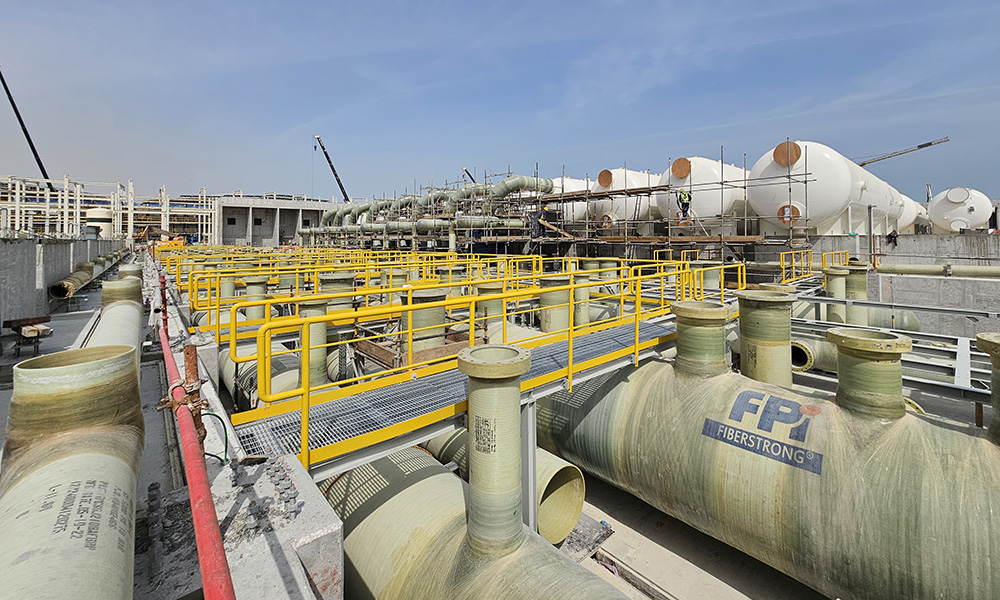
The plant will supply 570,000m3 of potable water to the Riyadh and Qassim regions once commercially operational in 2024

Besides authorities and construction firms, who else can play a part in increasing diversity and balancing pay scales?

There are many different individuals and groups who can play a role in increasing diversity and balancing pay scales beyond authorities and construction firms. Some examples include:

  • Educational institutions: Schools and universities can play a role in increasing diversity in the construction industry by offering courses and training programs that promote inclusivity and provide opportunities for underrepresented groups
  • Customers and clients: Companies that prioritise diversity and pay equity may be more attractive to customers and clients who value these principles
  • Employees: Individuals within companies can advocate for diversity and equity by speaking up about discriminatory practices, advocating for inclusive policies and practices, and working to create a culture of inclusivity within their organisations

As a woman in the industry, what has your experience been working in the GCC construction sector? If you have worked in markets outside the GCC, how does your experience here compare with what you’ve experienced in other markets?

The low presence of women in the construction sector is not much different between the GCC and other areas, as Europe. Unfortunately, it is a quite a standard situation worldwide.  Of course, the GCC has its own cultural framework and customs but, working as a woman in this industry has quite similar challenges and constraints in all the different regions, so we must conclude that it’s a universal matter to address.

In your opinion, what is the biggest challenge women in the construction sector face in GCC countries? How can these challenges be addressed?

The construction industry in GCC countries faces significant challenges in terms of gender diversity and inclusion. One of the biggest challenges that we face is cultural barriers and societal stereotypes that view construction as a male-dominated industry and discourage women from pursuing careers in this field. Other challenges include limited access to education and training programs, lack of mentorship and career guidance, limited opportunities for advancement, and unequal pay. To address these challenges, several strategies can be implemented, for example:

  • Raising awareness: Promoting and increasing awareness about the benefits of gender diversity and inclusion in the construction industry can help challenge stereotypes and cultural barriers
  • Education and training: Providing access to education and training programs that target women specifically, including technical skills, management, and leadership training – these can help build a more diverse and skilled workforce in the construction industry
  • Addressing unequal pay: Companies can address unequal pay by conducting pay equity analyses, implementing transparent pay practices, and providing equal opportunities for career advancement
  • Encouraging female leadership by creating a culture of inclusivity, and supporting diversity and inclusion initiatives, and providing opportunities for women to take on leadership roles – they can all help attract and retain female talent in the industry

By implementing these strategies and working collaboratively with stakeholders, the construction industry in GCC countries can address the challenges faced by women in this sector and create a more diverse and inclusive workforce.
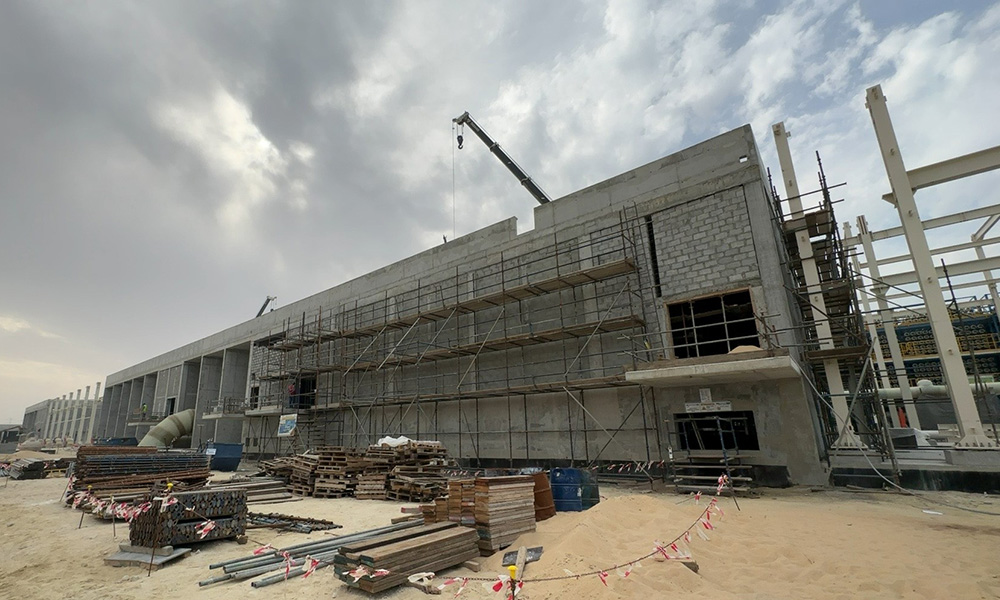
The plant is currently at the peak of its construction phase with all the civil, mechanical an electrical construction activities running in parallel, ahead of the start of commissioning activities

In doing your job, what sort of discrimination (if any) have you faced and how did you/your employer address it?

Of course each situation is unique and probably different women have had very different experiences within the construction sector. But in my particular case, without ignoring the difficulties and small obstacles, I have fortunately not faced any major problem that had required my employer´s intervention on the matter.

How can the glass ceiling that exists for women in many construction firms be overcome? What is your advice?

The glass ceiling that exists for women in many construction firms can be overcome through a combination of strategies aimed at creating a more inclusive and equitable workplace culture. For example:

  • Leadership commitment to diversity and inclusion is essential to overcoming the glass ceiling. Leaders should take proactive measures to create a culture of inclusivity and equity, set clear diversity and inclusion goals, and hold themselves and their teams accountable for progress
  • Establishing mentorship and sponsorship programs can help women in the construction industry overcome the glass ceiling by providing them with guidance, support, and opportunities for career advancement
  • Companies should address implicit and explicit bias in the workplace by implementing training programs and policies that promote diversity, equity, and inclusion such as the Diversity Committees that ACCIONA relies on
  • Providing flexible work arrangements can help women balance work and family responsibilities and increase their participation in the construction industry
  • Companies should actively recruit and retain women in the construction industry by implementing targeted recruitment strategies, providing development opportunities, and offering competitive benefits and compensation packages

By implementing these strategies, construction firms can create a more inclusive and equitable workplace culture, which can help women overcome the glass ceiling and advance their careers. This not only benefits individual women but can also lead to better business outcomes and increased innovation in the industry.

Read more:

The post Women in Construction profile – ACCIONA’s Adelaida Fernandez appeared first on Middle East Construction News.


Source: ME Construction News


Deyaar-TRIA_1000x600-1.jpg

March 9, 2023 foasummit0

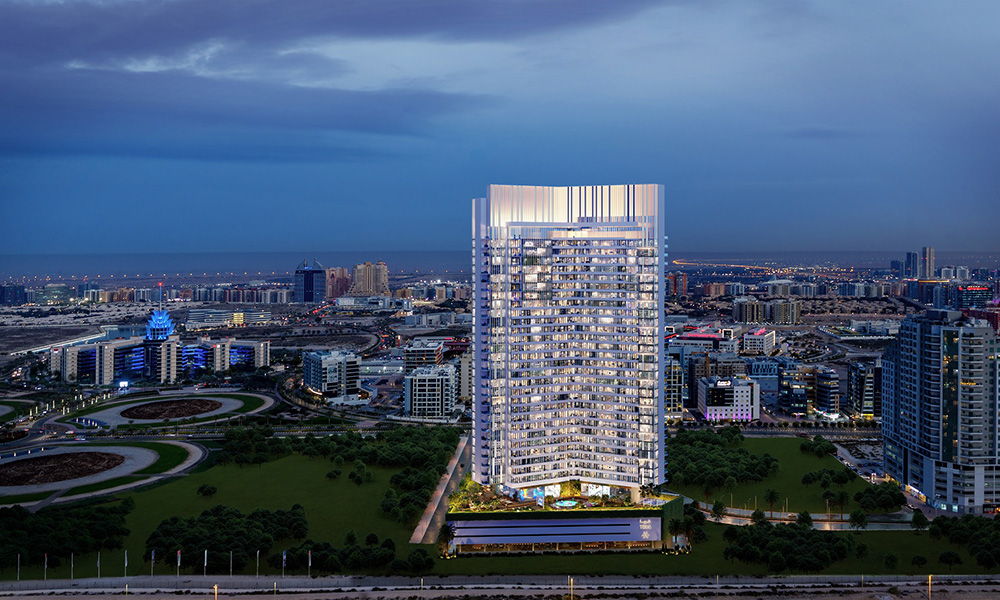
Developer and real estate service provider Deyaar Development has appointed the main contractor for construction works at its Tria luxury residential project. The 32-storey project is taking shape in Dubai Silicon Oasis (DSO) and is being developed at a cost of US $140mn, the developer said without naming the contractor.

Work on Tria has already been initiated and is set for completion in 2025 as scheduled, the developer said in a statement. Once complete, the project will include a wide range of residential options including studios, one-, two- and three-bedroom apartments, townhouses, duplexes, and penthouses.

The project will include several features including smart-home automation, energy-efficient solutions, built-in appliances, elegant interiors and floor to ceiling windows presenting panoramic views of Dubai’s skyline, a statement from the developer explained.

“We are delighted to announce the latest milestone for Tria, our flagship urban sanctuary of Dubai Silicon Oasis. The selection of the main contractor for a project of this magnitude is never an easy task, as we always seek to engage reputed parties with a proven track record in delivering projects on time and to the highest quality, health and safety standards. This vital step reflects our steadfast commitment to delivering world-class quality and on-time completion for our luxury development in Dubai Silicon Oasis,” said Eng. Ayman A. Al Hammadi, Senior Vice President – Projects & Commercial at Deyaar.

In late January 2023, the RTA completed the Sheikh Zayed bin Hamdan Al Nahyan street improvement project and Deyaar said it had completed the Mesk and Noor districts in its Midtown master development in Dubai.

The residential tower takes suburban living to the next level with best-in-class wellness, fitness and resort-style amenities including swimming pools, clubhouse, state-of-the-art gymnasium, yoga pavilion, steam and sauna rooms, squash and paddle courts, outdoor cinema, and plenty of lush, landscaped greenery, the statement continued.

With a built-up area of over one million sqft, the luxury tower will be served by transport links that provide fast access to major highways, including Sheikh Mohammed bin Zayed Road and Al Ain Road.

“Ever since the commencement of sales last year, we have witnessed exceptional demand for Tria from customers, who are attracted by its elevated lifestyle and unique design that puts residents’ wellbeing at the forefront. We look forward to making swift progress on this extraordinary project, building an outstanding community at the heart of Dubai. As with all our projects, we will provide our investors with construction updates and keep them posted on the progress of Tria,” Al Hammadi added.

Tria by Deyaar represents a great addition to DSO’s vibrant fabric, which has rapidly emerged as one of the leading destinations in the UAE for people to live, work, play and study. DSO today boasts a population of more than 90,000 people with 215 buildings and nearly 900 retail establishments dotted across the smart and sustainable living community. Tria by Deyaar therefore offers excellent value for people looking for a self-sustained lifestyle community with round-the-clock security and close proximity to schools, medical facilities, shopping mall, and universities, the statement concluded.

In early February 2023, DAMAC Properties awarded its $241.2mn main works construction contract for Cavalli Tower.

The post Deyaar appoints main contractor for $140mn luxury residential project appeared first on Middle East Construction News.


Source: ME Construction News

Access-Handling-2023_1_1000x600-1.jpg

March 9, 2023 foasummit0

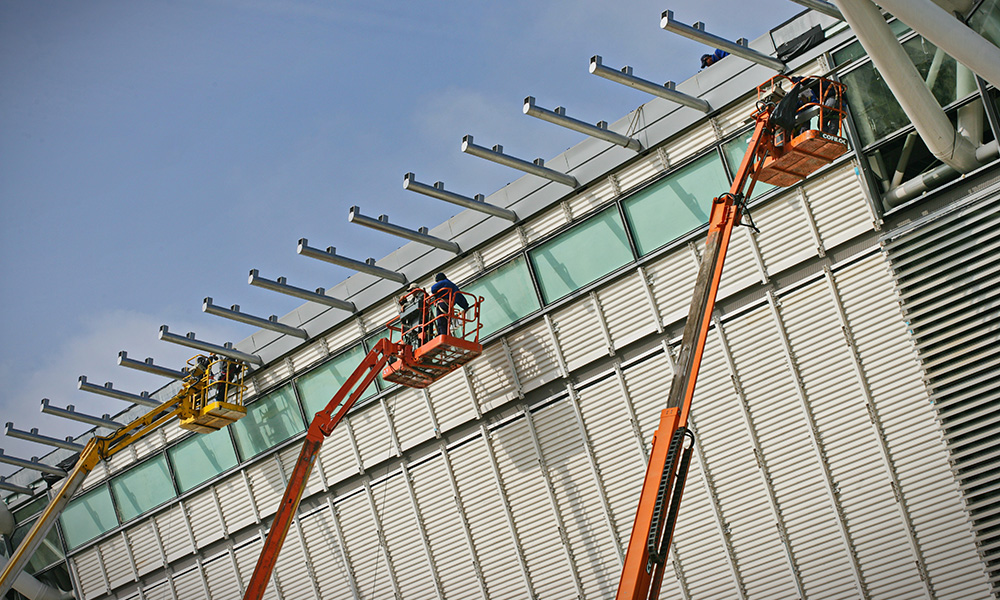
FM contractors and experts from across the access and handling sector have called for greater industry cooperation to protect lives and ensure construction and building maintenance is more sustainable, according to the Construction Machinery Middle East editorial team.

The brand held the third edition of its Access and Handling Summit at the Habtoor Polo Club in Dubai,  with a series of panels taking a deep dive into the challenges facing the sector.

A forum featuring representatives from facilities management firms Emrill, Farnek and Gracko highlighted how effective collaboration early in the construction process is essential.

In early October 2022, Dingli said it expanded its large electric scissor series.

Other talking points during the day included equipment and team mobilisation best practice, planning for working in a construction and built environment, project stakeholder co-ordination and improving efficiency and value for the project and building owners.

The event, which doubled its audience from 2022, also explored the possibilities for wider use of electric equipment and emerging technologies such as AI and IoT.

“We wanted an event where people were able to really tackle the major issues of this sector and we had fantastic participation, especially from the audience,” said Stephen White, Head of Content, Construction Machinery Middle East.

In early November 2022, Manitou launched its electric platform range with four new models.

He concluded, “Clearly this sector wants to reach out to as many stakeholders as possible – and it was great to see this passion for their work throughout the day.”

In early December 2022, the IPAF ePAL app passed a quarter of a million downloads.

To read more about the 2023 Access & Handling Summit, click here.

The post Collaboration is key to access and handling sector future appeared first on Middle East Construction News.


Source: ME Construction News


Lucynda-Jensen_JLL_1000x600-1.jpg

March 8, 2023 foasummit0

Despite local variations, the construction sector has become increasingly global and universal in nature over the years. The trend has significantly impacted employment, making it easier for workers to move from market-to-market, carrying a global mindset while acting locally.

Unlike the past, most occupiers and investors  now choose to operate outside their home markets. The widespread adoption of global standards has opened new horizons for qualified employees to work worldwide.

The opportunity to take on project assignments abroad and learn different ways of working has always been a selling point for the construction industry, which is less constrained by local regulations and practices than other competing sectors such as finance and law.

Human resource professionals and in-house recruiting teams leverage this trend to attract and retain key talent. JLL recognised this trend early on and offers formal and informal programmes to promote employee movement between offices. On a personal note, I have worked in three different regions in my 16 years in the construction sector. A similar experience is typical for many of our team members in the Middle East.

While working with cross-cultural teams can be challenging for some, it presents opportunities for creativity and learning from others in best practices, standards, and approaches, bringing different perspectives that benefit clients.

As there are similar challenges in project delivery worldwide, technical skills learnt in Amsterdam or Austin apply equally to projects in Abuja, Ahmedabad or Abu Dhabi. Some common issues faced in the life-cycle of every project include scope gaps, mismatched budget against actual costs, value engineering and unrealistic time-frames of project principles.

​Meanwhile, the increasing use of technology, such as Building Information Modelling (BIM), has further pushed the trend towards more open borders in the construction sector. For example, our JLL teams have been applying property technology developed in the US on mega projects across GCC countries.

The race toward zero-carbon buildings is another contributor to the increased globalisation of the construction sector. This will likely remain front and centre of the industry for many years, as the focus shifts from individual buildings to precincts, communities and entire cities. While UK and USA green building certification programs such as LEED and BREAM are widely used globally, many countries, including the UAE, have developed local rating systems such as Estidama, which practitioners familiar with international standards will have an easy understanding of and apply local variations.

What differs between markets even today is contractual arrangements. While Joint Contracts Tribunal (JCT) dominates the UK market, most projects in Asia and the Middle East use the International Federation of Consulting Engineers (FIDIC) approach. Traditionally, FIDIC contracts were for engineering projects and JCT for construction, with FIDIC being the choice internationally. However, as both contracts inherently deal with change and delay, this is not a major constraint to the ability of qualified workers to work across markets.

Consequently, there has been a clear breakdown of barriers and increased opportunities for cross-border work within the construction sector over the past decade. This trend is likely to continue due to several factors, such as: energy efficiency targets are becoming an increasingly important differentiator to commercial developments and city master plans; shift towards repurposing of existing buildings – it’s not all about the delivery of new projects and, the increasing need for energy-efficient and environmentally-compassionate masterplans in developing countries – meaning the need for expertise from across the world in their delivery.

In the end, despite increased digital delivery techniques, construction will broadly remain a people’s business. Moreover, the quality of a team will always play a critical role in the delivery of successful projects. And businesses that recognise the increasingly  globalised marketplace and build project teams with diverse skill sets and cross-learning experience will likely be the most resilient.

Read more:

The post Think globally, act locally: Delivering projects across borders appeared first on Middle East Construction News.


Source: ME Construction News

QEWC-GE-Signing1_1000x600-1.jpg

March 7, 2023 foasummit0

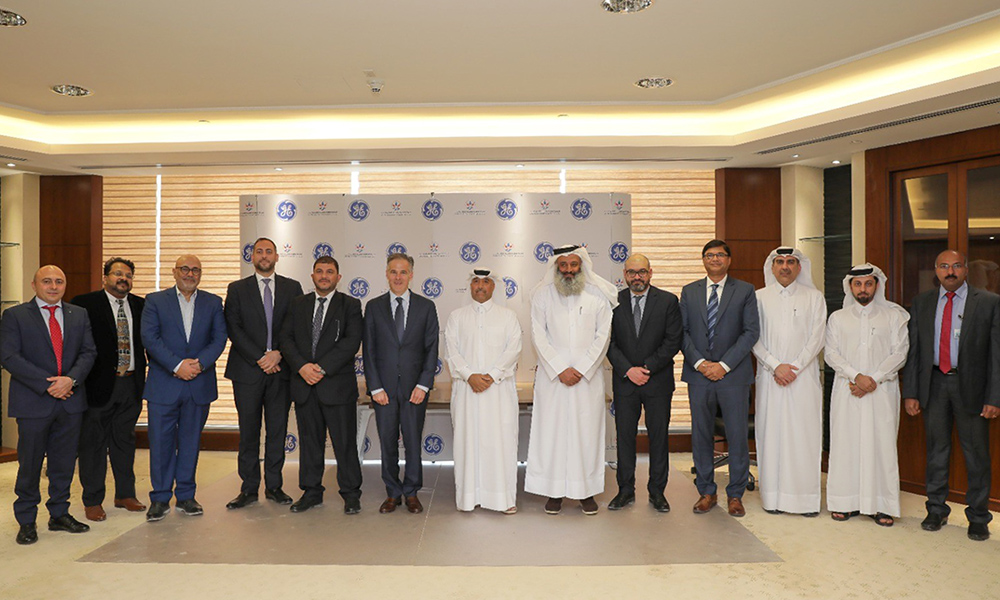
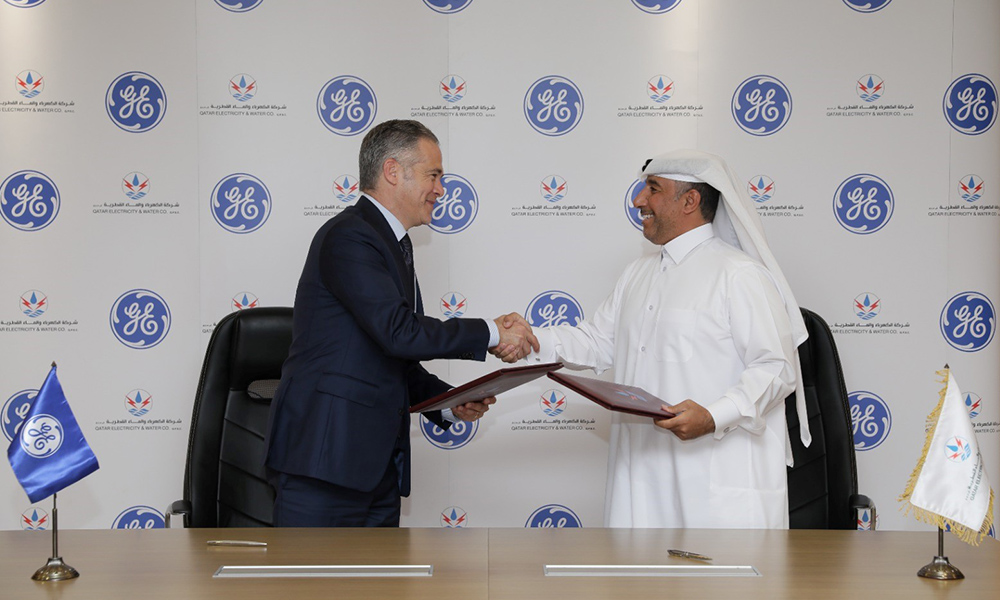
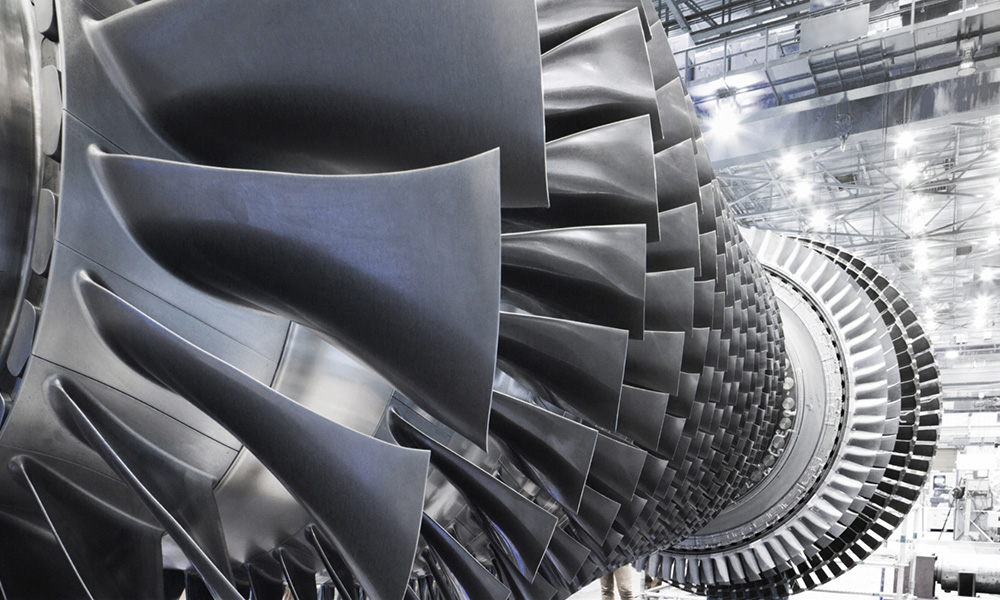
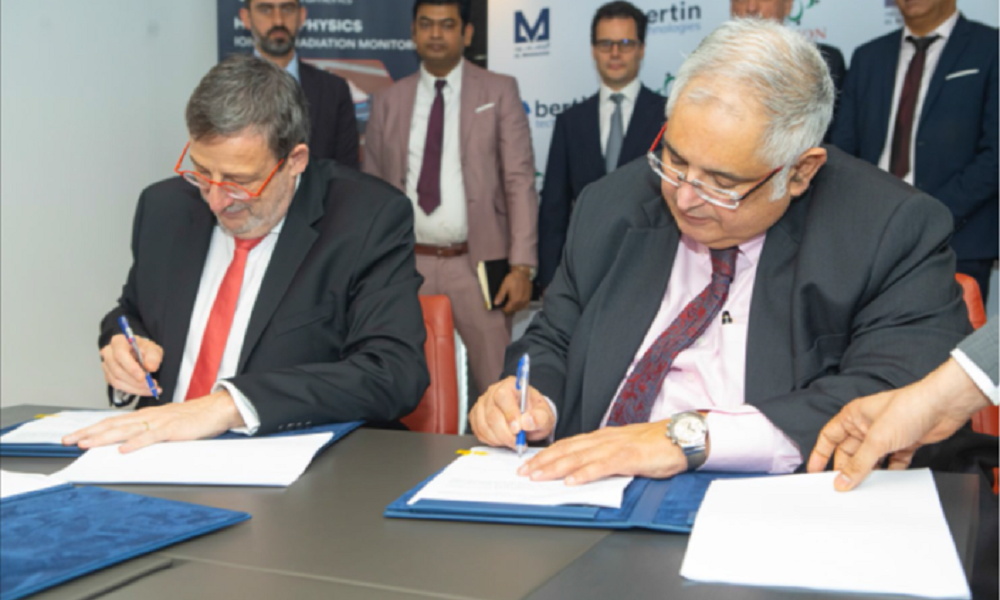
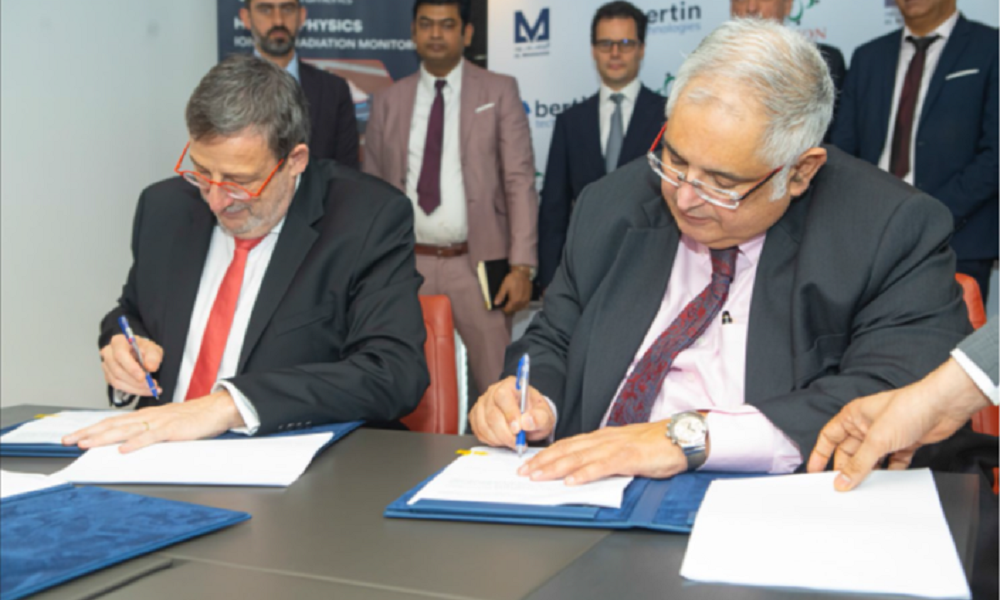
A contract has been signed by Qatar Electricity & Water Company (QEWC) and GE Gas Power. It will see the latter provide upgrades and maintenance services for a period of nine years to three of its 9F gas turbines, which are installed at the Ras Abu Fontas B2 (RAF B2) Cogeneration Plant.

The agreement was signed by Mohammed N. Al Hajri, Managing Director and General Manager of QEWC and Joseph Anis, President & CEO of GE Gas Power Europe, Middle East, and Africa.

The three units covered under the service agreement have a total generation capacity of up to 609MW, and equip one of the most important power facilities in Qatar, supporting the country’s electricity network.

Standing as Qatar’s main supplier of electricity and desalinated water, QEWC said it is pleased to continue its long association with GE to improve plant performance, reduce operating costs, and support vital operations to strengthen Qatar’s water and energy security.

In late September 2022, QatarEnergy and GE inked a deal to step up carbon capture in the energy sector.

“Today, QEWC supplies up to 55% of Qatar’s electricity and 73% of the country’s water needs. The smooth execution of their operations is critical to support people and the economy, and to enable national progress,” stated Al Hajri.

According to a statement, GE’s partnership with QEWC began with the construction of the RAF B2 Cogeneration Plant, as one of the EPC contractors, and continued through the provision of long-term maintenance services, since the plant began commercial operations in 2008. The plant is located 10km south of the capital, Doha.

Anis added, “We at GE, are honored to continue working closely with QEWC to further strengthen the country’s energy infrastructure and provide access to dependable, flexible gas power to meet the needs of residents and businesses.”

Since, its inception, QEWC has been playing a pivotal role in meeting the electricity and water needs of Qatar and currently holds, together with its joint venture partners, a total portfolio of over 11GW of power capacity and 540 million imperial gallons per day (MIGD) of water capacity in Qatar, noted Al Hajri.

In early November 2022, Abu Dhabi environment and energy agencies unveiled a 60% clean electricity plan for emirate by 2035.

According to Anis, GE has supported the development of key energy infrastructure across Qatar for more than 50 years. He explained, “We have the largest operating and most experienced F-class fleet in the world. There are more than 450 GE 9F gas turbines deployed in over 40 countries.”

He concluded, “The technology delivers consistent performance and accommodates a diverse range of fuels – including being up to 80 percent hydrogen capable – making it an excellent fit for various combined cycle and combined heat and power (CHP) applications.”

In early January 2023, QatarEnergy and CPChem said they would build the $6bn Ras Laffan Petrochemicals complex.

The post QEWC and GE Gas Power ink nine year upgrade and maintenance deal appeared first on Middle East Construction News.


Source: ME Construction News

Real-Estate2-1.jpg

March 7, 2023 foasummit0

According to CBRE’s ‘2023 Middle East Real Estate Market Outlook’ report, the total value of real estate projects planned or underway across the GCC currently stands at US $1.36tn. The report highlighted that Saudi Arabia comprises 64.5% of that figure, equating to around $877bn worth of projects, followed by the UAE, with 21.6% share of the total regional projects.

In addition, the real estate services firm said that it anticipates a positive outlook for the real estate sectors across the Middle East this year, as elevated oil prices and resolute economic growth are expected to support strong levels of occupier and investment activity.

The economies of GCC countries are expected to continue recording strong rates of growth in 2023. Both the hydrocarbon and non-hydrocarbon sectors are expected to continue to provide material contributions to headline growth rates. The average GDP growth across GCC countries in 2023 is set to reach 2.7%. CBRE also pointed out that the price performance in the GCC’s residential sector was fragmented last year.

“First, on a positive note, where we have seen prices decline, it has been relatively marginal. However, price growth in Dubai and Riyadh have significantly outpaced the regional average. In 2022, the UAE was the only market to record price growth and transaction volume growth across all cities and sectors,” the report outlined.

In late January 2023, Knight Frank said 219 ultra-prime homes were sold in Dubai in 2022.

It continued, “In Dubai, whilst we do expect transaction volumes to soften year-on-year, we expect that prices will continue to increase, across both the apartment and villas segments of the market, albeit at a slower rate. In Abu Dhabi, we are forecasting growth in both the volume of transactions and the rate of price growth over the course of the coming year.”

Discussing Bahrain’s real estate sector, CBRE said villa prices are expected to record low-single digit price growth. In the apartment segment of the market, given new launches and existing levels of supply, prices are forecast to decrease more substantially. In Saudi Arabia, price performance in both the apartment and villa segment of the market is likely to become more polarised over the coming year.

Villa prices are expected to continue to increase, albeit at slower rates, whereas apartment prices are likely to continue to soften. However, we do not anticipate this trend occurring in Riyadh, where the rate of price growth is expected to moderate, stated CBRE.

On par with trends in its sales market, in Bahrain, we are expecting villa rents to increase marginally in 2023, whereas, over the same period, average rents are forecast to decrease further, it continued.

In late January 2023, the Dubai Land Department said it issued 9,047 permits in 2022.

Dubai’s residential rents are said to have reached their highest level on record in 2022. Throughout this period, average apartment rents increased by 27.1%, and average villa rents rose by 24.9%. Demand also increased significantly with the number of tenancy contracts registered increasing by 10.8% year-on-year, however, new registrations fell by 7.0%. In 2023, rents in Dubai will continue to increase uniformly, however we will not see this happen at the same pace, CBRE explained.

“For Abu Dhabi, in the villa segment of the market, we expect that the rate of growth is likely to remain positive, although will remain in the low single digits. In the apartments segment of the market, we are forecasting for positive rental growth to return over the course of the year, however, the growth rates will not be material,” the report stated.

In mid February 2023, a Deloitte report said it anticipated growth across the residential and commercial sectors in 2023 in Dubai and Saudi Arabia.

The post Over US $1.36tn in real estate projects planned or underway in the GCC says CBRE appeared first on Middle East Construction News.


Source: ME Construction News

ALM-nuclear-1.png

March 6, 2023 foasummit0

Al Masaood Group Industrial is to supply equipment and critical systems for the nuclear industry after announcing a partnership with Bertin Technologies, a French industrial group dedicated to scientific instrumentation for critical applications.

The partnership will bring together Bertin Technologies’ radiation protection and ionising radiation monitoring expertise with Al Masaood’s know-how and extensive network in the Middle East to: “offer high-quality products and services to customers in the nuclear industry,” explained the firms in a statement.

The companies said that they will now focus on the supply of equipment and critical systems for the radiological protection measurement and control of radiation protection for nuclear power plants.

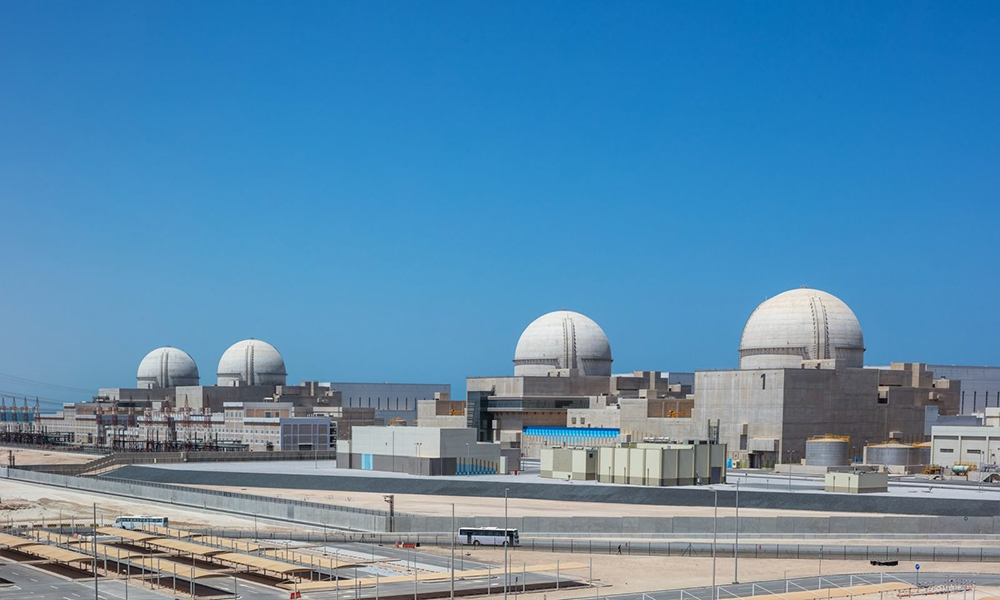
In late May 2022, Al Masaood was named distributor of TCM heavy & medium forklifts in the UAE and, in early October 2022, Unit 3 of the Barakah Nuclear Plant was successfully connected to the UAE power grid.

“Through innovation and collaboration, we are proud to sign this alliance with Al Masaood, one of the leading companies in the Middle East, to harness the power of nuclear technology for a sustainable future while promoting safety and security that will benefit the UAE nation and its business community,” said Bruno Vallayer, President of Bertin Technologies.

Hani El Tannir, Chief Executive Officer at Al Masaood Group Industrial added, “We are delighted to partner with Bertin Technologies to advance radiological protection measures for nuclear power plants and elevate nuclear safety across the UAE’s energy program.

“This collaboration will enable us to pool our expertise and technologies and develop turn-key solutions that bolster the UAE’s commitment to safety, security, and peaceful use. Our long-term partnership with Bertin Technologies will ensure that we support the Federal Authority for Nuclear Regulation (FANR) to maintain the highest standards of safety and security in the operation of the UAE’s nuclear power plants,” he concluded.

In early October 2022, Inspire marked five million man-hours with zero LTI at the Barakah Nuclear Plant.

The post Al Masaood to support UAE nuclear industry through Bertin Technologies tie-up appeared first on Middle East Construction News.


Source: ME Construction News

FOA-Summit-2022_1000X600-1.jpg

March 6, 2023 foasummit0

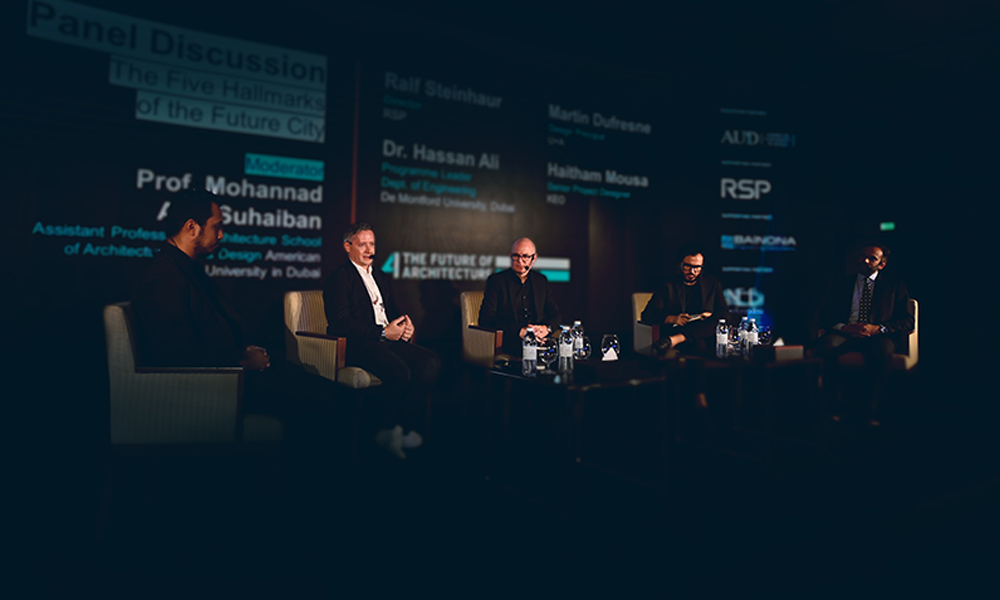
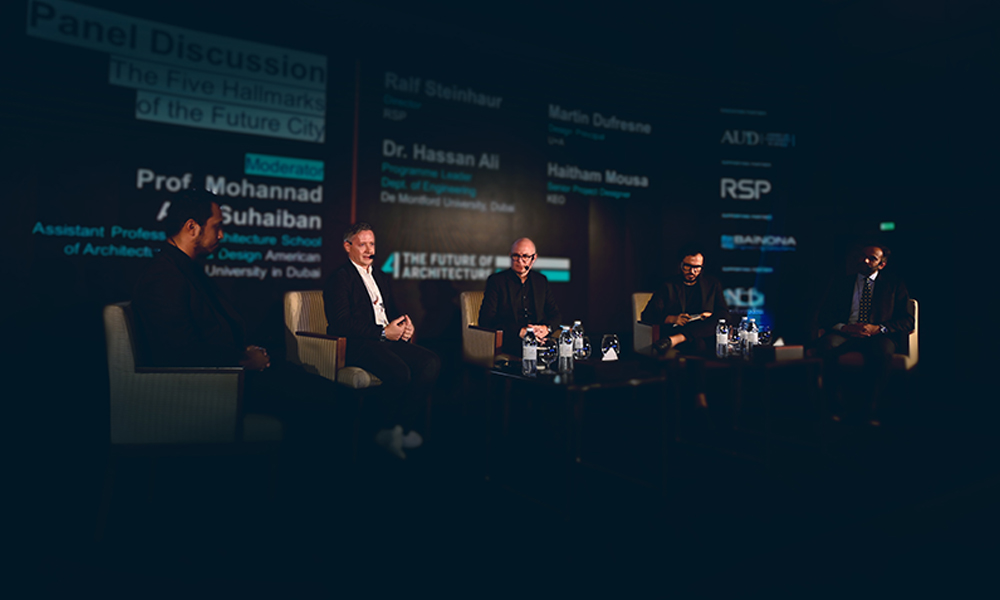
The third edition of Middle East Consultant’s popular Future of Architecture Summit (FOA Summit) will take place on 14 June in Dubai, and will focus on several key topics, the magazine’s editorial team has revealed.

“There are three key topics up for discussion this year, and we’ve designed the event so that they run throughout the day, as major themes,” says Paul Godfrey, Head of Content at Middle East Consultant.

Discussing the key topics he says, “The first topic is the development and use of nano-materials in construction. This new generation of materials will live and breathe, soaking up carbon dioxide and enrich the atmosphere, which is ideal for enabling cities to counter the effects of global warming.”

“We will also be looking at the rise of AI-led, generative software. Its capability in terms of design innovation and its ability to package all aspects of the project – from concept to procurement and costing – means that any capable operators can potentially cut architects and designers out of the loop. But is this actually happening and is it a good thing?”

“The other debate throughout the event will be whether the current tendency to have a ‘downer’ on super-tall structures is for any good reason. Is it because we’re all obsessed with micro-communities and the ‘15-minute city’ or for sound, practical reasons? We will investigate!,” Godfrey notes.

The FOA Summit is free to attend for construction professionals and will feature several presentations and panel discussions, and will differ compared to its previous iteration.

Commenting on what attendees can expect to find done differently, Godfrey states, “Come along to this year’s event and you’ll find a greater emphasis on the pure design aspects than we had last year: we’re looking less at the urban strategies and the narratives and more at the designs that are quite literally re-shaping the world – and how they’re doing it.”

The second edition of the FOA Summit placed a strong emphasis on future talent and AEC students through the ‘Future Talent Awards’. Asked about whether this segment will make a return to the event in 2023, Godfrey replies, “So successful was last year’s student element that, this year, we’ve decided to run those awards as a completely separate, stand-alone occasion. It’s called the Future of Architecture Student Awards, and it will take place on 12 September.”

He continues, “Plus, this year, we’re opening the awards to university departments and graduate students across the whole of the GCC. So, the bar will be set really high, and we’re expecting to see a great deal of innovation and cutting-edge thought across the seven award categories.”

Discussing what is the one key takeaway he hopes delegates leave the 2023 event with, he remarks, “The Future of Architecture Summit is highly experiential. Come along and you’ll see the future being planned – and you’ll be involved in how it’s taking shape.”

“It’s where you can catch a glimpse of the policies, designs and mindsets that underlie what the region will be like to look at and live in by 2030,” he concludes.

Read more about the Future of Architecture Summit here. Sustainable development will also be discussed at Big Project Middle East’s second edition of the Energy & Sustainability Summit on 3 May.

The post 2023 Future of Architecture Summit to focus on nano-materials, AI-led generative software and super tall structures appeared first on Middle East Construction News.


Source: ME Construction News