

Yas-Park-Gate1_1000x600-1.jpg

August 31, 2022 foasummit0

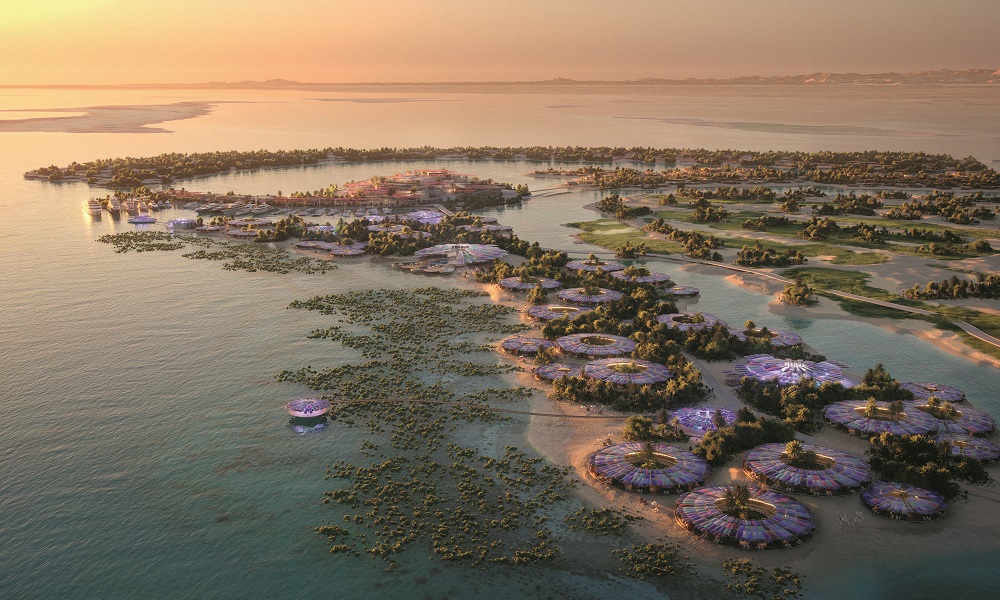
Aldar Properties has launched the $310mn Yas Park Gate residential development, which is designed to complement the existing communities and due to feature 508 new homes across 255,000sqm.

The Mediterranean-style gated community, which will be located immediately adjacent to Yas Park, is said to be a natural progression in the development of the second phase of North Yas. Construction of Yas Park Gate is due to begin in Q1, 2023, with handovers expected to commence in Q1, 2026.

Units at Yas Park Gate will be available for purchase by all nationalities from 1 September 2022, and is expected to offer buyers competitively priced single-family homes, from two and three-bedroom townhouses to four-bedroom villas. The Mediterranean-style homes will give buyers a choice of two interior colour options, the developer noted.

In July 2022, Aldar said it would acquire four towers in a deal worth $1.7bn.

Commenting on the launch, Rashed Al Omaira, Chief Commercial Officer at Aldar Development, said: “Yas Park Gate represents the next stage of the broader North Yas masterplan, which will further solidify the island as one of Abu Dhabi’s most sought-after destinations. Our research has shown growing customer demand for amenity-driven communities, so that has been a core focus for this development.”

In line with Aldar’s sustainability strategy, the homes at Yas Park Gate are designed to achieve a two-pearl rating, as per the UAE’s Estidama sustainability rating system. Key sustainability measures taken at Yas Park Gate include efficient water fixtures and fittings that claim to reduce consumption by 18%, responsible sourcing of building materials to reduce the development’s carbon footprint, and using smart building designs and efficient cooling systems to achieve a 25% decrease in energy consumption.

In early August, CBRE said it advised Aldar on a $221mn hospitality deal. Later in the month, Apollo acquired a $400mn stake in Aldar Investment Properties.

The post All-new Yas Park Gate set to feature 508 homes appeared first on Middle East Construction News.


Source: ME Construction News

Hannes-Norrgren-Volvo-Penta_1000x600-1.jpg

August 31, 2022 foasummit0

Hannes Norrgren will take up the position of President of Volvo Penta’s Industrial Business Unit on 1 November, replacing Giorgio Paris who will retire after a 25-year career at the company.

Norrgren has worked within the industry for more than 20 years and has a long track record at Volvo Penta, having previously held various positions including Vice President for Industrial Sales and Marketing in Europe. For the past three years, Hannes has served as CEO at Humphree, a fast-growing Swedish marine technology provider of which Volvo Penta is the major shareholder.

Take the five minute Middle East Construction News Survey and you could win a brand new Apple Watch!

Speaking on the announcement Norrgren said: “I am very happy to get this opportunity. To be able to lead one of the industry’s top brands in times of disruptive change is an exciting challenge. What we will do over the coming years in relation to our transformation towards sustainable power solutions will define the next era of Volvo Penta Industrial. It will take courage, teamwork and entrepreneurship to succeed, all of which are values that are close to my heart and management approach.”

Heléne Mellquist, who was appointed President of Volvo Penta in June 2020, added: “I am delighted that Hannes is returning to the Volvo Penta team. He brings extensive knowledge about building business relationships with customers which, in combination with a strong commercial focus and mindset, will be key in leading the Industrial Business Unit on our transformation journey.”

In June 2022, the firm said its Volvo Penta D16 engines would power the Sweden Rock Festival.

The post Volvo Penta appoints Hannes Norrgren as Industrial President appeared first on Middle East Construction News.


Source: ME Construction News

markus-oberlin-ceo-farnek_1000x600-1.jpg

August 30, 2022 foasummit0

Facilities management (FM) major Farnek said it secured a host of new and retained contract wins in the security sector, totalling more than $11.54mn over the last 12 months.

The company said it has seen success in security contracts across a diverse range of sectors including energy, healthcare, finance, manufacturing, education, residential, events and exhibitions, construction and government. It mobilised 420 members to locations in Dubai, Abu Dhabi, Sharjah, Ras Al Khaimah and Umm Al Quwain to provide a range of security services including guarding, maintenance, control and monitoring, inspections, and site reporting amongst others.

“At Farnek, we provide cutting-edge security solutions that incorporate flexible and integrated technologies and are supported by highly competent security personnel. This has resonated with several of our clients and partners and is representative of the demand that has seen our security division witness unprecedented growth in the last 12 months,” said Markus Oberlin, CEO of Farnek.

Take the five minute Middle East Construction News Survey and you could win a brand new Apple Watch!

“Our primary objective is to ensure the safety and security of our client’s facilities. To do this, all our personnel have undergone a rigorous vetting process and come from various backgrounds, including the armed forces and police departments, ensuring they are well-versed in dealing with any situation.”

New contracts in the healthcare sector include RR Facility Management, a specialist in providing PCR test centre services, across the Northern Emirates, with 50 security guards to oversee operations.  Elsewhere, 15 Farnek security personnel will be utilised across Unilab sites in Dubai and Ajman.

In the real estate sector, Farnek said it will deploy 14 members of staff to the new 23 Marina development in Dubai. At the same time, wins in government, construction, and the financial industry include the Federal Authority for Human Resources, Ramky Enviro and Banque Misr, respectively.

In January 2022, the company outlined its roadmap to achieve Net Zero emissions by 2050.

In terms of security automation, Farnek uses internet of things (IoT), cloud, machine learning (ML) and artificial intelligence (AI) based technologies as part of its security operations, Oberlain said.

The company explained that it has successfully developed the HITEK Solution 4.0 – a Huawei-based AI surveillance system that monitors local CCTV and remote channels. Integrated with its 24/7 operational command control centre, the AI element addresses behaviours such as loitering through facial recognition and personal attributes.

To digitise the incident management process and increase resilience through enhanced operational capabilities, Farnek noted that it also developed its in-house Security Plus mobile application, which captures real-time information from customers’ sites.

“This technology enables us to identify and document the full spectrum of security-related activities, ensuring our contractual commitments are met, and customer satisfaction is achieved,” stated Oberlin.

Further enhancing Farnek’s security credentials is its Android watch which is programmed, coded and developed in-house and provides attendance and incident reporting, call facilities, geo-fencing, photo and video functions and health monitoring. All watches are connected to the company’s 24/7 command and control room in Farnek Village, Jebel Ali.

The control centre is said to use 5G and is Wi-Fi 6 enabled, which means Farnek can take advantage of increased bandwidth, low latency and enhanced security to connect assets from multiple sites, so they can be centrally monitored and managed, while guards can also be provided with real-time updates, the company said.

“By listening to what our clients want and providing them with expert insight and state-of-the-art technology, we’re able to offer a service that eclipses anything else on the market in the UAE,” concluded Oberlin.

In April, Farnek announced plans to launch a standalone hotel management company.

The post Farnek awarded $11.54mn in security contracts over last 12 months appeared first on Middle East Construction News.


Source: ME Construction News

Chandra-Dake-CEO-Dake-Reschand_1000x600-1.jpg

August 30, 2022 foasummit0

The European Commission’s Joint Research Centre estimated there’s a 75–90% chance of wars being fought over water within the next century. For the uninitiated and those without first-hand experience with water scarcity, this projection may come off as alarmist or far-fetched. However, for many in remote areas in Northern Africa, conflicts due to water are a reality that is growing in severity each passing year.

With the world’s population set to grow to 8.5bn by 2030, and demand for water set to overtake supply by 40% as a result, the water wars are seemingly not far away. This situation warrants reassessment of our existing water infrastructure and exploration of solutions that can potentially alleviate scarcity.

In the MENA region, water scarcity requires multidimensional assessment. Due to the arid climate, limited groundwater resources, and scanty rainfall, the region faces acute scarcity. Concurrently, however, just over a year ago, the region experienced one of its most devastating flood spells as Egypt, Jordan, Lebanon, and Sudan witnessed a considerable loss of lives and livelihoods. So, the natural line of thought here is why excessive rainfall is not mitigating water scarcity; if rainwater harvesting is a plausible solution under the circumstance. The answer is yes and no. Yes, because harvesting is a potential solution; no, because conventional harvesting is not.

Why is centralised harvesting not feasible?

When we talk about MENA, we must first factor in its geopolitical and socioeconomic status quo. According to the World Bank, the Extreme Poverty Rate in MENA nearly doubled between 2015 and 2018. While the ongoing conflict in Syria and Yemen is among the primary reasons, there are many systemic causal factors in individual nations. Although there is no data since the outbreak of the pandemic, World Bank representatives are of the opinion that the global crisis has only aggravated the situation. This status quo incapacitates local governments from exploring and implementing conventional, centralised rainwater harvesting systems, which can cost up to $2,000 per household. In this region, water scarcity is rather severe in rural areas and more so in terms of lack of clean, potable water.

Typically, centralised harvesting systems are established in an area and the harvested water is transported to the point of use. So, even if such a system were to be set up by the government, it will require extensive piping for equitable water distribution — again, entailing more costs. Moreover, its efficiency will hinge largely on the amount of rainfall in the central catchment area; erratic and scanty rainfall can lead to a loss of efficiency.

Initial investments aside, centralised harvesting systems also entail periodic maintenance costs. Typically, the harvested water is subjected to chemical- or electricity-based treatment for freshness and decontamination. This process takes precedence because stored water is susceptible to contamination, the impact of which can be devastating. So, it is safe to say that, at least within the MENA context, centralised rainwater harvesting systems do not tick all — social, economic and environmental — the boxes of sustainability. This challenge can be addressed however by decentralised rainwater harvesting systems.

The feasibility of decentralised harvesting systems

As the name suggests, decentralised systems are not constrained to a specific location; they can be implemented anywhere with ease. They are often built using porous building materials — available in the form of bricks, kerbstones, and tiles — which are paved on rain-exposed surfaces like roads, barren lands, etc. During rains, these products absorb and store the water inside reservoirs and, thanks to the air-permeable nature of the surface, the stored water can remain fresh for up to seven years, without requiring external, chemical- or electricity-based treatment.

As far as feasibility and holistic sustainability are concerned, such systems promise the following: the primary material is sand, which is sourced through environmentally responsible processes. Due to the widespread availability of desert sand, porous products are inexpensive and affordable for people across the socioeconomic spectrum. Decentralised systems are also deployable at custom sizes, by individuals and institutional adopters alike, as per requirements, and the adopter has full ownership of the harvested water. Since rainwater is the purest form of natural water, it can be used for a variety of purposes — all for a one-time, low-capital investment.

These characteristics bear the promise of sustainable water security at the grassroots and accompanying socio-economic empowerment. In urban centres, decentralized systems can be implemented to keep public areas like roads, parking lots, and playgrounds free of flooding and waterlogging while harvesting potable water. In cities like Dubai, where flooding has previously resulted in property damage and associated repair costs, the impact can be profound.

Furthermore, decentralised harvesting systems can be integrated to create smart city water networks or ‘Sponge Cities’. If implemented in design stages with effective piping and redirection mechanisms, decentralised harvesting systems can embed circularity in urban centres and supply low-impact potable water. They can, in turn, reduce the dependency on carbon- and energy-intensive desalination plants, which currently account for three-quarters of water production in the Middle East. This is to say, decentralised systems can be a viable solution at the intersection of water security and net zero pursuits.

Read more:

The post Getting to grips with water scarcity appeared first on Middle East Construction News.


Source: ME Construction News

RTA-Falcon-Project1_1000x600-1.jpg

August 30, 2022 foasummit0

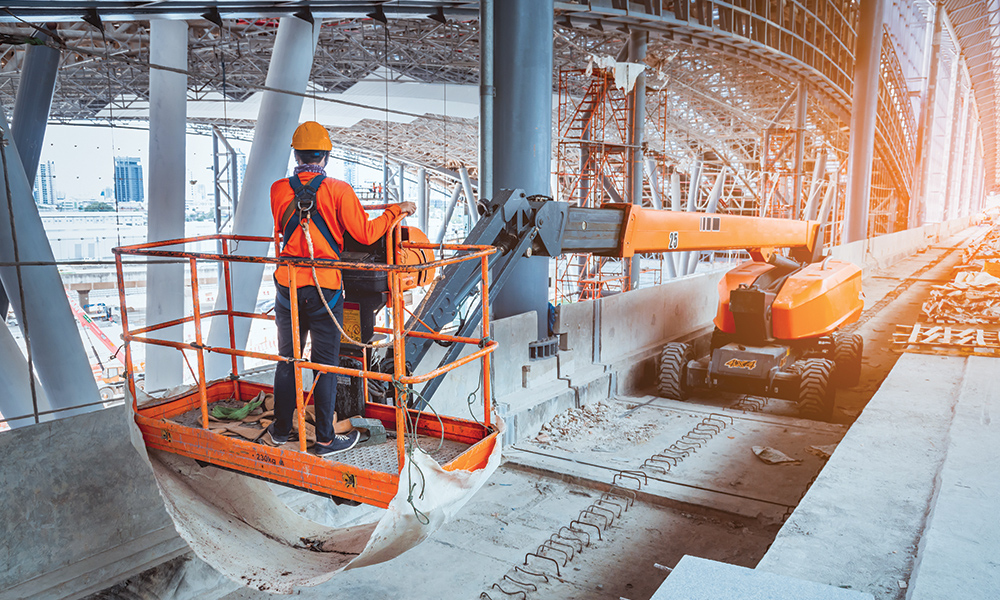
Dubai’s Roads and Transport Authority (RTA) has announced that 55% of construction work has been completed at the Falcon Interchange improvement project, situated between Al Khaleej Street, Khalid bin Al Waleed Street, and Al Ghubaiba Street. The project will link with the northern side of the Infinity Bridge (Al Shindagha Bridge).

“The project is implemented in response to the directives of His Highness Sheikh Mohammed bin Rashid Al Maktoum, Vice President, Prime Minister and Ruler of Dubai, to develop Al Shindagha corridor to match the extensive development of the area and meet the urbanisation needs in future,” said Mattar Al Tayer, Director-General and Chairman of the Board of Executive Directors of RTA.

“The Falcon Interchange Improvement Project is part of Al Shindagha Roads Corridor Improvement Project, which extends 13km along Al Mina Street, Al Khaleej Street and Cairo Street. Upgrading the Falcon Interchange will ensure free traffic movement across Al Shindagha Corridor (Al Khaleej and Al Mina Streets) and step up the intake of both streets. It will also enhance traffic safety, provide entry/exit points for Rashid Port, and provide more parking spaces under the new bridge to serve the area,” Al Tayer said.

Take the five minute Middle East Construction News Survey and you could win a brand new Apple Watch!

“The contractor has completed the construction works of the main northern bridge at the junction, the link with the Infinity Bridge and Deira side of Al Shindagha Tunnel, and the link with the improved junctions of Sheikh Rashid Street,” he added.

He pointed out that 25% of the construction has been completed in the tunnel from Khalid bin Al Waleed Street to Al Mina Street. Construction is underway on the southern main bridge, as well as for the stormwater drainage system. The capacity of bridges and tunnels under the project amount to 28,800 vehicles per hour.

The project includes the construction of two bridges along Al Khaleej Street; the first bridge extends 750m northwards, and the second one stretches 1,075m southwards. The bridges comprise six lanes in each direction, with a capacity of up to 24,000 vehicles per hour in both directions.

Construction also includes a one-lane bridge extending 250m for a right-turn from Khalid bin Al Waleed Street to Al Khaleej Street, with a capacity of 1,600 vehicles per hour, and the construction of a two-lane 500m tunnel for left turns from Khaled bin Al Waleed St to Al Mina St capable of handling 3,200 vehicles per hour, in addition to a surface signalised junction linking Al Khaleej with Al Ghubaiba and Khaled bin Al Waleed Streets.

The project includes other works like pavements, lighting, traffic systems, rainwater drainage network and irrigation systems, Al Tayer concluded.

In April 2022, the RTA revealed its five-year sustainability plan, while, in May, it disclosed plans to extend dedicated bus and taxi lanes over a five-year period.

The post 55% of construction work at Falcon Interchange improvement project complete says RTA appeared first on Middle East Construction News.


Source: ME Construction News


Comansa-LCH300_1000x600-1.jpg

August 30, 2022 foasummit0

Comansa is expanding its range of luffing jib cranes with the launch of the LCH300, its first hydraulic model, which will be presented at Bauma 2022.

According to the manufacturer, the new addition has a maximum load capacity of 16t and reach of 60m, and is available in several versions: embedded, supported on bases of six or eight metres and movable.

The Comansa 16LC260 Flat-Top Crane was shortlisted in the ‘Crane of the Year’ category at the 2022 Construction Machinery Middle East Awards.


According to the firm, the LCH300/16t crane can be assembled with 2.5 x 2.5m tower sections. Its modular jib has a reach of 25-to-60m, with configurations every five metres. It has a minimum working radius of four metres and a minimum radius of nine metres when out of service.

The maximum load capacity is eight tonnes with the one tonne configuration and 16t with the two tonne configuration, while maximum load at the jib end is 3,400 and 3,150kg respectively.

“Comansa luffing jib tower cranes offer optimal performance where horizontal jib cranes cannot move loads freely due to space limitations. Now, with the incorporation of the LCH300 hydraulic model, the luffing mechanism is optimised to offer even greater performance and an efficient assembly, as well as reduction of the radius when out of service,” the company said.

In August 2020, the firm introduced a new generation of its 11LC flat-top tower cranes, while in March 2021, it expanded its flat-top tower crane range with two models.

The post Comansa to introduce new luffing jib crane at Bauma 2022 appeared first on Middle East Construction News.


Source: ME Construction News


Sean-McQue-Operations-Director-at-ALEC_1000x600-1.jpg

August 30, 2022 foasummit0

Dubai-headquartered ALEC has unveiled a new division – Strategic Projects and Developments – that will specialise in alternative engagement models including design and build, construction management and turnkey development.

The firm says the move is in line with its goals to steer the regional construction industry towards a sustainable future, and will enable it to deliver comprehensive value to clients right from the project definition stage.

Discussing the drivers that prompted ALEC to establish the new division, Sean McQue, Operations Director at ALEC stated, “As we focus our efforts on pioneering a more sustainable future for our industry, we recognise that this requires the constant evolution and enhancement of our solution portfolio to deliver the most comprehensive value to our clients.”

Early in August, ALEC told Middle East Construction News (MECN) that in addition to investing in solutions and technology, it was committed to upskilling staff and has appointed a Digital Construction Manager in Saudi Arabia.

He added, “After a rigorous cause-and-effect analysis of decisions made throughout a project’s lifecycle, we found that a disproportionate amount of value can be created if the right decisions are made in the first 10% of the project’s lifecycle. Additionally, a collaborative environment and elimination of outdated practices, can further enhance this value.”

The single point-of-contact delivery solution will be offered to clients as a means to add value and speed, from the outset of the project lifecycle, the firm said. In keeping with the company’s focus on digitalisation of the sector, the firm says the solution will follow a digital-first approach with all stakeholders working in a common BIM and data environment. This will not only enhance efficiency, productivity and knowledge transfer resulting in a more streamlined construction process, but more importantly, it will create a smooth transition into handover and asset management by providing a digital twin of the asset, the firm explained.

The company will be participating in Big Project Middle East’s inaugural Digital Construction Summit, which is scheduled to take place on 14 September. Registration is free for construction professionals.

The new division will be headed by Severin Tenim. He commented, “The launch of the new division aligns with ALEC’s focus on steering the construction industry towards a sustainable future. Research has shown that tremendous value can be created across the entire project lifecycle if the right decisions are made in the critical early stages. Our aim therefore is to serve as the strategic delivery partner from the onset, with the objective of de-risking asset delivery and as a result, enhancing overall investment performance.”

While the fundamental principles of the division’s solution are transferrable across multiple asset classes, ALEC pointed out that Tenim and his team will specialise in owner-operator models, build-to-rent assets, mixed-use hospitality, and projects that lend themselves to a high degree of modularity including serviced apartments, residential apartments, and mid-sized villas.

Later in August, ALEC’s Andy Boutle said that digital construction is critical to sustainable development. In April, the firm also launched a data centre construction company with Prefabricated and Liquid Immersion Solutions.

The post ALEC launches Strategic Project and Developments division appeared first on Middle East Construction News.


Source: ME Construction News

Kym-Mayes-Emrill-Head-of-Soft-services_1000x600-1.jpg

August 30, 2022 foasummit0

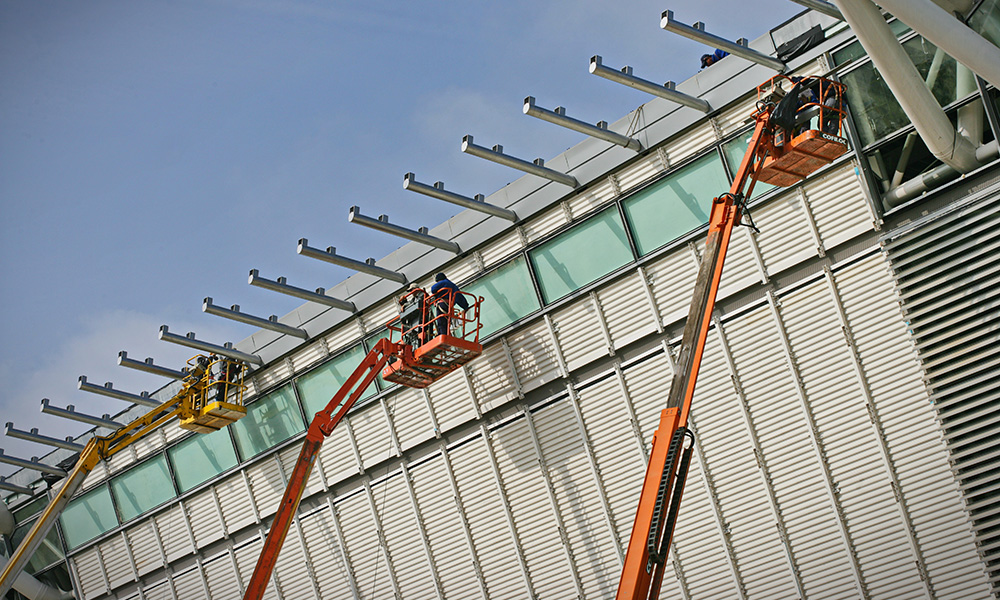
Kim Mayes has been appointed as Head of Soft Services at facilities management service provider Emrill. As part of her role, she will develop and implement strategies to enhance Emrill’s services and sustainability efforts. She’s also tasked with leveraging data to identify trends and developing strategic operations and procedural solutions.

Mayes will ensure levels of service excellence are maintained to further consolidate Emrill’s position as a preferred FM services provider, the firm said.

With over 25 years of experience in both service provider and client roles across the UAE, the UK and Australia, Mayes is said to have expertise in managing challenges and providing customer-centric solutions. Emrill notes that she has played an integral role in bridging the gap between on-site teams and office operations, while through extensive training and mentoring, she has shared her experience to empower and grow teams. She holds an Advanced Diploma in Business Management, a Diploma in Work Health and Safety, MEWPs for Management and 3a and 3b Operator certificates and is IOSH-certified.

Take the five minute Middle East Construction News Survey and you could win a brand new Apple Watch!

“We’re delighted to welcome Kym to the Emrill team. Kym’s appointment will contribute to our continued growth, and we are confident she will play a significant role in helping us to meet and exceed our clients’ expectations,” said Emrill’s CEO, Stuart Harrison.

“Kym’s wealth of experience and practical mindset will help us to strengthen the culture we have created, in which our teams are empowered to develop and grow, which will assist Emrill in exceeding our growth objectives. Kym’s vision for more sustainable and innovative ways of working aligns with Emrill’s objectives. We look forward to truly making a difference in the facilities management services provider landscape with our efforts and strategies.”

Mayes’ experience in facilities management, event management, shopping centre service delivery, and health and safety training across a broad range of industries, sectors and countries has enabled her to adopt and apply a complete 360-degree approach to support teams and facilitate continuous improvement in the provision of services, the company pointed out.

Commenting on her new role, Mayes stated: “I’m incredibly excited to join one of the leading and best-known integrated facilities management services providers in the UAE. Having worked closely with Emrill during one of the country’s most prestigious mega events in my previous role, it was evident that our expectations relating to standards and systems in soft services were completely aligned. I’m honoured to join a company whose values and integrity are evident throughout its entire team. Emrill has a fantastic reputation among clients in the UAE, and I look forward to being part of a team that recognises the importance of and prioritises sustainability, safety and new methods of working, while not compromising on the high standard of services offered. I believe that, with Emrill, I can make a difference and help surpass our objectives in excellent service delivery.”

In April 2022, Emrill appointed Thomas Friswell as Associate Director of Operations, while in June, the firm expanded its in-house offering via rope access cleaning service.

The post Emrill names Kim Mayes as its Head of Soft Services appeared first on Middle East Construction News.


Source: ME Construction News

Emirates-Steel_1000x600-1.jpg

August 29, 2022 foasummit0

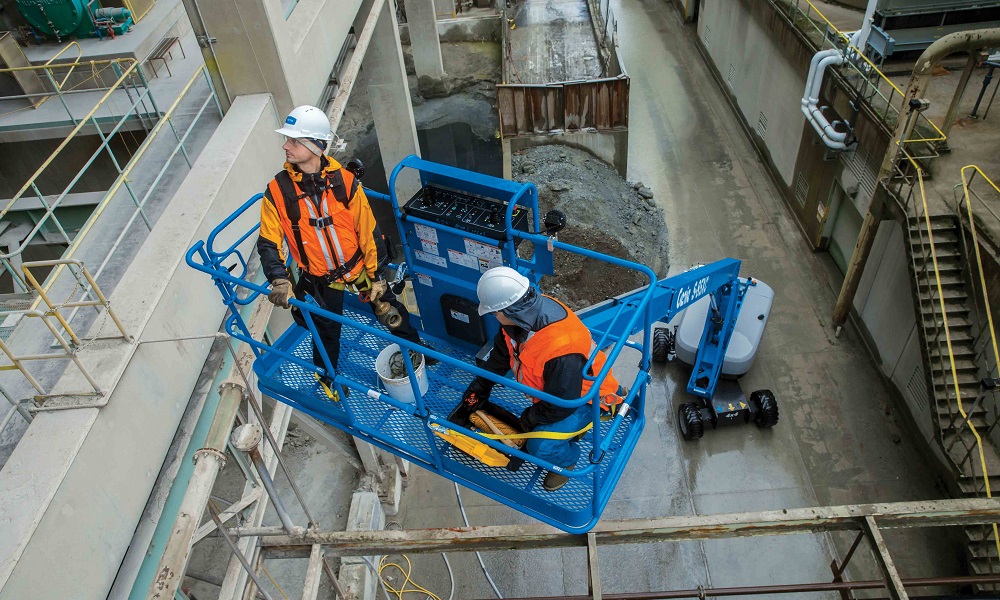
Emirates Steel Arkan, the UAE-based, publicly traded steel and buildings material company, has said that it plans to expand into new markets in Asia and Africa as it looks to enhance its international competitiveness.

According to a WAM report, citing an interview with Group CEO Saeed Ghumran Al Remeithi, Emirates Steel Arkan aims to explore new markets and boost its production and efficiency. He added that the company has been able to increase the number of export markets to 60 by the end of the first half compared to 56 at the start of the year.

Al Remeithi explained that the group’s strategy for diversifying its revenue sources includes increasing exports via various marketing channels, in addition to boosting the competitiveness of national products, supporting the unified industrial identity, titled, “Make it in the Emirates”, to encourage production and support national products.

The export markets currently account for 45% of the group’s sales, he added. Furthermore, Emirates Steel Arkan has maintained a market share of 60% and aims to increase this figure by adding new and sustainable products, he said.

“We expect the group to continue its strong financial performance to the end of this year, by benefitting mainly from the UAE’s economic recovery and the growth of the real estate sector, as well as the continuous strategic partnerships to develop the industrial sector and support innovation and sustainability,” concluded Al Remeithi.

The post Emirates Steel Arkan plans to expand into new Asian and African markets appeared first on Middle East Construction News.


Source: ME Construction News


Nuclear-Plant_edit-1.jpg

August 29, 2022 foasummit0

South Korea has signed a $2.2 billion deal with Russia’s state-owned Rosatom to provide buildings and components for a new Egyptian nuclear plant, it has been revealed.

Citing a statement from South Korea’s energy ministry, a Bloomberg report said that the state-owned South Korea Hydro and Nuclear Power has won a contract to supply buildings, equipment, and materials for Egypt’s El Dabaa project.

The report added that in December 2021, the Korean group emerged as the sole bidder for the portion of the El Dabaa project. It added that the contract will see it construct the main and auxiliary buildings and structures of the turbine islands for the units between 2023-2029.

The post South Korea Hydro and Nuclear Power wins $2.2bn contract from Russia’s Rosatom to build nuclear plant in Egypt appeared first on Middle East Construction News.


Source: ME Construction News