

Real-Estate2-1.jpg

September 1, 2022 foasummit0

According to a new report by Strategy& Middle East, Middle Eastern residential developers can differentiate themselves from their competitors and increase value over the long-term by building close, long-term customer relationships through data-driven, customer experiences.

The report titled ‘Creating value and differentiation for real estate developers: Customer first, lifestyle led, data driven’ said that by using innovative technologies and data insights, developers can obtain a better picture of customer lifestyle requirements and post-purchase needs, enabling their customers to find the right community.

It added that this approach would shift the focus from transactions to relationships and can allow developers to adapt their offerings, increase customer lifetime value, generate new revenue streams, and ultimately, beat the competition.

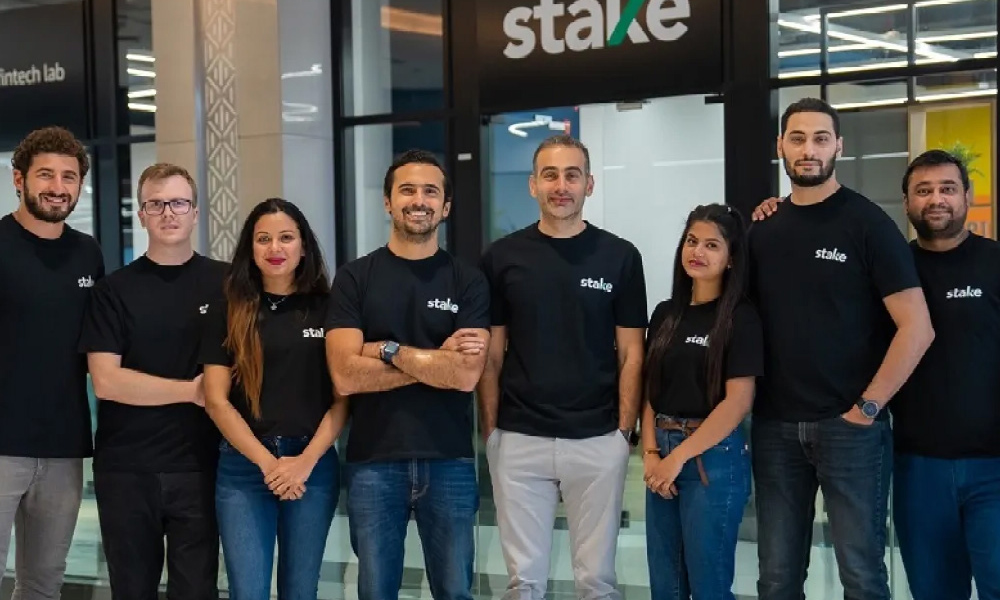
Late in August 2022, real estate fintech start-up Stake said it had raised US $8mn.

“Developers can no longer compete largely on product delivery, price, or even sales and after-sales service. Instead, much like their retail peers, residential developers can differentiate themselves by offering a superlative customer experience that is driven by in-depth customer knowledge and enabled by data analytics,” said Bilal Mikati, Partner with Strategy& Middle East.

Although customer experience is already the main way for developers to stand out from the crowd, these companies can go further to maintain the value of their products. The report highlights the recent changes in the retail sector that used detailed knowledge of customers from data analytics to offer exceptional customer experience, and deployed multiple channels to build loyalty.

He added, “To stand out, developers need to provide personalised products and services for customers. These should be based on lifestyle factors, such as whether people are active or retirees, by drawing on relevant data that provide meaningful experiences.”

Sharjah unveiled a new ‘Holiday Homes Project’ early in August, as part of efforts to diversify economic growth.
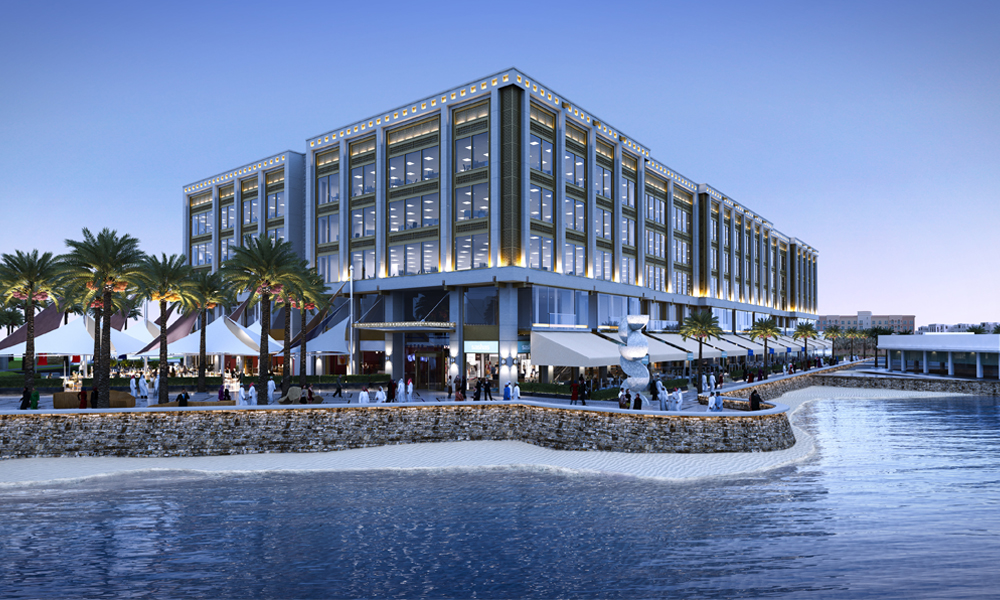
The report pointed out that developers have three ways to differentiate themselves and add value: personalisation of products through micro-segmentation of the customer base; expansion of data-driven services; and the exploration of innovative technologies. Developers must cater to the appetite for technology of generation Z (those born after 1997 and who grew up with digital technology), it explained.

Zahi Awad, Principal with Strategy& Middle East added, “Generation Z is now renting and buying homes. This demographic has digital expectations that many developers are not meeting. A great product, attractive price, strong sales and after sales service are not enough. These customers need differentiated products and services that are authentically personalized to their lifestyles, and that provide them with the right community.”

The report advised that developers take a data-driven, community-focused approach to accrue three main benefits and opportunities. This includes a smoother sales experience, which helps to start the long-term relationship; while this is enhanced further with access to established digital communities, providing valuable data on customers, and helping developers tailor products and services; and helping to generate value in the community before the development is completed, turning customers into advocates for the project.

Ramy Sfeir, Partner with Strategy& Middle East concluded, “Using data to understand customers’ needs while placing them in the right setting can also improve their retention. People appreciate, and like to remain, in cohesive communities that reflect their wants. Such established, digitally-enabled communities provide valuable data insights that allow developers to elaborate products and services and come up with new areas for customer engagement.”

PNC Menon, Chairman of Sobha Group told Middle East Construction News (MECN) that smart homes are a critical component of smart cities.

The post Developers can differentiate through data-driven customer relationships says Strategy& appeared first on Middle East Construction News.


Source: ME Construction News

CAT-798_1000x600-1.jpg

September 1, 2022 foasummit0

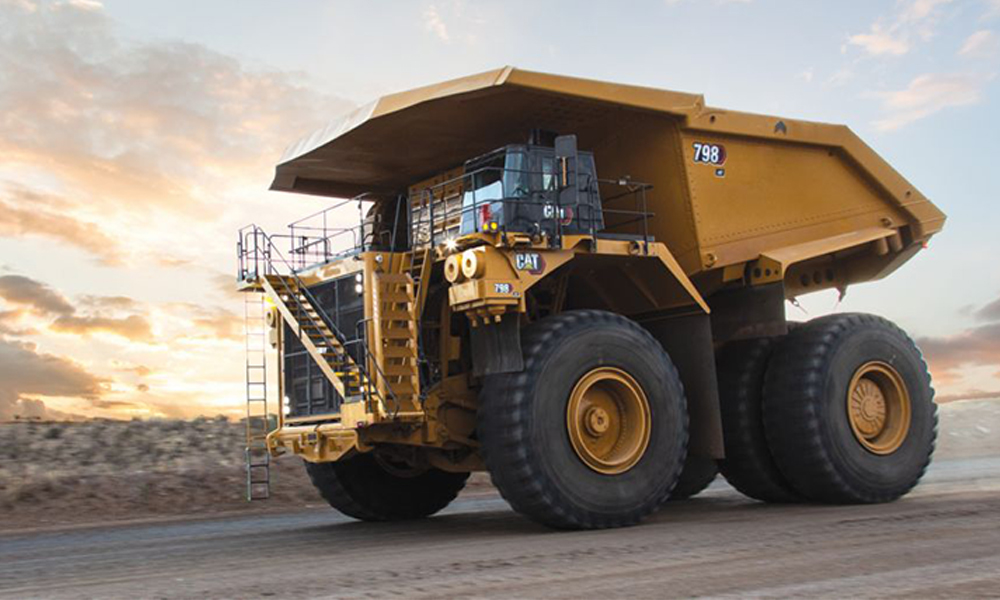
Caterpillar and its dealer Finning International have signed a deal to replace BHP’s entire haul truck fleet at the Escondida mine in northern Chile. This agreement is said to be part of a strategic equipment renewal process developed by Escondida which is the world’s largest copper producer.

The first trucks are expected to arrive at the mine in the second half of 2023, with delivery of the remaining trucks to extend over the next 10 years, as the three companies work to replace one of the largest fleets in the industry, currently consisting of over 160 haul trucks.

Maintenance and support services provided under the agreement advance BHP’s local employment and gender balance strategies, while Finning’s Integrated Knowledge Centre, located in Antofagasta, will provide industry technical support for the fleet.

In August 2022, Magna Tyres said it had plans to introduce new tread patterns for mining equipment at Bauma 2022.

The agreement also allows Escondida and BHP to accelerate the implementation of its autonomy plans by transitioning the fleet to include technology that enables autonomous operation. Included in the fleet will be the new Caterpillar 798 AC electric drive trucks.

“This agreement is an important step to continue projecting into the future Escondida | BHP´s leadership in the industry,” said James Whittaker, President of Escondida | BHP.

“It will allow us to generate significant efficiencies at the operational level, but it is also in line with some of the main challenges that drive us as a company: innovation for the future of mining, decarbonisation, and development of capabilities in Antofagasta´s community,” he concluded.

In June 2022, Komatsu said it was expanding autonomous technology on haul trucks by 2024, and in July, Metso Outotec said it would deliver the world’s largest Premier grinding mills to a Zambian copper mine.

The post Caterpillar inks deal to replace haul truck fleet at Chilean mine appeared first on Middle East Construction News.


Source: ME Construction News


MOCCAE-Climate-Action_1000x600-1.jpg

August 31, 2022 foasummit0

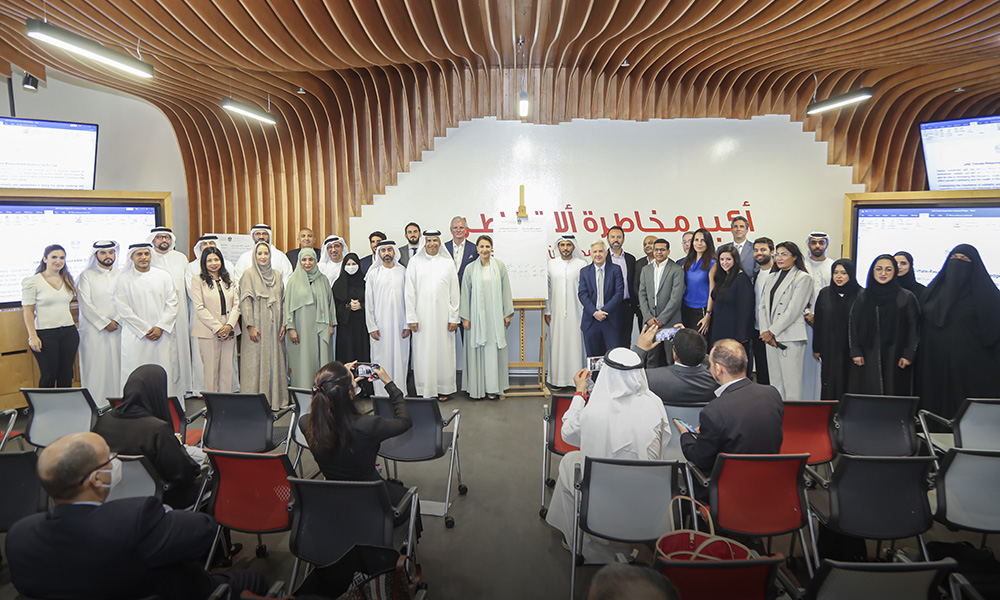
The UAE Climate-Responsible Companies Pledge has been unveiled by the Ministry of Climate Change and Environment (MOCCAE). The pledge aims to increase the engagement of the private sector in the country’s decarbonisation drive in line with the UAE Net Zero by 2050 initiative.

The pledge is said to form the nucleus of future collaboration among the private sector, NGOs, and international organisations, including Emirates Nature in association with the World Wildlife Fund (WWF). The latter is said to be a strategic implementation partner to the pledge and will look to support private sector entities as they move towards implementing their Net Zero plans.

The launch of the pledge is said to be part of MOCCAE’s initiatives focused on scaling up the UAE’s climate action in response to the call of the Glasgow Climate Pact, an outcome of the 26th UN Climate Change Conference (COP26), for countries to seek higher GHG emission reduction targets.

In May 2022, four regional experts spoke to Middle East Consultant about the region’s Net Zero journey.

“We are pleased to introduce the UAE Climate-Responsible Companies Pledge, and there’s no better place to do so than at NDCA, where we build rapport with all sectors to raise their climate ambition and turn them into active partners in our Net Zero drive. The pledge will help us – the UAE government – engage with entities that are keen to make an active contribution to our climate neutrality movement, and align their efforts to achieve our common objective. I invite all companies to show that they care about their impact on our climate, and that they’re ready and willing to translate their commitment into action by signing the UAE Climate-Responsible Companies Pledge,” said Her Excellency Mariam bint Mohammed Almheiri, Minister of Climate Change and Environment.

The launch took place as part of the fourth installment of the National Dialogue for Climate Ambition (NDCA), a series of sector-specific assemblies aimed at establishing a national sustainability outlook and informing the country’s pursuit of climate neutrality, MOCCAE noted. The fourth NDCA took place under the theme ‘Roadmap to achieve net zero in the hospitality sector’.

The event saw 21 companies across key sectors, such as cement, aluminum, and steel, join the pledge including BEEAH, Emerson, Emirates Nature-WWF, Majid Al Futtaim Group, Standard Chartered Bank, HSBC, Masdar, Emirates Global Aluminium, Emirates Steel Arkan Group, Aldar Properties, Emirates Environmental Group, Strata, Al Yah Satellite Communications Company (Yahsat), Chalhoub Group, Pure Harvest, AESG, Taka Solutions, Lafarge Emirates Cement, EY, EV Lab, and TotalEnergies. In February 2021, developer Arada inked a deal with MOCCAE to boost environmental sustainability.

In June 2022, SNC-Lavalin launched its ‘Engineering Net Zero in the GCC’ report, which is designed to help the region achieve its Net Zero carbon targets.

MOCCAE said that the organisations have committed to stepping up their collective efforts to combat climate change by measuring and reporting their greenhouse gas (GHG) emissions in a transparent manner, developing ambitious science-based plans to reduce their carbon footprint, and sharing these plans with the UAE government to contribute to achieving the national Net Zero target by 2050.

In addition, the signatories have pledged to factor in climate change mitigation and adaptation as core values and principles of their businesses and operational models, and adopt an all-inclusive approach that engages youth, women, and vulnerable segments of society in developing their Net Zero plans.

The keen interest of companies to sign the pledge reflects the awareness of private sector entities of the serious threat of climate change and its adverse impacts on the environment, food security, water security, and public health, MOCCAE concluded.

In an exclusive interview with Middle East Construction News in July 2022, WSP’s Sophia Kee warned that there’s a 93% certainty that the world will hit new temperature highs in the next five years.

The post MOCCAE unveils pledge designed to boost private sector’s contribution to UAE’s Net Zero by 2050 initiative appeared first on Middle East Construction News.


Source: ME Construction News

Financing_1000x600-1.jpg

August 31, 2022 foasummit0

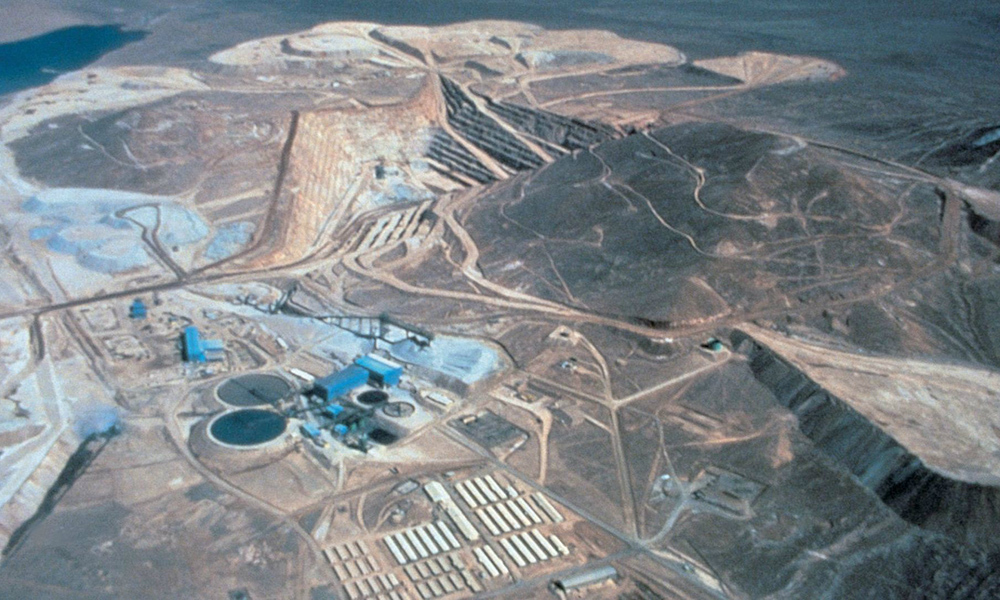
In a pre-series ‘A funding’ round, Dubai-based start-up Stake has successfully raised $8mn. This is said to be the largest capital raised by a real estate investment platform in the Middle East and North Africa (MENA) region.

The latest funding is backed by venture capital firms MEVP and By Ventures, as well as returning investors Vivium Holding and Combined Growth Real Estate. It follows a $4mn seed round that the company closed in June 2021, bringing the business’ total raised funds to more than $12mn – all achieved in little more than 14 months.

The company operates a digital platform that allows investors to invest sums as low as $136.13 to own shares of income-generating properties in Dubai. This means that ownership benefits can be achieved without having to buy an entire apartment or villa, thereby avoiding the need to raise large amounts of capital up-front.

Take the five minute Middle East Construction News Survey and you could win a brand new Apple Watch!

Stake has said that it will use the new capital to advance both its product offer and technology, up-scaling its brand and expanding operations in the region.

The real estate fintech platform has around 42,000 users from more than 80 countries and 150 nationalities. It has posted an average 17% monthly growth rate in assets under management (AUM) and 500% overall growth in AUMs in the past 12 months.

One of the core advantages of the Stake offer is that by offering the opportunity to buy partial shares in properties, investors are protected to a certain extent from significant market fluctuations and can use further sums to acquire a portfolio ‘spread’, which might include existing ‘gilt-edged’ opportunities as well as more speculative opportunities, the firm concluded.

In early August, Emaar bought out Dubai Holding’s stake in Dubai Creek Harbour for $2.04bn and, later in the month, CBRE said that Bahrain’s real estate transaction volumes were on a positive trajectory.

The post Real estate fintech start-up Stake raises $8mn appeared first on Middle East Construction News.


Source: ME Construction News

Yas-Park-Gate1_1000x600-1.jpg

August 31, 2022 foasummit0

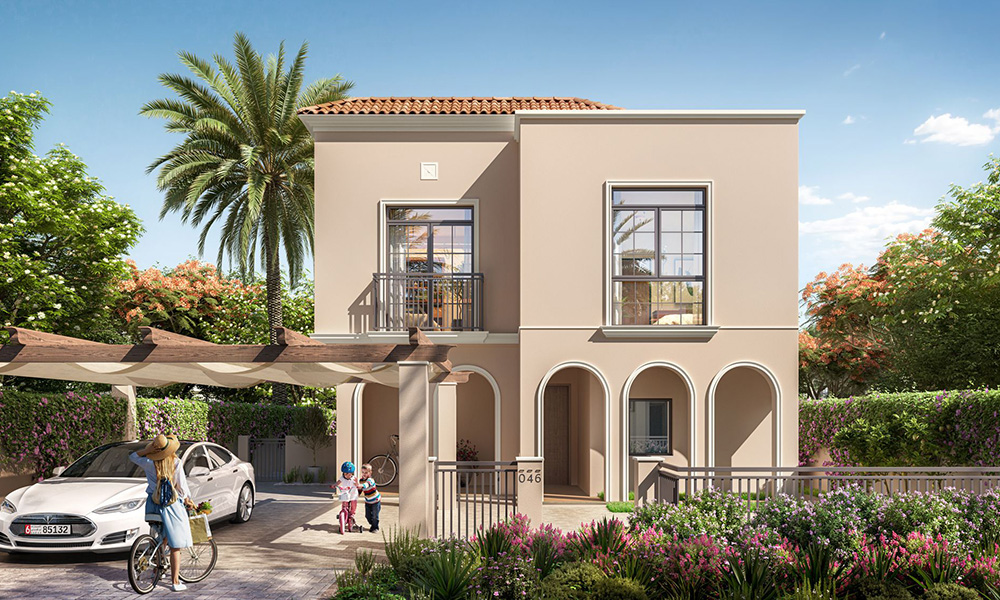
Aldar Properties has launched the $310mn Yas Park Gate residential development, which is designed to complement the existing communities and due to feature 508 new homes across 255,000sqm.

The Mediterranean-style gated community, which will be located immediately adjacent to Yas Park, is said to be a natural progression in the development of the second phase of North Yas. Construction of Yas Park Gate is due to begin in Q1, 2023, with handovers expected to commence in Q1, 2026.

Units at Yas Park Gate will be available for purchase by all nationalities from 1 September 2022, and is expected to offer buyers competitively priced single-family homes, from two and three-bedroom townhouses to four-bedroom villas. The Mediterranean-style homes will give buyers a choice of two interior colour options, the developer noted.

In July 2022, Aldar said it would acquire four towers in a deal worth $1.7bn.

Commenting on the launch, Rashed Al Omaira, Chief Commercial Officer at Aldar Development, said: “Yas Park Gate represents the next stage of the broader North Yas masterplan, which will further solidify the island as one of Abu Dhabi’s most sought-after destinations. Our research has shown growing customer demand for amenity-driven communities, so that has been a core focus for this development.”

In line with Aldar’s sustainability strategy, the homes at Yas Park Gate are designed to achieve a two-pearl rating, as per the UAE’s Estidama sustainability rating system. Key sustainability measures taken at Yas Park Gate include efficient water fixtures and fittings that claim to reduce consumption by 18%, responsible sourcing of building materials to reduce the development’s carbon footprint, and using smart building designs and efficient cooling systems to achieve a 25% decrease in energy consumption.

In early August, CBRE said it advised Aldar on a $221mn hospitality deal. Later in the month, Apollo acquired a $400mn stake in Aldar Investment Properties.

The post All-new Yas Park Gate set to feature 508 homes appeared first on Middle East Construction News.


Source: ME Construction News


Hannes-Norrgren-Volvo-Penta_1000x600-1.jpg

August 31, 2022 foasummit0

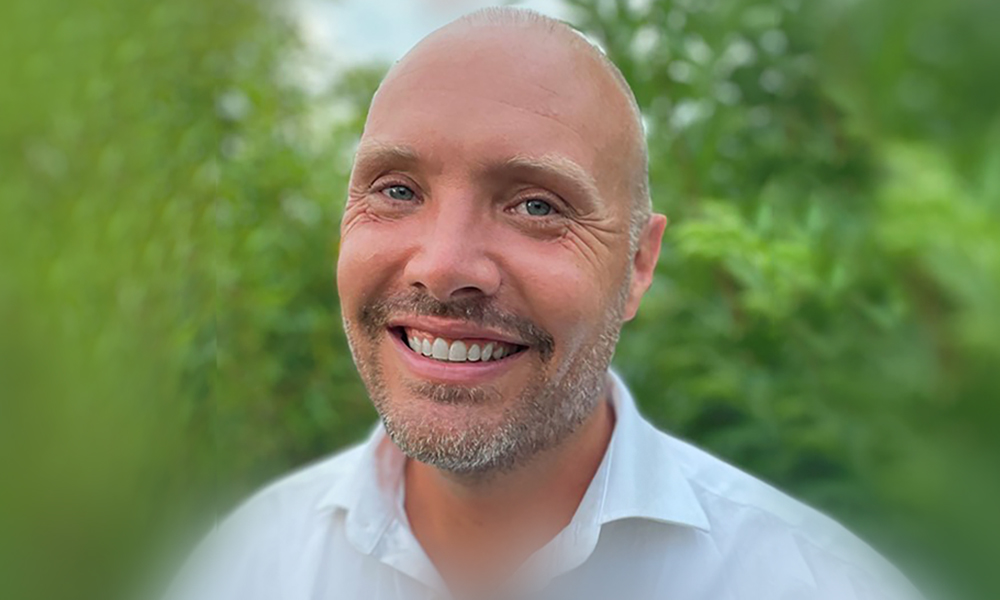
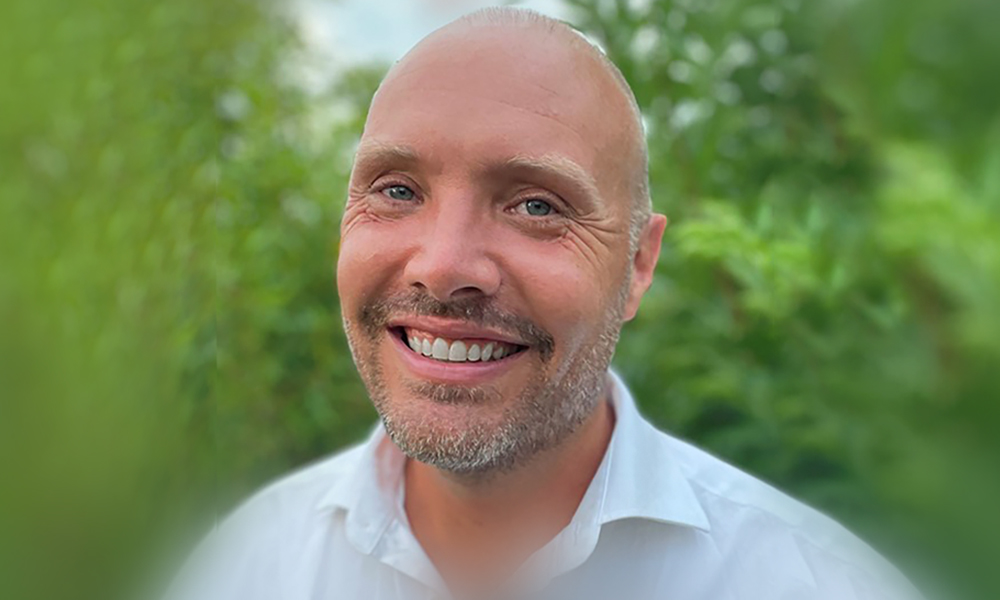
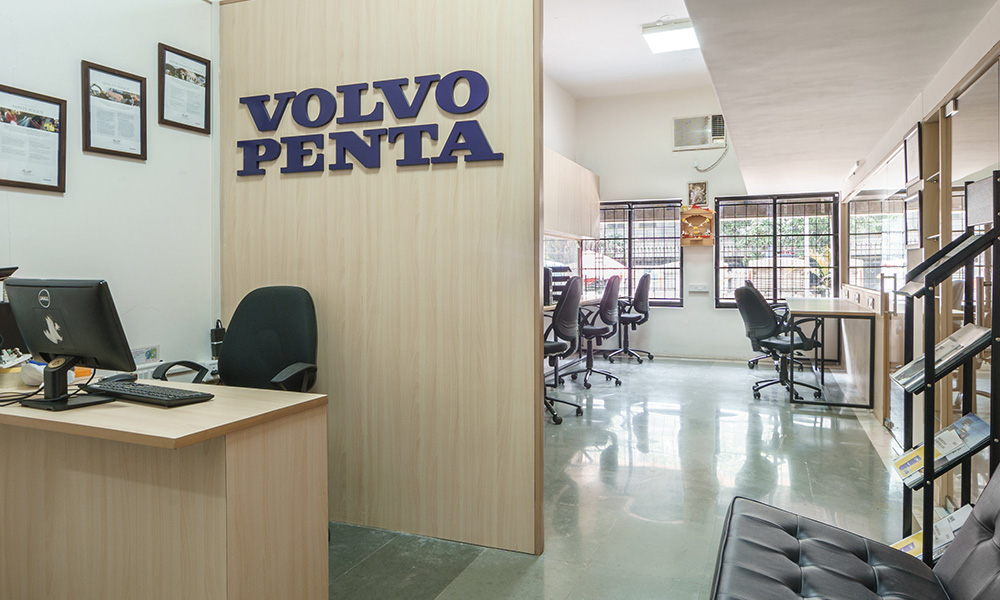
Hannes Norrgren will take up the position of President of Volvo Penta’s Industrial Business Unit on 1 November, replacing Giorgio Paris who will retire after a 25-year career at the company.

Norrgren has worked within the industry for more than 20 years and has a long track record at Volvo Penta, having previously held various positions including Vice President for Industrial Sales and Marketing in Europe. For the past three years, Hannes has served as CEO at Humphree, a fast-growing Swedish marine technology provider of which Volvo Penta is the major shareholder.

Take the five minute Middle East Construction News Survey and you could win a brand new Apple Watch!

Speaking on the announcement Norrgren said: “I am very happy to get this opportunity. To be able to lead one of the industry’s top brands in times of disruptive change is an exciting challenge. What we will do over the coming years in relation to our transformation towards sustainable power solutions will define the next era of Volvo Penta Industrial. It will take courage, teamwork and entrepreneurship to succeed, all of which are values that are close to my heart and management approach.”

Heléne Mellquist, who was appointed President of Volvo Penta in June 2020, added: “I am delighted that Hannes is returning to the Volvo Penta team. He brings extensive knowledge about building business relationships with customers which, in combination with a strong commercial focus and mindset, will be key in leading the Industrial Business Unit on our transformation journey.”

In June 2022, the firm said its Volvo Penta D16 engines would power the Sweden Rock Festival.

The post Volvo Penta appoints Hannes Norrgren as Industrial President appeared first on Middle East Construction News.


Source: ME Construction News

markus-oberlin-ceo-farnek_1000x600-1.jpg

August 30, 2022 foasummit0

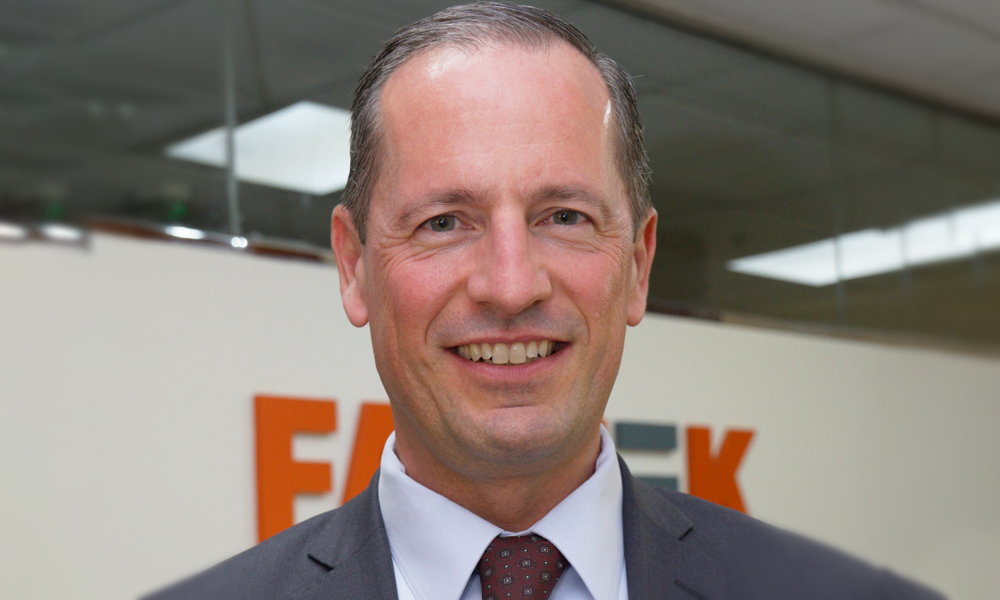
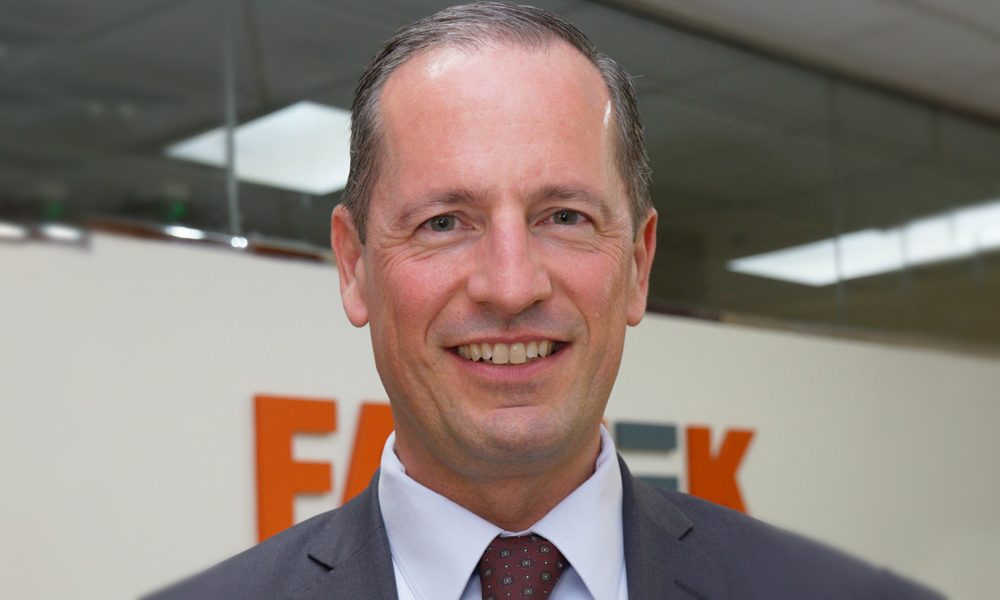
Facilities management (FM) major Farnek said it secured a host of new and retained contract wins in the security sector, totalling more than $11.54mn over the last 12 months.

The company said it has seen success in security contracts across a diverse range of sectors including energy, healthcare, finance, manufacturing, education, residential, events and exhibitions, construction and government. It mobilised 420 members to locations in Dubai, Abu Dhabi, Sharjah, Ras Al Khaimah and Umm Al Quwain to provide a range of security services including guarding, maintenance, control and monitoring, inspections, and site reporting amongst others.

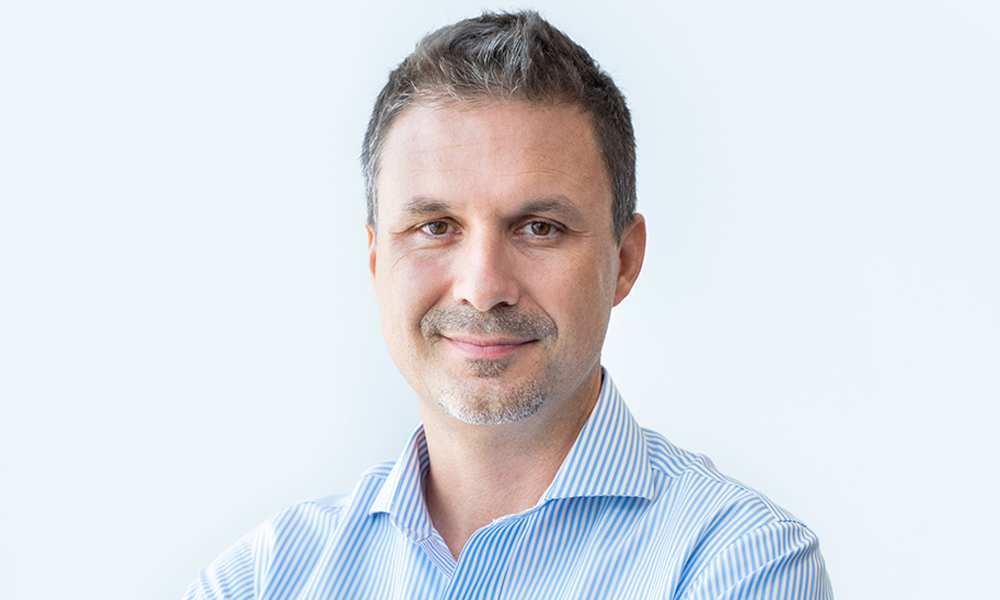
“At Farnek, we provide cutting-edge security solutions that incorporate flexible and integrated technologies and are supported by highly competent security personnel. This has resonated with several of our clients and partners and is representative of the demand that has seen our security division witness unprecedented growth in the last 12 months,” said Markus Oberlin, CEO of Farnek.

Take the five minute Middle East Construction News Survey and you could win a brand new Apple Watch!

“Our primary objective is to ensure the safety and security of our client’s facilities. To do this, all our personnel have undergone a rigorous vetting process and come from various backgrounds, including the armed forces and police departments, ensuring they are well-versed in dealing with any situation.”

New contracts in the healthcare sector include RR Facility Management, a specialist in providing PCR test centre services, across the Northern Emirates, with 50 security guards to oversee operations.  Elsewhere, 15 Farnek security personnel will be utilised across Unilab sites in Dubai and Ajman.

In the real estate sector, Farnek said it will deploy 14 members of staff to the new 23 Marina development in Dubai. At the same time, wins in government, construction, and the financial industry include the Federal Authority for Human Resources, Ramky Enviro and Banque Misr, respectively.

In January 2022, the company outlined its roadmap to achieve Net Zero emissions by 2050.

In terms of security automation, Farnek uses internet of things (IoT), cloud, machine learning (ML) and artificial intelligence (AI) based technologies as part of its security operations, Oberlain said.

The company explained that it has successfully developed the HITEK Solution 4.0 – a Huawei-based AI surveillance system that monitors local CCTV and remote channels. Integrated with its 24/7 operational command control centre, the AI element addresses behaviours such as loitering through facial recognition and personal attributes.

To digitise the incident management process and increase resilience through enhanced operational capabilities, Farnek noted that it also developed its in-house Security Plus mobile application, which captures real-time information from customers’ sites.

“This technology enables us to identify and document the full spectrum of security-related activities, ensuring our contractual commitments are met, and customer satisfaction is achieved,” stated Oberlin.

Further enhancing Farnek’s security credentials is its Android watch which is programmed, coded and developed in-house and provides attendance and incident reporting, call facilities, geo-fencing, photo and video functions and health monitoring. All watches are connected to the company’s 24/7 command and control room in Farnek Village, Jebel Ali.

The control centre is said to use 5G and is Wi-Fi 6 enabled, which means Farnek can take advantage of increased bandwidth, low latency and enhanced security to connect assets from multiple sites, so they can be centrally monitored and managed, while guards can also be provided with real-time updates, the company said.

“By listening to what our clients want and providing them with expert insight and state-of-the-art technology, we’re able to offer a service that eclipses anything else on the market in the UAE,” concluded Oberlin.

In April, Farnek announced plans to launch a standalone hotel management company.

The post Farnek awarded $11.54mn in security contracts over last 12 months appeared first on Middle East Construction News.


Source: ME Construction News

Chandra-Dake-CEO-Dake-Reschand_1000x600-1.jpg

August 30, 2022 foasummit0

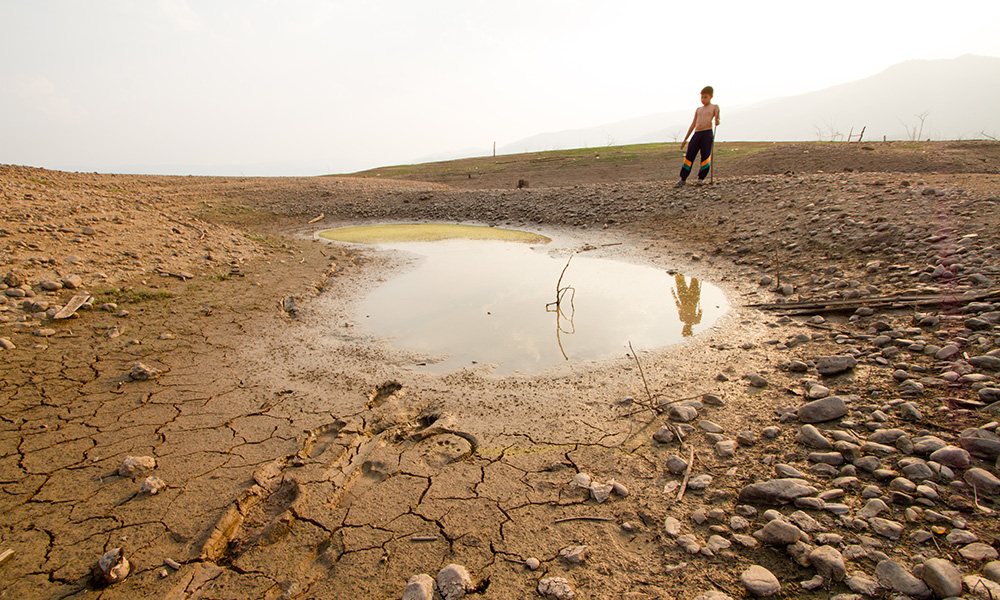
The European Commission’s Joint Research Centre estimated there’s a 75–90% chance of wars being fought over water within the next century. For the uninitiated and those without first-hand experience with water scarcity, this projection may come off as alarmist or far-fetched. However, for many in remote areas in Northern Africa, conflicts due to water are a reality that is growing in severity each passing year.

With the world’s population set to grow to 8.5bn by 2030, and demand for water set to overtake supply by 40% as a result, the water wars are seemingly not far away. This situation warrants reassessment of our existing water infrastructure and exploration of solutions that can potentially alleviate scarcity.

In the MENA region, water scarcity requires multidimensional assessment. Due to the arid climate, limited groundwater resources, and scanty rainfall, the region faces acute scarcity. Concurrently, however, just over a year ago, the region experienced one of its most devastating flood spells as Egypt, Jordan, Lebanon, and Sudan witnessed a considerable loss of lives and livelihoods. So, the natural line of thought here is why excessive rainfall is not mitigating water scarcity; if rainwater harvesting is a plausible solution under the circumstance. The answer is yes and no. Yes, because harvesting is a potential solution; no, because conventional harvesting is not.

Why is centralised harvesting not feasible?

When we talk about MENA, we must first factor in its geopolitical and socioeconomic status quo. According to the World Bank, the Extreme Poverty Rate in MENA nearly doubled between 2015 and 2018. While the ongoing conflict in Syria and Yemen is among the primary reasons, there are many systemic causal factors in individual nations. Although there is no data since the outbreak of the pandemic, World Bank representatives are of the opinion that the global crisis has only aggravated the situation. This status quo incapacitates local governments from exploring and implementing conventional, centralised rainwater harvesting systems, which can cost up to $2,000 per household. In this region, water scarcity is rather severe in rural areas and more so in terms of lack of clean, potable water.

Typically, centralised harvesting systems are established in an area and the harvested water is transported to the point of use. So, even if such a system were to be set up by the government, it will require extensive piping for equitable water distribution — again, entailing more costs. Moreover, its efficiency will hinge largely on the amount of rainfall in the central catchment area; erratic and scanty rainfall can lead to a loss of efficiency.

Initial investments aside, centralised harvesting systems also entail periodic maintenance costs. Typically, the harvested water is subjected to chemical- or electricity-based treatment for freshness and decontamination. This process takes precedence because stored water is susceptible to contamination, the impact of which can be devastating. So, it is safe to say that, at least within the MENA context, centralised rainwater harvesting systems do not tick all — social, economic and environmental — the boxes of sustainability. This challenge can be addressed however by decentralised rainwater harvesting systems.

The feasibility of decentralised harvesting systems

As the name suggests, decentralised systems are not constrained to a specific location; they can be implemented anywhere with ease. They are often built using porous building materials — available in the form of bricks, kerbstones, and tiles — which are paved on rain-exposed surfaces like roads, barren lands, etc. During rains, these products absorb and store the water inside reservoirs and, thanks to the air-permeable nature of the surface, the stored water can remain fresh for up to seven years, without requiring external, chemical- or electricity-based treatment.

As far as feasibility and holistic sustainability are concerned, such systems promise the following: the primary material is sand, which is sourced through environmentally responsible processes. Due to the widespread availability of desert sand, porous products are inexpensive and affordable for people across the socioeconomic spectrum. Decentralised systems are also deployable at custom sizes, by individuals and institutional adopters alike, as per requirements, and the adopter has full ownership of the harvested water. Since rainwater is the purest form of natural water, it can be used for a variety of purposes — all for a one-time, low-capital investment.

These characteristics bear the promise of sustainable water security at the grassroots and accompanying socio-economic empowerment. In urban centres, decentralized systems can be implemented to keep public areas like roads, parking lots, and playgrounds free of flooding and waterlogging while harvesting potable water. In cities like Dubai, where flooding has previously resulted in property damage and associated repair costs, the impact can be profound.

Furthermore, decentralised harvesting systems can be integrated to create smart city water networks or ‘Sponge Cities’. If implemented in design stages with effective piping and redirection mechanisms, decentralised harvesting systems can embed circularity in urban centres and supply low-impact potable water. They can, in turn, reduce the dependency on carbon- and energy-intensive desalination plants, which currently account for three-quarters of water production in the Middle East. This is to say, decentralised systems can be a viable solution at the intersection of water security and net zero pursuits.

Read more:

The post Getting to grips with water scarcity appeared first on Middle East Construction News.


Source: ME Construction News

RTA-Falcon-Project1_1000x600-1.jpg

August 30, 2022 foasummit0

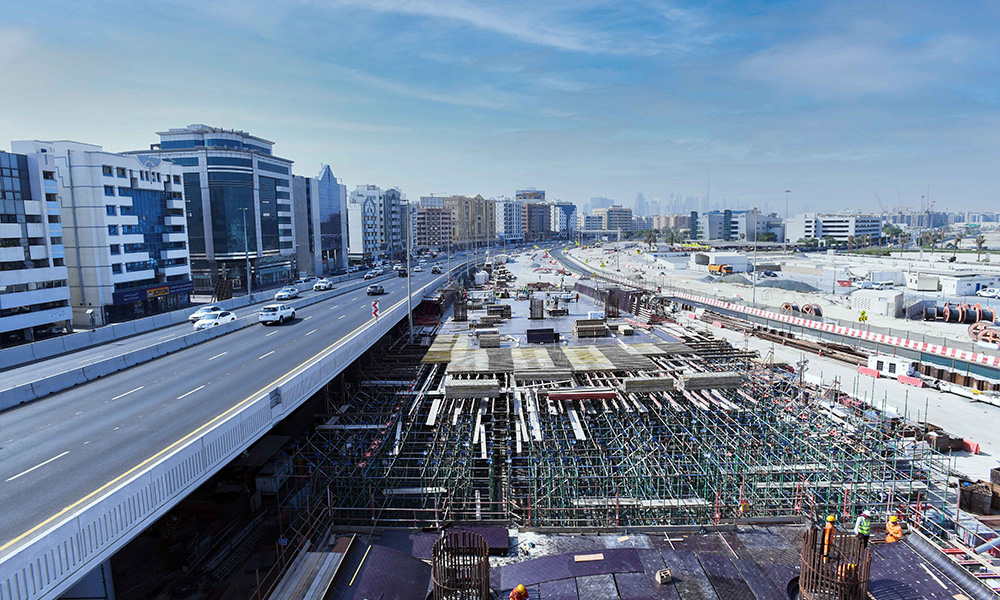
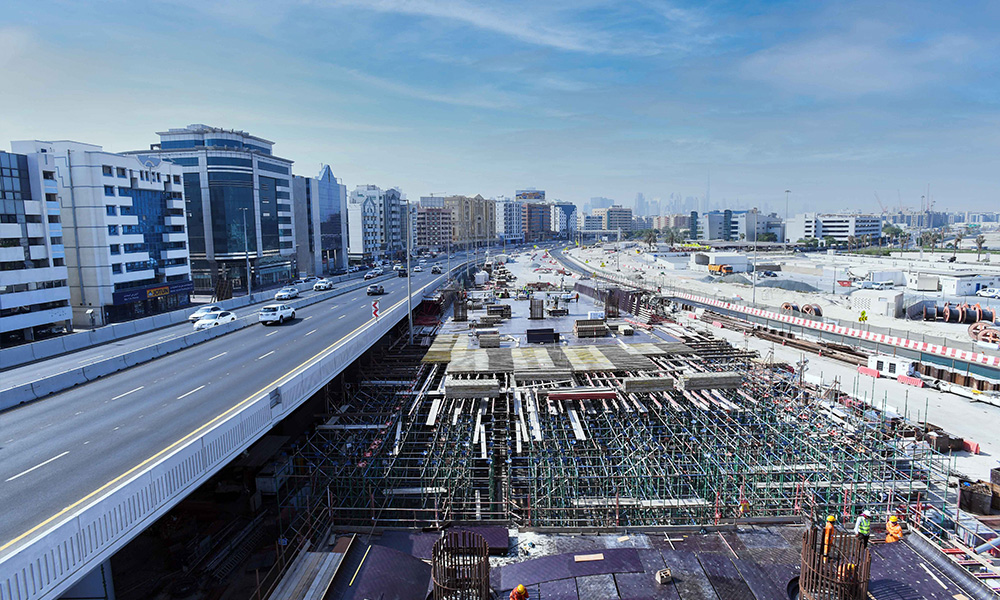
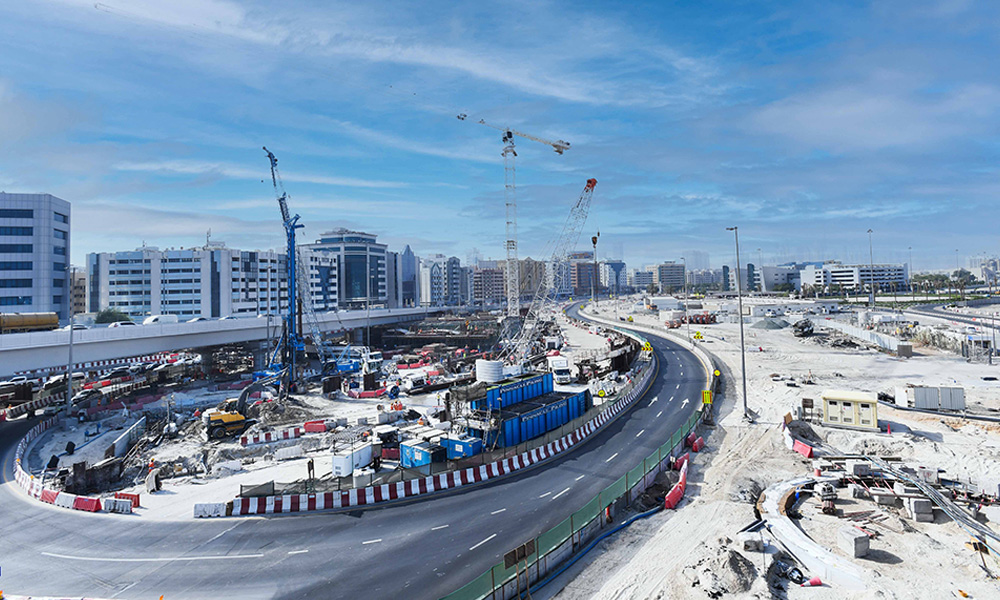
Dubai’s Roads and Transport Authority (RTA) has announced that 55% of construction work has been completed at the Falcon Interchange improvement project, situated between Al Khaleej Street, Khalid bin Al Waleed Street, and Al Ghubaiba Street. The project will link with the northern side of the Infinity Bridge (Al Shindagha Bridge).

“The project is implemented in response to the directives of His Highness Sheikh Mohammed bin Rashid Al Maktoum, Vice President, Prime Minister and Ruler of Dubai, to develop Al Shindagha corridor to match the extensive development of the area and meet the urbanisation needs in future,” said Mattar Al Tayer, Director-General and Chairman of the Board of Executive Directors of RTA.

“The Falcon Interchange Improvement Project is part of Al Shindagha Roads Corridor Improvement Project, which extends 13km along Al Mina Street, Al Khaleej Street and Cairo Street. Upgrading the Falcon Interchange will ensure free traffic movement across Al Shindagha Corridor (Al Khaleej and Al Mina Streets) and step up the intake of both streets. It will also enhance traffic safety, provide entry/exit points for Rashid Port, and provide more parking spaces under the new bridge to serve the area,” Al Tayer said.

Take the five minute Middle East Construction News Survey and you could win a brand new Apple Watch!

“The contractor has completed the construction works of the main northern bridge at the junction, the link with the Infinity Bridge and Deira side of Al Shindagha Tunnel, and the link with the improved junctions of Sheikh Rashid Street,” he added.

He pointed out that 25% of the construction has been completed in the tunnel from Khalid bin Al Waleed Street to Al Mina Street. Construction is underway on the southern main bridge, as well as for the stormwater drainage system. The capacity of bridges and tunnels under the project amount to 28,800 vehicles per hour.

The project includes the construction of two bridges along Al Khaleej Street; the first bridge extends 750m northwards, and the second one stretches 1,075m southwards. The bridges comprise six lanes in each direction, with a capacity of up to 24,000 vehicles per hour in both directions.

Construction also includes a one-lane bridge extending 250m for a right-turn from Khalid bin Al Waleed Street to Al Khaleej Street, with a capacity of 1,600 vehicles per hour, and the construction of a two-lane 500m tunnel for left turns from Khaled bin Al Waleed St to Al Mina St capable of handling 3,200 vehicles per hour, in addition to a surface signalised junction linking Al Khaleej with Al Ghubaiba and Khaled bin Al Waleed Streets.

The project includes other works like pavements, lighting, traffic systems, rainwater drainage network and irrigation systems, Al Tayer concluded.

In April 2022, the RTA revealed its five-year sustainability plan, while, in May, it disclosed plans to extend dedicated bus and taxi lanes over a five-year period.

The post 55% of construction work at Falcon Interchange improvement project complete says RTA appeared first on Middle East Construction News.


Source: ME Construction News