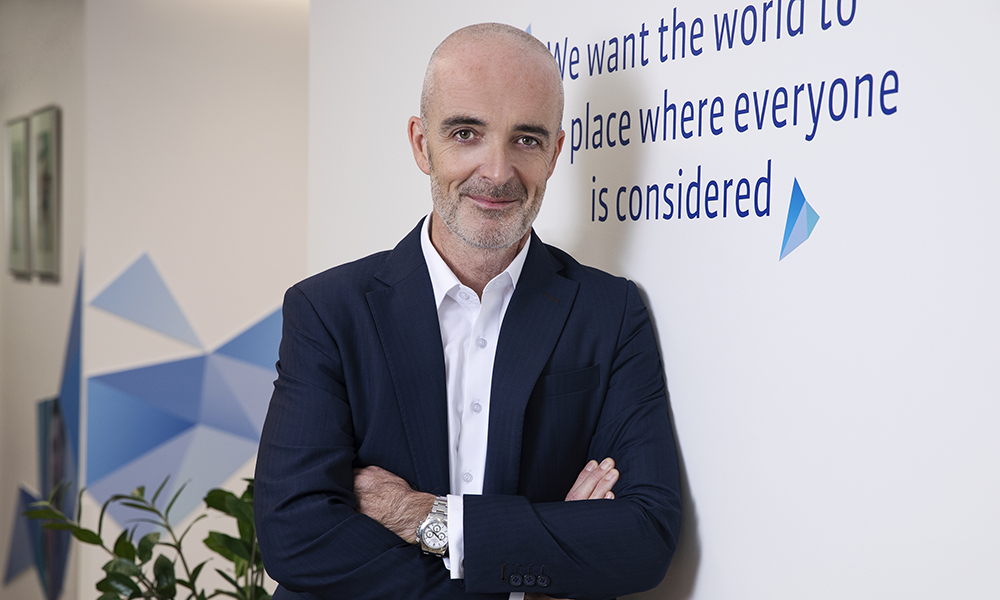
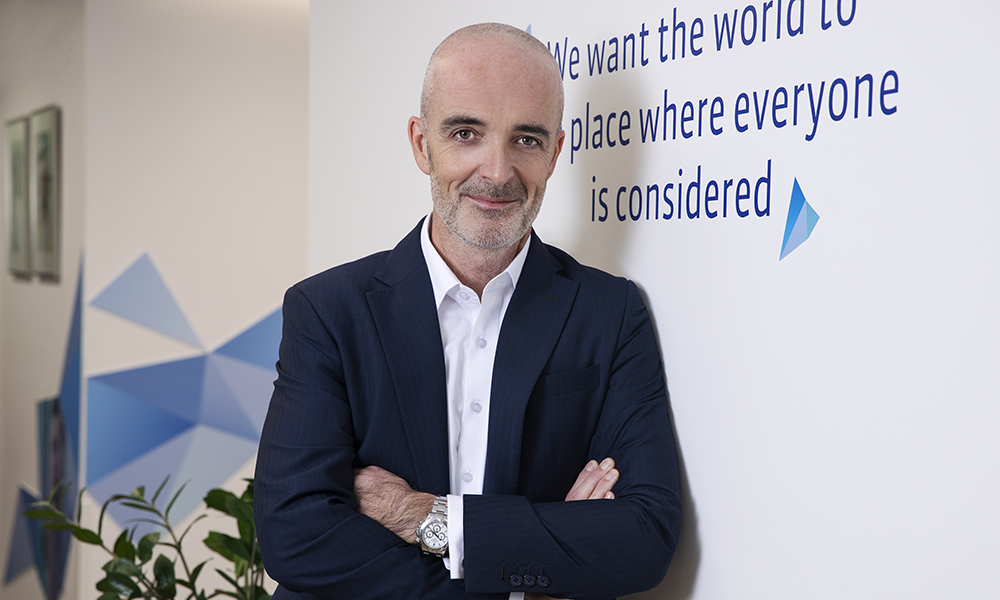
Campbell-Gray-CEO-Middle-East-Afrcia-Atkins-a-member-of-the-SNC-Lavalin-Group-1.jpg

July 7, 2022 foasummit0

Countries globally are implementing long term strategies to reduce their greenhouse gas emissions, promote circular economy practices and ensure that their future-focused planning enables measures to minimise their carbon footprint. A key question is whether planning has been done holistically and whether there is sufficient urgency in those plans to meet the communicated Net Zero targets.

Within the GCC, Saudi Arabia, the UAE and Bahrain have committed to becoming Net Zero and have announced their respective targets. It was also announced during COP26 that the upcoming two meetings will be held in the Middle East – Egypt in 2022 and the UAE in 2023, which aligns with their governments’ commitment to accelerate the journey towards achieving a Net Zero Carbon future.

Meeting Net Zero targets takes time, effective policies, engineering advancements and of course government will-power. Time is not a luxury on offer, but having target dates for Net Zero will motivate GCC countries to focus on planning schedules and accelerate build times, especially for energy systems. To meet their Net Zero targets, Saudi Arabia and the UAE have each released strategies that provide key milestones at either a country or, for the UAE, emirate level.

To help the region achieve its Net Zero targets, the SNC-Lavalin Group, including Atkins and Faithful+Gould, has launched the ‘Engineering Net Zero in the GCC’ report that outlines challenges, opportunities, and key recommendations to decarbonise the energy, built environment, and transport sectors. Globally, the company has developed the ‘Engineering Net Zero’ (ENZ) programme, which focuses on leading the engineering industry to achieve Net Zero Carbon as rapidly as possible, by helping clients manage climate risks and build climate resilience.
Energy transition

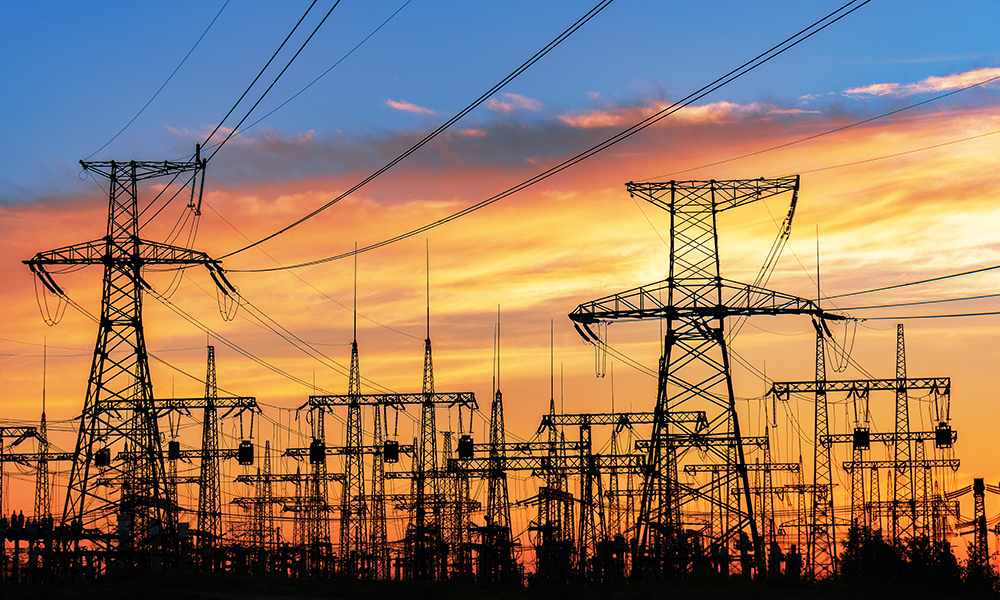
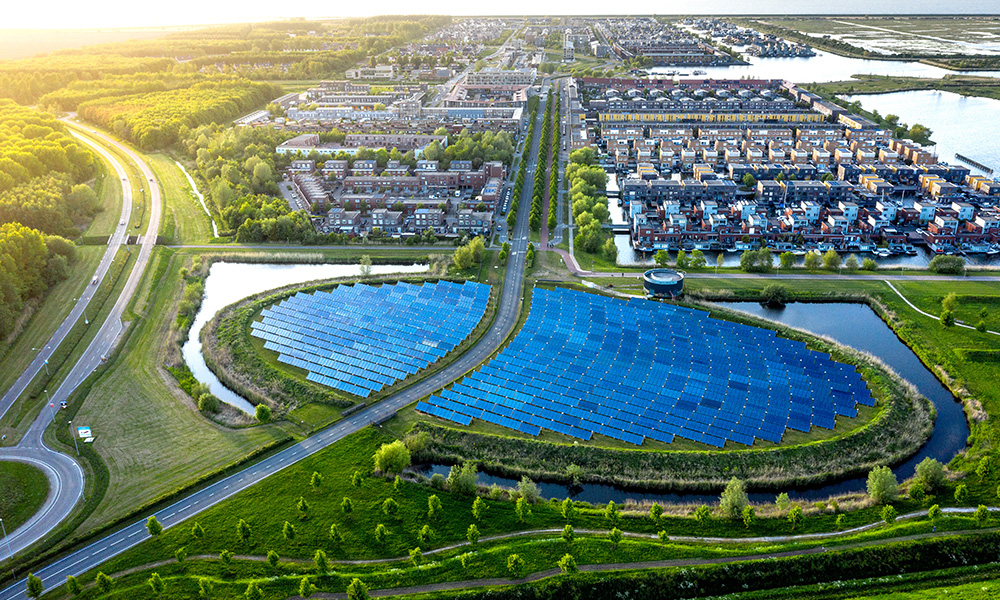
The ongoing energy transition within the GCC is the foundation of governments Net Zero strategies. Decisions around heavy industry, the built environment or transport, directly influence opportunities within the energy sector. GCC countries are developing a mix of utility-scale solar, wind, waste-to-energy, and nuclear power as part of their planned low-carbon energy mix. It is possible that build rates of both generation and grid integration projects, which must be considered in conjunction, may need to accelerate to meet government timelines.

The size and pace of clean energy targets in Saudi Arabia and the UAE, particularly when put into context of each country’s Net Zero targets, leaves no room for slow decision-making. Given the complexity of government plans, combined with the changing grid-connected energy mix that will include firm and intermittent power along with storage, countries will need an energy system architect (ESA) to enable decision making. An Energy System Architect (ESA) will ensure well-engineered plans can meet the net zero energy challenge which involves optimizing the use of natural resources, while overseeing decarbonisation strategies at the same time.

Sustainable cities

Sustainable urban master planning is a key aspect of future Net Zero strategies. Sustainable cities need to consider livability, work and access to essential services by a range of non-car and road-based modes. Conscious design and planning that achieve Net Zero goals need to appreciate life-centric approaches to the built environment. Delivering high performance-built environment solutions for new and existing urban environments is a critical activity and will be at the forefront of decarbonising cities in the GCC. To help reduce carbon emissions for existing buildings, the company has developed Decarbonomics, a data-driven solution to decarbonise the built environment in a cost-effective way to enable asset owners to contribute to demand reduction and Net Zero goals.

Digital technologies will introduce new approaches to the construction process and provide data that can be analysed, understood and acted upon. The construction sector has been slow to digitalise, but the pace is accelerating, especially as more case studies reach the market on the benefits of such transformations and as clients demand more digital clarity from planning to handover. Modular construction and green high performance building materials, including 3D printing, green cements, green steel using carbon capture, will clearly play a key role in decarbonising the built environment for new developments, but we need to move quicker.
 

Transport and mobility

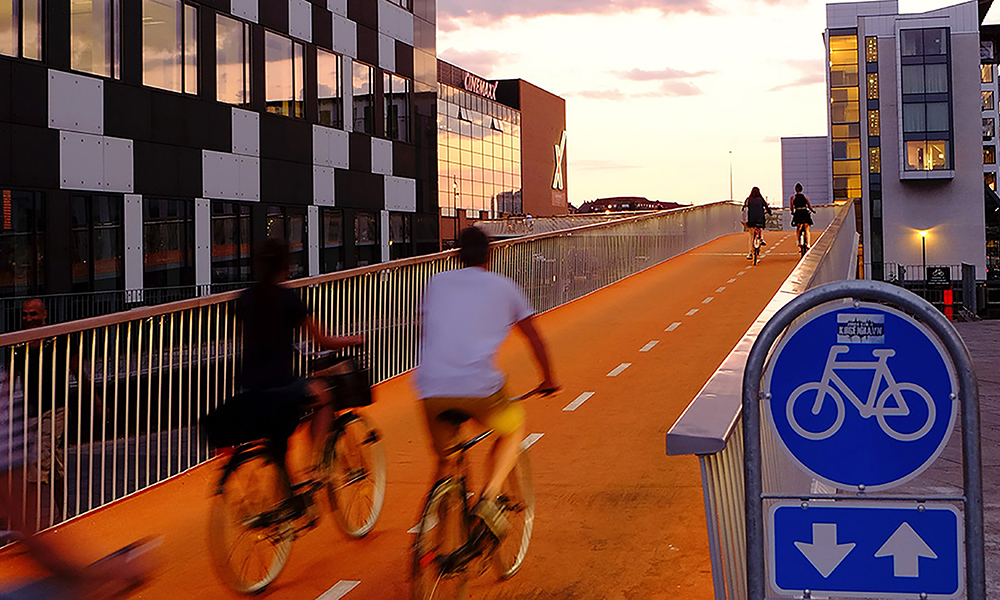
GCC countries, in particular Saudi Arabia, the UAE and Qatar, have invested heavily in their transport networks in the past decade, but there can be no denying that for internal travel all countries are still heavily reliant on petrol-based car ownership and use, as well as road-based freight. Among other reasons, this is due to the rapid growth of cities and communities that have been designed around the car. Land-based public transport networks will play a major role in achieving GCC countries’ Net Zero strategies. Existing metro and tram networks are not yet extensive, however, and new lines are needed that go to more locations if mass transit is to contribute significantly to a decarbonised transport network.

In addition, over the coming decades other technology options such as Hyperloop and maglev can induce much less friction than conventional rail systems and require less power to cover the same distance. The electric power for these systems, if they ever come to fruition, will need to come from clean sources for them to contribute to being a low carbon transport system. Aviation can actively electrify airport ground vehicles and install more solar power for use in terminals, while longer-term research focuses on alternative or cleaner fuels for aircraft, including hydrogen.

In conclusion, achieving Net Zero targets in the GCC is a complex mission that will require ongoing government drive, clear strategies and measurable plans, collaboration between key stakeholders, a willingness to invest in new technologies and an understanding of the various interdependencies across industries within each country. The energy, transport and built environment sectors are interconnected, and Net Zero decisions and policies on one, will have a direct and indirect impact on another. A holistic and joined up perspective is fundamental to transitioning to Net Zero in the most effective way and shaping a more sustainable and global future first approach across the region.

Read more:

The post The race to Net Zero in the GCC appeared first on Middle East Construction News.


Source: ME Construction News

thakher-city_edit-1.jpg

July 7, 2022 foasummit0

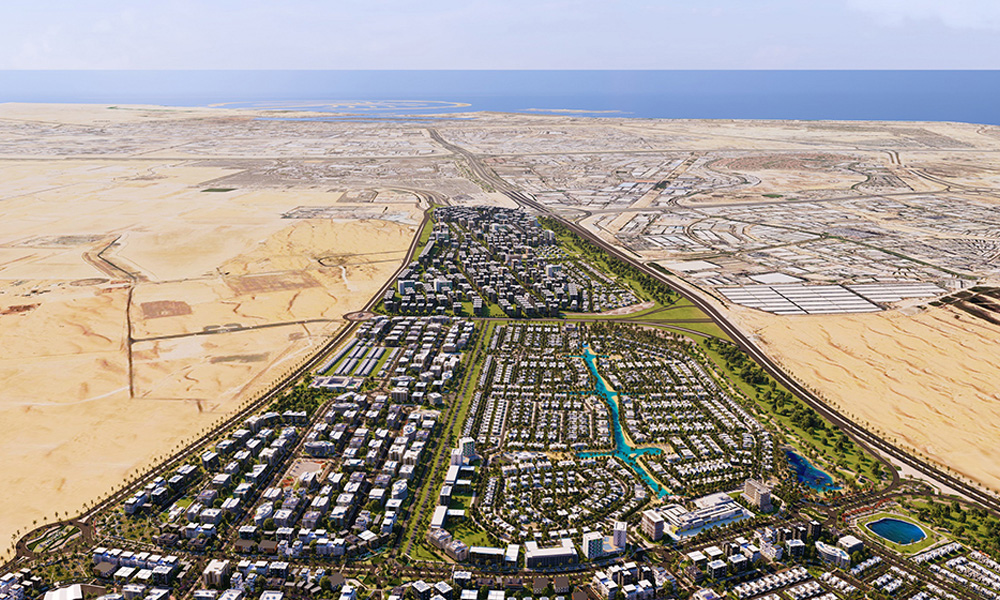
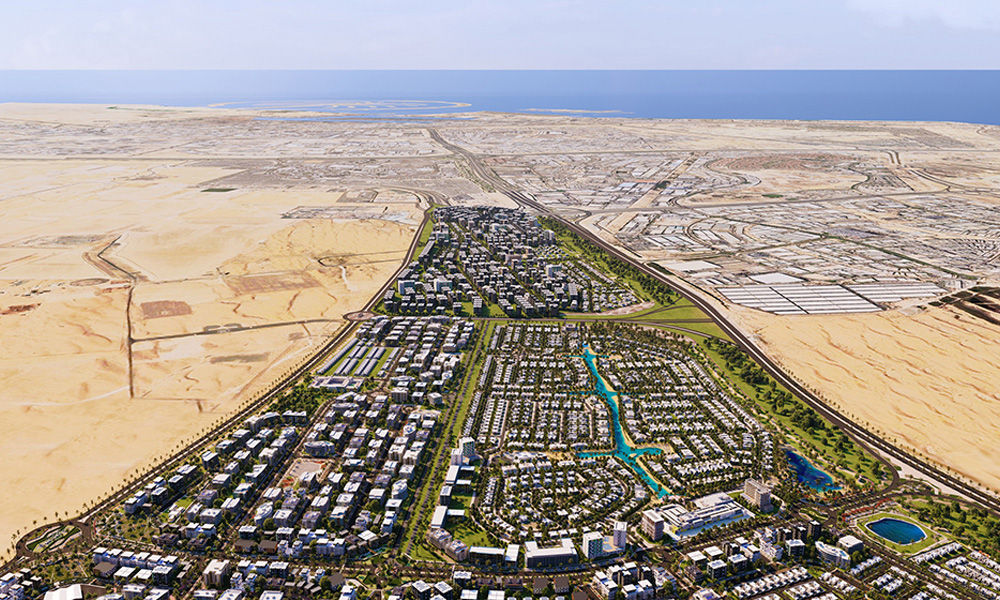
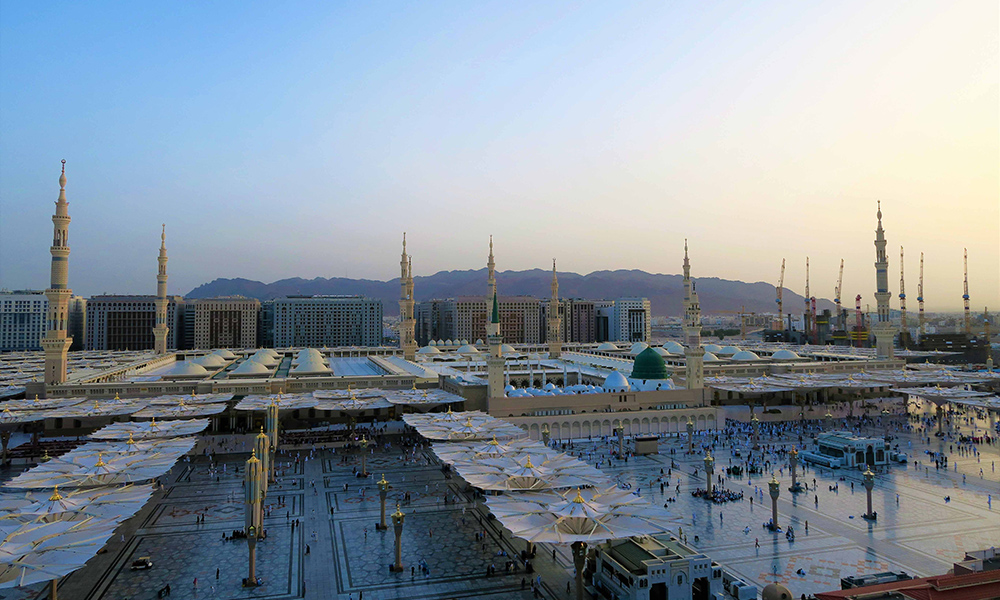
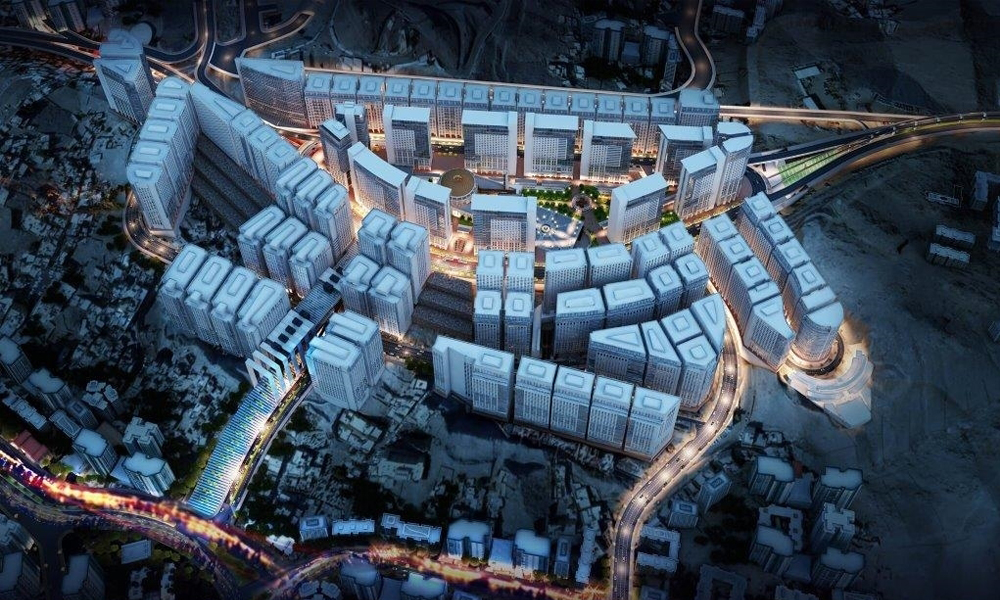
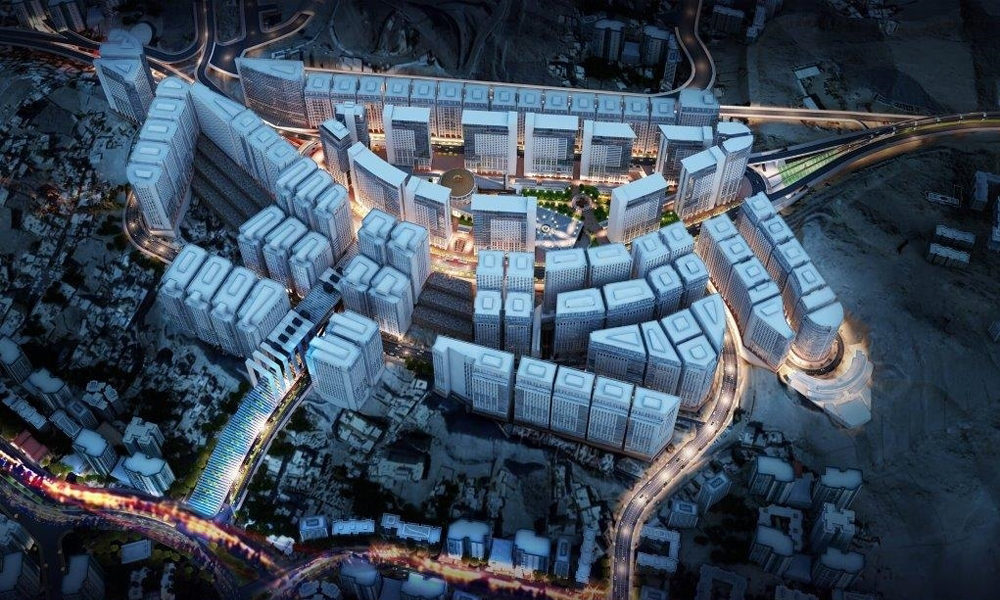
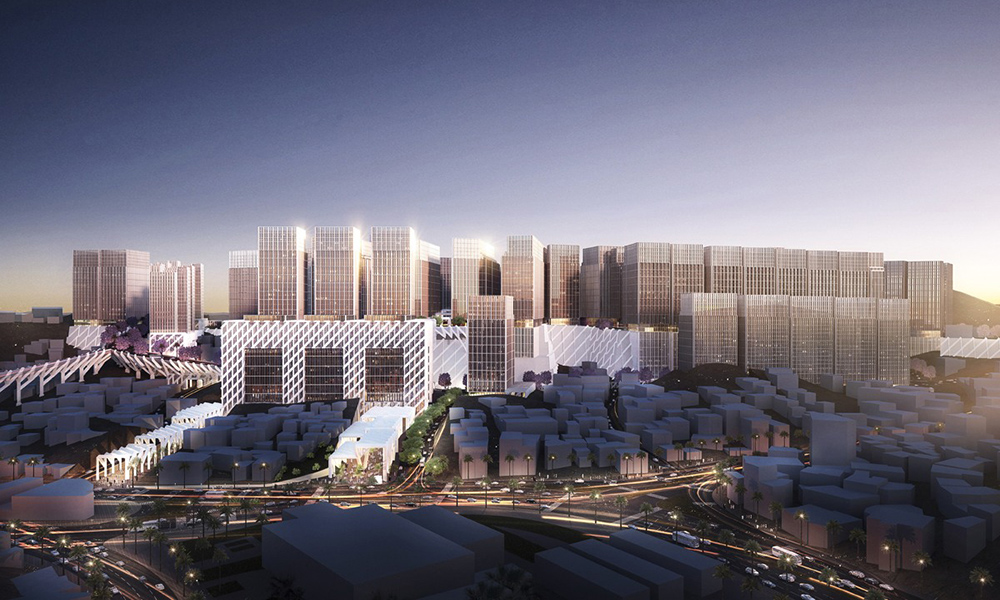
Master developer Thakher Development Company has announced that works on the first phase of its $7bn Thakher Makkah development is almost complete.

The project spans an area of 320,000sqm on a site located one kilometer from the Grand Mosque and is said to be one of the largest projects in Makkah. On full completion it will include about 100 land plots for the development for hotels and residential, commercial, and service-related facilities.

The residential and hotel apartments units will be available in various categories, and will be also available for ownership, said a statement from the developer.

The development is poised to host a number of international hotels including the Radisson Hotel, the Park Inn by Radisson, and the Novotel Hotel, and will boast the world’s largest number of hotel rooms, the developer noted.

“The Thakher Makkah project contributes to the Kingdom of Saudi Arabia’s ambitious Vision 2030, which aims to host 30mn Umrah performers and six million pilgrims by 2030. The project will provide a wonderful experience for visitors and residents, as it is only a few minutes’ walk from the Grand Mosque, and a few kilometers away from the holy sites of Muzdalifah, Mina and Arafat. This ensures a comfortable stay and smooth transfers,” said Engineer Abdulaziz bin Saleh Al-Aboudi, CEO of Thakher Development Company.

A shopping centre within the project will contain 124 international and local brand stores, and offer various options for shoppers, including an entertainment centre for children, cafes and restaurants from different international cuisines. The project, which provides up to 10,000 car parking lots, will contain a mosque that accommodates 5,000 worshippers. The development’s infrastructure will include a road network, tunnels, pavements, landscaping, as well as shopping areas, restaurants, and cafes, the statement added.

Al-Aboudi added, “We are committed to developing the infrastructure and masterplan according to the specified timeline for both, and soon we will be sharing more details and figures about the work progress and the project’s many economic and non-economic advantages.”

Once complete, Thakher Makkah is expected to create 15,000 direct jobs and 18,000 indirect jobs. The second phase is scheduled for delivery in 2024.

In March 2022, Umm Al Qura signed a $798m agreement for the construction of 10 new residential towers at Masar with Makkah City, while later in the month, the Kingdom’s National Housing Company (NHC) launched a new residential project for the beneficiaries of the Sakani programme in Makkah city. In June, Umm Alqura for Development & Construction announced a 71,000sqm mall in western Makkah.

The post First phase of $7bn Thakher Makkah project nearly complete appeared first on Middle East Construction News.


Source: ME Construction News

SirajPower_CleanCo_1000x600-1.jpg

July 7, 2022 foasummit0

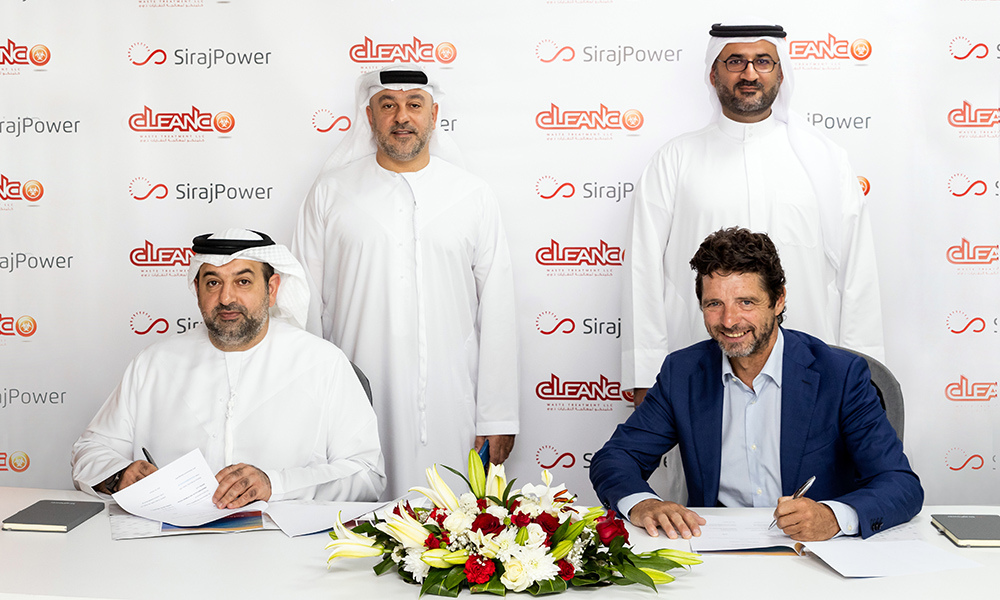
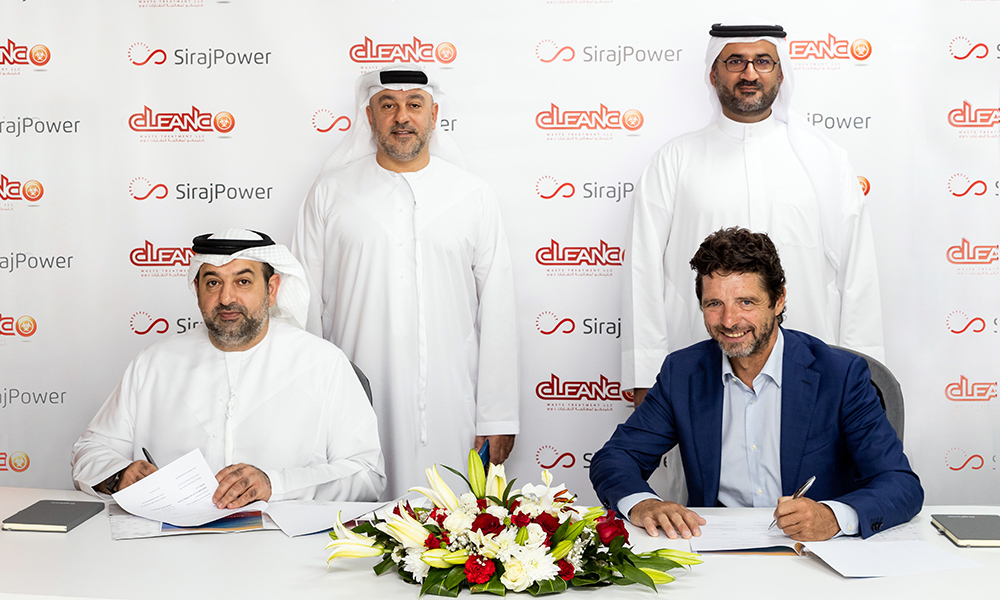
Distributed solar energy provider SirajPower has inked an agreement that will see it develop a unique, fully financed 2 MVA solar-diesel-battery for Cleanco Waste Treatment (CWT) in Abu Dhabi.

According to a statement, the solution will provide reliable power to Cleanco via a hybrid system consisting of solar PV technology, a diesel generator and a battery. As a result, CWT’s currently diesel-powered waste treatment plant will be able to reduce its fuel consumption, operational expenditures, and carbon footprint to ultimately benefit the UAE’s sustainable vision with no upfront investment.

The signing ceremony took place at SirajPower’s office in Dubai Investment Park in the presence of Dr. Khalid Khouri, CEO of Cleanco and Sultan Khouri, CEO of Cleanco, Mohammed Abdulghaffar Hussain, Chairman of SirajPower, and Laurent Longuet, CEO of SirajPower.

“Today’s announcement of this distinctive hybrid solution that combines solar, diesel, and batteries is a demonstration of Siraj Power’s commitment to develop and offer a unique, clean energy solution to suit the commercial, industrial and residential needs across the GCC.  SirajPower is one of the few companies operating in the GCC offering and implementing comprehensive hybrid solar energy solutions to the clients, and we are delighted to be partnering with Cleanco Waste Treatment to implement a rare, fully financed solar-diesel-battery project,” said Hussain.

He added, “As a dynamic solution, and one that is distinctive across global markets, our hybrid offering will enable Cleanco to maximise its savings, while minimising its diesel consumption. Similarly, SirajPower is dedicated to contributing to the UAE’s sustainable vision, while simultaneously demonstrating our expertise as a global leader in the provision of clean energy solutions.

Dr. Khouri noted, “Since its inception in 1980, Cleanco has been striving to consistently provide our clients with top-tier solutions, state-of-the-art facilities, and operations that align with international best practices. Our newly formed partnership with SirajPower will ensure that these values are upheld for years to come, in an elevated capacity.”

“Safe waste management and disposal is an essential component of ensuring fewer waste materials go to the general waste stream, and more importantly reducing negative impacts on the environment. SirajPower’s involvement will accordingly help us satisfy both our clients’ needs and the UAE’s environmental objectives,” he remarked.

In October 2021, the UAE announced its intention to reach Net Zero emissions 2050; SirajPower’s agreement with Cleanco Waste Treatment will support the city’s green agenda and reduce the fuel consumption at the Al Dhafra Medical and Hazardous Waste Incineration Facility. On a yearly basis, CWT’s revamped hybrid waste treatment plant will produce over 2GWh of electricity and save 685 tons of carbon dioxide (CO2), the statement concluded.

In June 2021, Voltas said it had commissioned its first solar project in Dubai for SirajPower, while in August, SirajPower and Emirates Group inked a deal to develop a 2MWp solar carport at The Sevens Stadium. In April 2022, Fasset entered into strategic cooperation with Creek Capital and SirajPower to accelerate growth of the solar industry in the MENA region.

The post SirajPower inks deal to develop solar-diesel-battery project for Cleanco Waste Treatment appeared first on Middle East Construction News.


Source: ME Construction News

Dubai-Q3_1000X600-1.jpg

July 6, 2022 foasummit0

Dubai’s real estate proposition could benefit following a partnership between the Dubai Land Department and Emirates NBD. In the near future, rental cheque payments will be automated and digitised via the Central Bank of the UAE’s Direct Debit System (UAEDDS), according to the DLD.

According to a statement, the move will support the rental market and is aligned with the Dubai Government’s vision for paperless payment ecosystems, as well as with the Dubai 10X initiative.

“The real estate industry in the UAE is one of the best and most competitive in the world, and as part of our mission to present a regulatory environment in service of tenants and property owners, we have partnered with Emirates NBD in line with our efforts to fully digitalise our services as per the Dubai Paperless Strategy. Such collaborations will help facilitate and streamline the processes involved in the property market by employing progressive machinations on the path towards replacing the legacy systems in place,” said His Excellency Sultan Butti bin Mejren, Director General of DLD.

The collaboration is expected to benefit landlords and property management companies by eliminating the administrative activities required to manage post-dated cheques manually. It will also offer a seamless digital alternative to tenants for making rental payments using their bank account instead of issuing cheques, as per current practice. This will allow renters to also avail of flexible payment plans from their landlords or property management companies, the statement said.

It added that individual investors from overseas looking to purchase property in Dubai can also seamlessly open non-resident savings accounts with Emirates NBD, which will help in facilitating their purchase and managing their property and rent collection conveniently. Overseas investors will be supported by a dedicated relationship management team to help with a smooth account opening journey.

Hesham Abdulla Al Qassim, Vice Chairman and Managing Director of Emirates NBD remarked, “Emirates NBD is delighted to partner with Dubai Land Department on these strategic initiatives that will help in providing landlords and tenants with an easier, automated rent collection and management system as well as facilitate property purchases by new non-resident investors. As a leading bank in the UAE, Emirates NBD remains committed to supporting initiatives that will support the UAE’s long-term and strategic goals and in further strengthening Dubai’s standing as the investment destination of choice for international property investors.”

Speaking to Middle East Construction News (MECN) about how this move will impact Dubai residents, Lewis Allsopp, CEO of Allsopp & Allsopp noted, “A move in the digital direction for payment of rent in Dubai is celebrated news. The real estate market in the city is maturing and growing from strength to strength. It is only expected that the systems surrounding it are advancing rapidly to keep up.”

He added, “Tenants will no longer have to provide forward-dated cheques in order to rent a property in Dubai. This could mean that renting a property when expats first move to the emirate could happen faster as waiting for a chequebook is no longer required and could, in turn, lessen the length of stay in a short-term rental property.”

He concluded, “This advancement in payment options for rental contracts in Dubai will add confidence in the market. It could also make the cost of living here more manageable by offering monthly payments rather than the upfront payments that we are used to. This will open tenants’ options on rental properties significantly.”

It is as yet unclear whether this system will also apply to renters banking with other financial institutions. MECN has reached out to clarify and will update this story accordingly.

In June 2022, Allsopp & Allsopp said that Dubai real estate sales volume and values in May 2022 were the second highest on record. In the same month, Commercial Real Estate Consultants (CRC) said it saw a significant spike in demand for Grade A office stock in Dubai in May, while Real estate brokerage Union Square House (USH) stated that a quarter of homebuyers in Dubai are on the hunt for living spaces that provide mental health benefits.


The post DLD and Emirates NBD ink deal to replace rent cheques with online payments appeared first on Middle East Construction News.


Source: ME Construction News

South-Bay_1000x600-1.jpg

July 6, 2022 foasummit0

Dubai South Properties has launched South Bay, a new master development at the heart of The Residential District at Dubai South. The developer said the project will be home to more than 800 villas and townhouses, as well as more than 200 waterfront mansions.

The development will also feature a one km-long crystal lagoon, with more than three km of waterfront promenade, as well as multiple beaches for swimming, according to a statement from the developer.

“The launch of South Bay comes in light of our successful sell-out of all the residential projects we had launched over the past few years. With the Expo site now transforming into Expo City Dubai by October and based on the huge demand for premium properties in the area, this project will be an ideal option for those seeking quality living with world-class amenities at competitive prices. At Dubai South, we are always aligned with the government’s mission of making Dubai the best place to live, work and visit,” said a spokesperson from Dubai South Properties.

In April 2022, Dubai South announced a deal that would see it develop a premium golf community project.

The townhouses and villas at South Bay will be spread across a built-up area ranging from approximately 2,900 to 4,800sqft in a mix of three-, four-, and five-bedroom townhouses and semi-detached villas, whereas the mansions, which will all be on the waterfront, will feature five-, six-, and seven-bedroom standalone villas with a maximum built-up area of around 13,000sqft.

The project is located on EXPO Road and is expected to host numerous amenities including a community shopping mall, a fitness complex, kids’ clubs, swimming pools, a water sports club, waterfront cafés, a pet park, and a lake park.

Other amenities in The Residential District include a school in the near future, public parks, sports courts, retail shops, a hypermarket (opening in October), a mosque, a petrol station, and a public bus route connecting The Residential District to the EXPO Metro station.

In June, Al-Futtaim Group Real Estate launched Al Badia Terraces and, in the same month, Big Project Middle East joined Diamond Developers to discuss progress at Sharjah Sustainable City.

The post Dubai South Properties launches South Bay appeared first on Middle East Construction News.


Source: ME Construction News

Varun-Malhotra_1000x600-1.jpg

July 6, 2022 foasummit0

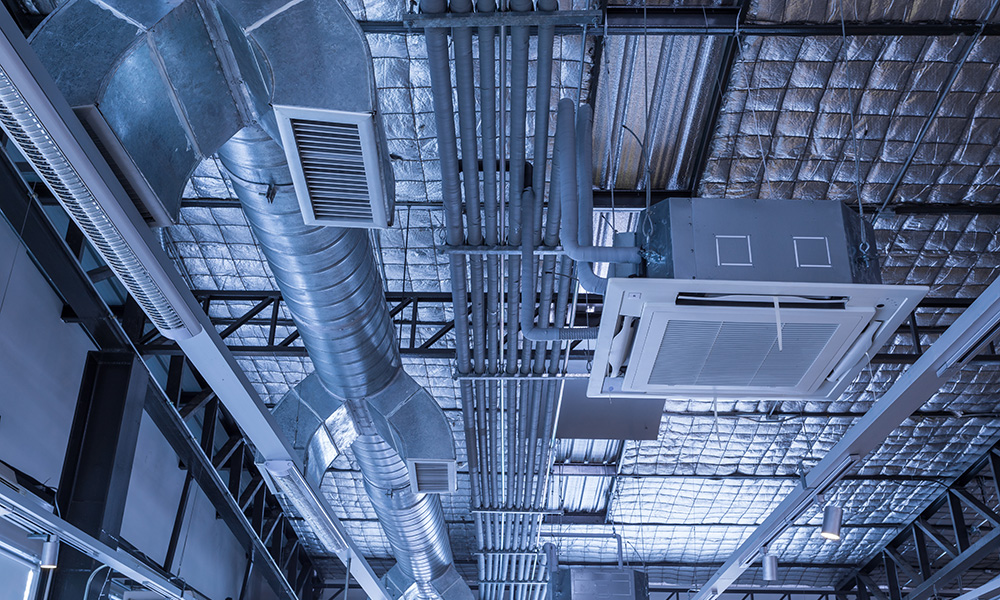
As the world is accelerating the transition to Net Zero, sustainability has also been the driving force in the Heating, Ventilation and Air Conditioning (HVAC) industry. Despite its challenges, sustainable HVAC has finally grown within reach thanks to energy efficient and low emission technology.

Countries in the MENA region are very vulnerable to the impact of climate change, as they are naturally affected by harsh climate conditions and extremely high temperatures. The International Monetary Fund and World Health Organisation have both identified MENA as one of the most impacted regions, with acute risks to public health from heat effects. For most buildings HVAC, therefore, is no longer an optional luxury, but a must have, and climate change effects are already boosting the market’s growth year-on-year in the Middle East.

In response to the twin dilemma of the growing need for cooling and the imperative to reduce energy-related carbon emissions, the HVAC industry has aligned itself with the global decarbonisation trajectory.

The potential benefits are substantial. The International Energy Agency, for example, has estimated that climate-friendly, energy-efficient cooling technology could reduce global greenhouse gas emissions by up to 460bn tonnes over the next four decades. Doubling the energy efficiency of equipment by 2050 would also enable the world to meet the growing demand for cooling, while avoiding the need to generate an additional 1,300GW of electricity and save on the costs associated with generation and distribution.

Coinciding with this, government agencies are setting stricter energy performance standards and making sustainable HVAC compulsory. This includes the developing nations where regulations accompanying the acceleration of cooling equipment uptake are also encompassing a transition in technology to reduce, if not eliminate, the use of fossil fuels to reduce their carbon footprint.

The industry is also slowly shifting the perception that new, energy-efficient technologies are expensive and out of reach, and consumers are now catching on to the benefits of sustainable HVAC. The value proposition of increasing comfort while making significant saving on energy bills and maintenance costs is very clear, and advances in equipment coming onto the market are breaking through the performance ceiling in relation to affordable cooling capability at a reasonable energy cost.

Below are some of the most promising sustainable HVAC trends: 

Adopting Green Energy 

Conventionally, HVAC accounts for more than a third of a building’s operational carbon footprint. Leading players are introducing products that rely on alternate sources of energy including renewable energy to help in reducing dependence on traditional fossil fuel-reliant energy resources. With the use of green energy sources, consumers can reduce energy consumption by 25% to 50% and decrease greenhouse emissions.

Increased Automation and Energy Monitoring

The rise of automation is shaping all industries, from marketing and IT to HVAC. Programmable thermostats, for example, enable users to automate temperature monitoring. More advanced HVAC systems can be used along with smart home controllers and building management systems, even detecting and fixing technical issues without human intervention. This technology allows users to operate their heating and cooling units remotely.

For example remote operation enables the use of pre-cooling for an hour before returning home from work, so that instead of coming home and turning it on at highest level to quickly cool down a hot room/home, it can be set to a more energy-efficient level. Energy analysis software programs are also emerging, enabling users to identify energy solutions and reduce utility costs by helping identify and prevent energy wastage, and also to optimise equipment operation times to coincide with peak supply from any onsite renewables.

Stricter Efficiency Standards

This is another piece of great news for both consumer utility bills and the planet. The minimum efficiency ratings for HVAC systems are now changing and are expected to increase over the coming years. Globally, manufacturers are conducting a significant amount of research to develop products that help building operators and owners meet the energy efficiency criteria, reducing their carbon emissions and energy consumption.

As the Middle East and Africa’s HVAC market is projected to generate a revenue of $10.1 billion by 2024, the adoption of sustainable HVAC systems is a welcome trend that is being observed across the region.

Read more:

The post Building a greener HVAC industry appeared first on Middle East Construction News.


Source: ME Construction News

Riad-Bsaibes_President-and-CEO-of-AMANA-Investments_1000x600-1.jpg

July 6, 2022 foasummit0

Regional design-build construction services provider Group AMANA has announced a new brand identity that it said to better reflects its capabilities. Organised into three verticals: Construct, Manufacture and Enhance, the transformation now reflects the group’s offerings for an evolving business landscape and the drive towards building cleaner, greener and smarter.

A statement from the group said that the new brand identity is focused around a circle, which reflects strength and harmony, and speaks to its promise of delivering certainty. The new tagline, ‘We Build with You’ is said to epitomise its strengths in collaboration and intelligence.

Riad Bsaibes, President and CEO of Amana Investments, said: “Group AMANA has built a formidable reputation over three decades of operations in the region, with our commitment to sustainability, innovation, and digitalisation. While our name remains the same, our evolution reflects our re-aligned business strategies for the future and our collaborative approach in realising successful projects. AMANA is poised to seize the opportunities of the future, and to partner the GCC region in its economic growth.”

AMANA Construct includes AMANA Contracting and AMANA Aviation Fuelling and is said to build on a 30-year legacy of industrial construction. Since its founding in 1993, AMANA has constructed more than 1,500 buildings in the region, for clientele including AD Ports Company, Abu Dhabi National Oil Company (ADNOC), Almarai, Amazon, Coca Cola, DHL, Emirates Airlines, Jebel Ali Free Zone, KIZAD, Landmark Group, Majid Al Futtaim Properties, Mars, Nestle, Noon and Unilever.

AMANA Manufacture will leverage the transformational potential of manufacturing construction through AMANA companies, DuBox and DuPod. Together they have delivered over 130,000sqm of built-up area (BUA) in modular construction for clients including Adnoc, Emaar, The Red Sea Development Company, Qiddiya Investment Company, and Wasl Properties among others. At the 2021 Big Project Middle East Awards, the DuPod Smart Pod won in the ‘Product Innovation of the Year’ category.

Over the past two years, DuBox has bagged several contracts for high-profile clients in KSA, such as the Qiddiya Investment Company and The Red Sea Development Company (TRSDC), shifting 85% of construction from sites to the factory.

“DuBox is a specialist in next generation offsite volumetric modular construction, which offers a safer building environment, potentially reducing material waste by up to 30% and improving work safety by up to 70%. These numbers are proven, not projected. The final products are easily relocatable, further enabling the client to shift and relocate in sync with market demands. DuBox is supporting the Kingdom’s national agendas of sustainability, nurturing Saudi talent and supporting economic diversification,” the statement added.

AMANA Enhance is said to support the region’s sustainability agenda and is helping businesses achieve their green ambitions with its brands AMANA Solar and AMANA Energy-Saving. The UAE has set a 2050 target to achieve Net Zero emissions, followed by Saudi Arabia and Bahrain in 2060. These sustainability ambitions are well aligned with national initiatives across the GCC that are driving the renewables agenda, such as the UAE Green Agenda 2015-2030 and Vision 2021 and Saudi Arabia’s Vision 2030.

The company said it has helped clients produce more than 80,000,000kWh of clean solar energy, enough to power 3,239 homes for one year, saving nearly US $5mn on energy costs and preserving 200,000 trees since 2018. It added that with almost 500,000sqm of industrial buildings and associated rooftops constructed yearly, it is considered to be a pioneer in building rooftop solar power plants.

“AMANA was one of the first contractors approved by DEWA (Dubai Electricity and Water Authority) to provide installation and maintenance services for solar energy systems in early 2015. This classification coupled with AMANA personnel certified by DEWA as a ‘solar PV expert’ makes AMANA the go-to contractor of choice for designing, installing, and maintaining roof-mounted solar power plants,” the statement continued.

“With over 8,000 employees in 11 cities across seven countries, AMANA continues to evolve, from a traditional construction company into a modern, diversified change engine that can unlock innovation and collective success,” it concluded.

In January 2022, the firm said digitalisation, diversity and modularisation are among the top five trends shaping construction this year, and in April, it announced the completion of the solar PV powered Al Futtaim Auto Park in Al Ain.

The post Group AMANA announces new brand identity appeared first on Middle East Construction News.


Source: ME Construction News

The-Wave-2-Schools-Project_1000x600-1.jpg

July 6, 2022 foasummit0

SNC-Lavalin has won a facilities management (FM) services contract by the Wave 2 Schools project of the Ministry of Education (MoE) in Saudi Arabia. Wave 2 is a public-private partnership (PPP) scheme that aims to finance, design, build, and facility manage 60 public schools in Medina, western Saudi Arabia, for a duration of 20 years.

According to a statement, the project is being jointly procured with Tatweer Buildings Company (TBC), as part of a consortium that includes Vision Invest, Al Omran Group, and SNC-Lavalin.

The scope of work includes integrated facilities management services, grounds maintenance, and lifecycle management. In addition, SNC-Lavalin will provide management services and develop processes supported by a Computer-Aided Facilities Management system (CAFM) and a virtual FM helpdesk mobile application that will be easily accessed in real-time by the school administration team to enable timely and effective reactive maintenance, the firm noted.

“We are proud to be part of this significant PPP project that aims to support Saudi Vision 2030 by expanding educational services in various regions across the Kingdom. The repeated wins of TBC’s Wave 1 and 2 Schools Projects are testament to our successful track record as a leading FM services provider and trusted partner to maintain these facilities according to the highest technology, quality, and safety standards,” said Mohamed Youssef, Senior Vice-President, Middle East & North Africa, Projects and O&M, Engineering Services, SNC-Lavalin.

The Wave 2 Schools Project is expected to benefit more than 50,000 students. In 2020, SNC-Lavalin was also awarded FM services contract by the Wave 1 Schools Project of MoE that covers 60 public schools in the cities of Jeddah and Makkah in KSA, the statement said.

As part of Saudi Vision 2030 goals, MoE and TBC are said to be partnering with the private sector to provide high-quality infrastructure for all public schools and an attractive learning environment that will ultimately replace the current facilities. As part of this initiative, MoE and TBC are procuring schools in the Kingdom of Saudi Arabia by using a PPP Model under different waves.

With extensive experience in infrastructure projects engineering services, SNC-Lavalin works closely with clients across the Middle East to help them implement advanced facilities management solutions designed to deliver a responsive, consistent operations and maintenance structure and ensure all systems are running to their best potential.

In April 2022, ADNOC awarded a four-year contract to SNC-Lavalin for an offshore power project, while in May, it won a four-year contract for a $1.8bn Saudi-Egypt power project. In June, the firm launched its ‘Engineering Net Zero in the GCC’ report to help the region achieve its Net Zero carbon targets.

The post FM services contract for PPP schools project in KSA awarded to SNC-Lavalin appeared first on Middle East Construction News.


Source: ME Construction News

Dar-Al-Arkan-Bosnia_2_1000x600-1.jpg

July 6, 2022 foasummit0

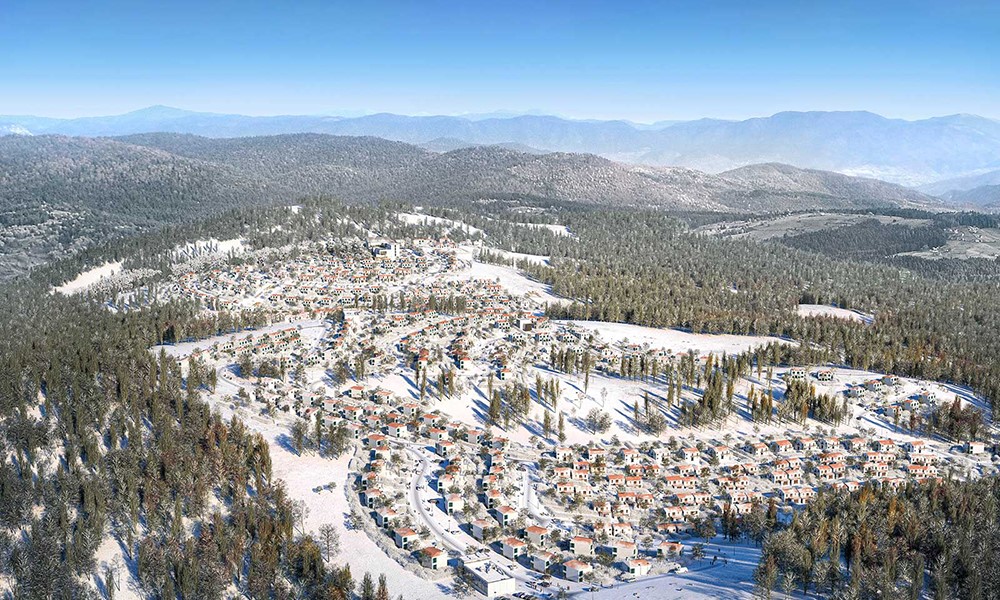
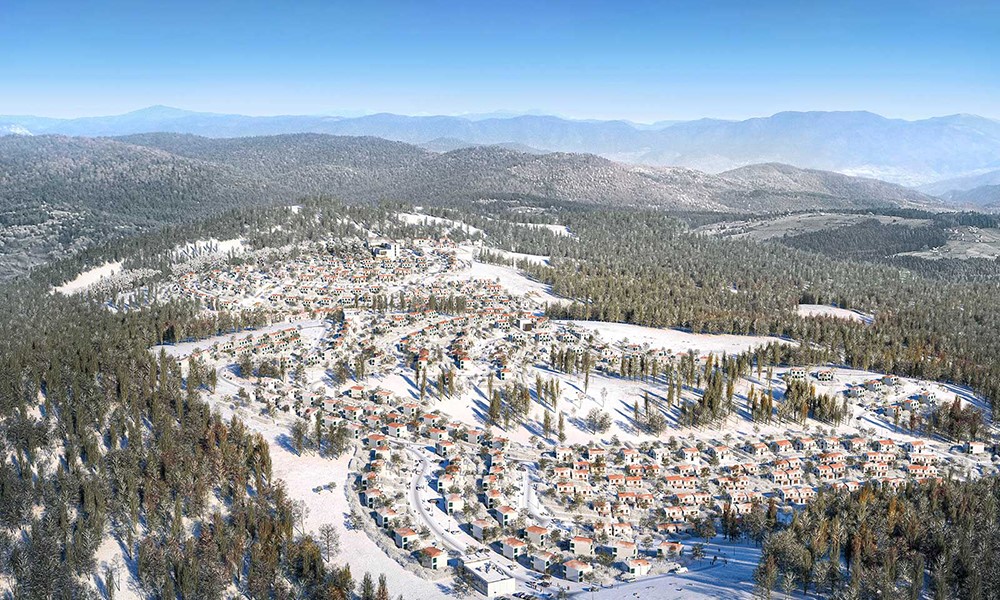
Saudi developer Dar Al Arkan has said it has started work on its first European luxury residential project, Sidra, which is billed as an exclusive vacation and housing project in Bosnia.

Covering an area of 500,000sqm, the project is said to be the largest single real estate project in the Balkan nation. With an estimated value of $133mn, the development is a gated community of high specification villas and residential plots designed for modern living. Surrounded by 20,000 trees, the development is in an area that has been classified as one of the healthiest and cleanest in the Balkans, Dar Al Arkan added.

Dar Al Arkan Properties Vice Chairman Ziad El Chaar said: “We are very adamant about moving forward and remaining on track with our development plans for Sidra. We’re also very fortunate to have gained the trust of the Ministry of Public Works to deliver the project based on the highest of standards in collaboration with skilled local partners. As a Saudi company, Dar Al Arkan is eager to create deeper ties to the real-estate and construction sectors and support local and international investment opportunities as drivers of economic growth in Bosnia.”

El Chaar added that Bosnia’s unique Western and Eastern influences give the country a competitive edge. “It’s in a prime position to continue to grow economically, especially with the continued reforms that are increasingly facilitating foreign investment across many sectors,” he stated.

In addition to a variety of residential options, Sidra will feature amenities such as restaurants and cafes, shops and supermarkets, a community mosque, a clubhouse, and a five-star hotel. It is also strategically located to a wide range of attractions including natural caves, rivers, and natural reserves and parks.

Dar Al Arkan recently awarded Cestotehnik d.o.o Tuzla in Bosnia the contract for the execution of full infrastructure and roads works for the whole master plan. The work is expected to be completed in 18 months and will pave the way for the next stages of the real-estate project.

In March 2022, Dar Al Arkan and Omran unveiled a $1.5bn mixed use project in Muscat, while in April, the developer said it completed topping out the $218mn Urban Oasis residential project in Dubai. In June, the developer said it started construction works on the $272mn W Residences Dubai project.

The post Dar Al Arkan begins work on its first European luxury residential project appeared first on Middle East Construction News.


Source: ME Construction News