MAX_1439_1000X600-1.jpg

May 16, 2022 foasummit0

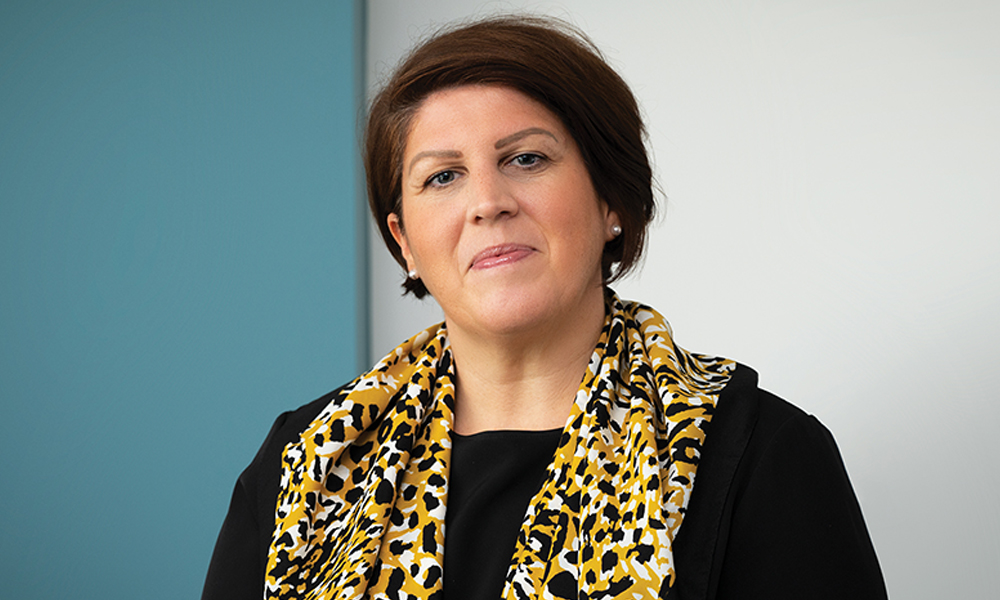
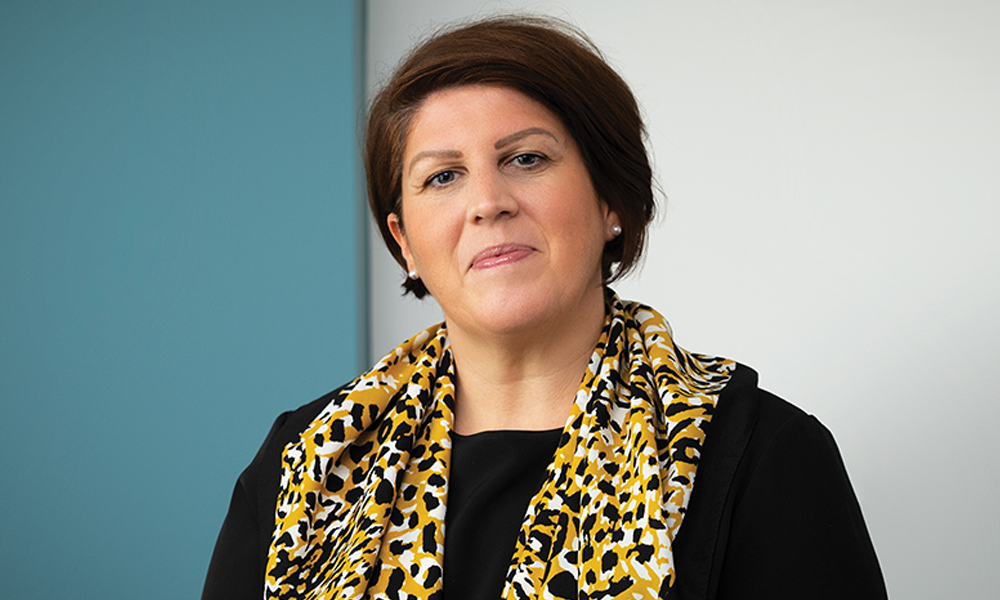
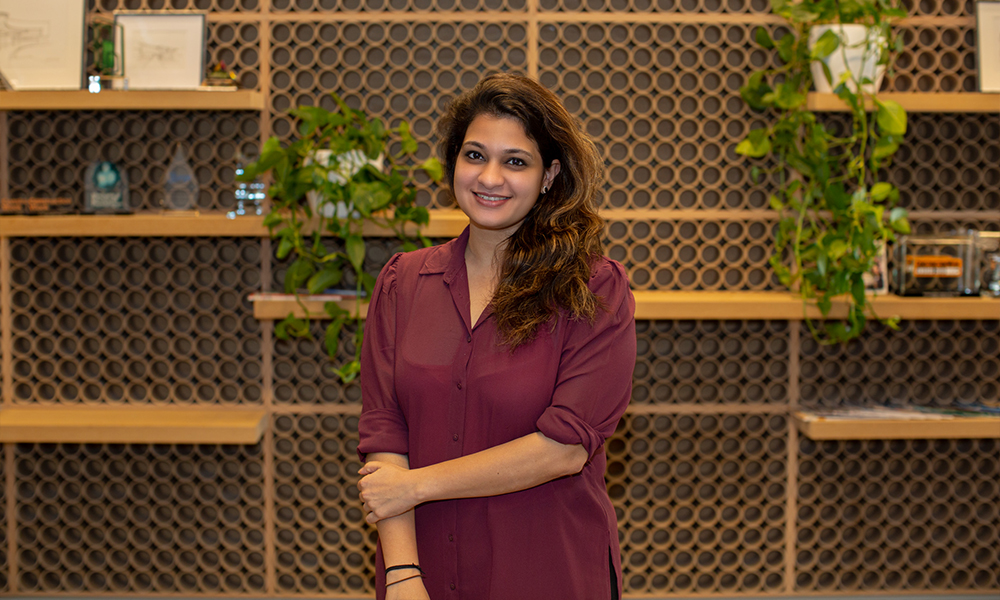
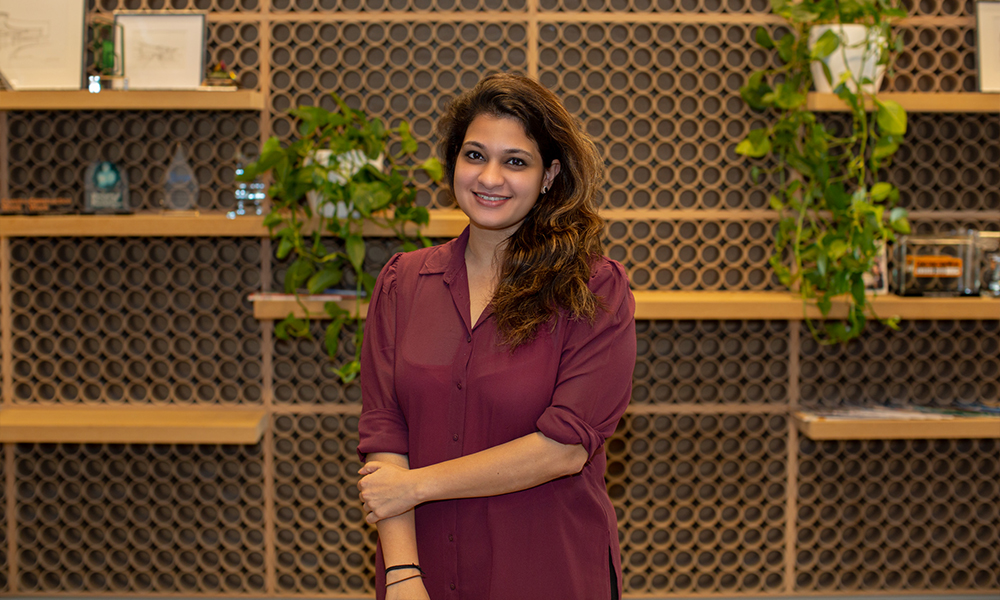
Following our special edition dedicated to women in the construction industry, Middle East Consultant continues to share the inspiration and experiences of women working in the male-dominated industry across the GCC. Here, we catch up with Fiona Liddell, head of Risk Management at Serco Middle East.

What drove you to get into construction and your very first role in the industry?

I first came across Atkins Design and Engineering Consultancy in Leeds which had a head office based 10 minutes from where I lived. I was job hunting after working in the Civil Service for a few years and looking for something a bit more interesting and a recruiter called me up and asked me if I was interested in a role with Atkins. A whole new world opened up for me from that day on.

Share a brief about your career, mentioning key achievements with regards to your role.

Most of my career to date I spent with Atkins between Leeds and the UAE with some absolutely incredible opportunities and highlights along the way, and then recently the last two years of my career with Serco which for me feels like home.

September 2012 was the biggest game changer for me when I was offered a role in the Atkins Dubai office, working in the Strategic Bid Team originally as a personal assistant to the director, which led to me being involved in major bids during an exciting time where large complex metro design and engineering projects were up for grabs. To be involved in successfully securing those awards for Riyadh and Doha Metro is something I’m extremely proud of.

August 2015 my daughter Erin was born and my return to work six months later brought with it a new drive and number of highlights. New opportunities opened up as a regional QSSE manager which I successfully positioned myself for and secured, and a change in the maternity policy increasing the number of paid days off from 45 days to 14 weeks positively impacted new mothers.

March 2020 saw me joining Serco, which brings me to the current day…and wow, what a journey it has been so far. I joined Serco as the pandemic hit and went home to work two weeks later. Meeting all my colleagues virtually and getting to know Serco from my own front room learning about systems, processes, services and the entire Serco wider business during a tough time kept me occupied.

Originally joining as a safety manager and promoted within a short two years to head of Risk with so many opportunities along the way and lots more to be had. I have no doubt this is where I will be aiming to make a difference for many years ahead.

Besides fairness and being the right thing to do, diversity in the construction industry is important because of the value women can bring to employers, clients and customers. How have you made your mark in the industry working on projects?

I have a two personal and two project related proud moments:

1. Successfully mobilising a large complex team to deliver Doha Metro Design and Engineering project with hundreds of employees relocating into Qatar from UK, Hong Kong and the UAE
2. Successfully securing the award of the HSE Framework for Serco with NEOM
3. Supporting and encouraging a colleague to apply and successfully achieve an International Quality Award, believing in herself
4. Positive influencing and successfully increasing paid maternity leave from 45 days to 14 weeks at Atkins

What are some of the barriers to women entering the construction industry? What was your personal experience?

I think it’s the way ‘it looks’ from the outside and the fact it feels very male dominated. But, things move fast…be the one to lead the way and believe you will be the first of many. Experience being the only female in the room or onsite and attract attention to yourself – this is a positive thing and you should be the change. One thing I very actively do is share CVs of females within my network that reach out to me directly and support that CV getting to the right person whether it’s in my own organisation or through my networks.

The GCC construction sector is still male dominated, however diversity is beginning to increase. If you agree with this statement, comment on what is driving this and how you see the GCC markets changing in the coming years? If you do not agree with the earlier statement, please share your thoughts/views of the market.

The sector is making positive progress but there is always more to be done. I look around in Serco and see a huge number of amazing females around me leading the way and we need to be continuing to be game changers.

It’s important to continue encouraging females into the sector and to keep sharing the amazing CVs and profiles across your networks, within your own organisations and beyond. People are driving this…you and I are the ones making a difference using our platforms, forums, leadership and networks to drive diversity across the sector. It’s important to keep going no matter how big or small a difference we are making.

Everyone has a part to play in diversity and equal pay. What would you like to see government authorities and construction firms do to increase diversity and make pay a level playing field?

Government and clients across the region could simply ask in RFPs ‘Have you conducted an equal pay review across your organisation?’ or ‘Has action been taken to ensure equal pay for males and females?’
Focus on your supply chain, if you feel something is not quite right with equal pay, ensure you check and ask the question to your service providers and include this in contracts ‘Do females and males doing the same role receive the same salary’. It’s important to encourage service providers to do this and follow through to make it happen.

As a woman in the industry, what has your experience been working in the GCC construction sector? If you have worked in markets outside the GCC, how does your experience here compare with what you’ve experienced and observed in other markets?

This is way more exciting!! I am sure you would agree the projects here just get better and better and the vision of the countries’ leaders just become even more incredible. It makes you want to be part of it all. Working across the UK mainly in the energy sector I spent most of my time on nuclear, power and oil and gas projects, so put me in front of a luxury hotel, a grand university or some of the tallest structure in the world and I’m in!

In doing your job, what sort of discrimination (if any) have you faced and how did you/employer address it?

I have honestly never faced discrimination in my career, so I think I have selected wisely the companies I work with. I will say this though, a friend of mine was asked during an interview (by the lady who was interviewing her) ‘You aren’t planning on getting pregnant are you?’. I advised my friend to decline this offer as this is not a good company to work for. But in fact, my friend took the role and she did have a baby but the company were extremely supportive during her pregnancy and beyond, and she has now been promoted and is absolutely excelling in her role.

Sometimes people are not aware they are being discriminative, so give everyone a chance to learn and don’t let one bad question be a total reflection of the organisation. It’s vital to find out more.

Do you feel there’s a limit with regards to how far you can progress within your respective organisation?

Absolutely not. The opportunities are endless here and across the world with Serco with the business growing so fast.

How do you personally push for diversity and equal pay in the construction sector? Are you involved in any groups/councils etc. that focus on increasing diversity and equal pay?

I’m connected with a UAE D&I Network who hold regular meetings and share best practice on what action is happening in their own organisations. The focus is not limited to one topic and does cover equal pay. I personally take action and voice concerns where I see inequality with pay particularly with our service providers working closely with our procurement team.

I also focus on these areas in particular during compliance reviews in line with our Serco Supplier Code of Conduct focusing on pay and recruitment practices, ethics and also compliance with labour law. Serco runs a Contractors Forum with its service providers and focus on key challenges in the organisations.

The post WiC: Serco Middle East’s Fiona Liddell appeared first on Middle East Construction News.


Source: ME Construction News


P_AdraObada-CRTKL_1000X600-1.jpg

May 16, 2022 foasummit0

Over the past few years, homes in the Middle East experienced a dramatic shift in expectations. People spent more time at home for both business and leisure purposes with the residential market adapting to promote fluidity, flexibility and authenticity. Homes are now serving hybrid lifestyles and provide space for productivity and relaxation. Apartments, villas and communities across the region have become some of the most important buildings in urban areas with increased focus on how to stimulate dynamic lifestyles.

Indeed, people quickly realised that a well designed home had a plethora of benefits. When crafted correctly, the home can become an attractive work environment without the stress of the commute. Time saved in the car could be better utilised in personal development, fitness or hobbies completed at home. Now in a post-pandemic world, the brief for the home is changing still as people hold dear to their newly discovered freedom and want to incorporate the best the home can offer into their daily lives.

Moving forward, the residential market and the demands on the home have undoubtedly changed. Throughout the region, people are demanding a more dynamic lifestyle offering that caters to new hybrid working styles and provides greater community and cultural connection. A blueprint is being developed for new buildings that will be more hybridised with changeable systems, structures and modules that can be adapted to suit the evolving needs of the market.

The need now is for productive living environments with the technological infrastructure to support residents. Consequently, a new era is driving hybrid lifestyles and hybrid working cities. Residents are working, exercising, shopping, learning and meeting in more unexpected ways, which are now being dictated by purpose and convenience rather than demand. For example, coffee shops are popping up in offices, ghost kitchens in hotels and healthcare services in apartment building. As these lines continue to blur, a different set of residential amenities are emerging and bringing with them buildings that will play a more active role in the health and wellness of those that inhabit them.

Three new concepts are driving residential development:

The Home of Things

The ‘Home of Things’ (HoT) refers to the physical objects within the home that are embedded with sensors, processing ability, software and other technologies that connect and exchange data with other devices and systems over the Internet or other communications networks. Innovative technology in a fully integrated HoT allows endless opportunities for improved home performance and convenience.

Connected and controlled through a resident’s mobile device, the HoT could support amenities by tracking, measuring and improving personal energy usage and well-being. Biometric data gathered here could then be shared with in-house practitioners or resident nutritionists, counsellors, and other health professionals that could rotate through a new type of hyper-local medical office or telemedicine pods that are built into the offer.

The Branded Residence – Residential meets hospitality meets healthcare

New attitudes about health, wealth, and family are transforming an industry that formerly defined by medical care and home equity. Seniors are delaying entering interdependent living, choosing to age-in-place and increasingly demanding more urban settings and connections to communities and culture. As residents, they want an inner-city lifestyle, impressive amenities, luxury services, superior care, varied culinary options, and resort-like experiences where they can grow and thrive as aging individuals. Spaces that allow their lifestyles, hobbies, and pets to move with them – where they can feel at home, host others, and gain access to improved convenience and care.

To attract the booming elderly population, development is moving in a new direction towards brand residences and a lifestyle product that blends residential operations with a hospitality approach that is based on a professionally managed rental model. These models will focus on holistic health, community integration and mixed-use opportunities, incorporating senior wellness programs across education, exercise (both instructor and technology led), health, nutrition and intergenerational connection.

The Hybridised model or a ‘Universal Building’

There is a need for the new building typology to feature shared uses that come together to form a hub for a community of creatives, who blend living with working and socialising. The Universal Building allowing for flexible development strategies to take shape over time. With the ability to easily shift the program mix, this supports a city’s strategic goals in that it offers innovative housing and workplace options for an evolving and diverse community.

It refers to a framework building with changeable systems, structure, and modules. This uniquely flexible platform can adapt program uses based on changing market needs. From the column grid to carefully considered floor-to-floor heights, the building will easily shift between residential, office and social spaces.

The post The new design brief for homes in the Middle East appeared first on Middle East Construction News.


Source: ME Construction News


KAFD-2-1.jpg

May 16, 2022 foasummit0

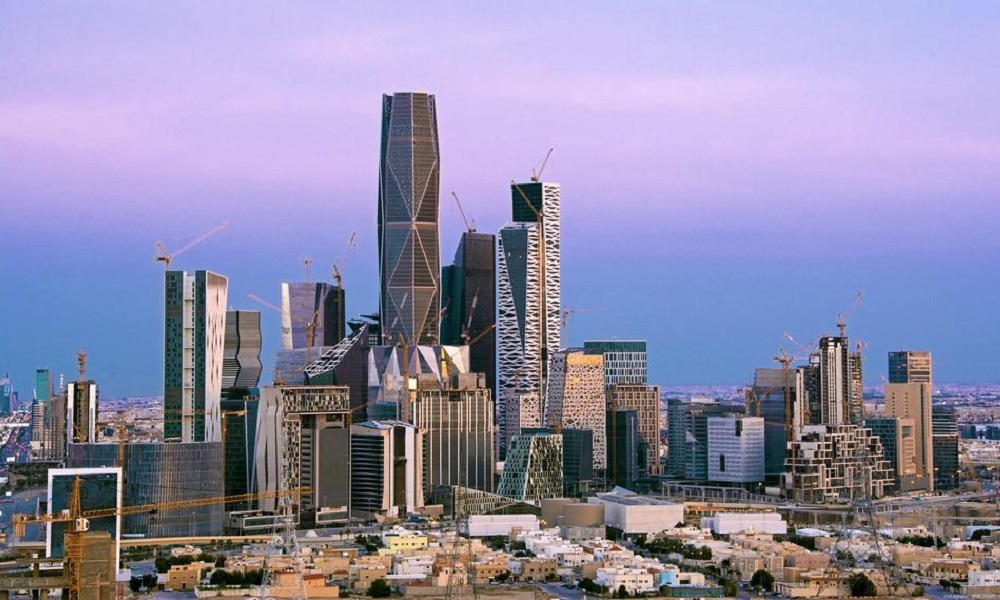
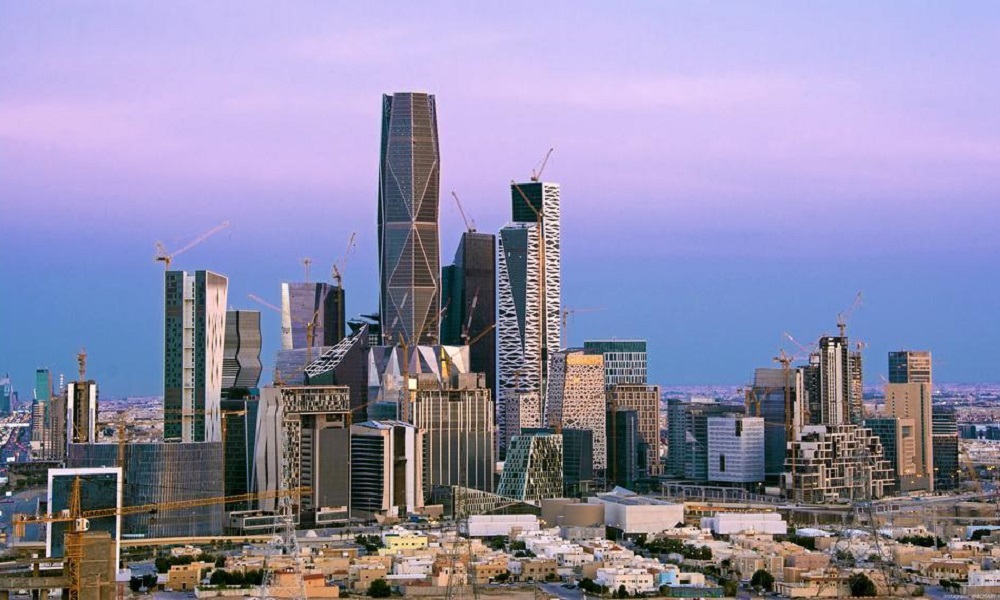
King Abdullah Financial District (KAFD) has announced a strategic partnership with hospitality group MJS Holdings (MJS). As per the terms of the deal, MJS will support KAFD’s culinary offerings through its pipeline of hospitality talent from throughout the region.

An international restaurant operator, MJS focuses on trophy international brands operating in Saudi mainly and other parts of the world, in addition to creating brands to expand internationally. Dining destinations supported by MJS include upscale Italian restaurant Il Baretto and NYC-inspired eatery Black Tap, both scheduled to open in May. Its future launches list includes Zuma, Mr. Chow, Amazonico, AOK and Pahli hill said the statement from KAFD.

“The MJS teams’ experience in creating unique hospitality experiences is unmatched. Their passion for quality and service is central to their success and will help us deliver on our mission to provide memorable, vibrant lifestyle experiences to the region and the world. Together, we are creating dining destinations that visitors will remember and return to again and again,” remarked KAFD CEO Gautam Sashittal.

KAFD, which is owned by the Saudi wealth fund Public Investment Fund (PIF), is a key driver of Riyadh’s economic ambitions. Set on more than three million sqm of land in the heart of Riyadh, KAFD is home to 1.6mn sqm of office space, entertainment venues and luxury residences.

An iconic business and lifestyle destination with state-of-the-art physical and digital infrastructure, KAFD is an epitome of the new Saudi Arabia, remarked Milad S. Nassereddine, CEO of MJS.

He concluded, “It is an honour to partner with an entity of KAFD’s scale and ambition, and we look forward to bringing our experience and connections to the region’s brightest talent to help the prime destination’s vision come to life.”

The post KAFD inks strategic deal with hospitality group to develop F&B offerings appeared first on Middle East Construction News.


Source: ME Construction News


mcdermott-bags-sohar-lng-bunkering-deal-in-oman-1.jpg

May 16, 2022 foasummit0

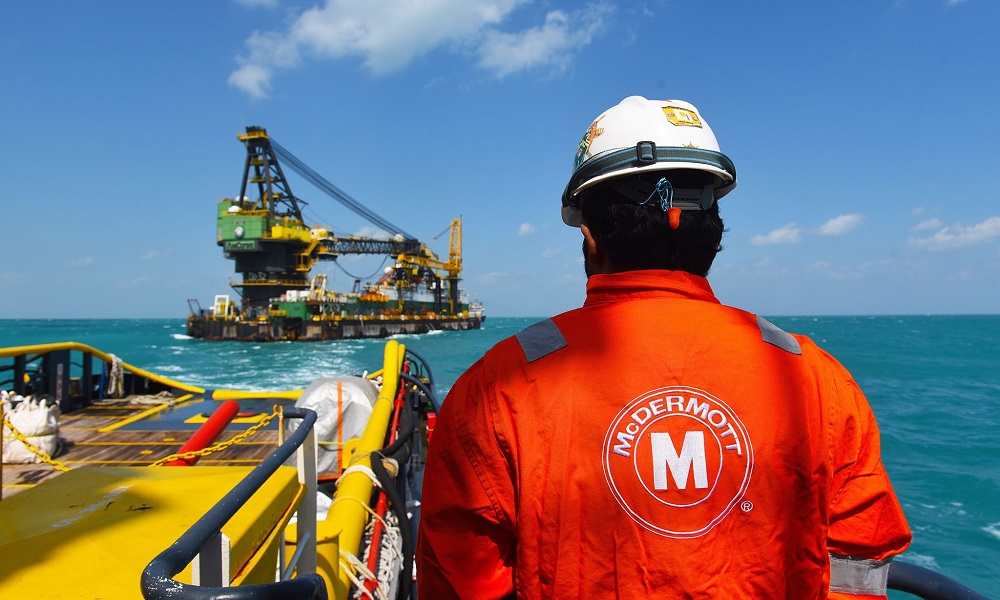
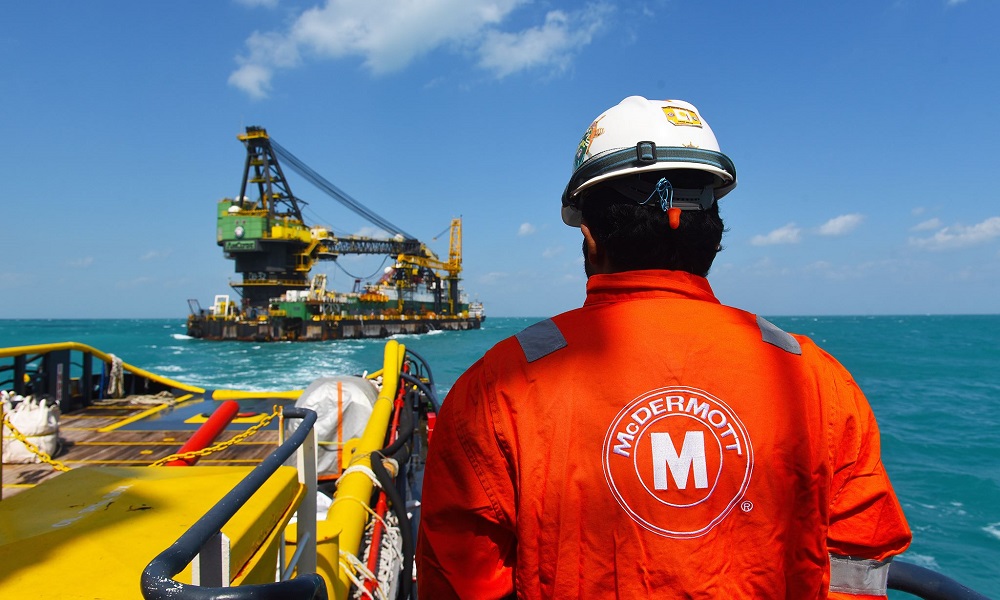
A front-end engineering and design contract (FEED) has been awarded to McDermott International by Abu Dhabi National Oil Company (Adnoc) for a new, carbon-efficient liquefied natural gas (LNG) plant in Fujairah.

McDermott has been named design contractor for the plant, which is currently in design stage and is likely to see awarding to an EPC contract in 2023, the firm said. On completion, the plant is set to become one of the world’s lowest carbon intensity LNG production facilities through incorporating new technologies and running on clean power, it added.

Adnoc expects the Fujairah LNG export terminal to increase its LNG production capacity by 9.6mn tonnes per annum (MTPA), which is in response to the growing global demand for natural gas. The facility will also likely feature LNG storage tanks, an export jetty with an option for bunkering, and other associated facilities.

The Fujairah LNG export terminal will include two trains, each with a 4.8mn tonnes per annum (MTPA) of LNG capacity.

The post McDermott wins FEED contract for low carbon LNG facility in Fujairah appeared first on Middle East Construction News.


Source: ME Construction News


Kader-Mithani-CEO-and-Founder-of-Casamia_1000x600_02-1.jpg

May 13, 2022 foasummit0

Whether building a new house or renovating your home, it’s important to select quality materials which are durable, easy to clean and maintain, can withstand daily wear and tear, and are not only affordable but much more hygienic than natural materials. As it checks all these boxes, porcelain is taking the spotlight when it comes to high-end home interiors in the UAE.

Porcelain is a type of ceramic made from refined clay, which is then baked at high temperatures making it hardwearing. It is a very diverse material which can be made to look like marble, granite, slate, hardwoods, limestone or other natural materials. While many might still lean towards using marble in their kitchen, dining and floors, the benefit of using porcelain far outweighs that of marble. Marble is a more porous material making it easier to absorb stains and bacteria, making it less resistant to wear and tear and it is less hygienic as well.

In the UAE, we have seen marble and natural stone-looking porcelain as the top trends in both residential and commercial designs. These chic surfaces can be styled any way to give an elegant, high-end and clean appearance.

The large-format, full-body, Italian, porcelain slabs with varying thickness, can be installed in various design applications. Unlike other surfaces, these slabs are suitable for contact with food, which means they are hygienic, stain proof, mold proof and easy to clean. Porcelain stoneware is also unaffected by high temperatures, is scratchproof, completely waterproof and also withstands UV rays and all kinds of weather. We have seen a notable year on year increase since the start of the pandemic in porcelain sales. Key customer factors have been: resilience to weather conditions and wear and tear, and affordability compared to marble and enhanced hygiene – a new element to the interior design decision making process.

Some of the key reasons porcelain has become the choice for homes across the UAE include:

Resilience

Porcelain tile’s outstanding qualities of being water and sun damage resistant, makes it an ideal solution for surface coverings for which other materials are not suitable. Historically, it has been the preferred solution for external applications like ventilated facades, swimming pools and patios.

Commercial applications like shopping malls, hospitals, restaurants, and airports also favour the material for its durability. Today, porcelain tiles’ excellent technical performance and aesthetics has enabled the exploring of different applications like countertops, furniture and home accessories.

Porcelain is an extremely hard surface that isn’t prone to the etching, staining and other damage that daily household life can inflict on natural marble, however, it can be manufactured with comparable beauty, thanks to ink jet production technologies. Unlike marble or granite, each porcelain slab is uniform. If you’re opting for a marble look – which is one of the most popular porcelain styles in use for both kitchens and bathrooms right now – you’ll be able to continue a vein across a wide wall or cabinet bank with book matched slabs for a traditional upscale look.

When selecting porcelain for different areas of your house, something to be aware of is its PEI hardness rating—the Porcelain Enamel Institute rating, which indicates how hard the material is. For high traffic areas like kitchen- and living room floors or hotel lobbies it is better to consider porcelain with a PEI of four or five. Four countertops a PEI ranking of three or four is sufficient, and a PEI rating of one or two for walls.

Cost effective

Porcelain tiles are more cost effective than natural products and with the variety of designs available in the market, the buyer pays a fraction of the cost of real stone or wood while still achieving the same design aesthetic requirement.

Hygiene

Viruses rely on moisture to remain alive and active. Because porcelain is inorganic, impervious and water resistant, viruses are not able to survive on a porcelain surface. Awareness of this information, coupled with its versatility and beauty, has made porcelain the top choice for high-end finishes this year. It is now referred to as one of, if not, the top material choice to be incorporated into post-pandemic interior design projects.

Some manufacturers have gone the extra mile when it comes to hygiene, in response to customer demand. Laminam Tiles, for instance, uses bio-active treatments when manufacturing its products which lends to anti-bacterial and pollutant eradication properties. It also has self-cleaning properties in exterior surfaces, encouraging the natural elimination of organic compounds due to the aggression of polluting substances.

In addition, according to the tile industry informational resource WhyTile.com, ceramics are considered to have the lowest carbon footprint of any flooring material, the lowest global warming potential, and the lowest fossil fuel resource depletion.

The post Porcelain: The future of high-end interior design appeared first on Middle East Construction News.


Source: ME Construction News


Tabreed-1.jpg

May 13, 2022 foasummit0

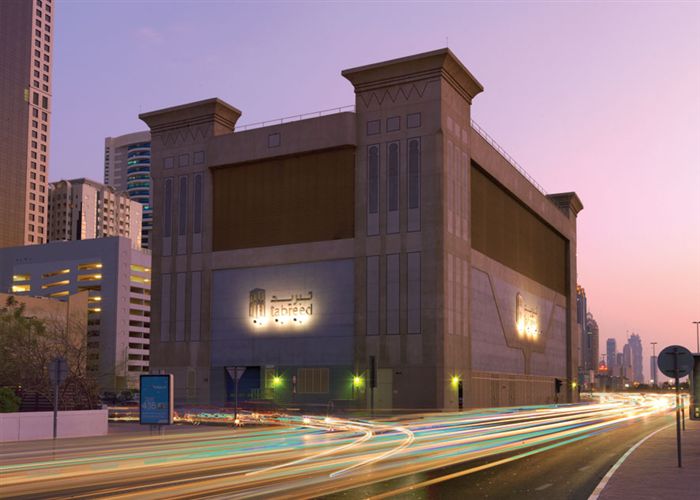
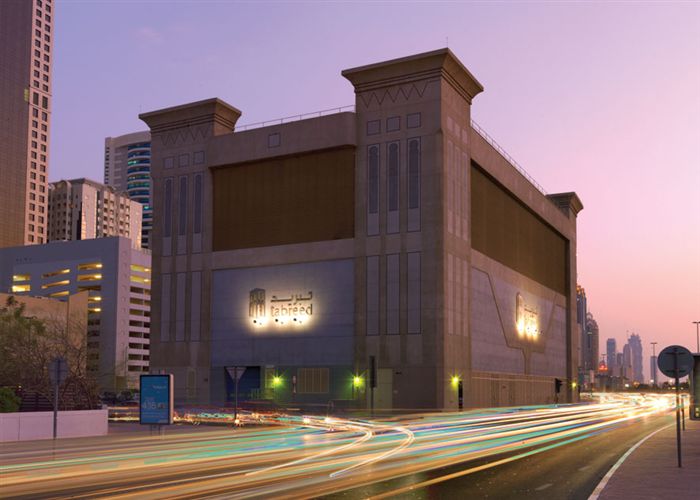
The National Central Cooling Company (Tabreed) has reported a net profit of US $24mn for the first quarter, up 3.1% over the same period last year. The company’s revenue increased by 17% to hit $114.3mn, the firm said.

Announcing its consolidated financial results for the first three months ended March 31, 2022, Tabreed said the revenue for the first three months increased by 17% to $114.2mn, while its core chilled water revenue increased by 20% to $110.4mn. Its ebitda increased by 16% to $71.77mn and profit from operation rose 14% to hit $41.8mn.

Tabreed practically doubled the size of its concession capacity in Oman with the acquisition of the district cooling plant that services Al Mouj, the Sultanate’s most prestigious new real estate development, the statement explained.

The company’s portfolio in Oman now includes seven plants, and Al Mouj is said to represent the company’s biggest project there, which it says is evidence of its desire to drive further investment in that territory. A further nine new connections were added in the UAE and Bahrain during the quarter, increasing Tabreed’s total connected capacity to 1,236,433 Refrigeration Tons (RT), it added.

“This is a truly exceptional UAE company and these first quarter results demonstrate, not only Tabreed’s robustness, but the wisdom of its organic and sustainable approach to growth,” said Chairman Khaled Abdulla Al Qubaisi.

Rounding off the first quarter of 2022 with a clear indication of its environmental goals, in March Tabreed publicly announced a new Green Financing Framework that will benefit its investors, stakeholders, developers and communities alike, by aligning operations with the sustainability and ‘Net Zero’ targets of each country Tabreed is present within, he added.

During February, Tabreed also announced its entry into the Egyptian market, partnering with The Egyptian Company for Energy and Cooling projects (Gascool) and Marakez for Real Estate Investment Company, to provide district cooling services to the new D5M mall in New Katameya, East Cairo, the statement concluded.

The post Tabreed reports net profit of $24mn for Q1, 2022 appeared first on Middle East Construction News.


Source: ME Construction News


Azizi-Berton_1000x600-1.jpg

May 13, 2022 foasummit0

Construction of Berton is 84% complete according to Azizi Developments. The developer said the 245-unit residential project is now on track for delivery in Q3 of this year.

According to a statement from the developer, Berton’s structure and blockwork are 100% complete, while the internal plastering stands at 99%. The developer also noted that elevator works are 96% complete, with the second mechanical, electrical and plumbing (MEP) phase now having reached 51%, and façade works and tiling being at 85% and 90%, respectively. Overall finishes are now 64.9% complete.

“With an extraordinary contractor and a number of other hardworking parties that have joined forces to build these world-class residences within a set timeframe and at outstanding quality standards, Berton reflects our vision of urbanism, with the unique way of life that it embodies. We are excited to complete this world-class development later this year, profoundly enriching the lives of those that will inhabit it. Berton truly is an ideal, well-connected getaway from the hustle and bustle of the city – one that promotes suitability, comfort, and well-being,” said CEO Farhad Azizi.

The developer had previously said the project would be handed over in Q4 of 2021. The project features 190 studio units, 41 one-bedroom and 14 two-bedroom apartments, as well as 16 penthouses, and is said to blend masterful craftsmanship and interior artistry with gracefully furnished homes featuring high-end parquet flooring, state-of-the-art décor, and generous space.

Azizi concluded, “The property offers customers the opportunity to live in one of the most up-and-coming locations in the emirate, situated near Sheikh Mohammed Bin Zayed Road, Sheikh Zayed Road, and the EXPO 2020 Route metro line. Berton is remarkably well-connected to the entirety of Dubai’s major points of interest through its ease of access to Al Maktoum International Airport.”

The post 245-unit Berton development on track for delivery in Q3 says Azizi Developments appeared first on Middle East Construction News.


Source: ME Construction News


Net-Zero_1000x600-1.jpg

May 13, 2022 foasummit0

Climate change, due to global warming, is an existential threat to our way of life. Today, even a cursory glance of news sources or social media feeds is bound to reveal disasters such as draught, hurricanes, storms/storm surges, and wildfires, all of which are occurring with increasing frequency and intensity.

The 2016 Paris Agreement sought to take on climate change by ensuring that action was taken to limit global warming to well below two-degrees Celsius, but preferably to 1.5-degrees Celsius, compared to pre-industrial levels. To achieve this goal, countries must aim to reach the peak of greenhouse gas emissions as soon as possible, so they can achieve a climate neutral world by mid-century.

As the built environment is responsible for an estimated 40% of global carbon emissions, it’s vital for the sector to do its part in support of the push to limit global warming. The good news is there are many ways the sector can reduce its impact on the environment including developing new structures or retrofitting older ones so they achieve net zero status.

Commenting on where key the key GCC markets of the UAE and Saudi Arabia are in terms of their respective journeys to net zero buildings, Engi Jaber, managing director, Climatize Engineering Consultants explains, “While the topic of net zero was brought forward recently within the GCC markets, we’ve witnessed an exponential growth in awareness, dedication and projects since then, especially those driven by the governments. Solar farms, hydrogen plants, and other measures are being installed at large scale.”

“However, results are still far off, some cities are way behind, others are lacking the infrastructure or necessary actions in the matter, and we find developers and owners not willing to join the drive unless a mandate is in place, as part of the built environment codes and permitting. Considering the commitments made towards achieving zero energy by 2050 in the UAE and 2060 in KSA, both the public and private sectors will need to push forward and gain momentum on the topic urgently, the latter more so.”

Farah Naz, lead of specialist services, sustainable ESG solutions, AECOM Middle East and Africa adds, “Leaders in the UAE and the KSA recognise that climate change could lead to a four-degree temperature increase by around 2050, resulting in potential destabilisation of regional food, water and fuel security. This realisation has increased the urgency among the UAE and KSA’s government to place themselves on an environmentally resilient pathway through investment in renewable energy, dedicating government resources to develop councils that seeks solutions to climate change and thus implementing targets to net-zero emissions.”

“The transition to net zero building will require policy changes to reduce embodied and operational carbon emissions in addition to generating renewable energy to power the assets. Concrete is a key enabler for this transition both for its own decarbonisation and for reducing emissions in the built environment. As the industry has already committed to drive innovation for low carbon products, the success for this approach is highly dependent on regulatory and standardization frameworks leading to increase in the market demand.”

The region is essentially waking up towards a net zero transition but getting to net-zero is politically challenging just as it is socially, economically and structurally challenging, she says.

Lindsey Malcolm, associate Sustainability director, AESG notes, “It’s exciting to see that both the UAE and KSA have announced net zero policies and strategy, with targets for 2050 and 2060 respectively. The significance of recognition at the highest levels of government around the importance of achieving net zero for the built environment cannot be understated. The aspirations of regional government, coupled with increasing numbers of multi-nationals with strategic net zero plans in place, will really help drive the focus and action in the market. It is clear from the findings of the latest IPCC report that significant action needs to be taken and that it needs to happen faster than it currently is, in order for us to secure a healthier, cleaner planet. This urgent action applies to all of us within the industry, particularly given the immense potential impact that we can have on the strong pipeline of development that is going to happen in the next five to ten years.”

Samar Hussein, associate, senior architect, co-leader for design resilience in the APME, Gensler Middle East remarks, “GCC cities are some of the most vulnerable, globally to the impact of climate change, to sea level rise and extreme heat waves, which has the potential to impact livelihood in these cities. I think traction is happening in the building industry, but the pace needs to be more aggressive and consistent. Limited successful case studies will not be sufficient to move the needle.”

“Developers need to understand the impact of current decisions made on their building longevity and compatibility with a net zero world in the near future. Professionals across the construction industry need to work more collaboratively across disciplines, so that project targets are well planned and executed.”

Surmountable Obstacles

Discussing some of the challenges in terms of the march towards net zero structures in the GCC’s two key markets, Naz states, “This biggest challenge for any city in the UAE or Saudi Arabia is to establish and understand the carbon emissions from the key sectors including transportation, utilities, energy, agricultural land, forestry and fishing, construction and materials. This is extremely important to establish a comprehensive roadmap towards a net zero transition. General market maturity to meet these transitions is one of the biggest challenges in the region, as well as globally.”

“With the requisite knowledge in hand, the second challenge is establishing a comprehensive policy and action plan towards a Net Zero Transition Action Plan, through policy, implementation, monitoring and evaluation programs, pilot studies and investments. Third, you have to establish industry wide knowledge, awareness and incentive programs to drive this transition.”

She adds, “The ‘three Ds’ that will increase the efficiency of this transition are diversity, decarbonisation and digitalisation. With regards to diversity, the contribution of GCC nationals towards net zero change can be largely driven through younger generations. The demographics of the utility system can be utilised efficiently through various schemes to decrease unemployment rates and gender differences.”

“With decarbonisation you have to establish a systemic way to understand the vision of the organisation, city or country before developing a roadmap with set priorities and targets. And when it comes to digitalisation, establish awareness through enhancement of the citizen’s experience, so that the machine -learning behind these complex systems can render beneficial simple solutions to the users.”

Malcolm notes the biggest challenge is market understanding around net zero and what it actually means. He comments, “There is a wealth of information in the market but there is not always a clear consensus. We regularly have conversations with clients about what net zero means to them and how it can be implemented on their project or across their portfolio and operations. Further to this, the ability to accurately assess embodied carbon in construction and the ability to drive decision-making based on lifecycle carbon impacts are the other big challenges the industry faces. For the former, the lack of locally attuned data makes assessment of material impacts from cradle-to-site a major challenge.”

“On top of this, the market has not yet fully matured in relation to materials management, especially around recycling and circular economy. This lack of accurate, locally relevant data for embodied carbon, coupled with the complexity in the conventional methods of assessing operational carbon (and energy), mean that often in the early stages of projects when key decisions are being made, they are done so without a full understanding of the lifecycle carbon impacts.”

“To address these challenges, we are collaborating with the industry to foster standardisation of net zero definitions and targets. We’re also working closely with businesses across the supply chain to identify gaps in performance measurement and to explore new approaches. Industry collaboration is key to standardising net zero carbon definitions and targets, as well as providing clarity to the wider supply chain needed to stimulate the provision of innovative technologies to support decarbonisation efforts.”

Jaber notes, “Cost is one of the main challenges. Investors/ developers not willing to absorb additional costs associated with the needed amount of renewables to offset the remainder of the energy demand. The design team not ‘designing’ with efficiency in mind from early stages and the lack of net-metering regulations and incentives are also ongoing issues.”

Hussein states, “The speed at which buildings are designed and constructed takes a toll on long term planning required for net zero buildings. I think one of the main challenges for net zero buildings in the region is also the reliance on fossil fuels as the main source of energy for operating buildings. Couple that with the harsh and arid climate conditions which increases cooling requirements and buildings, by default, consume more energy in the region. HVAC systems are estimated to account for more than 75% of building energy use here.”

She adds, “The regions aspirations for iconic and super high-rise structures, results in higher utilisation of concrete, steel and aluminum. These three materials are responsible for 23% of global emissions. Cement alone accounts for 8% of CO2 emissions globally.”

Tackling Embodied and Operational Carbon

To develop net zero buildings, embodied carbon and operational carbon must be tackled effectively. However, since embodied carbon covers GHG emissions from the energy and industrial processes used to manufacture and deliver construction materials, can construction stakeholders actually address the embodied carbon challenge effectively and on a broad scale?

Hussein responds, “Embodied carbon research and understanding is growing internationally. In fact, Gensler is engaged in extensive research on quantifying embodied carbon in buildings, where we identify the key interior and building scale products to focus on to reduce embodied carbon.”

“One of the best ways to optimise embodied carbon is to start advocating for more building adaptation and retrofitting, instead of building new. It is estimated that by using existing building structures, there is the potential of reducing environmental impact by 46%, in comparison to new building construction. The same can be addressed in interiors by salvaging and reusing as much as we can. The second strategy is to push our supply chain for more tracking and reliable data for all materials ordered, with a focus the ones that have the biggest impact and are used in the biggest volumes.”

“Last year, Gensler deepened its commitment to combat the impact on climate change in the built environment and its challenge to the entire design industry — to meet an ambitious goal: the elimination of all greenhouse gases associated with the built environment. We have challenged all designers, architects, developers and anyone in a position to influence the built environment, to join our mission. We ask that the entire building sector join us in making sure our future is everyone’s future.”

Malcolm points out it is possible, explaining, “Through understanding what the GHG emissions are at each stage of the process, seeking answers where information is lacking, comparing alternative options, pushing back on manufacturers and suppliers where inefficiencies are present, requesting better options and approaches, construction stakeholders can drive change. This action can and should be taken en masse, led through industry groups and collectives to drive change. This is already happening to an extent, through working groups, industry bodies and other collectives; with increasing dialogue at events about how we can better measure the impacts and better effect change.”

Jaber adds, “Yes, via taking the challenge on to research and select low carbon materials from the get-go and request all the product reports and declarations ahead of the construction phase to ensure its performance. By doing so, industry stakeholders would ultimately drive the supply chain onto utilising alternative manufacturing techniques in lieu of fossil fuels and encourage carbon-centric approaches. Moreover, designers can minimise waste and materials by design with efficiency in mind in addition to performing life cycle assessment calculations from concept onwards and utilize the assessment to make informative decisions that has a positive impact and contributions towards decarbonisation.”

“There are multiple stakeholders that will need to play their part if embodied carbon is to be reduced in the sector, but ultimately there needs to be a financial or legal compliance incentive provided by the market or through government legislation. One of the biggest challenges for any city in the UAE or Saudi Arabia is to establish and understand the carbon emissions from the key sectors I mentioned earlier,” Naz remarks.

“The effective way to address embodied carbon in the built environment calls for a number of things: governments to adopt the Climate Change Act; governments to set legally-binding ‘carbon budgets’; undertake a climate risk assessment at the country level; establish a national adaptation programme to address the risks identified in the climate risk assessment,” she outlines.

Highlighting what elements contribute heavily to a building’s operational carbon output and what can be done to enhance a building’s efficiency, Jaber clarifies, “Emissions arise from energy consuming activities including heating, cooling, ventilation and lighting of the building, so called ‘regulated’ emissions under Part L of the Building Regulations, and other, currently ‘unregulated’ emissions, including appliance use and small power plug loads such as IT.”

“We can reduce the operational carbon of heating/ cooling the space by efficiently accounting for low carbon thermal insulation, envelope seals and other envelope efficiency measures. Alternatively, one could look into efficient lighting as well as restricting receptacle and process loads which are major contributors during the operational phase. However, while materials are usually associated with embodied carbon, they also factor into the operational carbon and therefore seeking efficient alternatives in this respect would also facilitate operational reductions. For example, selecting rebars manufactured via electric arc furnace.”

Malcolm comments, “Façade design and performance has probably the greatest impact on buildings’ operational carbon performance, as well as having a not insignificant impact on embodied carbon performance as well. Optimising the façade design to achieve a balance between comfort, views, daylight, materials, and aesthetics is a key opportunity area. Within AESG our Façades and Sustainability teams work closely together during the initial stages on projects, using smart simulation tools to optimise the performance of the building envelope. This refined design approach allows projects to go beyond the conventional code and standard requirements to achieve the highest levels of performance including the attainment of net zero in a number of cases. As with all aspects of design, the focus on operational carbon is not taken in isolation, but also considering the embodied impacts of the materials and products selected to ensure the best approach from a lifecycle perspective.”

Hussein says one of the best ways to improve a building’s operational carbon is through right sizing and correctly planning the building early on in design.

She says, “It’s estimated that 90% of project impact is determined by early design decisions. Efficient form, planning and maximised space use can significantly reduce operational carbon because essentially you are cooling and lighting less space. Orienting the building facades and fenestration accurately and the utilisation of appropriate forms of shading can both increase your building access to daylight and reduce building cooling loads. Airtight and well insulated building envelopes with controlled operable elements will also optimise the efficiency of building ventilation systems and reduce thermal transmittance.”

Revamping the Supply Chain

Shortening supply chains is cited as an effective way to reduce embodied carbon in construction projects. But considering the appetite for foreign materials in GCC markets and the havoc wreaked upon existing supply chains by the pandemic, is this still a viable option for reducing embodied carbon?

Naz responds, “While it is true that shortening supply chains and sourcing materials as locally as possible reduces embodied carbon, this is only one part of the equation. Specifying low carbon materials, not over-specifying material quantities and sourcing materials from low carbon suppliers are just as important as the length of the supply chain. It is quite possible that importing a material produced sustainably – or within a low carbon energy environment – could be less carbon intensive than using a local material manufactured using carbon-intensive energy. The challenge in GCC markets is availability of data to allow these decisions to be made, as although an increasing number of foreign materials are registering Environmental Product Declarations (EPDs), the lack of corresponding information from regional suppliers means it is hard to say what impact longer supply chains actually have.”

Hussein agrees with Naz with regards to the supply chain being only part of the equation. He says, “Partially, this will help reduce the embodied carbon footprint resulting from materials transportation and will promote an increased use of local materials. However, the main challenge remaining will be to get the local market and supply chain to adopt tracking and transparency on their material sources and carbon footprint, which will require time for maturity with the continuous push and encouragement from the building industry and governments.”

“Design teams would need to weigh up the benefits of highly sustainable materials procured internationally vs. local materials that don’t offer the same carbon value assessments, without compromise to project sustainability. We should always strive for the best of all aspects and look at materials holistically from aesthetic and performance perspectives.”

Jaber asserts, “It’s more viable than ever. The pandemic has in its own way forced the market to rely on existing and regional supply chains and sourcing, where feasible or seek out alternatives. This in essence captures the idea of embedding reductions in carbon emissions in the chain, particularly from sourcing and transportation. The main barrier to relying on regional supply is the availability of certain raw materials but this brings us back to the idea of challenging the design and construction industry to seeking alternatives that are more efficient, reused or recycled and contain lower embodied carbon.”

Malcolm notes that the pandemic highlighted challenges with global supply chains, while recent extreme weather events have further exacerbated issues.

He concludes, “These are challenges we must face as an industry, both in the context of the GCC region but also considering that the impacts we see do not respect national borders. Shortening supply chains can help in reducing carbon footprint, however, it may not be the most sustainable approach when considering the wider impacts and the interconnected nature of our societies. As a business we work globally and the impacts of our work are felt globally. The sharing of ideas, initiatives, materials, products, lessons-learnt and expertise on a global scale will be the best approach to achieve net zero for the built environment. This should be the focus we take.”

This feature first appeared in the May 2022 issue of Middle East Consultant.

The post Zeroing in on Net Zero appeared first on Middle East Construction News.


Source: ME Construction News


Thuraya-Tower-1_1000x600-1.jpg

May 13, 2022 foasummit0

ENBD REIT has marked the completion of a $6mn refurbishment of its Al Thuraya Tower 1 property within Dubai Media City. The firm says the refurbishment of its flagship property has created a modern and functional high-end office destination. The upgrade project began last year in June and was undertaken by interior contractor KPS, with Savills acting as project manager and cost consultant.

The upgrade included a comprehensive fit-out of the foyer and entrance to the building, as well as corridors, staircases, and common bathrooms, including lighting and tiling throughout the tower. The firm said lifts, fire escapes and the podium were also upgraded as part of this project. In addition to an improved layout and décor, prayer rooms, yoga/fitness studio facilities and additional access for people of determination were also added, a statement from ENBD REIT noted.

“The successful completion of this major upgrade of Al Thuraya Tower 1 positions ENBD REIT well to take advantage of a new phase in the evolution of Dubai’s office rental market, in which many tenants are seeking quality spaces that prioritise the health and comfort of their staff in an aesthetically attractive and contemporary environment,” said Anthony Taylor, Head of Real Estate at Emirates NBD Asset Management.

Since completing the project, high levels of interest have already resulted in new tenants securing 18,000sqft of office space in the building, reflecting a growing demand from prospective business tenants seeking high quality working spaces with desirable amenities in a prominent area, the firm said.

He added, “The higher occupancy already achieved in the tower, and the increasing interest now being received from prospective occupiers, initially indicates that the strategic decision that we took in 2020 to invest in the future of this flagship asset that has been a cornerstone of our portfolio for over 15 years has been the right one.”

Valued at $69mn, Al Thuraya Tower 1 is the one of the largest assets representing 19% of the value of ENBD REIT’s portfolio, which comprises 11 buildings in Dubai across the office, retail and alternative sectors, the statement concluded.

The post ENBD REIT completes $6mn refurbishment of Al Thuraya Tower 1 property appeared first on Middle East Construction News.


Source: ME Construction News

Mrunmai-Vaidya-Cundall-1000x600-1-1.jpg

May 12, 2022 foasummit0

When we talk about climate change, we’re referring to changes in our planet’s average temperature. While temperature fluctuations have always occurred naturally, and the ecosystem has adapted to them, what is concerning now is the consistent and relatively dramatic rise in global average temperatures caused by human activity.

Every human being on the globe will be affected, either directly or indirectly, by rising global temperatures. Many people will need to relocate, and some will become refugees. Weather changes will influence food supply chains, economic stability, demographic trends, and contribute to extreme weather conditions. As a result, an immediate, worldwide commitment to action is required to address both the near and long-term impacts of climate change.

The challenge before us is that the human population is still growing, and everyone requires places to inhabit, infrastructure to commute, and industries to manufacture materials for these necessities. According to the World Green Building Council, in 2019 buildings and construction were responsible for 39% of worldwide carbon emissions, with building materials accounting for over 11% of that figure.

There are three key areas we should consider if we are to pursue development without escalating climate change:

Investing in digital to reduce waste

The construction industry has tended to lag when it comes to investing in digital technologies. While there is no single technology that can tackle climate change, our experience has shown that digital engineering in tandem with digital collaboration, project management and smart technologies within projects can result in measurable savings on energy and material use which in turn lowers greenhouse gas emissions.

Other benefits of technologically advanced approaches are speeding up project delivery, reducing the incidence of rework and defects, and creating roles suitable for a more diverse and inclusive construction and engineering workforce.

Collaboration delivers positive outcomes

Our industry must accept diverse methods and procedures as a unified system and collaborate to get the best results. Understanding the growing demand for global infrastructure networking and interconnection is critical. 

One method is to strictly adhere to sustainable construction standards that promote an integrated approach. This type of collaboration would contribute to the development of more sustainable infrastructure, resulting in reduced carbon emissions and therefore contributing to the achievement of the science-based emissions reduction targets of the Paris Accord.

For designers and engineers, collaboration with builders and traders is also of the utmost importance. I know from experience that where there is awareness around sustainability many gains can be achieved at minimal cost. The secret is stepping away from siloed thinking.

As consultants, when we speak to the delivery team about undertaking an impact assessment before construction, if they ask why, we need to understand they may be concerned it will negatively impact their work. We need to talk that through – collaborate – and work towards the basic change of thought process that has historically viewed sustainability as an added cost, not a positive value-add and net benefit.

It is also vital that we focus our conversations about climate change and reducing the footprint of the built environment towards the trades end of the value chain as well as speaking up the chain to the client end.

Diversity and inclusion

The human brain is conditioned from an early age, and what is taught and practiced throughout childhood has a strong impact on how the individual develops as they mature. As a result, educating young people, especially girls about the science of climate change will help develop the solution-makers of the future.

It will also nurture a generational change, where the leaders and innovators of tomorrow will be more conscious of climate change and their responsibilities to care for the planet we all inhabit.

It’s no secret that construction has long lagged other major industries when it comes to inclusive practices. We must see companies adopting more inclusive practices and policies, as well as building a culture that embraces the many business benefits of diversity. This is what will attract and retain the abundance of ideas and perspectives that our industry so desperately needs. Companies must adopt well-thought-out diversity and inclusion strategies and commit to clear actions.

Anyone working in the engineering and construction industry needs to consider their impact. What kind of future do we want to establish for our children and what kind of legacy do we want to leave behind for our company and our industry? We need to work together as an industry and across the value chain to achieve our climate change goals and thereby create a better future for our planet.

The post Fostering a collective responsibility for climate change appeared first on Middle East Construction News.


Source: ME Construction News