RTA-1804_1000x600-1.jpg

April 18, 2022 foasummit0

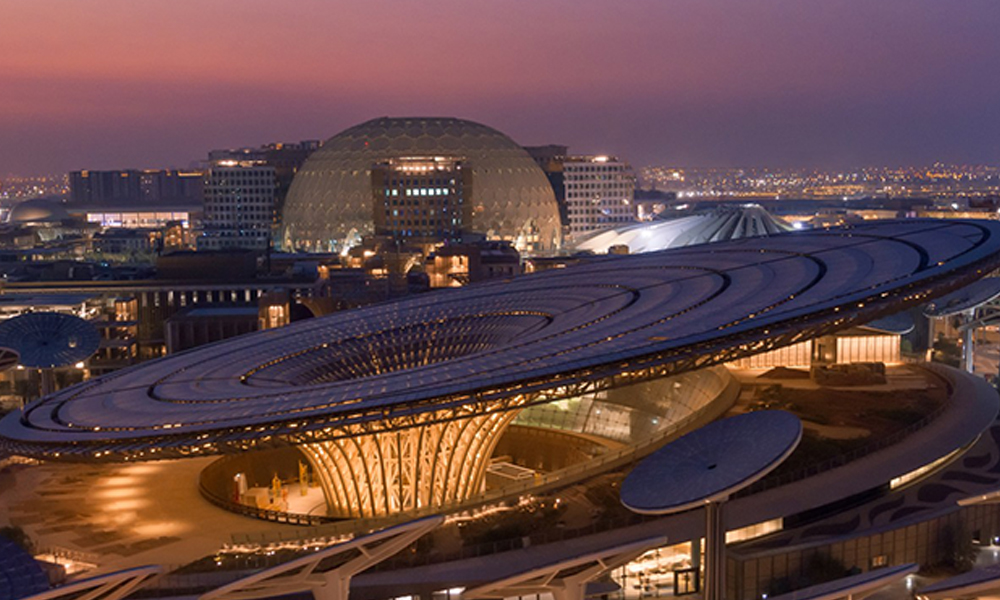
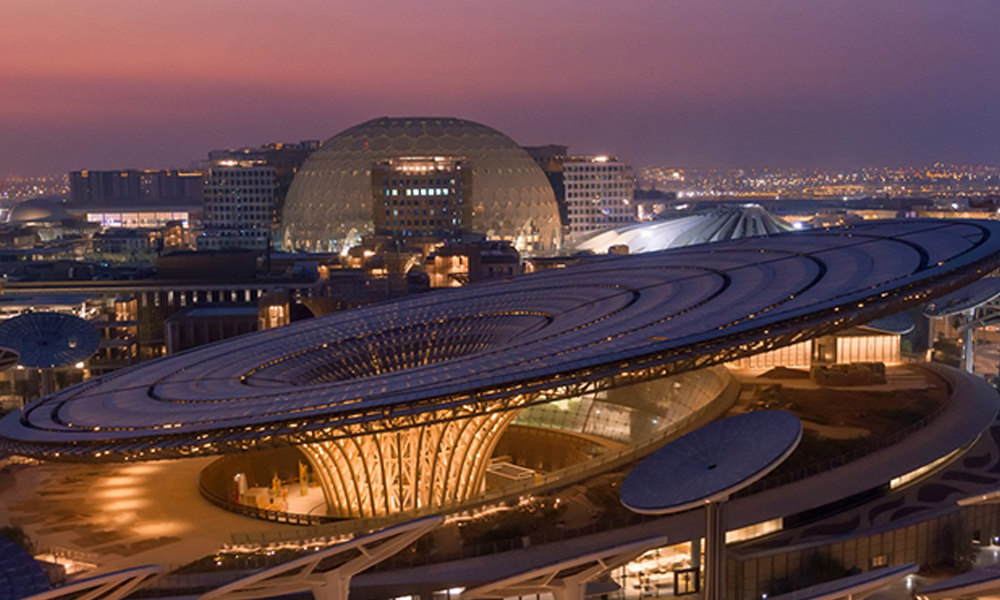
A five-year sustainability plan for 2021-2025 has been endorsed by Dubai’s Roads and Transport Authority (RTA). The move is said to be part of the firm’s strategic goals and objectives aimed at supporting sustainability and are based on environmental, societal, and economic drivers of sustainability.

The step is taken as part of RTA’s efforts to improve maturity levels of sustainability and become one of the most sustainable government entities in the field of roads and transport worldwide, said a statement.

“RTA’s integrated sustainability plan is an important step towards assuming a leading global role in smooth and sustainable mobility. The plan is aligned with several UAE strategies, such as the UAE Green Development Strategy 2030, and the UAE Centennial 2071. It is also compatible with Dubai’s local policies, highlighted by Dubai Plan 2030 and Dubai Urban Plan 2040, as well as global policies such as the Sustainable Development Goals of the United Nations 2030 A genda,” said Mattar Al Tayer, director-general and chairman of the Board of Executive Directors of RTA.

He added, “The sustainability plan considers the assessment of all RTA’s projects and initiatives. It measures the environmental, societal and economic impact of RTA’s sustainability projects, and the extent to which such projects are linked with the important topics disclosed in RTA’s annual sustainability report.”

According to Al Tayer, the plan is also compatible with Dubai’s local policies, highlighted by Dubai Plan 2030 and Dubai Urban Plan 2040, as well as global policies such as the Sustainable Development Goals of the United Nations 2030 Agenda. It encompasses 20 projects: nine for the environmental leadership, six for community leadership, and five for economic prosperity in the context of RTA’s sustainability framework, Al Tayer said.

He added, “The plan is set to have a significant environmental impact on reducing carbon dioxide emissions, enhancing the resilience of public transport infrastructure and its impact on climate change, and achieving RTA’s strategic objective of enhancing safety and environmental sustainability.”

It is said to include several innovative public transportation projects and supports the Dubai Smart Mobility Strategy that aims to convert 25% of total transportation trips in Dubai into self-driving trips on various transportation means by 2030. It also supports the integration of mass transit in Dubai.

In line with the RTA’s strategic objective of asset sustainability, the economic dimension of the plan provides for the optimal utilisation of all of RTA’s assets, while maintaining the quality of service offered to residents of the emirate. The economic projects aim to achieve a circular economy and support RTA’s plan for recycling 100 percent of the waste of RTA’s operations and projects by 2030, the statement concluded.

The post RTA unveils five-year sustainability plan appeared first on Middle East Construction News.


Source: ME Construction News


EHG_1000x600-1.jpg

April 18, 2022 foasummit0

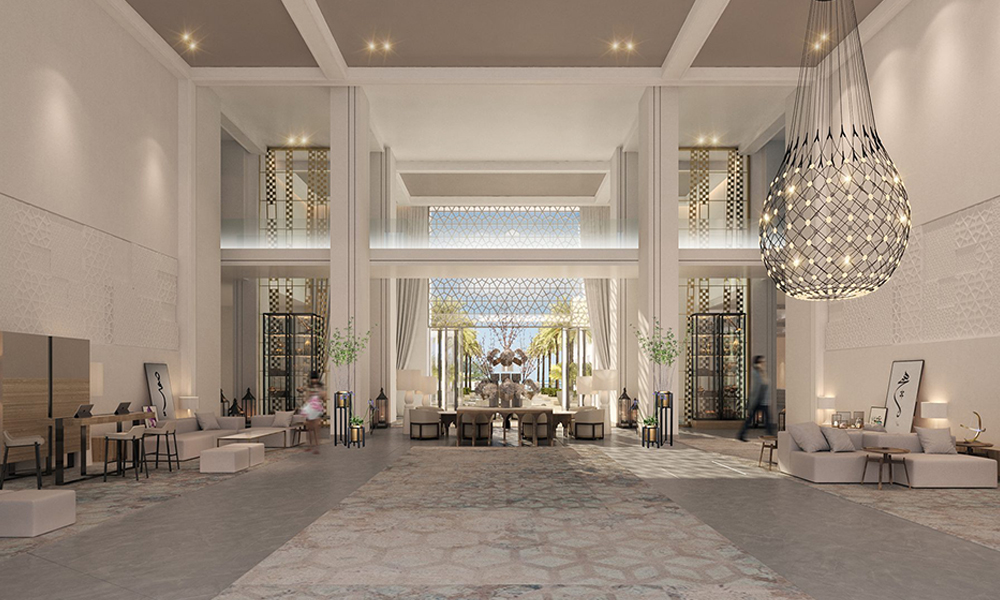
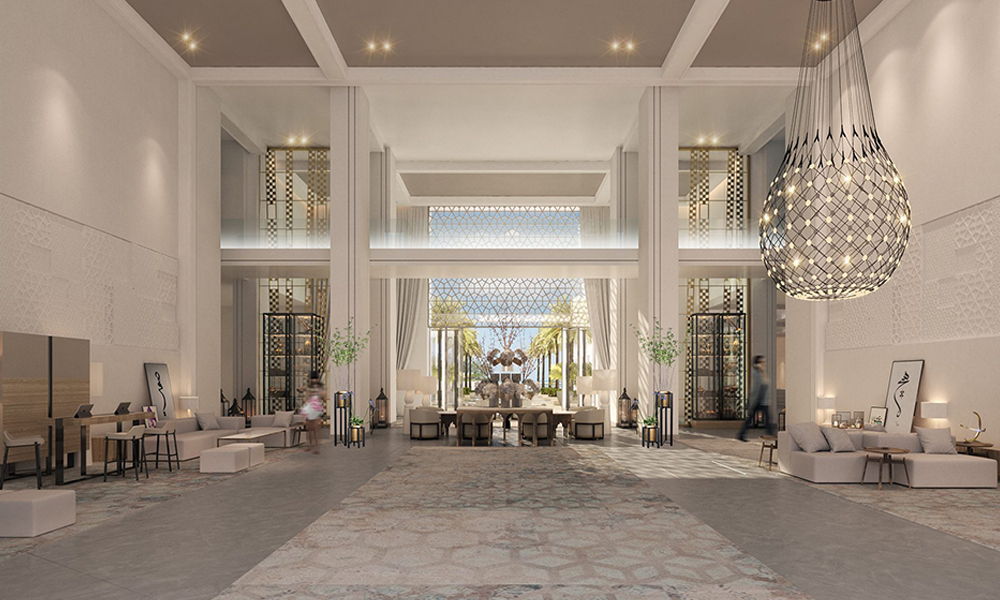
Emaar Hospitality Group, the hospitality and leisure arm of Dubai-based developer Emaar Properties, has said that it is on track to open Palace Beach Resort Fujairah in Q2 of 2022.

The property is the third beach resort of the Address Hotels + Resorts collection, which is under the Emaar Hospitality Group umbrella, a statement said. It will feature 167 rooms and suites set by the beachfront, it added. The resort will feature contemporary architecture and Arabesque patterns and will be set on a prime piece of coastline on the Gulf of Oman coastline.

Emaar has already opened the Address Beach Resort Fujairah, which marked its debut in the emirate. The upcoming Palace Beach Resort Fujairah looks to continue this success, said its top official.

“We are now setting our sights on the leading destinations within the UAE and this resort will mark its second opening in Fujairah,” remarked Mark Kirby, Emaar Hospitality Group head of hospitality.

“This is an important milestone in our journey, as we further expand our luxury portfolio with the country to cater to international visitors and residents of the UAE who have grown to know and love our brand.”

The resort will have its own kids club and a spa, while in terms of Food and Beverage, there will be Arabic and International dining options, along with a Lounge.

“With its majestic landscape combined with a rich heritage, Fujairah is fast emerging as a tourist haven that lures the most discerning travellers. We look forward to welcoming guests to experience premium luxury at Palace Beach Resort Fujairah,” Kirby concluded.


The post Emaar Hospitality Group to open Palace Beach Resort Fujairah in Q2 2022 appeared first on Middle East Construction News.


Source: ME Construction News


SEWA-1.jpg

April 18, 2022 foasummit0

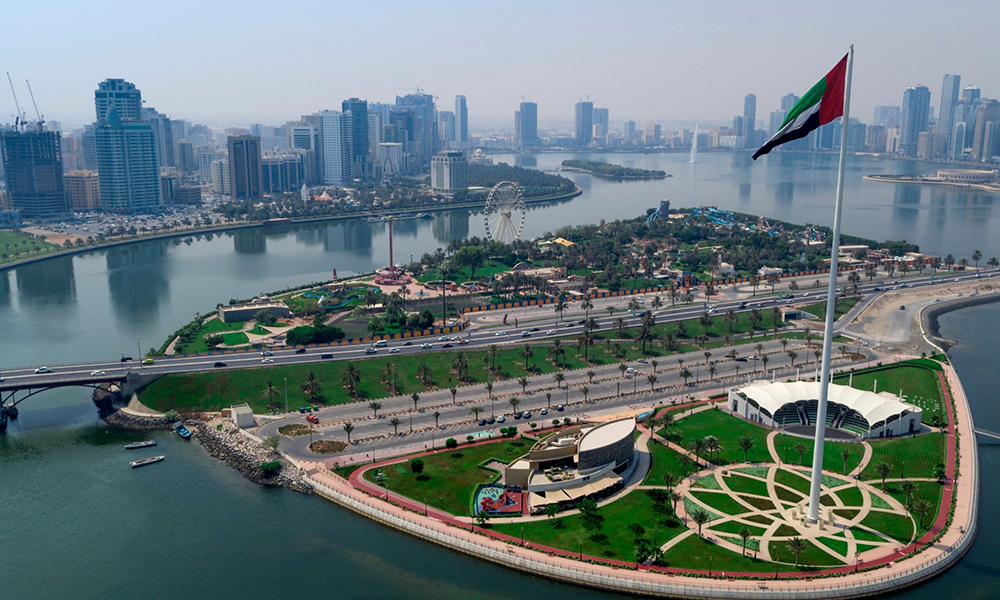
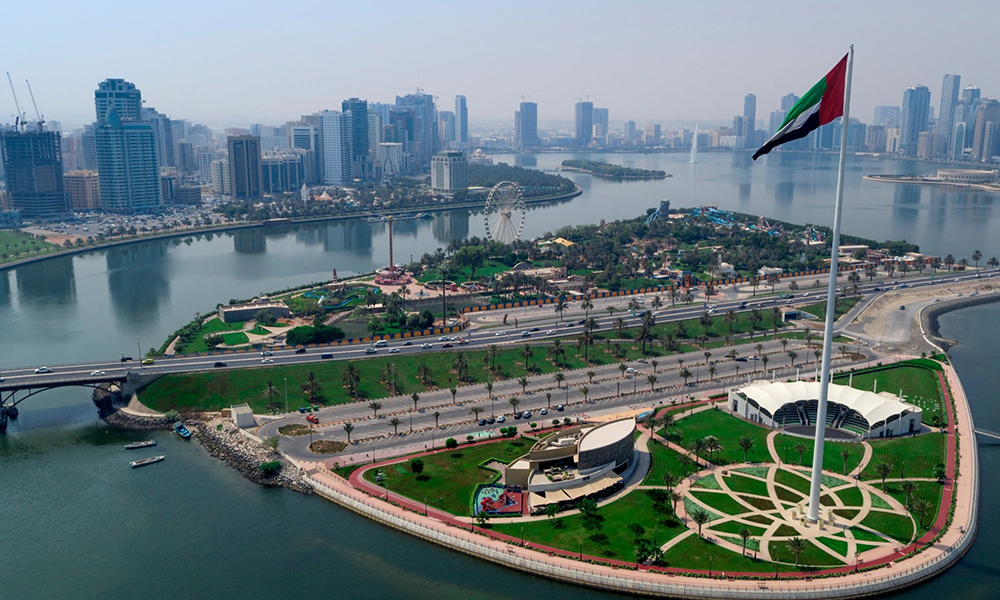
Sharjah Electricity, Water and Gas Authority (SEWA) has said that it carried out 35 road and street lighting projects across the emirate in 2021.

These projects included the installation of 7,132 new lighting poles, laying 215 kilometres of cables, installing 97 lighting boxes, carrying out 30,497 lighting network maintenance works, and installing 11,497 lighting units – the majority of which were energy saving, a WAM report said.

It added that the projects are part of SEWA’s efforts to design and implement road lighting networks across all regions of the emirate, in accordance with high quality and efficiency standards and specifications.

Doctor Engineer Hassan Al Zarooni, Director of the Electricity Distribution Department, confirmed that SEWA is keen to use energy-saving lamps and flashlights in the implementation of lighting projects in Sharjah, which improves energy efficiency and supports its efforts to achieve sustainability through conservation of energy consumption, reducing maintenance costs, and reducing the carbon footprint.

He highlighted that such efforts are in line with the vision and directives of HH Doctor Sheikh Sultan bin Muhammad Al Qasimi, Supreme Council Member and Ruler of Sharjah, to take into account environmental aspects and reduce consumption in implementing all projects, while working in a sustainable manner.

He added that SEWA is working on projects throughout the city of Sharjah, pointing out that the lighting projects are among the vital and necessary projects that expand security and safety for residents, as well as drivers of vehicles on the roads.

The post SEWA completed 35 road and streetlighting projects in 2021 appeared first on Middle East Construction News.


Source: ME Construction News


Expo-2020_1000X600-1.jpg

April 18, 2022 foasummit0

A decree for the formation of a supreme committee to supervise the EXPO 2020 Dubai District has been issued by His Highness Sheikh Mohammed bin Rashid Al Maktoum, Vice President and Prime Minister of the UAE. The committee is being chaired by Sheikh Ahmed bin Saeed Al Maktoum.

Members of the committee include Mohammed Ibrahim Al Shaibani, Reem bint Ibrahim Al Hashemy, Abdul Rahman Saleh Al Saleh, and Helal Saeed Al Marri. The term of the new committee is three years, however the chairman of the Executive Council of Dubai can extend the term, based on a recommendation of the chairman of the committee, said a WAM report.

Sheikh Mohammed also issued a decree extending the terms of the EXPO 2020 Dubai Preparatory Committee, and the Expo 2020 Dubai Bureau and its director general by six months.

The main roles and functions of the supreme committee include developing the general policy for EXPO 2020 Dubai District’s development and supervising the implementation, governance and development of all projects, initiatives, programmes and activities within the district. The committee is also tasked with overseeing the creation and implementation of plans for the area’s development in coordination with relevant authorities and ensuring their alignment with Dubai Government’s priorities and objectives.

In addition, the supreme committee will supervise the rehabilitation of the EXPO 2020 Dubai District’s infrastructure and the provision of investment opportunities in the area in partnership with the private sector. It will also approve local and global promotional and marketing activities for the area in coordination with relevant authorities, said the report.

As per the decree, an administrative and executive body will be created to provide administrative and technical support to the supreme committee and the sub-committees and work teams formed by it.

The post Dubai ruler issues decree for formation of supreme committee to supervise EXPO 2020 Dubai District appeared first on Middle East Construction News.


Source: ME Construction News


40-Last-Word-1.jpg

April 15, 2022 foasummit0

The approval of the virtual assets law and the establishment of the Dubai Virtual Assets Regulatory Authority is a step ahead for Dubai. The city continues to remain at the forefront of emerging technologies and aligns with how the world is developing.

By creating an authority and infrastructure to measure and facilitate the growth of virtual assets, the United Arab Emirates is keeping itself ahead of most of the world. The leadership of the country is always quick to react to the latest developments in business but always pays close attention to technology and innovation.

Dubai is forward-thinking and always has been but I think we saw this as clear as day, when the Dubai 2040 Urban Plan was announced at a time when the world was still heavily talking about the COVID-19 pandemic and their recovery strategies, with some still heavily in the throws of dealing with the virus.

The city’s leadership is always one step ahead and despite working through what the pandemic threw at them, they were able to execute the launch of the vision of the city in years to come. It gives residents and onlookers across the globe, immense confidence, therefore attracting investors, new companies, existing companies, professionals and families.

The virtual assets law and the establishment of the Dubai Virtual Assets Regulatory Authority will have a positive impact on business start-ups, established businesses opening offices in Dubai, innovation, creation and so much more by giving consumers a chance to invest or purchase with cryptocurrencies.

The real estate industry in Dubai has seen investors buying properties with cryptocurrency already. However, we are still a bit away from this becoming the norm. It is still very early days of virtual assets being used to buy real estate here in Dubai, however, it is encouraging to see that Dubai has a regulatory framework in place, which I’m sure will advance as we see more virtual assets being used in the city.

As we move forward, I predict that we will see many aspects of the Dubai real estate industry becoming virtual. For example, title seeds. By digitalising these documents, the process of buying and selling properties could happen instantly rather than taking hours or days and could happen without both buyer and seller being present. This, I believe, is where Dubai is headed, and I see this happening in the not so distant future.

The post Infrastructure: How Dubai can stay in front appeared first on Middle East Construction News.


Source: ME Construction News


WIC-ASGC-1.jpg

April 15, 2022 foasummit0

Following its special edition dedicated to women in the construction industry, Middle East Consultant continues to share the inspiration and experiences of women working in the male-dominated industry across the GCC. Here, we catch up with Mariam Azmy, chief HR officer at ASGC.

What drove you to get into construction and your very first role in the industry?

Growing up in a construction family, I spent a lot of time watching people around me work. I listened to how they spoke to clients on the phone, and made sure people got what they were looking for. I was around these conversations every day, and my interest grew. I have also lived in Dubai long enough to witness its transformation into a high-rise-city. This early influence played a huge role in my ultimate career path.

Despite this, however, my very first job was in banking. There I saw even more clearly how important customer service was, and there was a natural line between this observation and the HR opportunity I was later presented with in construction. Joining ASGC certainly seemed like a challenge, especially back in the early 2000s, when there were even fewer women in the industry, but I recognised this was an incredible opportunity.

More specifically, I saw how much more the ‘human touch’ was needed in human resources in an industry like this where so much is driven by machines, automation and deadlines. I was determined to support a family atmosphere at ASGC that would drive productivity, performance and profit. That vision has guided my focus in all the years since.

Share a brief about your career, mentioning key achievements with regards to your role.

Currently I am the chief human resources officer at ASGC, a post I have held since 2020 after a decade and a half within the firm. Throughout my tenure, I have worked to embed the modern employee-centric culture we now enjoy in the organisation today, which supports individual performance whilst also providing opportunities for growth and development. I am also responsible for executing global capital leadership with in-depth knowledge of HR in all areas.

Under my leadership, the HR team has fostered a unique family feel and culture in the company that I am proud of—not just because it is the right thing to do, but because it has driven a substantial increase in strategic achievement, productivity and profitability.  I also have an ethical and authentic approach to human resources, often implementing employee-centric policies and procedures well in advance of government mandates. As a CHRO, I maintain an open-door policy and am committed to honoring the contribution of each individual within ASGC, from junior office staff on up to senior leadership.

From the first introduction, through onboarding, and on into the day-to-day working environment, my team ensures that we maintain a workplace experience where all employees feel encouraged and empowered, achieving growth and success in their careers with ASGC. This commitment sustained us even during the pandemic, when we had to furlough staff because of the industry stand-still. I ensured that my team kept in touch with all employees we furloughed or sent back to their home countries. We were later able to restore more than 30% of furloughed talent to their former positions.

Besides fairness and being the right thing to do, diversity in the construction industry is important because of the value women can bring to employers, clients and customers. How have you made your mark in the industry working on projects specifically (your proudest moment)?

Being the CHRO, I personally oversee all employee related projects and offer extra emphasis on projects that support gender diversity. One of our projects is encouraging the approach of gender mainstreaming in early-years education by sponsoring awards for achievers in various engineering categories at the undergraduate and postgraduate degree programs at Heriot-Watt University. This allows young women to pursue education and careers in technology and other high-value occupations. Another project which I am highly proud of is providing sponsorship to our employees to pursue higher education in leading universities, which allows to improve organization productivity and profitability.

What are some of the barriers to women entering the construction industry? What was your personal experience?

The already male-dominated industry has for years developed its own culture inside the sector. This contributes to a lot of closed networks, insider camaraderie and methods of collaboration that might feel natural to a man … but specifically exclude the way many women think, connect and work.

This is especially seen on the construction sites themselves, but it is also visible within the corporate or administrative part of the sector. Women have had to ‘fit in’ in order to be accepted by the group. This can include shifting their natural presence to communicate in a more precise, direct and masculine way; dressing in styles that mimic men’s fashion (whether or not it feels comfortable); adopting an outcomes-driven focus to the exclusion of connection, collaboration and relationship; or adopting an attitude of bravado or overconfidence in order to be taken seriously.

Earning respect in this industry takes quite a lot. As women we are often judged by our gender and not our skills or experience.

The GCC construction sector is still male dominated, however diversity is beginning to increase. If you agree with the above line, comment on what is driving this and how you see the GCC markets changing in the coming years? If you do not agree with the first line of this question, please share your thoughts/views of the market.

Overall, the UAE is doing a great job of encouraging women to enter fields like construction, and incentivising companies to create more space for a diverse workforce. I’m thinking of DP World, for example, where the stated strategic outcomes and goals for the enterprise include inviting more female talent to the table. As DP World has said, “Enabling smarter trade is not a gender-based job.” The question this leaves for women is: ‘You have permission and support now even if the climb of the ladder is still a challenge. Will you go after the job you really want?’

Everyone has a part to play in diversity and equal pay. What would you like to see government authorities and construction firms do to increase diversity and make pay a level playing field?

I’m glad we agree that the playing field is not level. The equal pay laws between men and women recently implemented here in the UAE are a great step forward; however, there is still a great deal of discrimination based on nationality. I’d like to see that change–especially since we have actively worked against this within our organisation. As a mother of two both born while I am in the industry, I also speak as a mother – and I’d like to see continued improvement in the length of paid maternity and paternity leave requirements.

Besides authorities and construction firms, who else can play a part in increasing diversity and balancing pay scales?

I think it’s really important that individual employees and managers advocate for themselves, their colleagues and their teams. Change is often a ground-up process; at ASGC we encourage our employees to speak openly about these issues and vocalise their desires and needs. Some issues are obvious; I see them, and we address them. But there also might be hidden areas of inequality that only certain teams or individuals can recognise from their vantage point. It’s critical that each does his or her part to raise the issue and push for resolution—because a ‘win’ today in your department is a win for everyone who comes after you.

As a woman in the industry, what has your experience been working in the GCC construction sector? If you have worked in markets outside the GCC, how does your experience here compare with what you’ve experienced and observed in other markets?

Having worked in this industry for 17 years in the UAE, I must say that I have had the biggest opportunities and have been part of some of the biggest projects in the region. I have worked hand-in-hand with our excellent ASGC leadership, and this is a privilege I do not take lightly. I cannot speak for the experience of working in other markets, but I believe overall we’re blessed with remarkable openness and a great reduction in the glass ceilings that women and minority employees used to face in this region. With continued relentless effort, the future is bright.

In your opinion, what is the biggest challenge women in the construction sector face in GCC countries? How can these challenges be addressed?

Visibility is a huge issue here. Many women in this industry tend to ‘blend in’ as much as possible in construction companies and don’t get the exposure or the wider platform they need to inspire others to follow in their footsteps. Or, people assume that women in these companies are secretaries only, rather than serving at the C-suite level, as I do. There can be a tendency to discourage women from these industries or simply place them in the back, where they can’t be seen. It’s time to change that. And change requires tremendous will-power and resilience–as well as a commitment to being seen and heard–on the part of women in the industry.

Do you feel there’s a limit with regards to how far you can progress within your respective organisation?

Given that I have reached the top of my climb, no. Not at all. ASGC has been a fantastic and supportive place for growth. My 17 years of service speak for themselves. But even though I have reached the C-suite, there’s more to learn and always room to growth. That’s what makes it limitless.

How does the firm you currently work for approach diversity in the workplace? What more can your firm do to increase diversity?

At ASGC, we believe in creating a diverse culture at an early career stage by providing internships and graduate programs to women across various disciplines in the organisation. Creating and offering an equal platform is a critical part of leveling the internal playing field. We nurture the talent and guide them in their areas of expertise. We also promote them to be future leaders.

Over the past few years, we have diversified our senior management with a wide presence of strong and independent women, who have significantly contributed to the success of the organisation. An increase in women representation has led to a distinctive approach in critical decision making, which has enabled us to boost our profitability.

What advice would you give to a woman entering the GCC construction industry today?

My standard advice is: go for it! Your trail has been blazed by the amazing women who have gone before you, and your progress is welcomed and supported in many companies. Learn as much as you can. Take advantage of opportunities. And don’t be afraid to continually sell the value of your contribution by speaking about your results.

The post My advice: You have to go for it appeared first on Middle East Construction News.


Source: ME Construction News


20-21-Opinion-Piece-1.jpg

April 15, 2022 foasummit0

Over the years Dubai has established itself as a luxurious, modern and stable destination for the well to do and the famous. As a result, an increased number of high-end investors have started to look at Dubai as a hub of opportunity and stability in recent years. Numerous celebrities – including the likes of Brad Pit, Madonna and Giorgio Armani – had already invested in Dubai’s real estate market prior to the pandemic. More recently, the mega wealthy have begun relocating not only their families but also their businesses to Dubai, and more are expected to come, with the UAE Central bank forecasting a 4.2% GDP growth for 2022 – double what was achieved in 2021. As the number of investors rises, so are the high-end luxury real estate market opportunities.

New buyers in Dubai’s real estate market are not merely investors, but end users looking to set down their roots. In looking for a property which is meant to become a home, these individuals are looking for ultra-luxurious properties with ample space for their families, to entertain guests and even host extended family in some cases. In the last few years, there has also been increased demand for turnkey properties which are already fully furnished – buyers want to be able to show up with only their luggage to a house which is already equipped with everything they might need.

While Dubai offers several luxurious property options, this is still a severely underdeveloped segment with limited supply available. This is something that’s evident when you consider the notable growth in the prices of ultra high-end properties. According to a recent study done by Knight Frank, ultra-high-end properties saw an exponential increase of 44% in 2021.

Despite the increase in property rates, Dubai’s real estate market still outperformed most global property markets including Paris, London, New York and Hong Kong. According to the annual transaction report issued by the Dubai Land Department, 84,772 transactions were recorded during 2021, representing a value of nearly AED300bn ($82bn).

Changing Demographics

Of late, the demographics of affluent individuals looking to relocate to Dubai has also shifted. Previously, Asian and British citizens were the most widespread high-end investors in Dubai, but this has begun to change, with more buyers now coming from Central and Eastern Europe. The shift in new nationalities looking to invest in Dubai comes as individuals seek a safe and stable country to put down their roots.

No country was left unscathed by the pandemic, however, the way the United Arab Emirates handled the situation made the wealthy take note. Throughout the pandemic the country was open for business, PCR tests were readily available with quick turnaround times, vaccines were quickly rolled out to residents, and although there was a lockdown, it was brief and even the country’s tourism sector opened quicker than most. Despite the challenges the country faced, it found ways to support residents and businesses throughout the pandemic – this is something that the global community took note of.

In addition to its notable response to the pandemic, Dubai has put numerous new policies in place to make the emirate more appealing to investors. Being an income tax free country was already a great start but evolving its Foreign Ownership Laws and introducing the 10-year visa, also known as the ‘Golden Visa’, helped make the emirate an even more attractive and secure destination. The new law allowing investors to apply for a Golden Visa via an AED10 million investment allows even greater accessibility to the country for the affluent, while new flight routes and more direct flights to Dubai have also made a significant difference.

One of the significant challenges in accommodating this market segment is the ability to acquire land in affluent areas. For example, Hillside at Jumeirah Gulf Estate has only 20 mansions available with limited room for expansion in the same area and most of these units have already been sold. Waterfront properties, which are very popular in the eastern European market, are also limited and new arrivals to Dubai are often sceptical about moving too far inland. In addition, some buyers are not interested in off-plan properties – they want to see the final product, meaning the turnaround time from acquiring land, construction to having it furnished needs to be quick without compromising on quality.

EXPO 2020 Dubai has also helped create more awareness of ‘new Dubai’ and has aided accessibility to the broader emirate. However, there is a need to develop more affluent communities within Dubai, along with the necessary infrastructure to accompany it including schools, medical facilities and retail areas.

While Dubai’s high-end real estate sector is a rapidly growing niche, it’s not something just anyone can develop. It requires large investments and a full-fledged team who can deliver a quality 360 solution to buyers. This being said, it is a profitable sector with growing opportunities for those able to enter the segment. Going forward, the United Arab Emirates, specifically Dubai, will continue to attract high net worth individuals to its shores, increasing the demand for ultra-high end luxury villas.

The post Looking at the high end – Dubai’s luxury market appeared first on Middle East Construction News.


Source: ME Construction News

mycrane-1.jpg

April 15, 2022 foasummit0

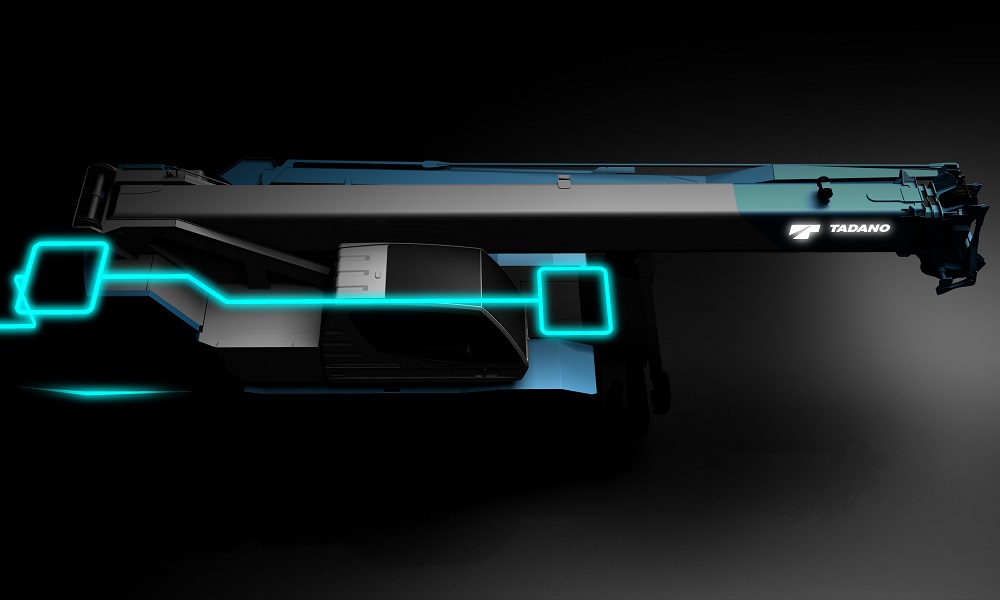
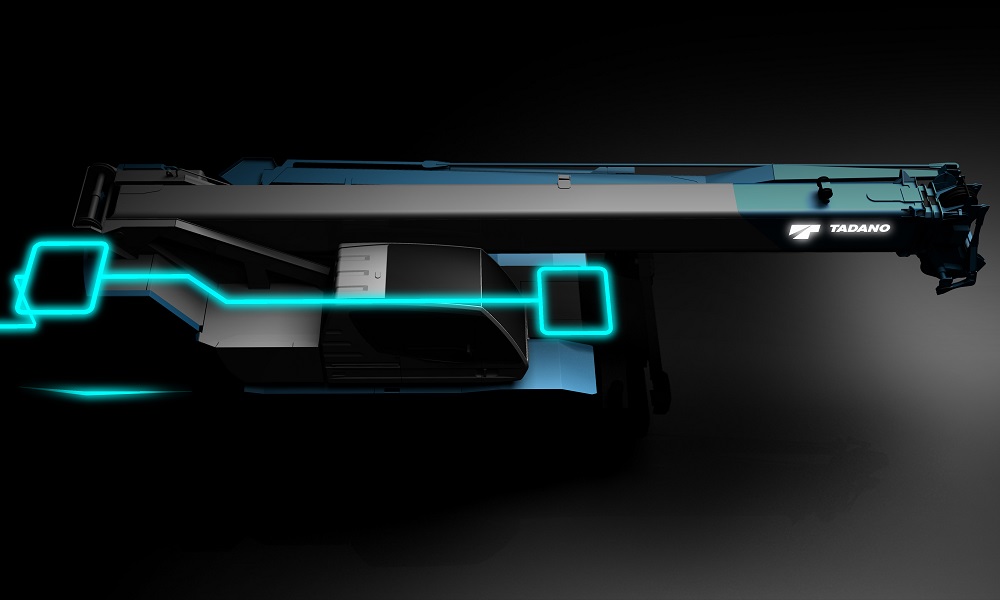
Japanese manufacturer, Tadano has announced its plans to launch the world’s first electric rough-terrain crane by the end of 2023.

Currently in development, the crane will be able to drive to the jobsite and complete all lifting operations using battery rather than diesel power to deliver zero-emissions operations, the manufacturer said on the announcement. Those expected to benefit most are workers operating in congested and noisy urban areas, completing lift projects at night and operating indoors.

It comes on the back of Tadano’s long-term environmental targets, announced last year, which include 25% reduction in CO2 emissions from business activities, 35% reduction in CO2 emissions from product use by 2030, and achieving net zero carbon emissions by 2050.

“We have set aggressive goals for lowering both operational and product emissions, and we will partner with industry leading companies to attain those goals,” said Toshiaki Ujiie, President, CEO and Representative Director of Tadano Ltd. “We are excited to introduce the first battery/electric rough terrain crane, which will be a key driver for our goal of 35 percent reduction in product CO2 emissions by 2030,” he added.

The post Tadano targets launch of world’s first electric rough-terrain crane appeared first on Middle East Construction News.


Source: ME Construction News

tadano-1.jpg

April 15, 2022 foasummit0
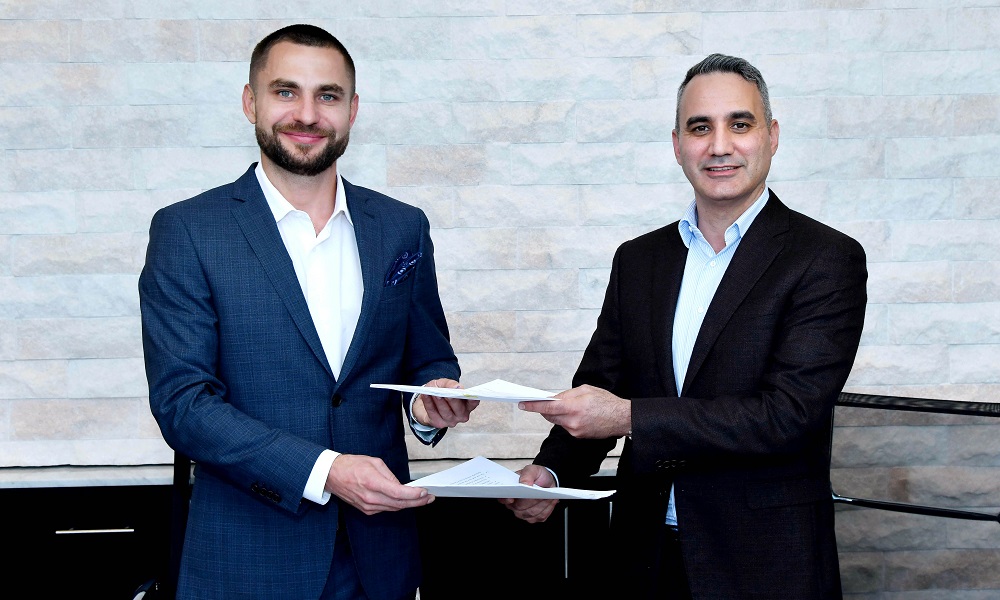
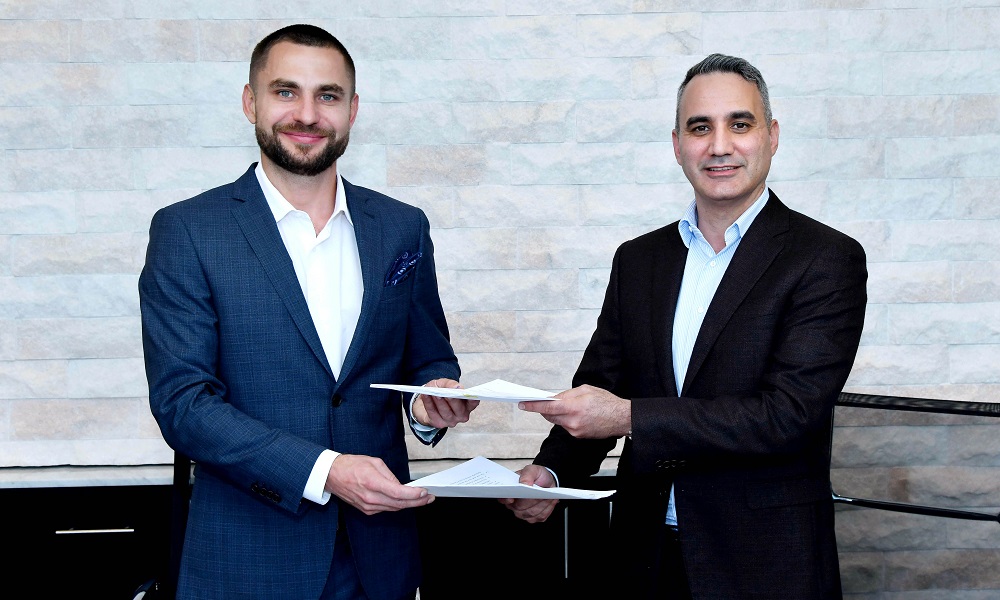
MYCRANE, the Dubai-based digital rental platform for cranes and the construction sector, has announced its expansion, following the signing of three more franchise agreements for Qatar, UK and Ireland.

The new franchisees, which were announced at a recent crane and transport conference in Dubai, will be responsible for providing the full range of MYCRANE services in their respective markets. This includes the world’s first online crane rental platform, a marketplace and support for engineering and site surveys.

In Qatar, MYCRANE will be owned and operated by Ant Dynamics, a Doha-based provider of heavy lift and transportation engineering services. Along with the other franchises, they are already in the process of registering local crane rental companies on the platform and will shortly be marketing the service to customers.

Commenting on the appointments, MYCRANE founder and CEO Andrei Geikalo said:  “We are delighted to welcome our new partner for Qatar, which remains one of the fastest growing global construction markets, owing to the vast number of infrastructure, housing, rail and many other projects currently underway.”

Managing director of Ant Dynamics, Kamal Kassab added: As a company committed to raising the standards of lifting operations in the Middle East, Ant Dynamics is pleased to operate MYCRANE in Qatar. We are confident that users of the MYCRANE online platform will appreciate the benefits of selecting the right crane for the right job at a fair rate.”


The post MYCRANE expands global network with Qatar franchise appeared first on Middle East Construction News.


Source: ME Construction News

2-5-1.png

April 14, 2022 foasummit0

As part of India’s commitment to economic development in the northeast region, and to renewable energy targets aimed at quickly reducing carbon emissions, the government initiated the NER-II Transmission Limited Project. The INR 1.95 billion renewable energy initiative will serve a population of over 30 million residents in India’s most remote areas, aiming to improve reliability of the power supply, reduce intermittency, and accelerate the penetration of renewables in the northeast region. The Ministry of Power awarded the project to Sterlite Power Transmission, a leading global developer of India’s energy transmission infrastructure projects, to remove infrastructure bottlenecks and create a conducive environment for sustainable power supply.

The scope of the project includes developing transmission lines that span 448 kilometers, as well as design and construct a 400-kilovolt/132 kilovolt substation in the state of Tripura to evacuate gas-generated power across the region from the national grid. “Since gas is a natural balancer for renewable energy, connecting NER to the national grid is critical,” commented Sudanshu Tripathi, head of marketing at Sterlite Power. As the only substation delivering much-needed power to Tripura, it was crucial that construction be completed quickly. Considering the importance of the project for the local region, Sterlite Power had to avoid delays in delivering the substation. Additionally, situated at the foothills of the Himalayas amid dense forest subject to heavy rains and flooding, the project presented complex geographical and environmental conditions, compounded by a tight timeline and an indigenous population resistant to change.

Challenging Terrain; Tight Timeline; Inefficient Processes

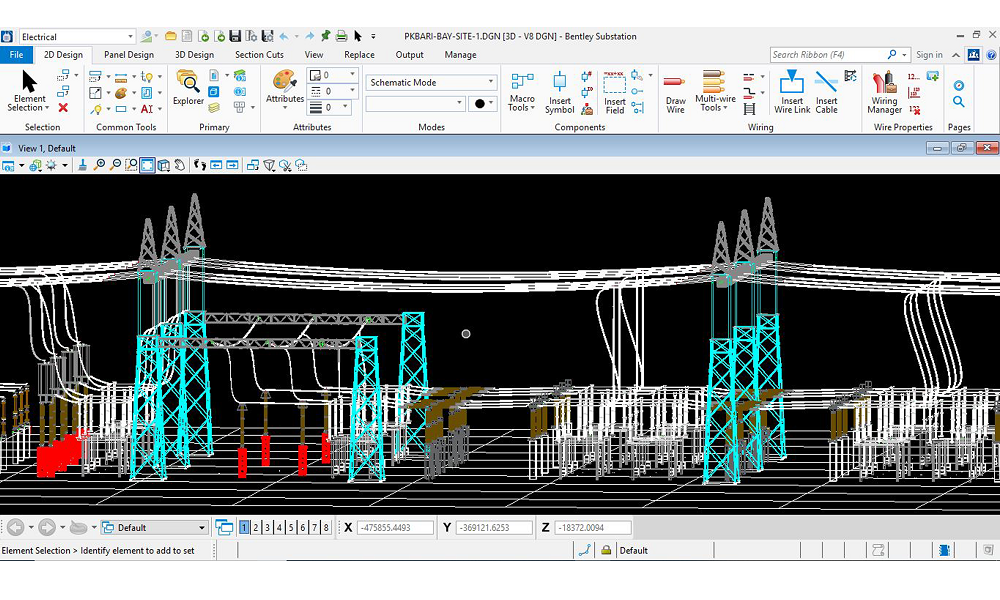
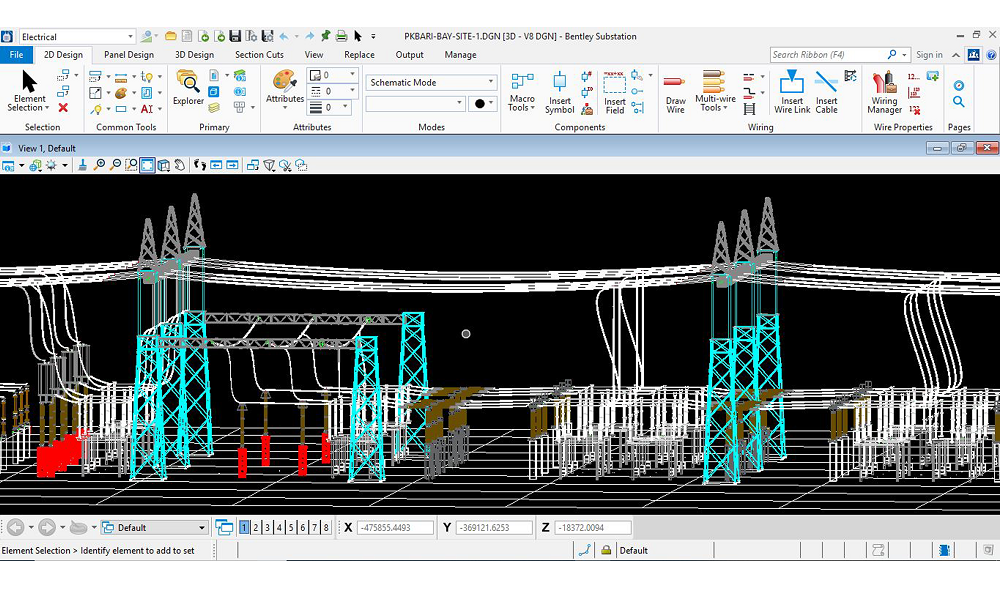
To overcome these challenges, Sterlite Power needed to implement efficient design and construction, accurate information flow among stakeholders, prompt and informed decision-making, and rigorous project monitoring. So, they searched for an accurate modeling solution that would deliver right-first-time design. They required an integrated visual modeling environment where they could easily share information and detect and resolve clashes early in the design process to meet the short schedule.

However, their traditional 2D design methods for substation planning had minimal data-sharing potential and did not support the design team’s needs for detecting potential clearance problems between electrical components and support structures. Their current conventional software had limited capability in terms of managing interdependencies and linking design, planning, and construction works. Additionally, it limited their ability to provide real-time visualization of construction progress and facilitate efficient stakeholder communication and resource planning. Sterlite Power recognized that these inefficiencies posed enormous risks in the substation timeline, prolonging inspection, stakeholder approval, and handovers. “We realize the conventional approach has limitations in terms of design optimization, which ultimately leads to delay during project execution,” stated Mayank Srivastava, manager of Sterlite BIM program.

Bentley Applications Digitalize Workflows

To effectively coordinate design and construction, gain approval from state authorities to lay the transmission lines, and meet the project deadline, Sterlite Power chose to adopt digital twin technology and establish an open, connected data environment. They switched to OpenUtilities Substation and ProjectWise to overcome the inefficiencies of conventional design, establishing a 3D collaborative modeling environment to streamline design workflows, facilitate accurate information sharing, and enable early clash detection among structures and equipment. Using Bentley technology, they developed a digital component library that provided traceability and accountability for design, exporting these component models as symbols to develop the entire substation model layout and ensure proper connection among the equipment. Working in a visually connected data environment with digitalized workflows provided seamless and accurate information sharing among the team and stakeholders to overcome the design challenges and achieve right-of-way clearance, securing permission from local authorities to lay the transmission lines.

To further refine design and enhance construction planning, Sterlite Power adopted 4D BIM technology using SYNCHRO, performing real-time, virtual construction monitoring and simulation. Using the software allowed for robust planning, linking design and scheduling processes and then mapping all project activities to the 3D model for greater visibility into the project plan. The digital model helped visualize the impact of design changes, facilitating accurate, data-driven decisions and avoiding construction errors on site. “Building this model enabled us to maintain interdependencies in an effective manner. It also provides greater visibility of the construction plan in a 3D environment with the project team, which helped them make important decisions quickly,” explained Srivastava. The team also generated a detailed reality model from drone-captured images, which helped them further optimize substation layout and increase design and planning efficiencies.

Setting New Benchmarks for Sustainable Energy Solutions

Using Bentley technology to digitalize workflows and establish a connected data platform based on ProjectWise, Sterlite Power saved a total of INR 1.1 million in resource hours and reduced the project schedule by more than one month. Working in an integrated modeling environment using

OpenUtilities Substation enabled data-driven decisions and early clash detection that reduced rework and saved nearly INR 2.3 million. Through real-time virtual construction monitoring with SYNCHRO, they achieved a 15% return on investment. The integrated 3D and 4D BIM and digital twin solution resulted in paperless workflows, established traceability, minimized information loss, and enhanced collaboration among all stakeholders. By engaging with the community and local state authorities, they gained approval to lay the transmission lines, a breakthrough for the team as prior development projects failed to do so.

Through innovative use of Bentley’s cutting-edge technology solutions, Sterlite Power has set new industry benchmarks for sustainable energy solutions. They plan to extend BIM workflows to asset management and utilize the models for more efficient substation operations and maintenance. Upon completion, the new substation and transmission lines will bring reliable power to 30 million residents of the northeast region while taking India closer to its goal of reducing carbon emissions through reliance on renewables, balancing the intermittency though gas-based power injected from Tripura’s gas power plant.

Project Summary

Organization: Sterlite Power Transmission Limited

Solution: Utilities and Communications

Location: Tripura, India

Project Objectives:

  • To develop digital processes to optimize delivery of reliable, renewable power to India’s remote northeast region.
  • To streamline workflows and accelerate accurate information sharing among stakeholders.

Project Playbook: OpenUtilities Substation, ProjectWise, SYNCHRO 4D

Fast Facts

  • Sterlite Power was tasked with delivering a substation and transmission lines to generate power to 30 million residents in Northeast India.
  • The project presented mountainous terrain and coordination challenges amid a short timeline.
  • Using Bentley applications, they established a connected data environment and performed real-time construction monitoring.

RoI

  • Using ProjectWise facilitated seamless and accurate information flow, saving resource hours and INR 1.1 million.
  • Performing early clash detection with OpenUtilities Substation reduced rework and saved nearly INR 2.3 million.
  • Integrating SYNCHRO for construction planning helped deliver the project over a month early and achieve a 15% return on investment.
  • The innovative use of Bentley technology sets a new benchmark delivering renewable energy solutions in India.


Author:
Maureen Gallagher, Solution Marketing Manager, Utilities, Bentley Systems

The post Case Study: Sterlite Power delivers light to India’s most remote regions using renewable energy appeared first on Middle East Construction News.


Source: ME Construction News