DHC-1.jpg

October 16, 2025 foasummit0

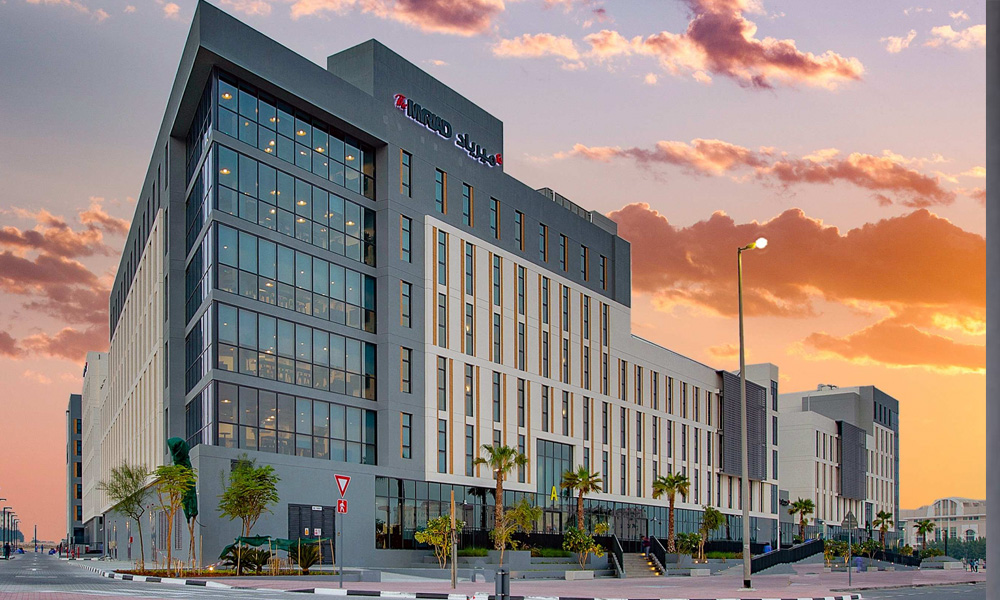
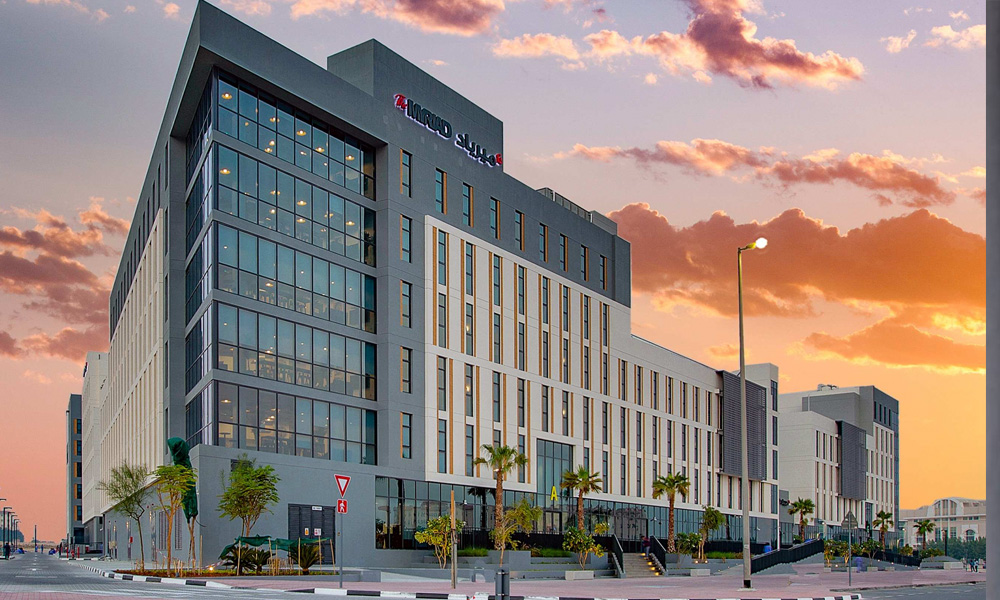
Majd Investment, Sumou Global Investment (SGI), and Strategic Housing Group (SHG) have launched the Dedicated Housing Company (DHC), a joint venture with an initial US $533mn fund which aims to pioneer co-living for professionals and students. Positioned to lead the sector, DHC will develop and operate Saudi Arabia’s next generation of purpose-built co-living communities. This partnership brings together three industry leaders in investment, real estate development, and operations, said a statement.

The DHC has introduced two new brands to the Kingdom: URBN Living and The Myriad. URBN Living is designed for working professionals, while The Myriad caters to students. URBN Living will address the growing demand for flexible, design-forward, and affordable co-living among young professionals. With a focus on lifestyle, networking, and convenience, these communities blend premium services and contemporary design to offer more than just accommodation, said a statement.

Focusing on students, The Myriad will incorporate the cultural values and traditions of the Gulf region, while delivering a lifestyle centered around students. It aims to offer quality residences, communal spaces, and a full calendar of social and eventful programming. Designed with fully equipped rooms and dedicated on-site support, The Myriad will create a safe and secure environment where students can live, learn, and thrive academically and socially, it added.

Together, these brands will shape the future of residential hospitality, backed by their international operational success. DHC’s rollout begins with over 5,000 beds, with plans to expand to 20,000 beds across the Kingdom by 2030.

“We are not just building homes, we are creating places where people truly belong,” said Vik Rao, Group CEO of SHG. “Our products are unique, as they blend hospitality with residential quality, affordability, along with smart design and vibrant community life, all tailored to today’s generation.”
“This partnership is a significant achievement for the Kingdom and a direct contribution to Vision 2030,” added Abdulrahman Bin Ayed Al-Qahtani, CEO of SGI. “Attracting an international co-living leader like SHG is proof of Saudi Arabia’s ability to bring world-class talent and expertise into the market. This collaboration supports our national goals of enhancing quality of life, diversifying the economy, and setting new benchmarks for how communities are built in the region.”

“From an investment perspective, this project reflects our confidence in the Saudi market and its long-term growth potential,” stated Mahmood Al-Kooheji, CEO of Majd Investment. “We are committed to projects that deliver economic impact and exceptional value to residents. This collaboration combines world-class expertise, sustainable design, and strong returns, a powerful formula for the future of housing in the Kingdom.”

DHC is said to be built on a strong partnership between development, operations, and investment. The joint venture brings together Sumou Global Investment (SGI) and Majd Investment’s local expertise and land access with Strategic Housing Group’s (SHG) experience in co-living and student housing. Together, these three partners form a unique platform, the firm explained.

SHG brings record as a specialised developer and operator of lifestyle-driven co-living and student housing communities. SGI and Majd contribute deep local development capabilities, prime land access, and the capacity to deliver at national scale. This combination creates a unique platform with the scale, speed, and expertise to lead Saudi Arabia’s co-living sector, the statement concluded.

The post Majd Investment, SGI and SHG launch DHC appeared first on Middle East Construction News.


Source: ME Construction News

Khazna-1.jpg

October 16, 2025 foasummit0

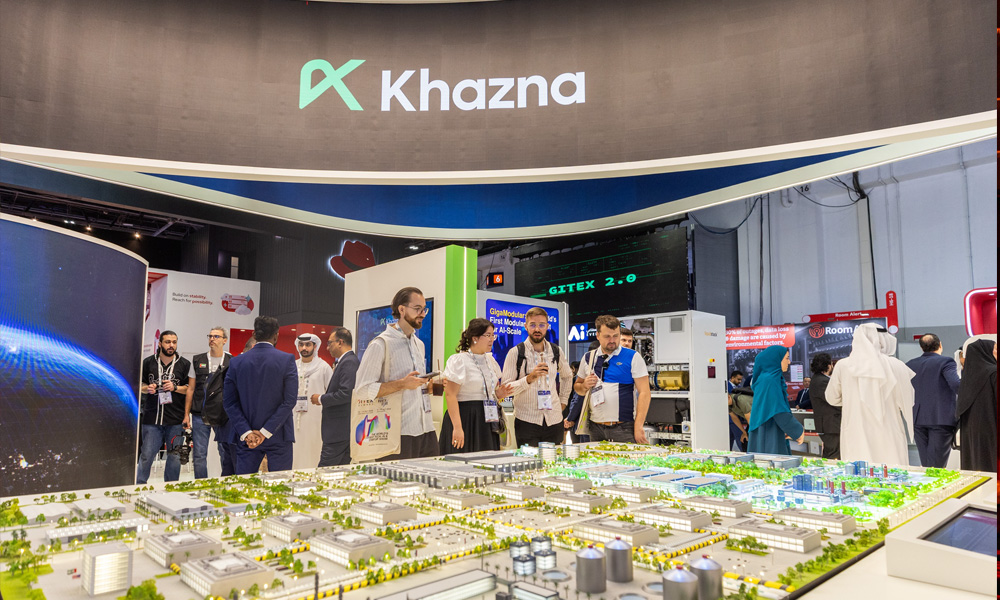
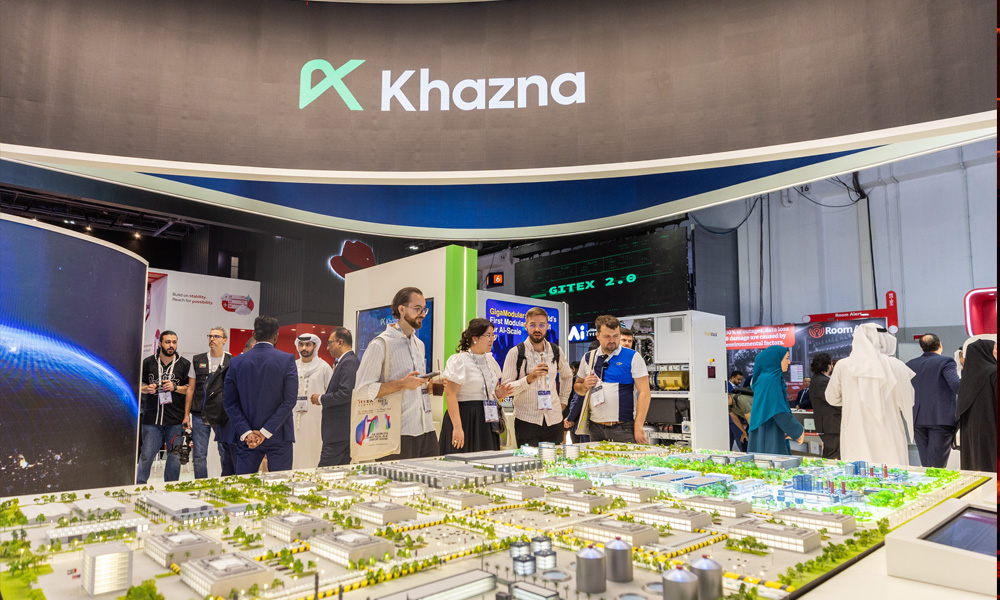
Khazna Data Centers (Khazna) has announced plans to expand its operational capacity by over 1GW over the next five years. This scale-up solidifies Khazna’s position as the UAE’s national digital infrastructure champion and marks a significant acceleration of its international expansion, the firm said.

More than 400MW of new capacity is to be delivered in international markets such as Saudi Arabia, Italy, and others, contributing to Khazna’s vision of establishing the infrastructure backbone for AI-driven digital economies.

“As the world enters an era defined by AI and digital economies, infrastructure is becoming the catalyst for national transformation. At Khazna, we are proud to be building the foundation layer for AI-native nations, combining regional leadership with global ambition,” said Hassan Alnaqbi, CEO of Khazna Data Centers. “Our expanded capacity roadmap reflects both the urgency and the opportunity ahead, as we partner with governments and enterprises to deliver resilient, sustainable infrastructure purpose-built for the next generation of compute.”

Khazna is laying the groundwork for AI-native nations, in this, digital transformation becomes an integral part of the design process. Khazna’s facilities are engineered for the next generation of compute, capable of supporting high-density, low-latency AI workloads at scale while adhering to sustainability standards, the statement explained.

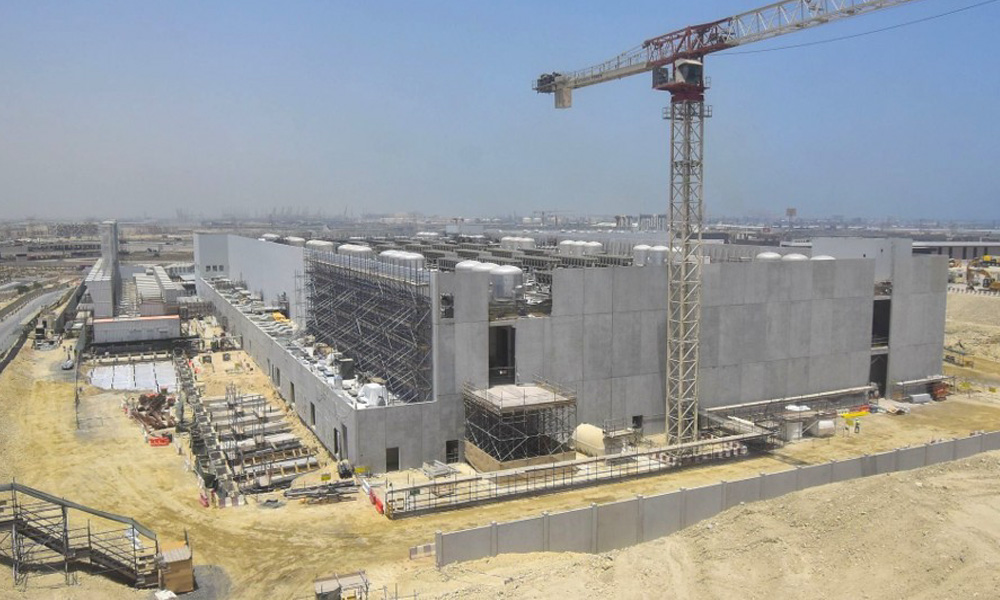
The company is currently developing several new projects, including hyperscale facilities in Abu Dhabi, Dubai, and Ajman. In addition to these projects, Khazna is also delivering the infrastructure layer for Stargate UAE, a next-generation AI infrastructure cluster that will operate in the newly established 5GW UAE–U.S. AI Campus in Abu Dhabi.

Khazna’s capacity pipeline, both domestically and internationally, is said to be supported by a newly secured financing facility that will expedite deployment and enhance long-term resilience. By leveraging its proprietary, scalable design approach, Khazna can significantly reduce the time, cost, and environmental impact associated with traditional data center construction. This enables faster time-to-value without compromising operational excellence, the statement said.

Khazna’s expansion is also said to be underpinned by a commitment to sustainability at every stage of design, build, and operation. All new facilities are engineered to LEED Gold standards, utilising advanced cooling systems, high recycled material content, and energy-efficient design principles. The company’s modular construction methodology enables faster deployment with significantly reduced embodied carbon, construction waste, and potable water use accelerating both climate impact reduction and time to market.

In Italy, Khazna’s upcoming data centre campus will be powered by ‘Blue Power’, Eni’s low-carbon energy solution. This approach reflects Khazna’s broader strategy of aligning with local clean energy ecosystems, integrating alternative sources, where possible, to power the infrastructure of the AI economy responsibly, the firm noted.

The firm said it is also investing in the human capital required to operate the infrastructure of the future. Each new facility brings with it local job creation, from construction and engineering to long-term operational roles.

Each Khazna facility is said to generate more than US $320mn  in GDP contribution and enables over 1,150 jobs, with indirect benefits to suppliers, contractors, and service providers across the ecosystem. Khazna said it is committed to ensuring these opportunities build lasting economic value in the regions it serves.

To meet growing demand for specialised skills in digital infrastructure, Khazna is introducing programs designed to equip early-career professionals and re-skill workers with the technical, operational, and safety competencies needed in modern data centre environments. Through a combination of hands-on training, industry certifications, and global best practices, these initiatives will help develop a new generation of talent capable of supporting hyperscale infrastructure at scale.

The post Khazna Data Centres to add over 1GW hyperscale capacity by 2030 appeared first on Middle East Construction News.


Source: ME Construction News

Al-Ghurair-1.jpg

October 16, 2025 foasummit0

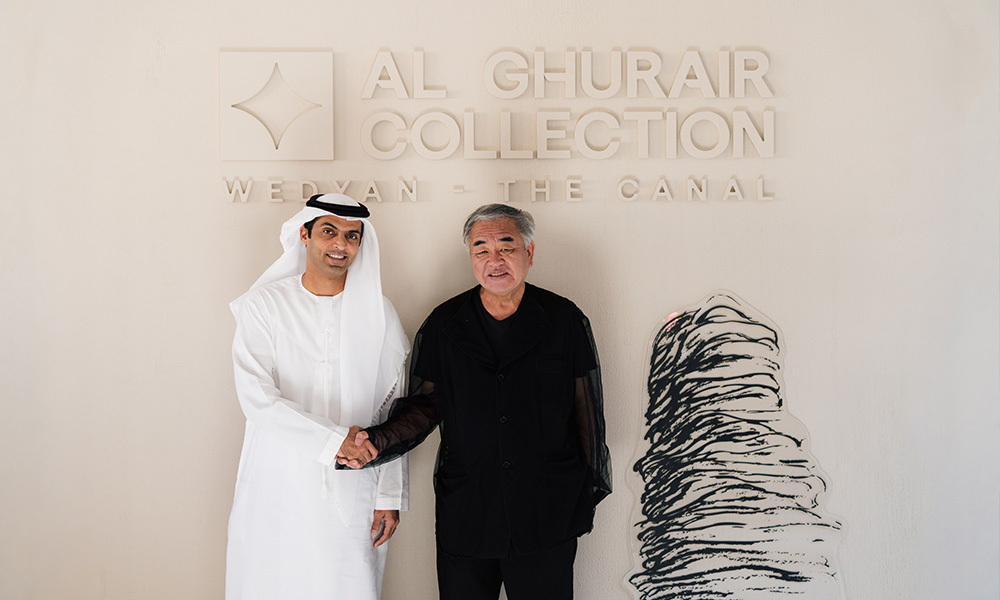
Al Ghurair has introduced the Al Ghurair Collection, which is billed as the super-prime residential portfolio of Al Ghurair Development, the freehold real estate division of the company.

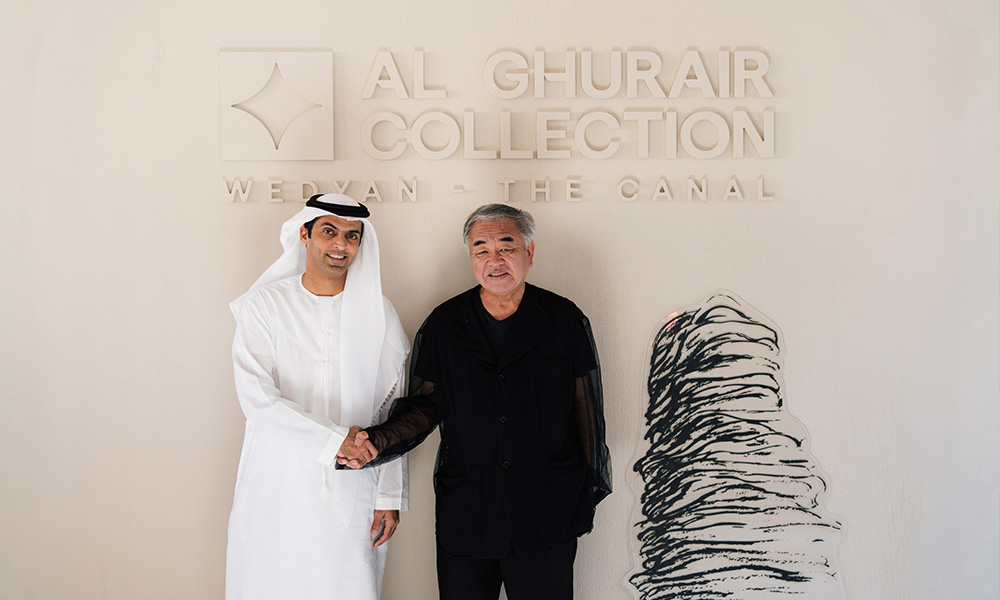
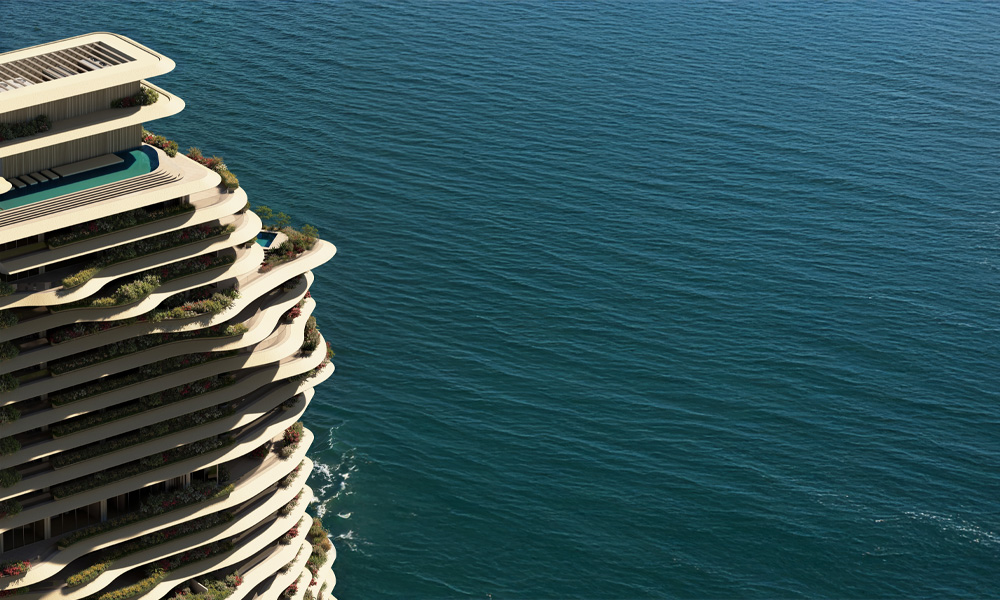
Created to represent the pinnacle of Al Ghurair’s six-decade legacy, the Collection makes its debut with Wedyan, a waterfront residence taking shape along the Dubai Canal. Designed by architect Kengo Kuma, in his first project in the UAE, Wedyan is said to deliver on Al Ghurair Collection’s commitment to originality and craftsmanship to create something never seen before in Dubai, said a statement.

Al Ghurair Collection stands as the epitome of exclusivity, offering residences of exceptional character in prime locations. The company’s track record in shaping Dubai’s evolution is unparalleled. Al Ghurair has made significant contributions in various sectors, including banking, development, foods, and mobility, it added.

Sultan Al Ghurair, CEO of Al Ghurair Development said, “Al Ghurair Collection marks a new chapter for us. It is a natural evolution of our commitment to the progress of the city. As Dubai has grown into one of the world’s most dynamic and successful destinations, and is increasingly drawing sophisticated residents from all over the world, the time felt right to introduce what we feel is the ultimate expression of exceptional living to be found here. We created Al Ghurair Collection to develop buildings that don’t exist elsewhere. Our search for an architect that shares our commitment to originality and obsession with detail led us to Kengo Kuma, a visionary with a truly unique design perspective.”

John Iossifidis, Group CEO of Al Ghurair added, “The launch of Al Ghurair Collection represents a defining milestone for Dubai’s real estate sector and reflects Al Ghurair’s future-focused strategic vision. We enter this space with the strength of a legacy built over six decades, anchored in trust, innovation, and an uncompromising commitment to quality and excellence.”

“Al Ghurair Collection will bring a fresh perspective to the market, powered by the integrated capabilities of our diversified business. Our mission is clear: to create visionary projects, build with purpose, and deliver spaces that provide enduring value, financially, socially, and culturally, for generations to come,” he added.

Soaring 46 storeys high, Wedyan will feature 149 residences with a mix of three-, four-, and five-bedroom layouts, two full-floor penthouses and a three-storey sky villa. Some of the key features include generous outdoor living spaces purposefully designed to be multi-functional, for maximum comfort and liveability; additional back-of-house kitchen with separate access alongside the main kitchen, perfect for hosting catered dinner parties; and specialised glazing that protects owners’ artworks from UV rays. A selection of residences also come with standalone Japanese teahouse-inspired pavilions; easily adapted to suit residents’ needs, they could make the perfect setting for morning meditations or serve as a one-of-a-kind recording studio, the statement outlined.

Designed by Kengo Kuma and with its name meaning ‘valleys’, Wedyan is envisioned as a future landmark, marking his first project in the UAE. Kuma San, celebrated for cultural works such as the Japan National Stadium in Tokyo and the China Academy of Art’s Folk Art Museum, is recognised globally for an approach that harmonises architecture with nature. At Wedyan, he has applied this approach by shaping a façade inspired by the movement of water and sand. Its layered profile and textured exterior, echoes the rhythm of the desert and valleys, creating a building without precedent in the city, it explained.

Kengo Kuma remarked, “Wedyan is a dialogue between Japanese aesthetics and the context of Dubai. Our design philosophy is to connect and create a conversation between architecture, nature and people. In this project, our purpose is to bring softness to the design and to create quietness through shadows that cascade and reflect across the façade, terraces and amenity spaces. Collaborating with Al Ghurair has been exciting. They understand the value of design, and we share a mutual respect that naturally led to a positive harmony in bringing Wedyan to life.”

The post Al Ghurair Development launches Al Ghurair Collection appeared first on Middle East Construction News.


Source: ME Construction News

Craig-Lambert-io-1.jpg

October 15, 2025 foasummit0

i/o atelier has announced the appointment of Craig Lambert as Regional Managing Director for Saudi Arabia. Based full-time in Riyadh, Lambert will oversee the firm’s operations in the Kingdom, strengthening client partnerships and expanding i/o atelier’s innovative presence across the region.

Saudi Arabia’s construction market boasts a substantial value of over US $141bn and is projected to experience remarkable growth, with a compound annual growth rate (CAGR) exceeding four percent over the next five years. The residential sector is driven by Vision 2030’s goal of increasing home-ownership to 70% by 2030, supported by initiatives like the Sakani program, said a statement from the firm.

The hospitality industry is experiencing rapid expansion, with the Kingdom expected to add over 275,000 hotel rooms by 2030 to meet the growing demand for tourism. Commercial real estate is also witnessing unprecedented investment, with major mixed-use and office developments underway across Riyadh, Jeddah, and the Red Sea coast. This surge in development creates a strong demand for intelligent, sustainable, and future-ready design solutions, it added.

With over 25 years of international experience, Lambert has delivered workplace, commercial, and development projects for global organisations. His career spans senior leadership roles at institutions such as JLL, Goldman Sachs, the London Stock Exchange, BT, and Lloyds Banking Group.

The firm said it is aiming to change the design practice landscape and said it operates at the intersection of architecture, interiors, UX/UI product design, and urban systems. i/o atelier’s innovative hybrid model integrates architects, engineers, interior designers, and urban planners with machine learning engineers, UX/UI specialists, and data scientists, the firm said.

This collaborative approach enables the studio to anticipate user behaviors, model outcomes, and optimise environments. By doing so, i/o atelier creates spaces that not only inspire but also perform well. This unique approach allows the studio to develop culturally resonant and globally benchmarked solutions, it added.

“Saudi Arabia is at the epicentre of global transformation, with bold ambitions for the future,” said Steven Charlton, CEO and Founder of i/o atelier. “Craig’s appointment underscores our long-term commitment to the Kingdom. He is a proven leader who blends creative intelligence with delivery rigour, and his presence in Riyadh strengthens our ability to partner with clients on visionary projects that shape the nation’s future.”

Lambert stated, “I’m excited to join i/o atelier at such a pivotal moment for Saudi Arabia’s transformation. The Kingdom’s scale of ambition and investment in residential, hospitality, and commercial development is unparalleled. I look forward to working alongside Steven and the wider team to bring intelligent, data-driven design solutions that support Vision 2030’s goals and create environments that perform for people, business, and culture.”

Under Lambert’s leadership, i/o atelier will deepen its presence in Riyadh and across the Kingdom, supporting ongoing projects while unlocking new opportunities in line with Vision 2030. The firm aims to set new benchmarks in sustainable, intelligent design for residential communities, hospitality destinations, and commercial hubs, delivering projects that combine cultural authenticity with innovation, the statement concluded.

The post i/o atelier appoints Craig Lambert as Regional Managing Director for Saudi Arabia appeared first on Middle East Construction News.


Source: ME Construction News

Mondrian-Al-Marjan-Island-1.jpg

October 15, 2025 foasummit0

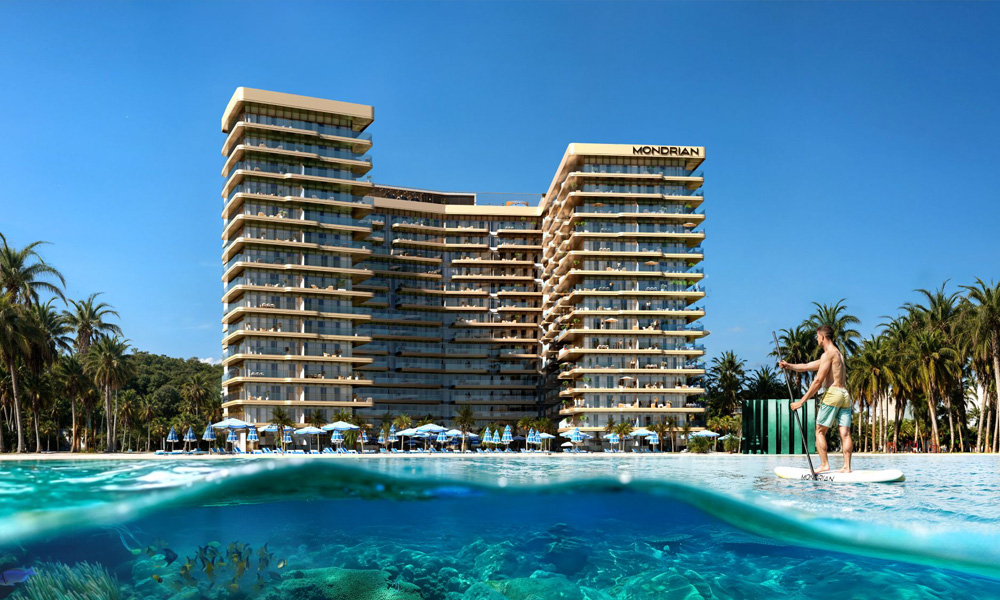
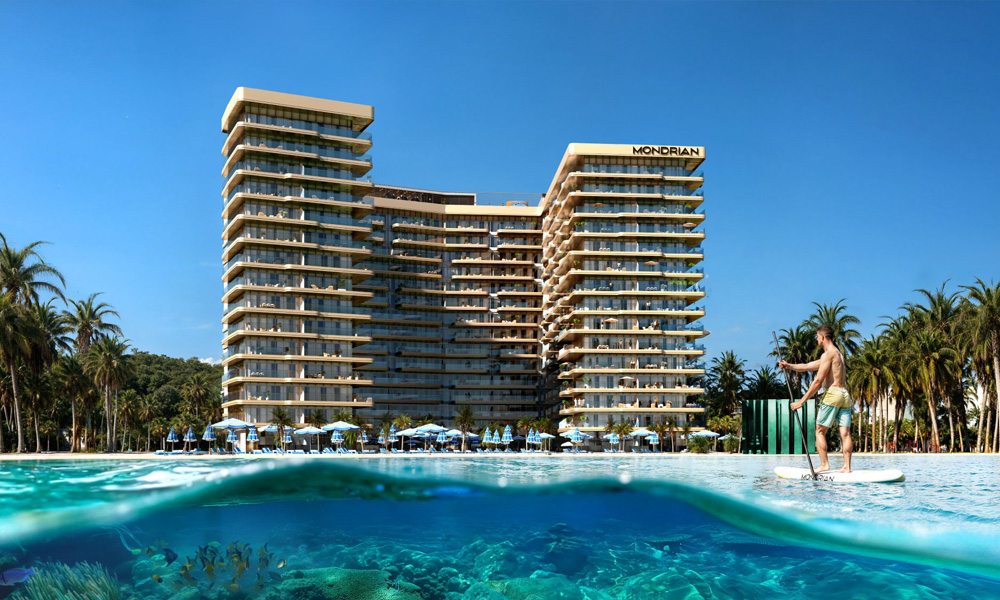
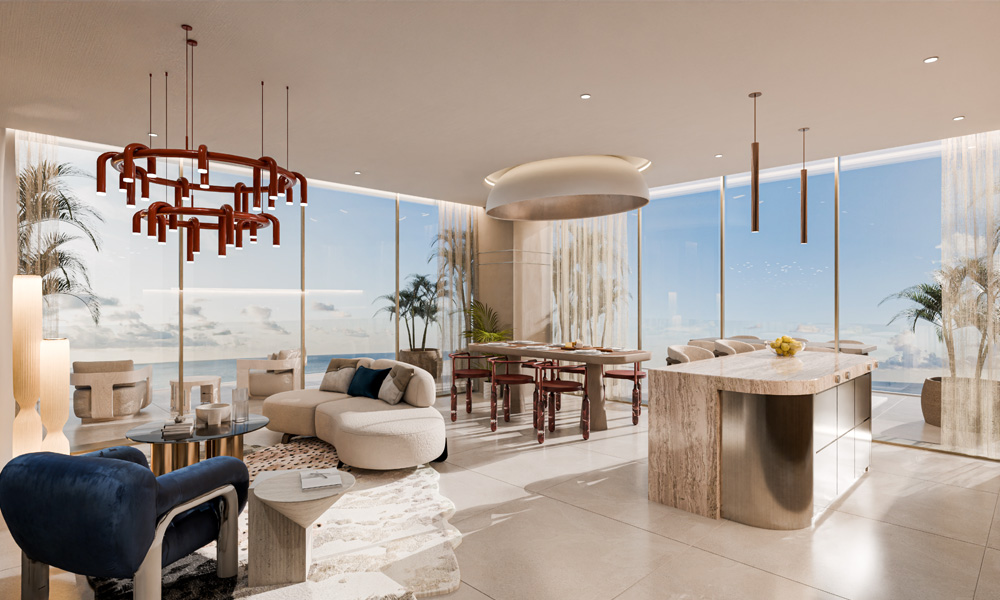
London-based interior designers Bergman Design House have unveiled their completed design vision for Mondrian Al Marjan Island Beach Residences.

Developed by ELEVATE in partnership with hospitality company Ennismore, the project is now nearing its launch with the unveiling of its interiors. Bergman Design House, known for its exclusive private villa and beach house designs, is making its first branded residence project in the region, setting a new benchmark for luxury residential and hospitality living, said a statement.

Zeeshaan Shah, Founder of ELEVATE said, “Our vision with ELEVATE has always been to craft developments that are more than addresses they are destinations. Partnering with Ennismore and Bergman Design House on Mondrian Al Marjan Island Beach Residences allows us to deliver an experience that blends design excellence, curated living, and world-class hospitality in a way the region hasn’t seen before.”

Marie Soliman, Founder & Creative Director of Bergman Design House added, “With Mondrian Al Marjan Island Beach Residences, we wanted to create a place where every corner tells a story, where residents feel both the comfort of home and the thrill of discovery. It’s a living canvas, inspired by the sea and designed to evolve with its community.”

Mondrian Al Marjan Island Beach Residences rises against the backdrop of Al Marjan Island, where the Arabian Gulf meets Ras Al Khaimah’s future gaming and leisure destination. Conceived as more than just a residential address, it is a curated lifestyle experience that unfolds as a cultural gallery and social hub. Each space is designed to inspire, connect, and endure, the statement added.

The development will feature over 60,000sqft of resident amenities, and the lobby was designed to transcend its function as an arrival point, transforming into an immersive gallery that showcases rotating exhibitions by global and regional artists, complemented by digital installations. The Sky Lounge offers panoramic views, innovative mixology, and interiors designed for both intimate conversations and grand celebrations, it continued.

Residents will enjoy 17,000sqft of indoor-outdoor wellness spaces, including championship-level training zones, a yoga and Pilates studio, treatment rooms, a sky padel tennis court, and a recovery suite equipped with a sauna and ice bath. This wellness hub integrates into daily life, fostering a holistic approach to well-being.

Mondrian’s pool is over 200ft above sea level, while the adults-only Infinity Sky Pool is expected to redefine Ras Al Khaimah’s skyline. With its finishes and uninterrupted Gulf views, each sunset transforms into a breathtaking spectacle. The beachfront transforms into a lifestyle destination, featuring art-adorned pools, private cabanas, immersive installations, and an upcoming beach restaurant, the statement said.

The Mondrian Al Marjan Island Beach Residences will offer a diverse range of residences including penthouses. The penthouses will have wrap-around glass walls, marble finishes, private terraces, and spa-like bathrooms. Apartments will feature smart layouts, views of the sea, and coastal-inspired palettes complemented by sculptural lighting, transforming each home into a personal art piece, it added.

The post Bergman Design House unveils interiors for Mondrian Al Marjan Island Beach Residences appeared first on Middle East Construction News.


Source: ME Construction News

Sangeetha-B-Amantra-FM_1000x600-1.jpg

October 15, 2025 foasummit0

High-rise cities have changed the fire problem. Traditional programs like periodic inspections, component sign-offs, and tidy paper trails were built for simpler buildings and milder climates. In today’s towers, they leave gaps that only appear when an alarm tests the entire system at once. If our goal is predictable behaviour when it matters, we have to move from checklist compliance to system performance, and run buildings as living assets rather than static installations.

Vertical cities changed the problem statement

Rapid vertical growth has multiplied the interfaces where fire and smoke can travel. Where combustible materials exist – within the envelope, at interfaces, or simply in accumulated contents – the outcome depends on how the whole system holds together. A single certificate tells you little about that interaction.

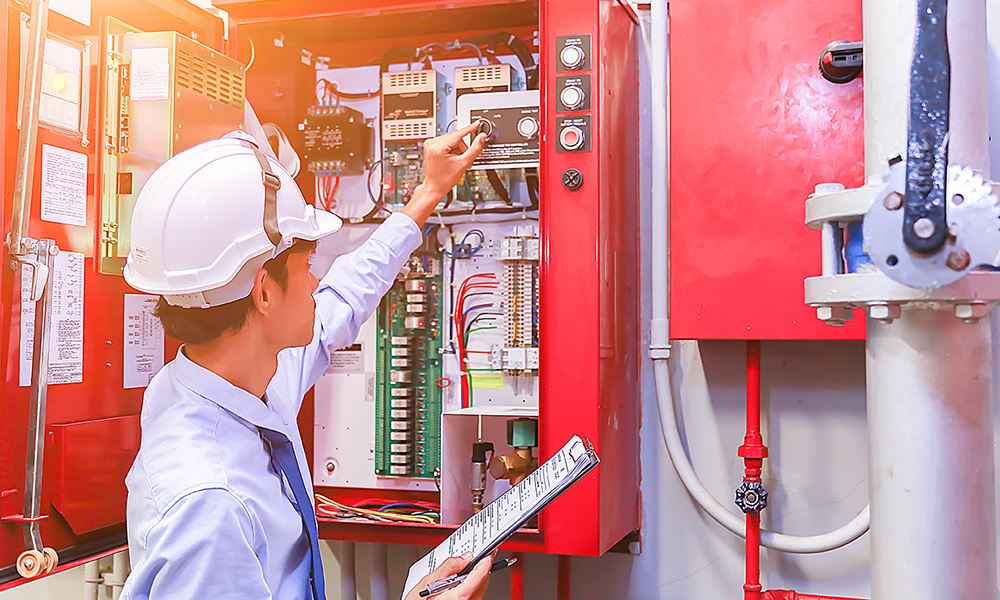
In practice, doors and stair pressurisation decide whether people move through cool, clearable air or meet heat and resistance. Dampers and control logic shape the path of smoke as conditions change floor by floor. Compartment integrity decides whether a small event stays local or becomes a building problem. Traditional regimes focus attention on individual parts: the detector that responds to spray, the pump that meets nameplate, the door that closes when nudged. They do less to confirm how those parts behave together under load.

That is why integrated system testing must become routine. End-to-end exercises that measure pressure differentials, door forces, fan response, damper positions, and clearance times provide evidence that sequences work in the building as it is, not as it was drawn. The numbers matter. A stair that cannot hold target pressure with two doors open during a drill is an operational risk even if every device carries a stamp.

Facades need the same level of stewardship. Product assurance at install is only the first step. Interfaces evolve – signage fixings, balcony retrofits, window-cleaning anchors, cable penetrations for new tenants. Smoke control interacts with these details in ways drawings never fully capture. Keeping an as-built register, documenting repairs with photographs, and inspecting interfaces on a defined cycle turns facade safety into a managed process instead of a one-off pass.

Climate is an operating condition

Extreme heat and persistent dust are the baseline in the Gulf. They change how plant and equipment perform. Detector sensitivity drifts, filters load faster than maintenance schedules expect, fan curves shift with temperature, and seals that were tight in the lab may lose their bite after a season. In this environment, drift is the norm, and drift erodes performance quietly.

Programs need to acknowledge that reality. Set-points should be climate-aware. Filtration is not a housekeeping line item, it is a safety parameter. Rebalancing should be measured work, not an occasional favour after a complaint. Where differential pressure is the safety mechanism, measure it, record it, and correct it before it slips below target. Align preventive maintenance with the months that stress equipment most, not with procurement anniversaries.

None of this is exotic. It is the discipline of operating a complex asset in a demanding environment. It is also the reason generic maintenance contracts can fall short. Towers deserve programs that recognise climate as an input, not a backdrop. When the plant is tuned to local conditions, the building holds its shape under stress instead of surprising the teams who run it.

Close the data gap

Many portfolios still run on snapshots like a stack of certificates or a periodic report. Real events do not happen at report intervals. They develop minute by minute, and their precursors live in everyday signals. Without clean, continuous data, these patterns stay invisible.

The solution is less about buying tools than about treating information as part of the plant. Start with inventory hygiene: consistent device names, location tags that match reality, and current cause-and-effect matrices. Without that, analytics chase ghosts and operators lose trust in the panels. Feed faults and impairments directly into work orders with response time expectations, closure notes, and simple root-cause tags. Review the data weekly with the people who close those tickets. Look for repeat offenders by device and by location. Retire the idea that faults are background noise. A panel that sends a hundred troubles a month is describing how the building might behave when the system is under load.

When coverage is sufficient and the signals are clean, real-time analytics earn their place. Models can link minor, recurring panel troubles to a subtle drift in stair pressure, or show that nuisance alarms spike whenever a certain layout or seasonal condition appears. Remote monitoring adds speed. The value is not the dashboard but the cycle time between detection and remedy, and a steady reduction in false alarms that dull operator response.

Artificial Intelligence (AI) helps when mechanisms are sound, data is clean, and teams act on what the models reveal. It does not replace the fundamentals. Doors must still latch and dampers must still move on command. Fans must hit targets. Drills should reflect the building you actually operate: night-shift exercises, a muted PA zone, one stair temporarily out of service. Capture lessons and update SOPs the same week.

What good measures can look like

In portfolios that cope well under alarm, acceptance is treated as a starting point. Change must be handled as part of operations. Fit-outs, retail turnovers, and small MEP tweaks create drift. The better teams keep simple controls that surface it early and close the loop quickly. When repeat alerts cluster on a riser or at a single floor, they’re read as signals about reliability and, by extension, about how the system might perform under load.

Procurement and budgeting follow the same logic. Where contracts reward stability and responsiveness, reliability tends to improve without theatrics. Targeted adjustments – door hardware kept in calibration, dependable damper actuation, panels that produce clean data, fan resilience at critical nodes – often deliver greater stability than headline replacements. Climate shows up in the numbers. Filtration and seasonal rebalancing are funded as operating needs, not afterthoughts. And the information layer is treated as part of the plant. When those basics are in place, analytics help teams act sooner and drills teach the building as it is, not as it was drawn.

Traditional approaches are failing because they were designed for a different kind of building and a different climate. Towers ask us to think in systems and operate with evidence. The answer is routine discipline, done well and done often. It calls for steady work. When those habits are in place, fire safety becomes a property of the whole, and behaviour in an alarm becomes predictable. That is the standard vertical cities deserve.

The post Why traditional approaches to fire safety are failing appeared first on Middle East Construction News.


Source: ME Construction News

Samana-1.jpg

October 15, 2025 foasummit0

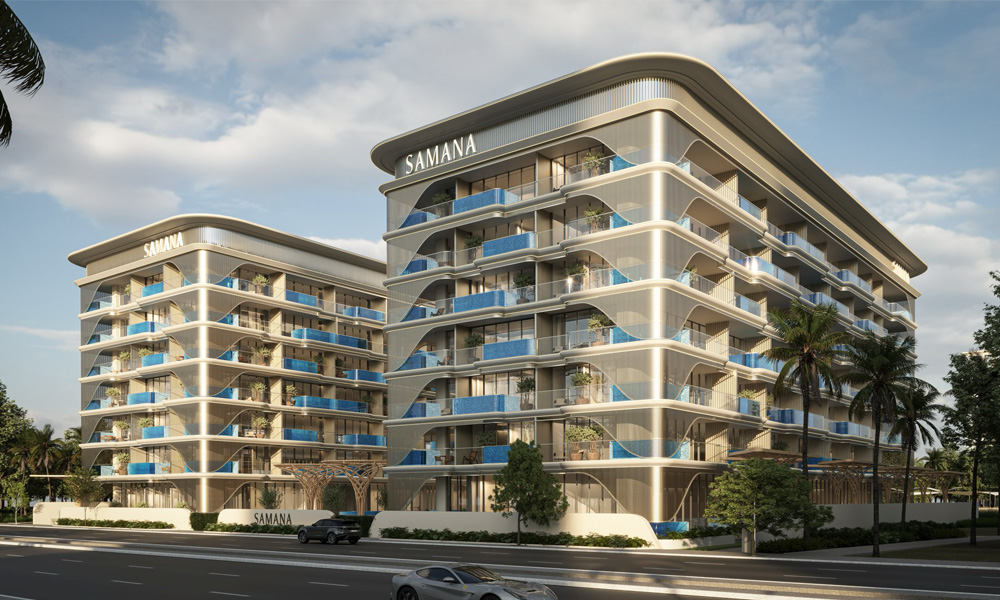
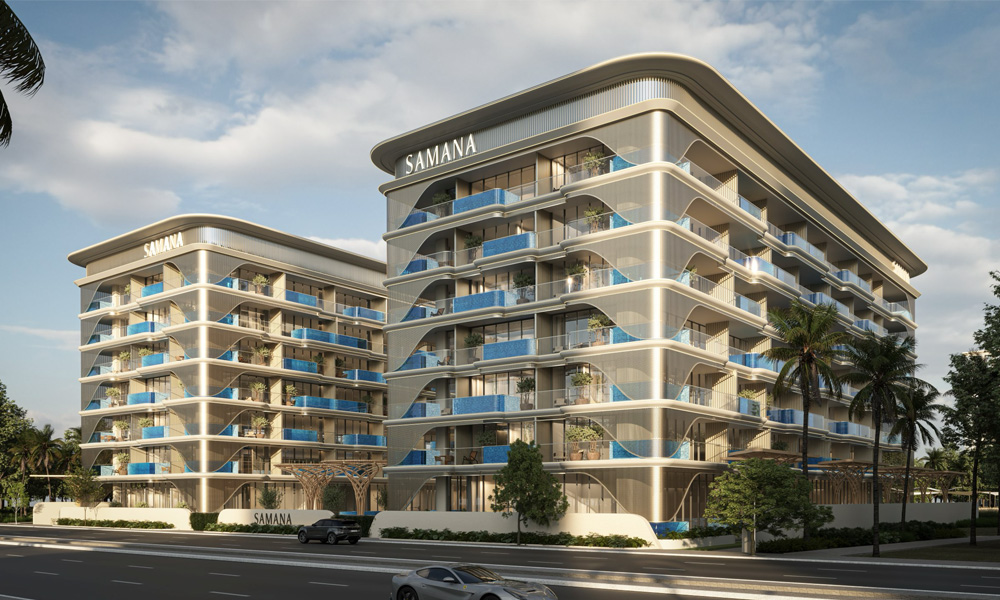
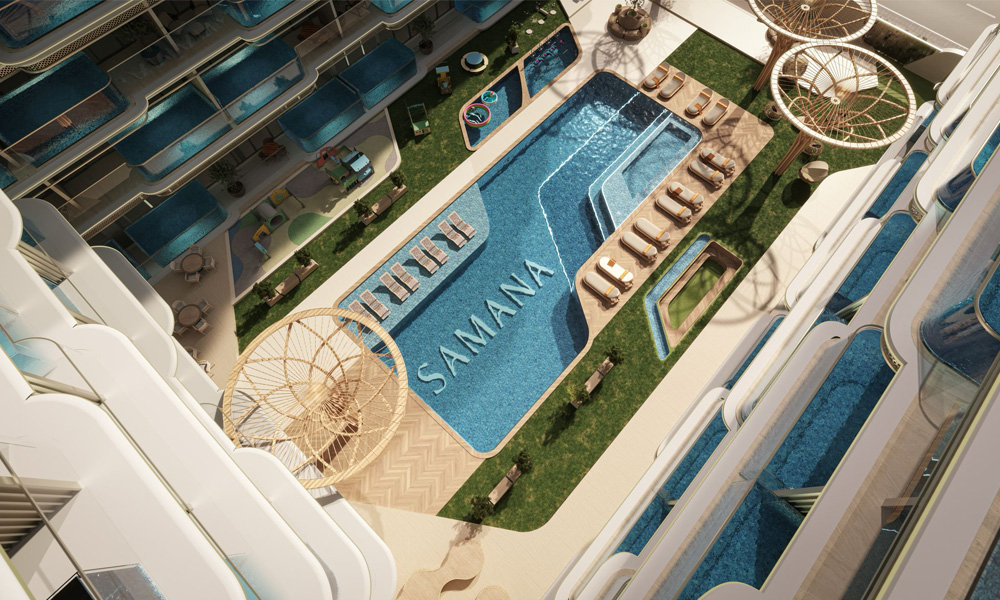
Samana Developers has unveiled its latest residential project, SAMANA Imperial Garden. The project aims to introduce resort-style luxury to the Arjan district by introducing the ‘Flexible Homes’ concept, and will be developed at an investment of US $108.4mn.

The project is expected to offer 344 premium residential units that will be handed over in 2029. A unique feature of this development is the use of integrated smart furniture, which maximises space and adaptability, meaning a studio can convert to a one-bedroom, a one-bedroom to a two-bedroom, and so on, the developer said.

The launch is said to reinforce Samana Developers’ market position, securing its status as one of Dubai’s top five off-plan developers in the first half of 2025. This success stems from a devotion to innovation and quality, it added.

CEO Imran Farooq said, “We believe that to offer uncompromised luxury and firm delivery schedules, you must be the master of your own process. This is why Samana fully integrates its design, engineering, and construction… SAMANA Imperial Garden is the direct result of that dedication, guaranteeing investors a truly premium asset in a prime location like Arjan.”

Positioned as a celebration of sophisticated garden living, the architecture draws inspiration from its prime Arjan location, near the Dubai Miracle Garden. Strategically positioned at the nexus of Sheikh Mohammed Bin Zayed Road and Umm Suqeim Road, the address provides superb urban connectivity alongside a sense of tranquillity, the developer said.

The residences are pioneering with their ‘Flexible Homes’ concept and cleverly designed studio, one, and two-bedroom units that can be reconfigured to adapt to an owner’s changing needs, thereby future-proofing the investment. Further defining the luxury offering, a significant number of apartments feature Samana’s signature flourish: private swimming pools set into sun-drenched balconies, the statement explained.

Complementing these amenities are wellness facilities, including an indoor and outdoor gymnasium, as well as spaces for yoga and meditation. Social life is catered for by an outdoor cinema, a library lounge, and dedicated BBQ and hammock gardens.

The post Samana Developers unveils SAMANA Imperial Garden appeared first on Middle East Construction News.


Source: ME Construction News

Dubai-Healthcare-Authority-1-1.jpg

October 14, 2025 foasummit0

Dubai Healthcare City Authority (DHCA) has unveiled a US $354mn development plan for DHCC Phase 1. This initiative aims to solidify Dubai’s position as a destination for global healthcare investment.

The first phase of this comprehensive plan will witness the launch of a LEED platinum-certified office building, a purpose-built medical complex, and supporting infrastructure facilities. These facilities are designed to foster robust ecosystem growth and ensure the delivery of future-ready healthcare facilities.

Issam Galadari, Chief Executive Officer of Dubai Healthcare City Authority said, “Our upcoming development plan, starting with these flagship projects, reflects our commitment to contribute to shaping the future of healthcare infrastructure in Dubai. By creating an ecosystem that attracts investments, including FDI, and fosters innovation, while integrating sustainability with world-class design, we are aligning with the Dubai Economic Agenda, D33, and the UAE Net Zero Strategy 2050. Through the ongoing development, we will continue to cement DHCC’s position as the enabling healthcare and wellness destination for the region and beyond.”

Allae Almanini, Chief Operating Officer at Dubai Healthcare City Authority added: “Our priority is to deliver infrastructure that enables growth and creates confidence for healthcare providers and investors. These projects will enhance accessibility, sustainability, and efficiency across the community, ensuring that DHCC remains the most attractive healthcare investment destination in the region.”

The LEED platinum-certified office building, the first of its kind in DHCC, is designed by P&T Architects and Engineers. Spanning 13,000sqm across three basement levels and nine floors, it offers a flexible mix of office units and ground-floor commercial spaces, setting a new standard for sustainable urban development while achieving the highest international certification, said a statement.

Alongside this, the purpose-built medical complex, which was designed by Dubai-based Design and Architecture Bureau (DAR), is an anchor project covering 5,800sqm. With two basement levels and five floors, it provides adaptable spaces for surgical facilities, laboratories, diagnostics, outpatient facilities, medical offices, and support services. Its shell-and-core design, optimised layouts, and smart parking integration ensure long-term flexibility to meet the evolving needs of both healthcare providers and patients.

To complement these projects and enhance community accessibility, the Department of Housing and Community Affairs (DHCA) is also constructing multi-storey car parks equipped with electric vehicle charging stations, Salik-integrated smart parking, and full accessibility features. Construction is scheduled to begin in December 2025, with completion anticipated for November 2027.

The post Dubai Healthcare City Authority unveils $354mn development plan for DHCC Phase 1 appeared first on Middle East Construction News.


Source: ME Construction News

The-Royal-Stables-Abu-Dhabi-1.jpg

October 14, 2025 foasummit0

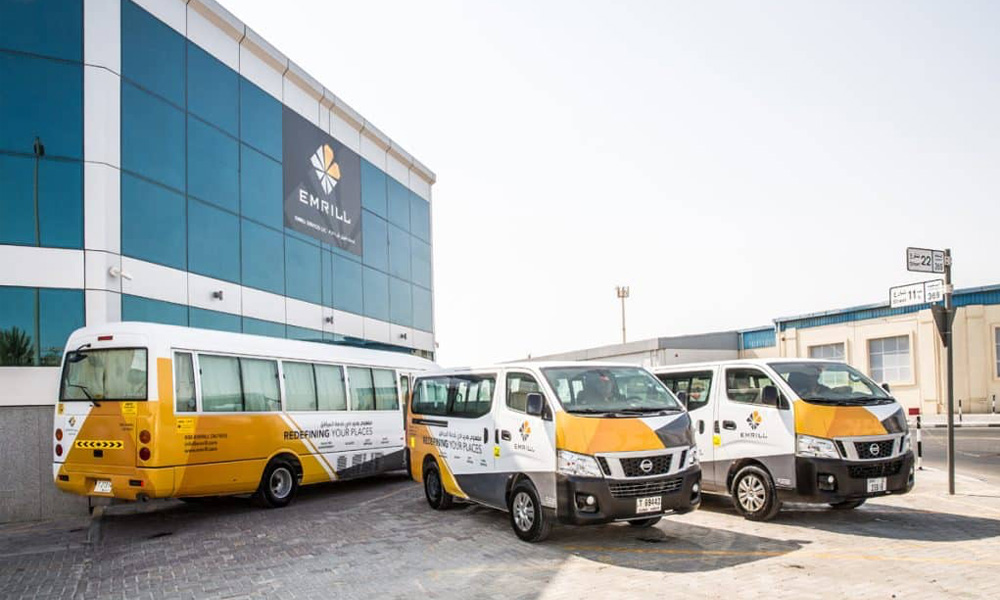
Emrill has secured a three-year contract to deliver comprehensive MEP services, including mechanical, electrical, and plumbing (MEP) work, as well as housekeeping services at The Royal Stables, an equestrian facility in Al Mushrif, Abu Dhabi.

The Royal Stables stands as a lifestyle destination, blending equestrian heritage with wellness and nature-based experiences. Established in 1969 this estate embodies the UAE’s rich heritage and its commitment to community well-being and environmental sustainability, said a statement.

“We are honoured to be selected as the facilities management partner for The Royal Stables. This unique project reinforces Emrill’s reputation for delivering exceptional service in specialised environments. Our dedicated team is committed to supporting the on-site comfort, safety and wellbeing of all residents, both human and equine,” said Stuart Harrison, Emrill’s CEO.

Laura Richardson, General Manager at The Royal Stables added, “The Royal Stables is a unique destination where equestrian tradition meets wellness, nature and community. As we redevelop the estate to include world-class facilities such as a luxury Members’ Club, spa, boutique hotel and indoor arena, maintaining the highest standards across every aspect of the property is a key priority. Emrill’s experience and commitment to excellence make them a trusted partner in supporting our vision to create a peaceful, welcoming and exceptional environment for all who visit.”

The contract bolsters Emrill’s presence in the capital and solidifies its reputation for delivering exceptional service across various sectors, including high-end residential communities, commercial developments, and culturally significant assets. Spanning an expansive 32ha of forest and botanical gardens, The Royal Stables offers a diverse range of modern equestrian, lifestyle, and wellness facilities, catering to families, outdoor enthusiasts, and cultural explorers alike.

As part of this contract, Emrill will deploy a team of skilled and experienced facilities management professionals, ensuring the delivery of essential services across the vast estate. Emrill’s systems, operational expertise, and technology-driven service delivery will facilitate day-to-day operations, while upholding the highest standards of hygiene, care, and sustainability, the statement concluded.

The post Emrill secures facilities management contract for The Royal Stables, Abu Dhabi appeared first on Middle East Construction News.


Source: ME Construction News

Norman-McComb-1.jpg

October 14, 2025 foasummit0

+impact, Serco’s advisory business, has appointed Norman McComb as Sustainability Advisory Director to drive its sustainability agenda in Saudi Arabia and support the Kingdom’s Vision 2030 transformation.

With over two decades of international experience in capital project delivery, climate adaptation, and large-scale transformation programs, McComb has played a pivotal role in national development, climate, energy, and infrastructure initiatives across various regions, the firm said.

Prior to joining +impact, he held the position of Sustainability Director at EY Consulting in Saudi Arabia. In this role, he provided expert advice to government entities and major organisations on effectively implementing sustainability strategies to achieve transformational outcomes within national development programs and large-scale infrastructure projects.

McComb commented, “I joined +impact because it’s unlike any other advisory firm, our strategies are shaped by real operational experience. Backed by Serco’s track record delivering complex government and critical infrastructure services, we don’t just design solutions, we know how to make them work in practice.”

“Saudi Arabia’s growth trajectory is at the forefront of the sustainable economic development conversation. I look forward to supporting clients in delivering projects that not only advance national priorities but also create a lasting positive impact for future generations,” he added.

Phil Malem, CEO of +impact and Serco Middle East said, “We are delighted be expanding our +impact team and welcome Norman to the business at a time when Saudi Arabia is delivering some of the world’s most ambitious sustainability projects. His expertise will strengthen our ability to support Vision 2030 by turning ambition into measurable outcomes.”

In his new position, Norman will collaborate with clients from diverse sectors, including transitioning industries, future cities, and critical national infrastructure. His primary focus will be on translating Saudi Arabia’s Vision 2030 sustainability aspirations into tangible and practical delivery outcomes.

Additionally, he will ensure that sustainability is integrated into every aspect of +impact’s services. This deep expertise in-house not only strengthens Serco’s new and existing public services operational contracts but also guarantees the business remains fully accountable for its ESG goals.

The post +impact appoints Norman McComb as Sustainability Advisory Director appeared first on Middle East Construction News.


Source: ME Construction News