Substation.jpeg

July 24, 2024 foasummit0

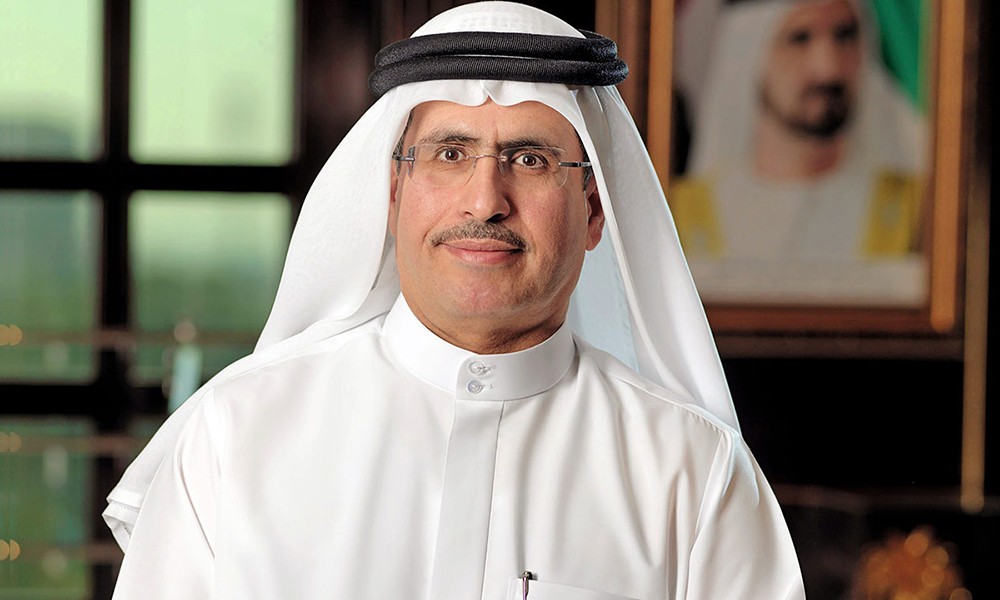
Dubai Electricity and Water Authority (DEWA) has commissioned eight new 132kV transmission substations during the first half of 2024, with a conversion capacity of 1,200 megavolt-amperes (MVA). The total costs were said to have been US $370mn.

The new commissions also included 89km of ground cable to continue to enhance the efficiency of the 132kV transmission network in Dubai and meet the growing demand for electricity across the emirate.

The new transmission substations were commissioned in Al Thanya 3, Al Barsha South 4, Wadi Al Shabak, Nadd Hessa, International City Phase 2, Wadi Al Safa 5, and Umm Suqeim 3.

Work on the substations required more than eight million working hours, all completed with a perfect safety record, using leading-edge digital technologies, DEWA noted.

This aligns with DEWA’s efforts to promote digital transformation across all its services and operations and provide innovative quality solutions according to the highest standards of availability, reliability, efficiency, and safety.

DEWA MD & CEO, Saeed Mohammed Al Tayer commented, “We continue our relentless efforts to achieve the goals of the National Strategy for Wellbeing 2031, and Dubai Social Agenda 33 to provide the best living experience and residential services that are suitable for all.”

“We also work to enhance the reliability and availability of the energy network in Dubai utilising the latest disruptive technologies of the Fourth Industrial Revolution, smart technologies, and innovative practices across all our services and operations. The total number of transmission substations across Dubai reached 382 by the end of June. This includes 27 units of 400kV substations and 355 units of 132kV substations.”

As of July 2024, the total value of the diverse projects being implemented by DEWA for its electricity transmission network exceeds $1.36bn.

The post DEWA delivers new US $370mn substation network appeared first on Middle East Construction News.


Source: ME Construction News


Alandalus-Property_1000x600-1.jpg

July 23, 2024 foasummit0

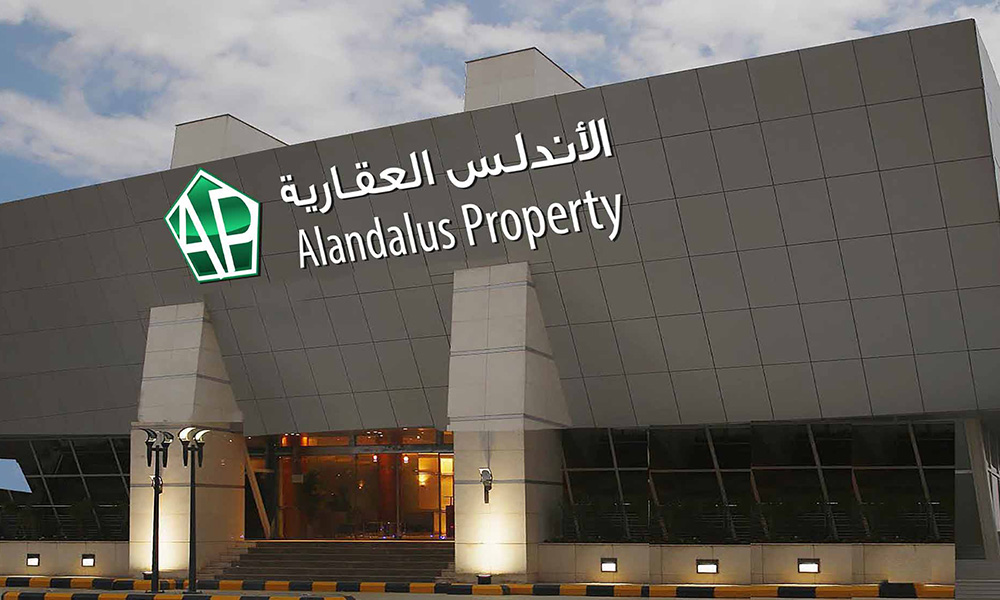
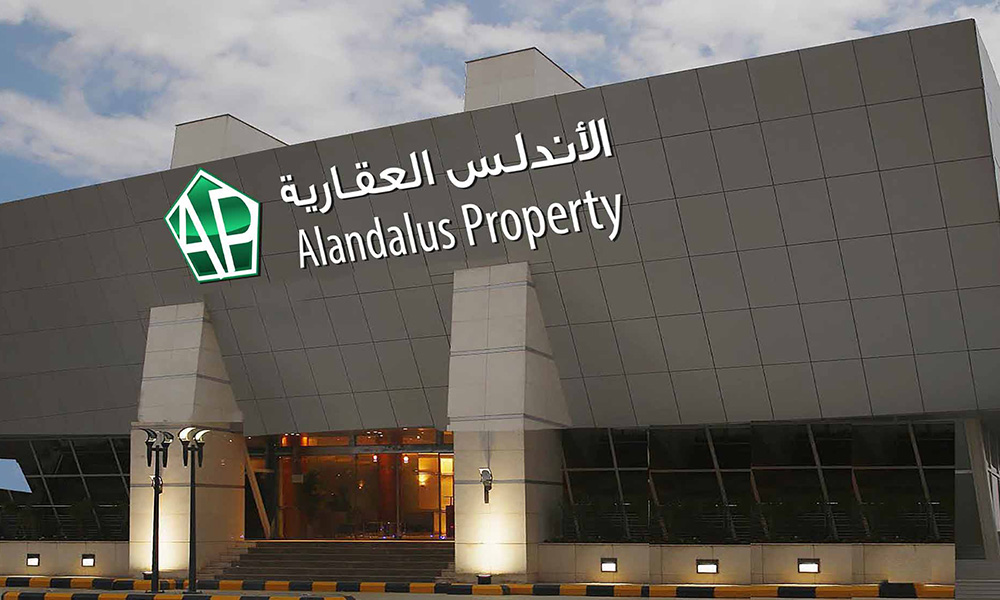
Alandalus Property has begun work on a major commercial development in the Umm Jurfan neighbourhood in Makkah, Saudi Arabia. The project is being developed at a total cost of US $221.4mn.

Once complete, the project will feature 350 rental units, including major showrooms, retail outlets, a hypermarket, an entertainment zone as well as indoor and outdoor café and restaurant, said Alandalus Property in its filing to the Saudi bourse Tadawul.

Spanning a 127,434sqm area, the property will comprise two floors and multi-level parking facilities for 1,800 cars. As per the engineering design, the project will boast an estimated rental area of 50,650sqm.

The project will be financed mainly through bank loans and partly through the partners’ own resources, and is expected to be complete in Q1, 2027.

The land was purchased by Alandalus Property through Masat Property, which the company’s owns 25% of its capital, while Buroj International Company owns the rest 75% stake. The Board of Directors of Masat Property said they signed up Hamat Holding as the project developer.

According to the developer’s report, the optimal final engineering design for the project was chosen from a group of designs prepared by the most skilled engineering offices in the Kingdom.

The post Alandalus Property begins development of $221mn commercial project appeared first on Middle East Construction News.


Source: ME Construction News


MTR1_1000x600-1.jpg

July 23, 2024 foasummit0

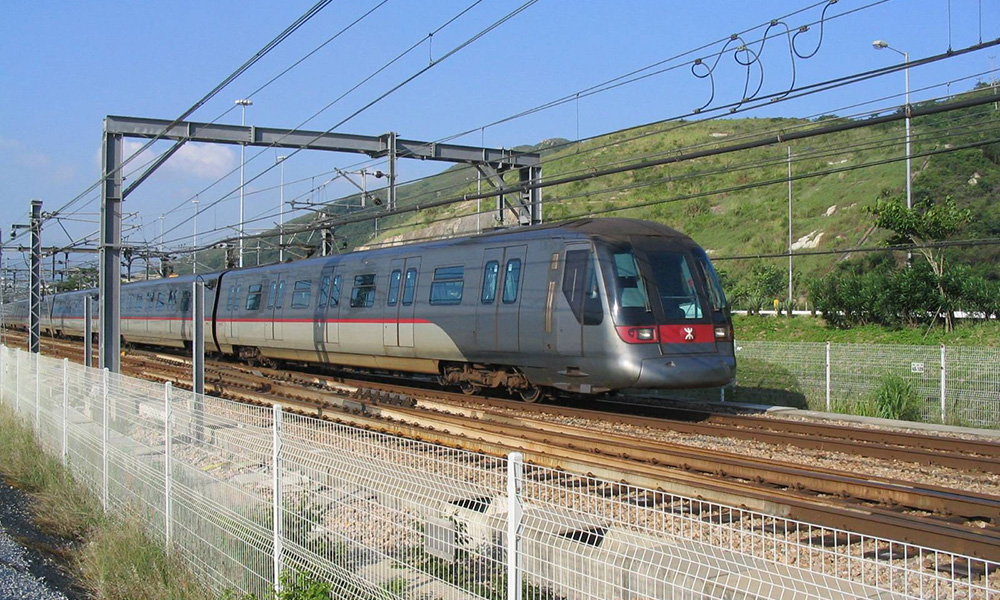
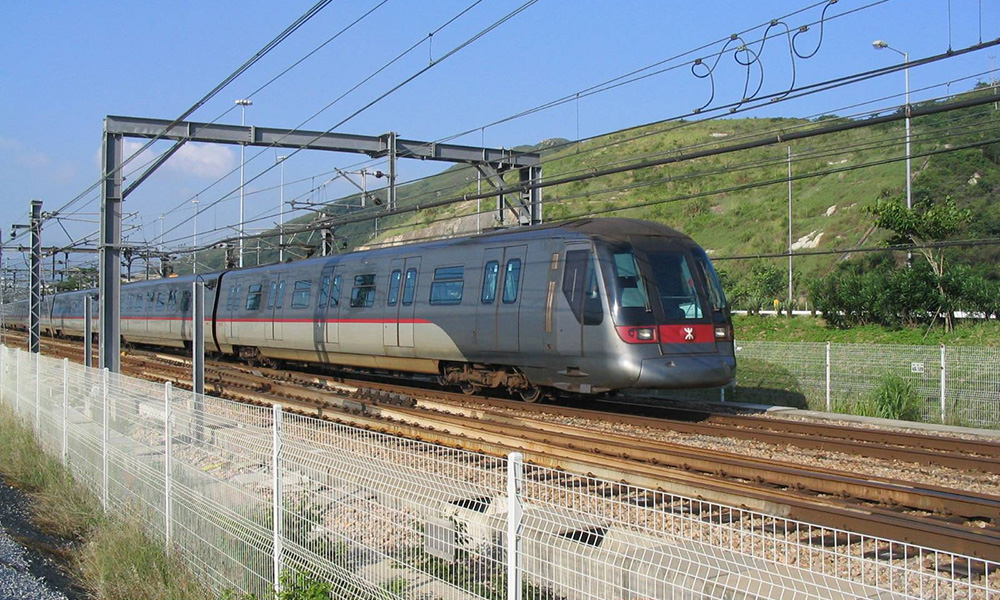
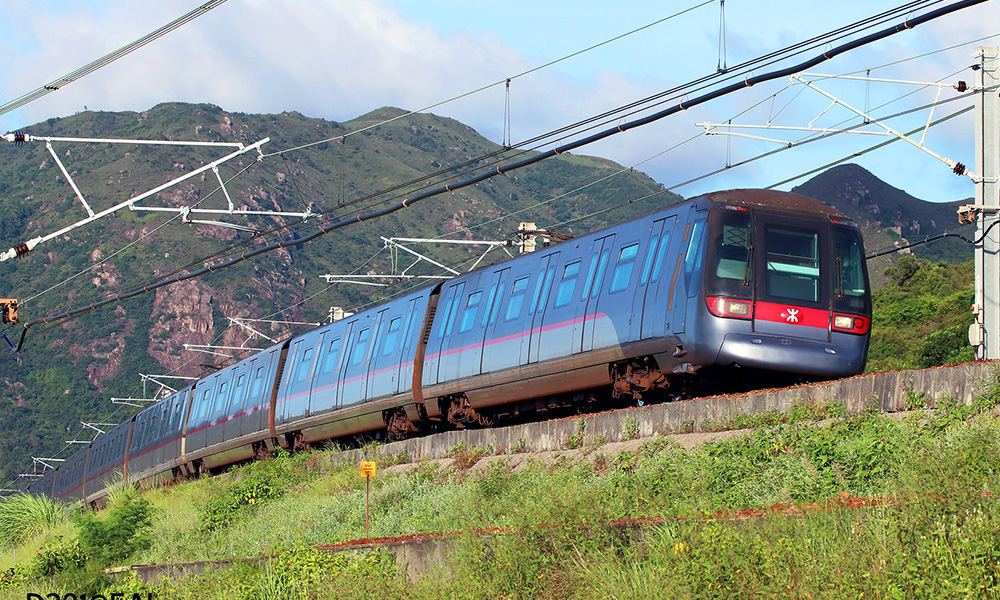
UK-based construction firm Mace has been appointed as the programme management partner (PMP) for Hong Kong’s MTR Corporation’s railway extension projects.

The MTR said that it is currently undertaking six railway projects and extensions: the Northern Link Project, Hung Shui Kiu Station, Tuen Mun South Extension, Tung Chung Line Extension, Oyster Bay Station and Airport Railway Extended Overrun Tunnel. The scope of projects is estimated to cost more than US $19bn.

Mace said it will create a project management office (PMO) to ‘enable the smooth implementation of PMO functions and digital systems to support the client’s transformational and digital project goals and vision’.

The firm said that its partnership aims to further enhance the capital works team’s PMO capability, and enable the team to establish best in class integrated project controls, digital services and NEC contracting.

Davendra Dabasia, CEO for Mace Consult, said the announcement follows preliminary consulting work done by the group. “Our work with MTR started with strategic consultancy and has grown to enable Mace to work hand-in-hand with our client,” he concluded.

The post Mace appointed as PMP for MTR railway extension projects appeared first on Middle East Construction News.


Source: ME Construction News


Construction1_1000x600-2.jpg

July 22, 2024 foasummit0

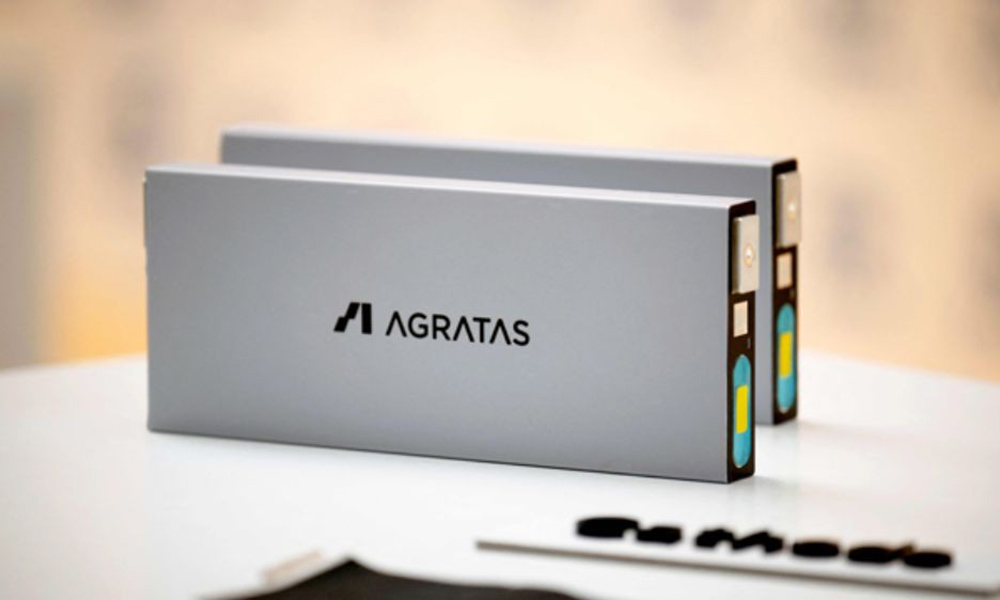
Agratas has awarded UK-based contractor Sir Robert McAlpine the contract to build a battery cell manufacturing facility in the UK. Agratas, which is Tata Group’s battery subsidiary, noted that Sir Robert McAlpine will build Building One of the facility and ancillary developments, covering a gross external built area 244,710sqm near Bridgwater in Somerset.

The contractor said it has begun preparations for the development, which is scheduled to be operational in 2026. It added that initial works have been underway onsite for several months, with piling for Building One expected to commence in the coming weeks.

The development of Building One will require approximately 2,100 construction roles at peak times, many across Tier 3 and 4 of the supply chain.

“The beginning of this partnership with Sir Robert McAlpine is another pivotal moment for our nationally significant project. The team brings an unrivalled commitment to technical excellence, client service, sustainability and exemplary project delivery, and most importantly, they live and breathe our shared vision of placing community at the heart of everything we do,” said Joe Hibbert, Vice President for Capital Projects at Agratas.

Agratas said that by the early 2030s the wider facility will contribute almost half of the projected battery manufacturing capacity required for the UK automotive sector.

Grant Findlay, Executive Managing Director for Buildings, Sir Robert McAlpine concluded, “Across our 155-year history, we have always been at the forefront of industrial change in the UK. This is why we are proud to be working with Agratas as its preferred delivery partner.”

The post Agratas awards contract for construction of UK battery cell facility appeared first on Middle East Construction News.


Source: ME Construction News


Trident-Grand-Mall-1.jpg

July 22, 2024 foasummit0

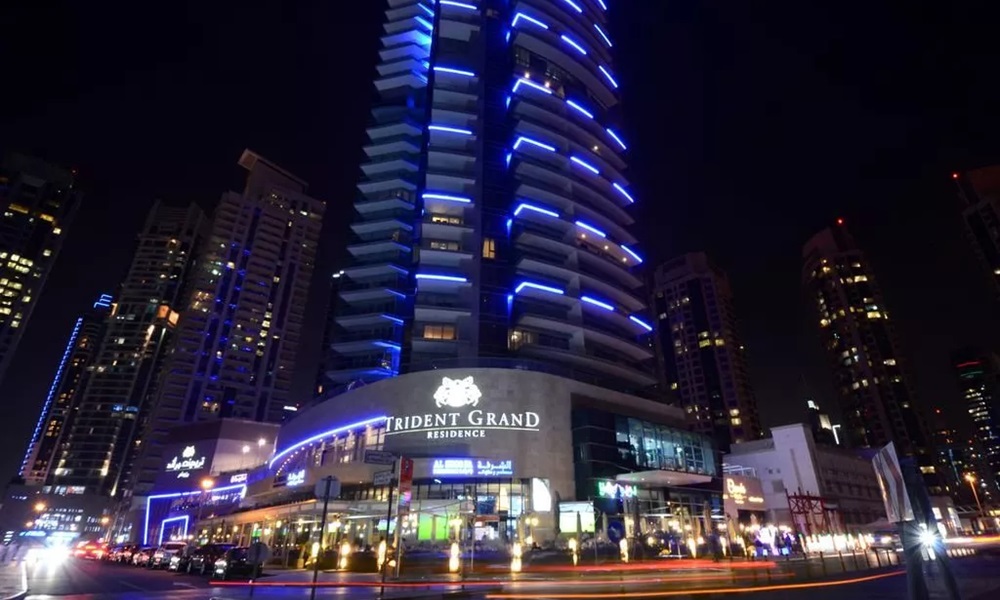
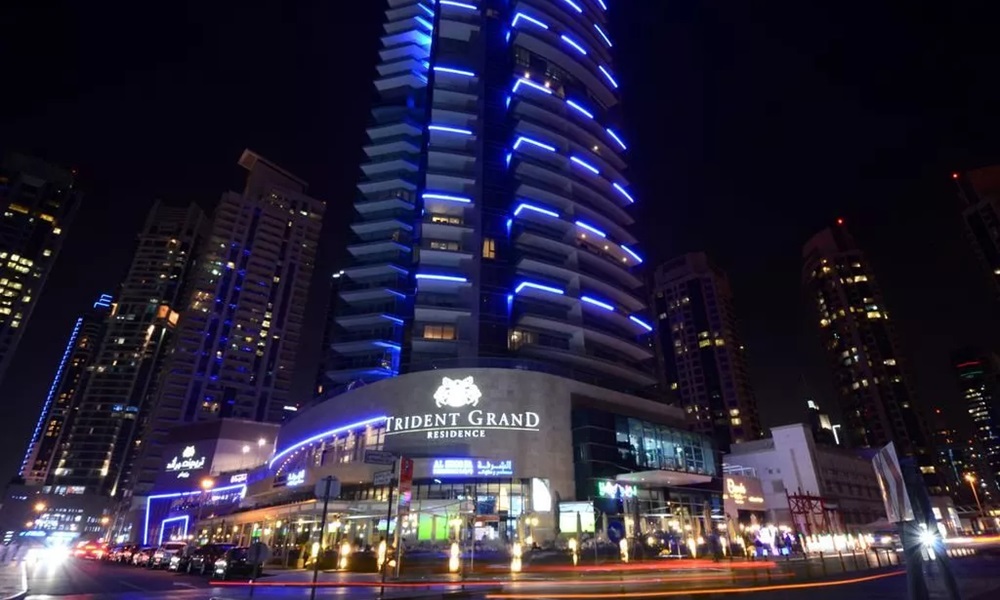
Emirates REIT has announced the sale of Trident Grand Mall. The mall is a two-floor retail component of Trident Grand Residence in Jumeirah Beach Residence, Dubai Marina.

Emirates REIT has investments principally in income-producing real estate in line with shari’a principles. It currently owns a portfolio of nine assets in the commercial, education and retail sector.

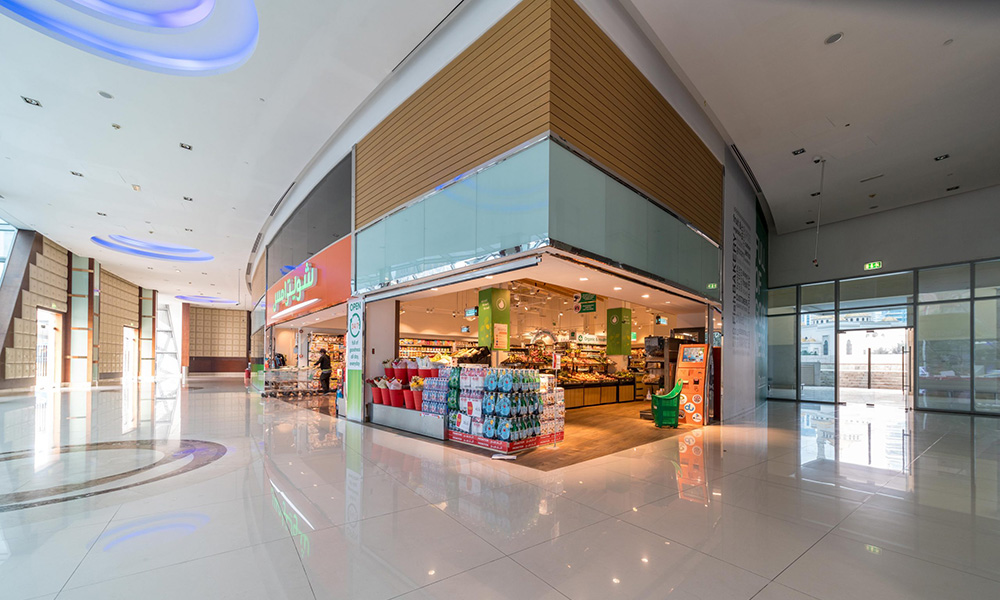
First opened in 2014, Trident Grand Mall features 22 retail units over two floors and 164 basement parking spaces. It has undergone significant repositioning of its retail offer in the last 10 years, including renovations and enhancements to the tenant mix.

According to Equitativa, the agreed purchase price is US $20mm, which is above the asset’s latest valuation. The net sale proceeds from the divestment will be used to partially redeem the secured sukuk certificates issued on 12th December 2022.

On the strategic sale, CEO Thierry Delvaux said: “We are delighted to close this transaction, which will deliver a positive outcome for Emirates REIT’s stakeholders and support our wider strategy of portfolio performance optimisation.

“The proceeds from this strategic sale will contribute to our efforts to reduce our financing costs and return more value to our stakeholders. This will ensure that Emirates REIT is positioned to deliver long-term success for all our partners.”

The post Trident Grand Mall sold for US $20mn appeared first on Middle East Construction News.


Source: ME Construction News


Sustainable-City-Yas-Island1_1000x600-1.jpg

July 22, 2024 foasummit0

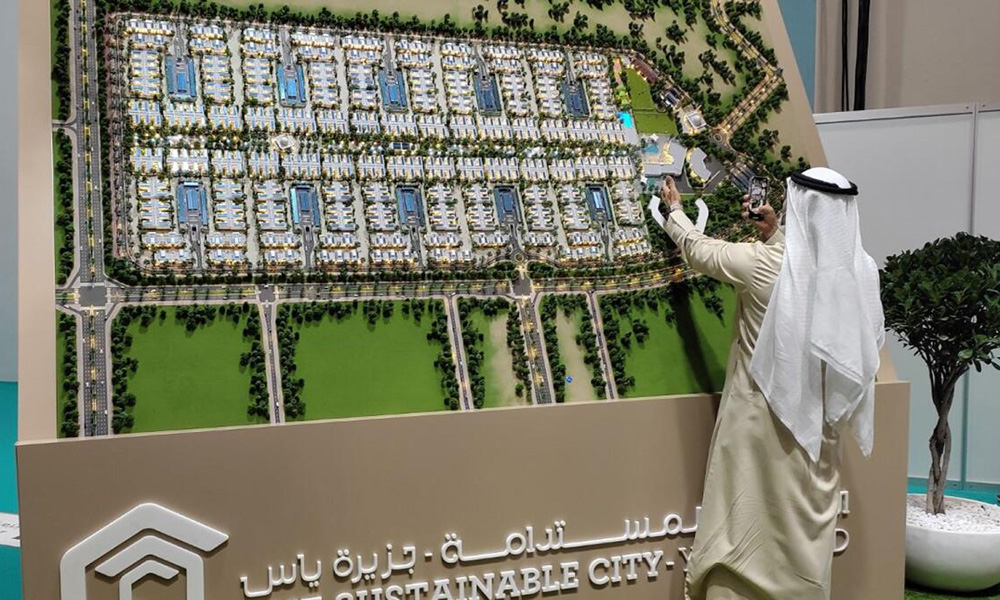
The Sustainable City – Yas Island has received the prestigious Estidama 5 Pearl classification for the design of its residences.

Developed by a partnership between Aldar Properties and SEE Holding, the rating endorses both parties’ commitment to social, environmental, and economic sustainability.

The green building rating by Abu Dhabi’s Urban Planning Council is the highest available rating under the Pearl Villa Rating System (PVRS) and signifies excellence in sustainable development.

It is characterised by advanced energy-efficient building designs, water conservation measures, integration of green spaces and pedestrian-friendly pathways, use of eco-friendly materials and dedication to enhancing both environmental quality and community wellbeing.

Homes in The Sustainable City – Yas Island will be powered by solar energy, with a high volume of solar panels installed on the properties and also across the parking infrastructure. These will enable residents to save up to 50 percent on energy bills.

The whole development is designed to promote energy and water efficiency. It features a central ‘green spine’ with bio-domes to encourage community farming, and a network of communal battery-charged buggies and bicycles will encourage personal mobility and accessibility for all.

The construction of the project is underway, with the first handovers expected at the end of 2025.

Faisal Falaknaz, Aldar’s Group Chief Financial and Sustainability Officer, said: “Sustainable City – Yas Island is a benchmark for building resilient and sustainable communities in the UAE and is a testament to both partners’ commitment to sustainable development.

“Supporting Aldar’s ambitious 2050 Net Zero target, the development provides a framework for the future of sustainable cities and supports the growing demand and expectation set by our customers for environmentally friendly and socially conscious living destinations.”

The post Top Estidama rating for Sustainable City – Yas Island appeared first on Middle East Construction News.


Source: ME Construction News


Steven-Velegrinis_1000x600-1.jpg

July 22, 2024 foasummit0

The Middle East is at a critical juncture in its development. Rapid urbanisation has brought prosperity and modernisation but also significant challenges, particularly in terms of traffic congestion and environmental impact. Urban mobility remains a critical element of city life as it impacts its residents, the environment, and affects the value of real estate.

Whilst the idea of compact neighbourhoods is hardly new, the 20-minute city concept offers one, forward-thinking, solution to these issues. By designing cities where residents can access work, education, healthcare, and leisure within a 20-minute walk from any point in the neighborhood, we can significantly reduce our reliance on cars, thus alleviating traffic congestion and cutting down carbon emissions. Other solutions present as critical for improving urban mobility as well. Enhanced public transport systems and last-mile mobility services play a vital role in creating a seamless urban experience. Efficient and reliable public transport options, such as buses, trams, and metro systems, reduce the dependence on private vehicles. Investment in public transport infrastructure ensures that cities can accommodate growing populations without exacerbating traffic congestion.

The UAE has been at the forefront of innovative urban planning. In a notable recent development, The Executive Council, chaired by His Highness Sheikh Hamdan bin Mohammed bin Rashid Al Maktoum, Crown Prince of Dubai, convened at the Arabian Travel Market this month, taking place at the World Trade Centre, to approve a new traffic plan centered on remote working. The plan aims to ease congestion and improve traffic flow on the roads, showcasing Dubai’s proactive approach to urban mobility challenges.

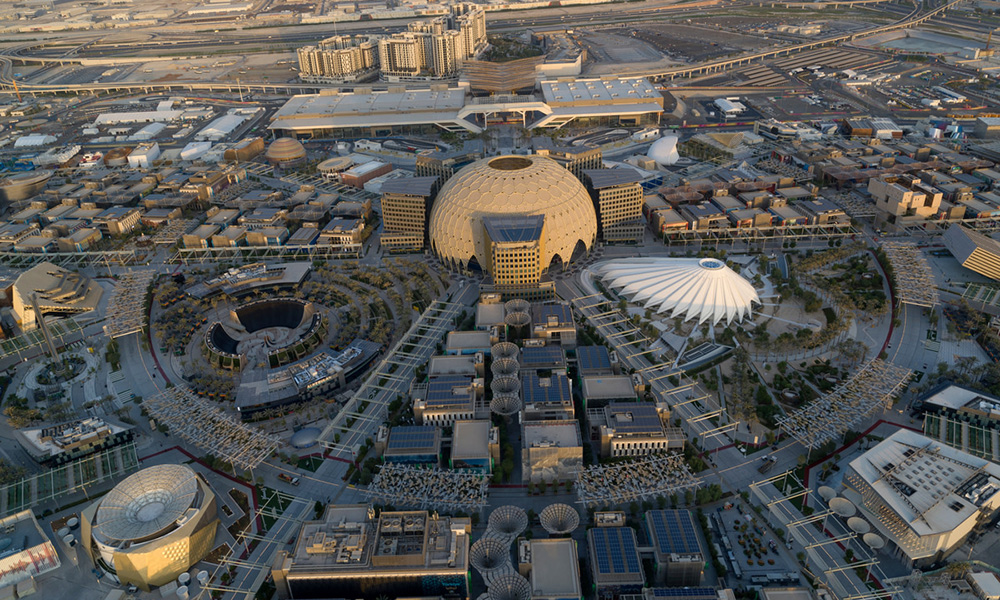
Expo City in Dubai stands as an existing example of the 20-minute city concept in action. This development was designed with sustainability and accessibility at its core. Expo City is a microcosm of what urban living can and should be in the Middle East. It boasts a mix of residential, commercial, and leisure spaces all within a 20-minute walkable distance. The infrastructure supports cycling and walking, with green spaces and pedestrian-friendly pathways integrated throughout the development. This design reduces the need for car travel, thereby decreasing traffic congestion and contributing to lower carbon emissions, so tackling, head on, immediate urban mobility constraints.

Another notable example is Msheireb Downtown Doha in Qatar. As the world’s first sustainable downtown regeneration project, it combines modern construction techniques with cultural and contextual precedents, focusing on the human experience and comfort in an arid climate. This meticulously planned area ensures easy access to essential services, promotes pedestrian-friendly spaces with wide sidewalks and shaded walkways and includes efficient public transport links. The development unites a sense of community with retail, offices, a mosque, hotels, and both low-rise and high-rise residential buildings, significantly enhancing residents’ quality of life, while reducing environmental impact by encouraging walking and public transport use over private cars.
Within the Middle East, authorities are actively embracing the walkable city approach with regards to existing urban areas and those that have yet to be built. The Dubai 2040 Urban Master Plan recognises the significance of time in people’s lives and acknowledges that effectively managing and utilising time for commuting and meeting basic needs is a crucial pillar in enhancing the quality of life. Future projects like these are highlighting government support in urban mobility.

However, transitioning to a 20-minute city model is not without its challenges.  In basic terms, our cities are not designed for cellular neighbourhood structures, and this means that to a degree, we will always need to move from one part of the city to another.  The advancement of 20-minute cities requires significant investment in infrastructure and a paradigm shift in urban planning. Policymakers and urban planners must prioritise mixed-use developments that integrate residential, commercial, and recreational spaces. There needs to be a concerted effort to enhance public transport systems and make walking and cycling more attractive and thermally comfortable options. Additionally, community engagement is crucial to ensure that developments meet the needs of residents and foster a sense of ownership and pride in their neighborhoods.

Last-mile mobility services, such as bike-sharing programs, e-scooters, and on-demand shuttle services, complement public transport by providing convenient options for the final leg of a journey. These services bridge the gap between public transport stations and residents’ homes or workplaces, making it easier for people to choose sustainable modes of transport. While in cities like Dubai and Doha, integrating these last-mile solutions with existing public transport networks has been effective within their 20-minute cities, enabling these links on a city-wide scale will be crucial for achieving a truly connected and efficient urban mobility system.

Looking beyond isolated neighbourhoods, society will always have the need to travel further than their immediate surroundings. To this end we must also consider interlinking options between neighbourhoods, as well as alternatives to longer distance travel requirements. New modes of transport such as last mile, electric, autonomous, EVTOL Drones are being discussed in a more tangible way, with visible progress being made. This is a critical marker that it’s not only on urban planners to facilitate urban mobility improvements but the transport industry and government support as well.

As we look to the future, with continued investment and a collaborative approach to urban planning, urban planners in the region will need to use innovative design strategies to create even tighter neighborhoods, while forecasting future societal habitation trends, as far as ten years down the line, given the average project timeline. The region is going to quickly push to the 20-minute city, meaning master planners need to feature smart mobility solutions that encourage sustainable and flexible means of movement, allowing people to travel safely and conveniently between their office and home, to airports and around the city.

The post Embracing the 20-Minute city appeared first on Middle East Construction News.


Source: ME Construction News