
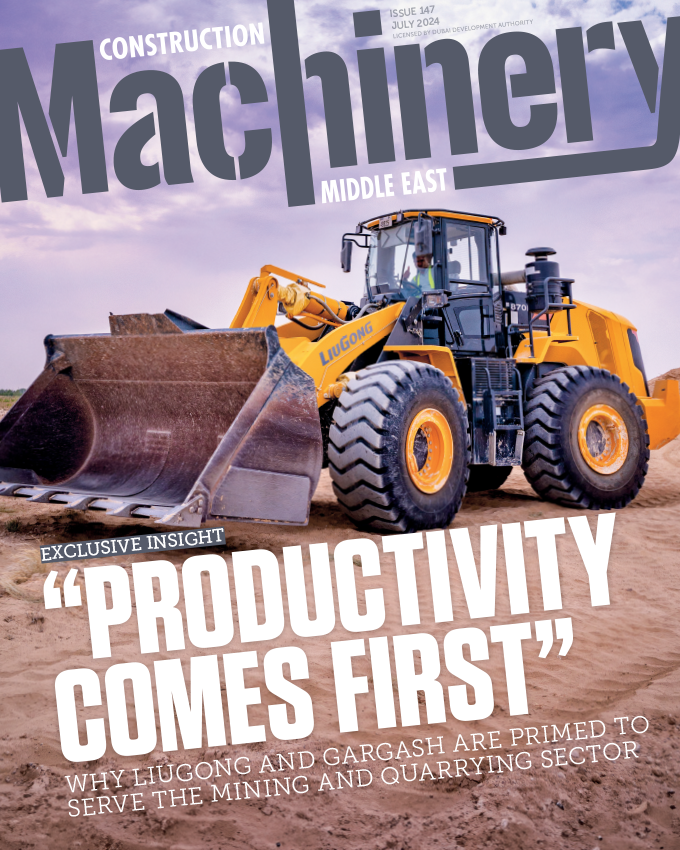
The post Construction Machinery ME – July 2024 appeared first on Middle East Construction News.
Source: ME Construction News
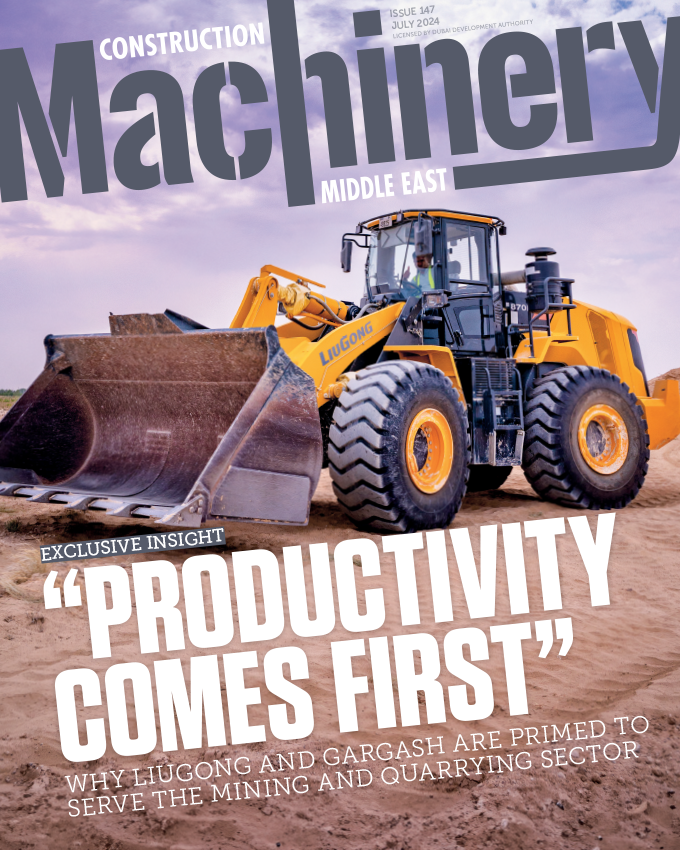
The post Construction Machinery ME – July 2024 appeared first on Middle East Construction News.
Source: ME Construction News
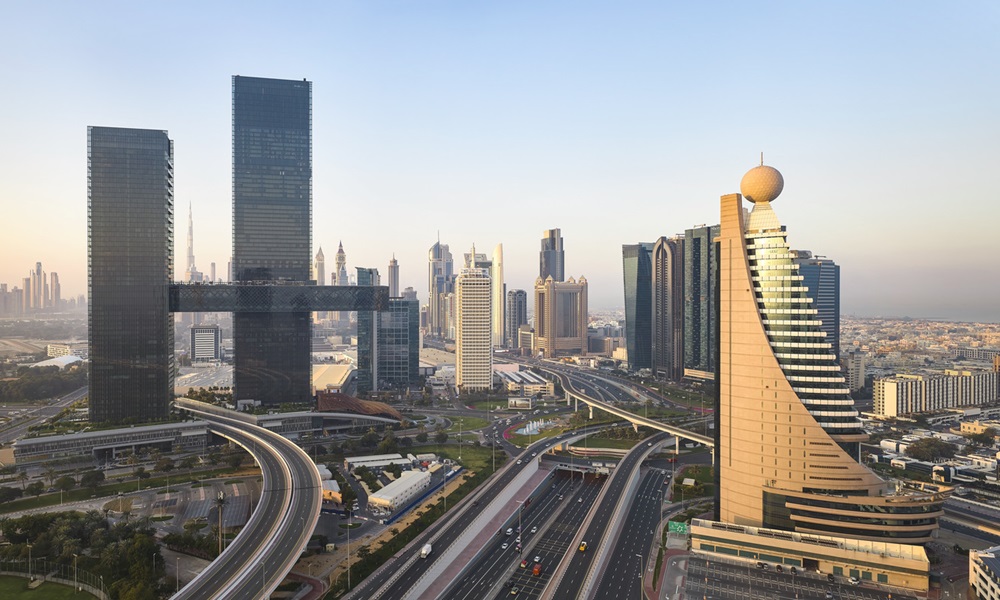
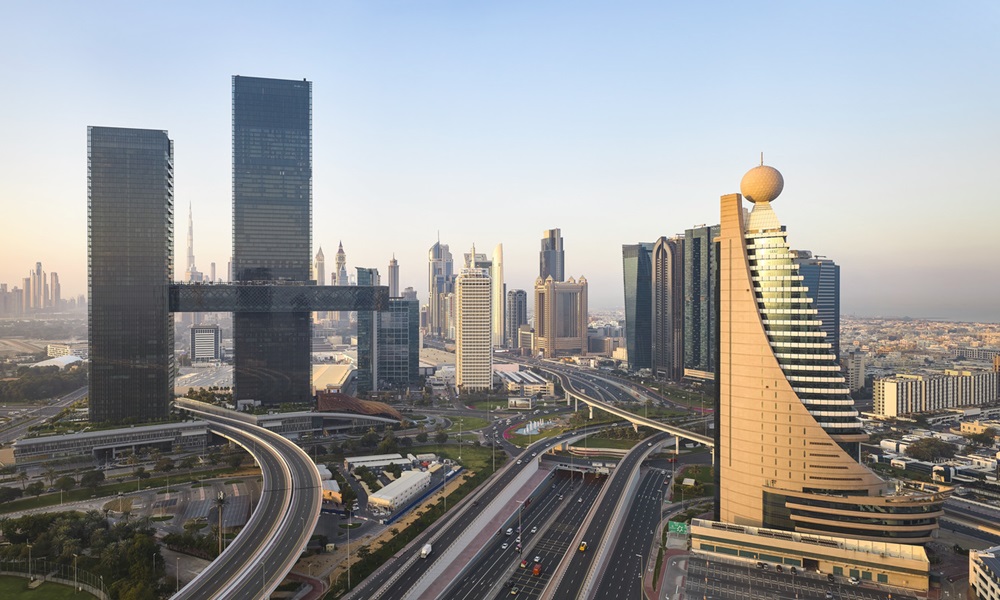
Mace, the global programme and project delivery consultants and construction specialist, has published its 2023 Annual Report, showcasing record-breaking revenue and profit before tax. The company’s substantial expansion in global consultancy work and a significant boost in construction revenue have set new benchmarks for the firm.
For the year 2023, Mace reported a revenue of AED 11.24 billion (£2.36 billion), marking a 25% increase from 2022’s AED 9 billion (£1.89 billion). The operating profit soared by 94%, reaching AED 306.3 million (£64.3 million), while the profit before tax rose by 68% to AED 293.9 million (£61.7 million). The company also saw a 42% increase in net assets, which now stand at AED 362.5 million (£76.1 million), and a 14% rise in cash reserves, totaling AED 837.4 million (£175.8 million).
Mace’s investment in research and development also saw a notable uptick, with AED 323.9 million (£68 million) allocated to innovation—a 19.3% increase from 2022. The Group surpassed its 2026 value-to-society target, delivering AED 4.3 billion (£912 million) in 2023, and has made significant strides towards its ambitious goal of saving 10 million tonnes of client carbon by 2026, having already saved or identified for elimination over 1.7 million tonnes.
Key highlights from the 2023 Annual Report include the completion of iconic projects such as the One Za’abeel tower in Dubai and the Brent Cross West rail project in London. Mace’s consultancy business reported a 24% increase in revenue, totaling AED 2.9 billion (£619.4 million), driven by securing new mandates in Asia, the Middle East, the Americas, and Europe. Meanwhile, the construction business saw revenues leap to AED 8.2 billion (£1.73 billion), with 60 new projects valued at AED 11.2 billion (£2.36 billion).
Significant milestones in 2023 included the completion of ‘n2’ and ‘The Forge’ for Landsec in London, with the latter being the UK’s first Net Zero office development. The Group also announced leadership and governance changes, with Mark Reynolds set to become Executive Chairman and Jason Millett to take over as Chief Executive in January 2025. Mace aims to align its governance structure with the UK Corporate Governance Code by 2025, including the formation of a new Board and the appointment of four non-executive directors.
Additional highlights from the report include Mace’s inaugural Taskforce for Climate Financial Disclosures (TCFD) report, maintaining carbon neutrality by offsetting 10,758 tonnes of carbon, and achieving award-winning safety standards with a 0.04 accident frequency rate. The global headcount grew to almost 7,500, and the Group made charitable donations totaling AED 2.3 million (£500,000).
Mark Reynolds, Chairman and Group Chief Executive, commented, “2023 was a landmark year, marking the mid-point of our 2026 Business Strategy, and seeing us take a major step towards our target of achieving annual revenues of more than AED 14.2 billion (£3 billion) by 2026. Our vision is for Mace to be the world’s leading programme and project delivery consultant and construction expert—a purposeful and sustainable business; and 2023’s results show that we are well on the way to making that a reality.”
Reynolds attributed much of Mace’s growth to securing major consultancy programmes globally, reinforcing the company’s position as a credible global consultant capable of delivering complex projects at scale. He praised Mace’s teams for driving innovation, sustainable delivery, and purpose-led growth worldwide.
The post Record-breaking year for Mace as series of major projects complete appeared first on Middle East Construction News.
Source: ME Construction News
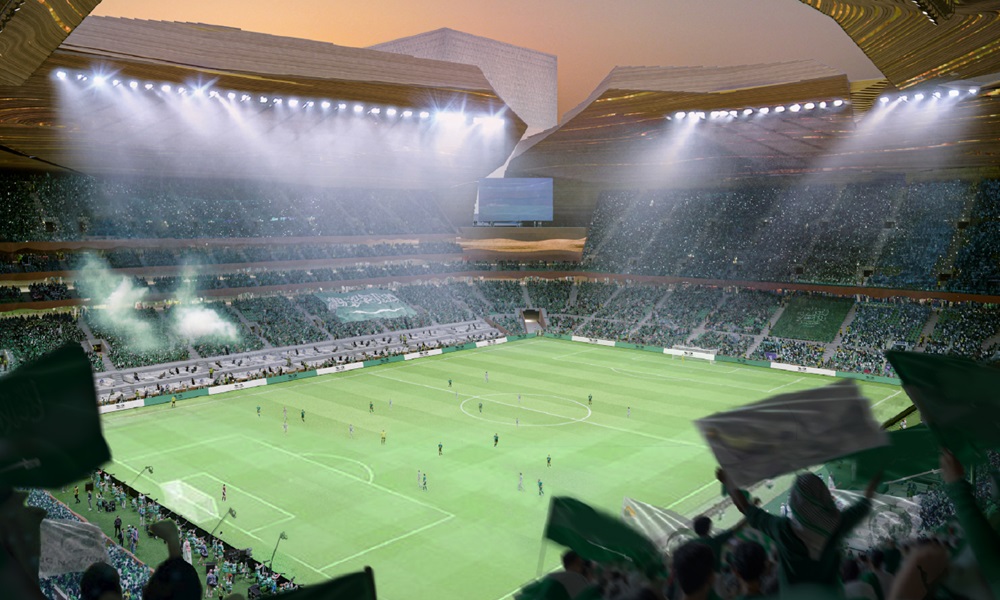
New Murabba Development Company – a specialist division of the PIF – has unveiled the design of New Murabba Stadium, a world-class venue set to have a capacity in excess of 45,000. The stadium will be a central pillar of the “New Murabba” district, a downtown destination in Riyadh City.
The stadium’s design is inspired by the layered overlapping branches of the native Acacia tree, with the goal of creating a fusion of tradition and innovation.
The stadium will feature cutting-edge sporting technology, creating an immersive and personalised fan experience. The stadium environment will also be a vibrant community hub, featuring illuminated entry points and shaded spaces for gathering and socialising.

Michael Dyke, CEO of New Murabba Development Company, said: “The New Murabba Stadium embodies our commitment to transforming Riyadh into a global destination for sports and entertainment. The stadium will not only be a world-class venue for sporting events but also a vibrant community hub that enhances the quality of life for residents and visitors alike.
“The New Murabba Stadium is a symbol of Riyadh’s dynamic future. It demonstrates our commitment to delivering world-class infrastructure and experiences that will captivate both local communities and global audiences.”
The stadium design also maximises long-term usability, allowing it to be adapted to host a wide range of events beyond sports, including gaming competitions and exhibitions.
Completion is scheduled for Q4 2032. The venue’s larger aim is to be a symbol of Riyadh’s transformation, attracting tourists, fostering community spirit, and solidifying Saudi Arabia’s position as a leader in sports and entertainment.
The post Riyadh stadium epitomises KSA’s new era appeared first on Middle East Construction News.
Source: ME Construction News


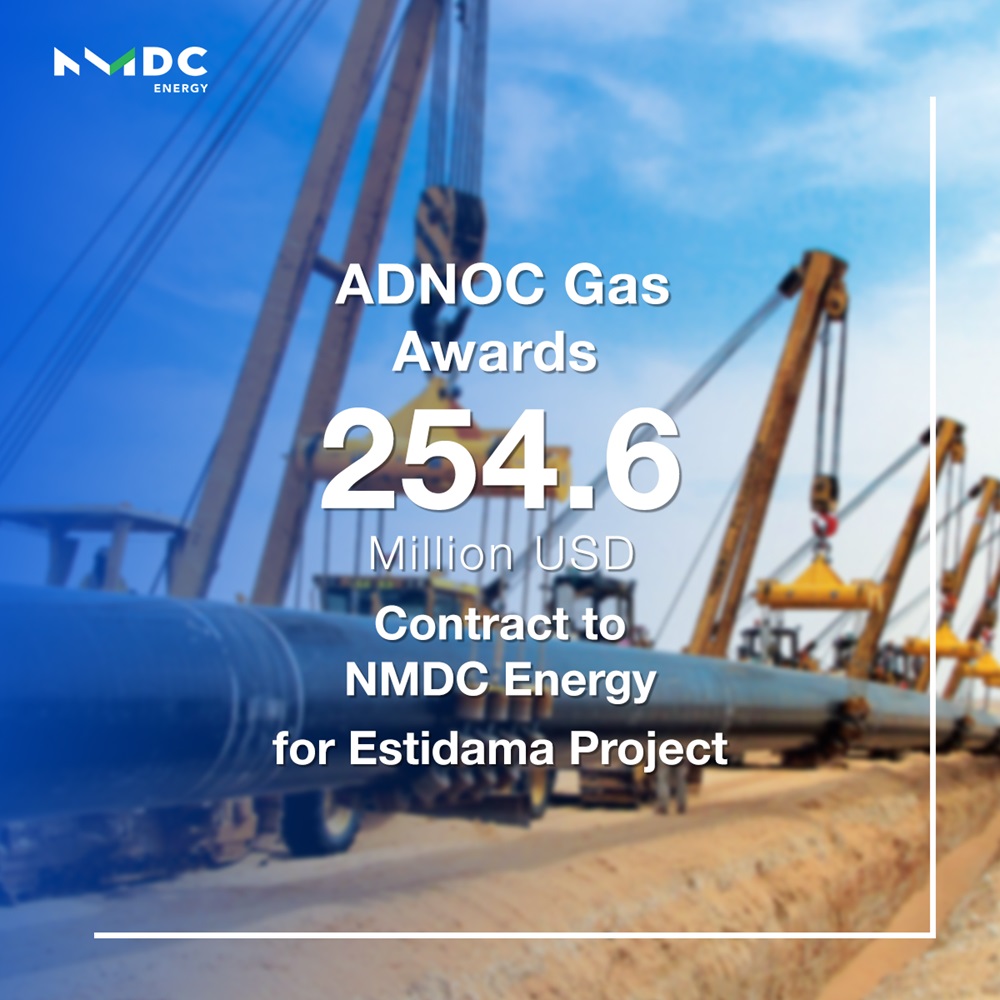
Abu Dhabi-based NMDC Energy has secured a $255m EPC (engineering, procurement and construction) contract from Adnoc Gas, for the Sales Gas Pipeline Network Enhancement Programme (part of the Estidama initiative).
NMDC Energy is a subsidiary of the NMDC Group, a key player in the engineering, procurement, construction and marine dredging sectors.
This project is part of Adnoc Gas’ broader Estidama programme, which aims to upgrade and expand its natural gas pipeline network to more than 3,500 km, increasing gas delivery volumes to the northern UAE.
The project encompasses the EPC of a pipeline and associated facilities to transport sales gas.
NMDC Energy CEO Ahmed Al Dhaheri said: “We look forward to continuing our long-standing partnership with Adnoc Gas through this project. It highlights our shared commitment to advancing the UAE’s energy infrastructure, ensuring a reliable and sustainable supply of natural gas across the emirates, and supporting the nation’s goals of achieving gas self-sufficiency.
“In addition, this project will not only strengthen the UAE’s energy framework but also underscores our commitment to sustainable growth and the local economy, with a significant portion of the contract’s value being reinvested within the UAE.”
Last year, NMDC Energy, in a consortium with CAT International, a major trading firm in the Middle East, had secured a contract on the earlier phase of the Estidama project.
Valued at over $600 million, that contract includes the installation of 191 km of new sales gas pipelines, along with additional infrastructure such as nitrogen and water pipelines and a jump-over connection.
The new contract reinforces NMDC Energy’s position as a leading EPC contractor in the energy sector, committed to delivering high-quality projects set to drive and innovate the UAE’s energy industry.
The post Adnoc awards major pipeline EPC contract appeared first on Middle East Construction News.
Source: ME Construction News
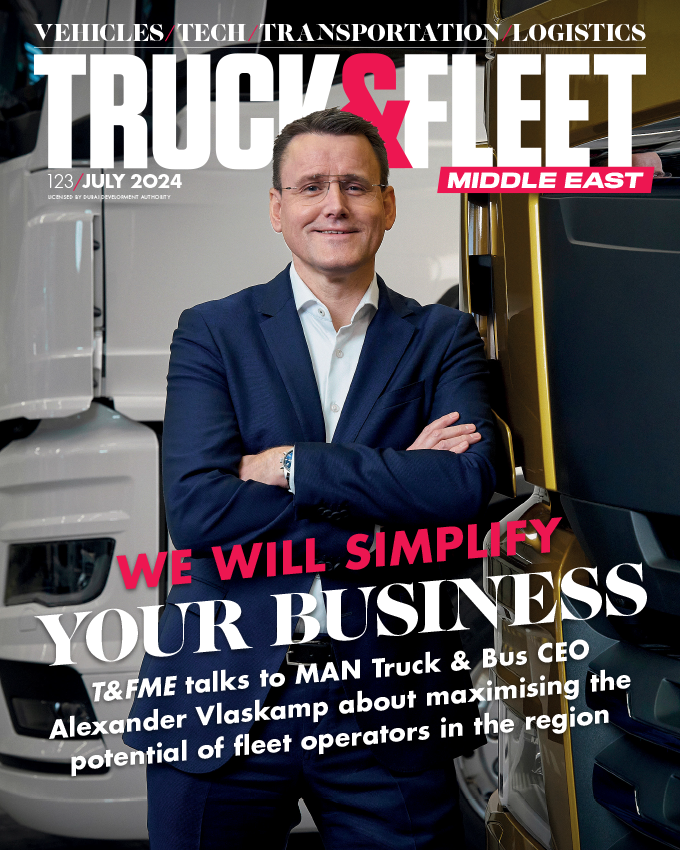
The post Truck&Fleet ME – July 2024 appeared first on Middle East Construction News.
Source: ME Construction News
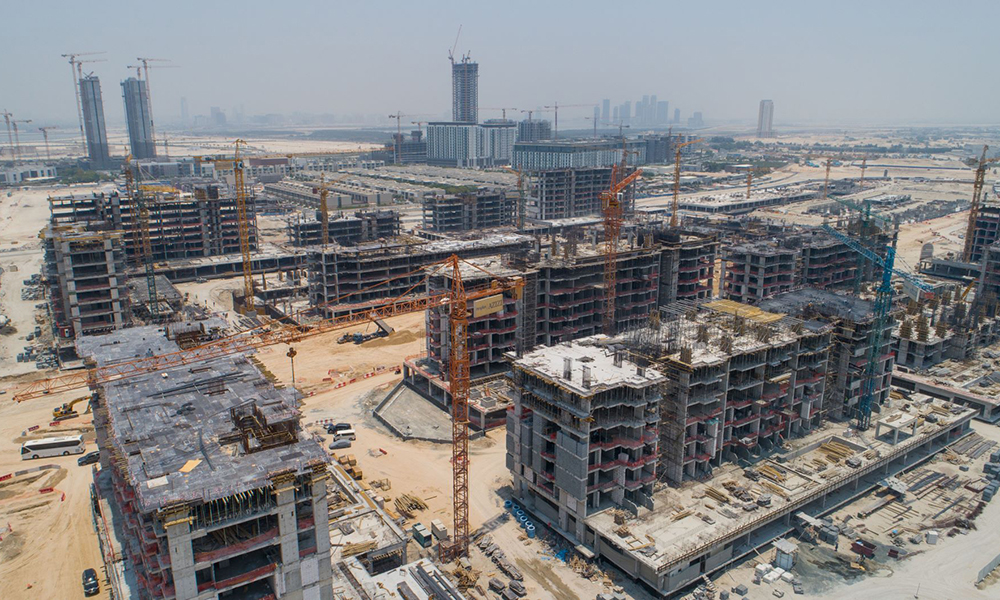
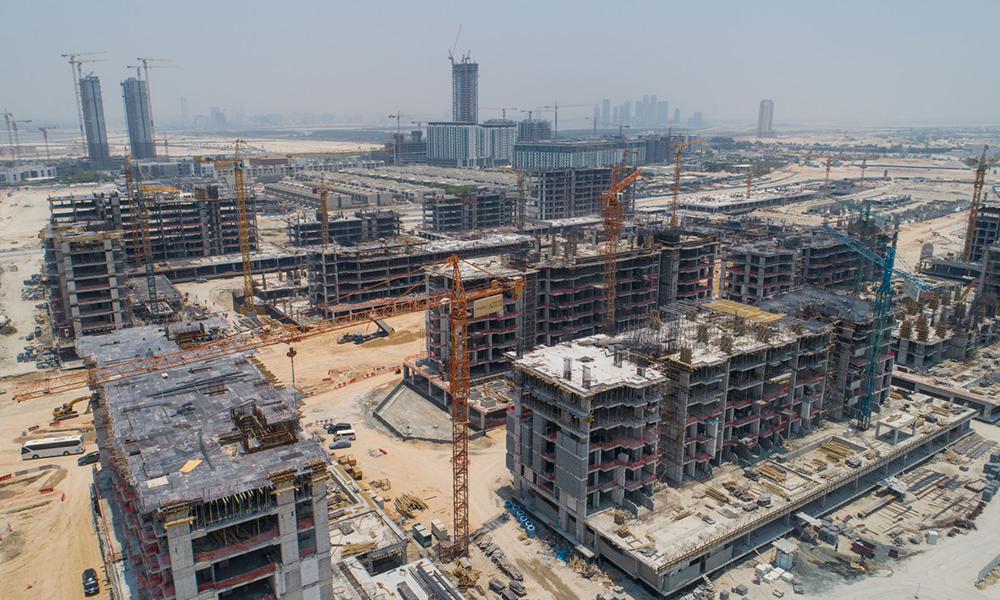
Azizi Developments, a prominent private real estate developer in the UAE, has announced a strategic partnership with Unigulf Development LLC for the supply of high-quality soft thermal insulation materials.
This collaboration will enhance two significant projects: the Azizi Venice in Dubai South and the fourth phase of the Riviera mega-project in Mohammed Bin Rashid City (MBR City), confirmed Azizi.
Unigulf Development, established in 1998, has a strong reputation for its sustainable solutions in renewable energy, green IT, and sustainable agriculture. The company has evolved from biomass technologies to innovative energy solutions, including a patented system that converts mechanical movement into electricity. Unigulf also addresses water scarcity and promotes sustainable farming, reflecting its commitment to a greener future through community engagement and robust corporate governance.
Farhad Azizi, CEO of Azizi Developments, expressed enthusiasm about the partnership: “We are thrilled to partner with Unigulf Development LLC, whose innovative sustainable solutions align seamlessly with our vision for our mixed-use development, Azizi Venice, and our mega-project, Riviera. This collaboration will elevate our projects to new heights of energy efficiency and environmental responsibility. Together, we will create iconic, eco-friendly spaces that exemplify our shared commitment to quality, excellence, and sustainable living.”

Azizi Venice is set to feature over 30,000 residential units spread across approximately 100 apartment complexes, along with more than 400 luxury villas and mansions. Azizi Developments will oversee the construction of all buildings, roads, and infrastructure as the master developer. A standout feature of Azizi Venice will be its pedestrian-friendly boulevard, which will be an open-air space in the winter and glass-covered in the summer to provide a comfortable environment for year-round activities. The boulevard will host three-storey buildings with top global retailers, nightlife, entertainment, and diverse dining options, making it a new and unique point of interest in Dubai.
Additionally, Azizi Venice will include the Azizi Opera, a state-of-the-art venue for cultural and community events, poised to become one of Dubai’s most notable destinations.
The Riviera project, part of Azizi Developments’ award-winning portfolio, is a stylish waterfront lifestyle destination comprising 75 mid- and high-rise buildings with around 16,000 residences. Designed to introduce the French-Mediterranean lifestyle to Dubai, Riviera offers a blend of residential and commercial spaces, including an extensive retail boulevard, a lagoon walk along a 2.7 km-long swimmable crystal lagoon, and Les Jardins, a vast green social space. Its strategic location near the upcoming Meydan One Mall, Meydan Racecourse, and other major Dubai attractions makes Riviera one of Azizi Developments’ most sought-after projects.
The post Unigulf to supply thermal insultation to Azizi developments appeared first on Middle East Construction News.
Source: ME Construction News
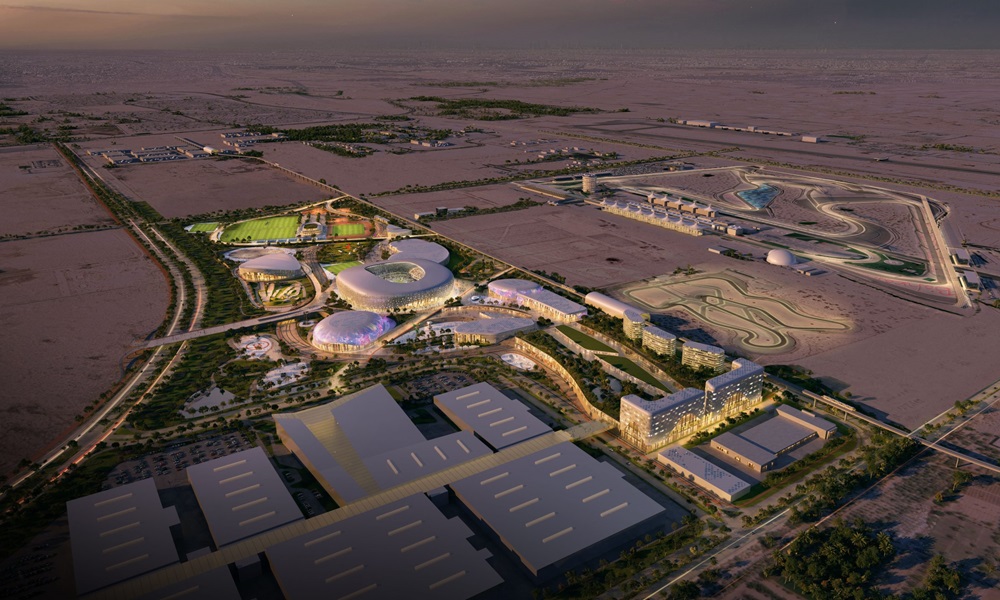
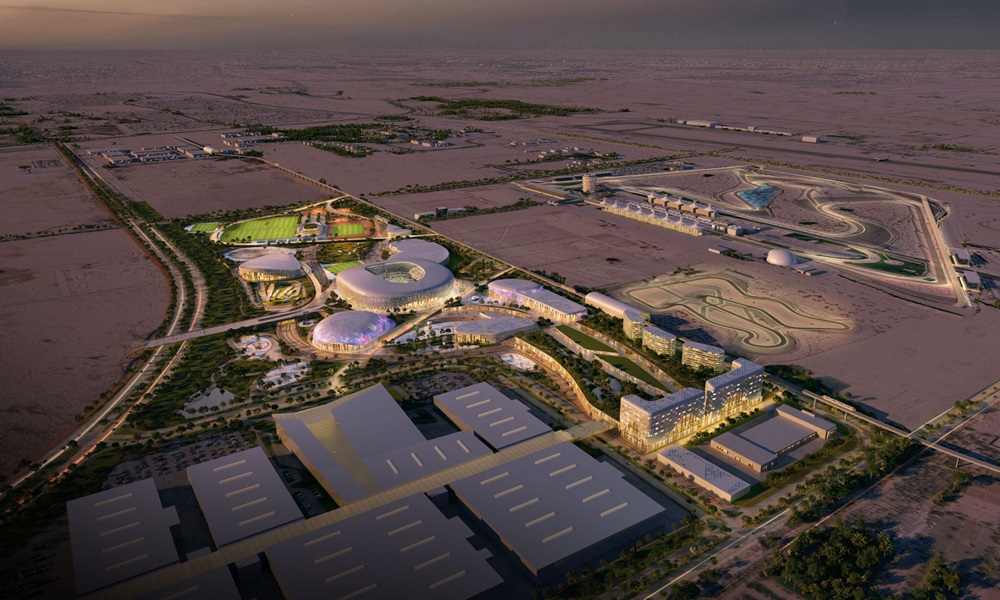
Designs for Bahrain Sports City, a major lifestyle project for the Kingdom, have now been reviewed by His Highness Shaikh Nasser bin Hamad Al Khalifa, Representative of His Majesty the King for Humanitarian Work and Youth Affairs and Chairman of the Supreme Council for Youth and Sports (SCYS).
The Sports City’s general layout, the timeline, and its range of facilities were discussed at the ninth meeting of the committee dedicated to the project’s implementation and delivery.
Shaikh Salman bin Khalifa Al Khalifa, Minister of Finance and National Economy, Ibrahim bin Hassan Al Hawaj, Minister of Works, and Ayman bin Tawfiq Al Moayyed, Secretary General of SCYS, were also present.
Shaikh Nasser emphasised that the Sports City Project was one of the key strategic projects in the Kingdom of Bahrain, enjoying full support from His Majesty King Hamad Bin Isa Al Khalifa.
Once complete, the project will promote Bahrain’s regional and international position in hosting sports events and championships.
Shaikh Nasser highlighted the importance of maintaining Bahrain’s position as a prominent sports hub, and the key role that Sports City will play. As well as advancing the kingdom’s overall investment in a sporting legacy, it will enhance the competitive environment, and help strongly position Bahrain’s branding and reputation on the global stage.
The post Next phase begins for Bahrain Sports City appeared first on Middle East Construction News.
Source: ME Construction News


The Sharjah Electricity, Water and Gas Authority (SEWA) is actively implementing the next phase of its gas supply project for residential areas across Dibba Al-Hisn.
This comprehensive initiative involves establishing a storage facility for natural gas, distributing it through an 84-km pipeline across four phases, and installing internal connections for residential homes. With an estimated cost of AED31m, the project aims to benefit around 17,000 residents.
Engineer Ibrahim Al Balghouni, Director of the Natural Gas Department, said nearly 10% of the power connections have been completed, with initial phases set to serve specific neighbourhoods by year-end 2024. All work is set to adhere to a carefully planned schedule and current roll-out is proceeding fully according to plan.
SEWA maintains rigorous standards of international best practice for its network installations, and seeks to ensure competitive pricing for the end-user. Its wider objective is to consistently proritise community welfare through sustainable infrastructure development across the emirate.
The post SEWA commences AED31m gas initiative appeared first on Middle East Construction News.
Source: ME Construction News
As Saudi Arabia constructs a new economy, there’s no doubt that the country must reconfigure its construction and engineering market in order to deliver the extraordinary pipeline of major projects. Do we see signs of this essential transformation taking place? The answer is a categoric ‘yes’ – and, as evidence for this positive assessment, consider the significant legal reforms that have been enacted; the growing desire to embrace technology; a drive for sustainability; and the steady shift towards more equitable contractual agreements.
We’ve seen massive changes in the Kingdom during the past 13 years, and a marked shift over the last five. There has been recognition at the highest levels that radical change is essential if Vision 2030 and other major developments are to be delivered.
In reality, only Europe’s post-war reconstruction or China’s modernisation bear comparison to the scale of the Saudi plans. The timeline is also daunting. As well as delivering what must be the world’s largest transformation programme, there are the event-driven deadlines of the 2029 Asian Winter Games, 2030 World Expo and 2034 World Cup. Associated infrastructure, stadia and facilities must be built alongside giga-project cities still in their embryonic stages.
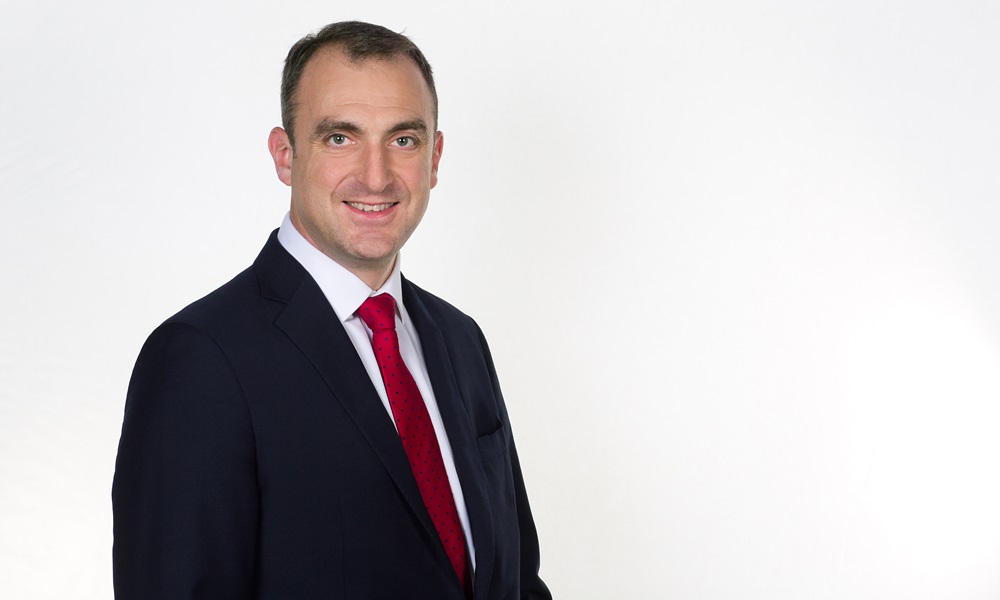
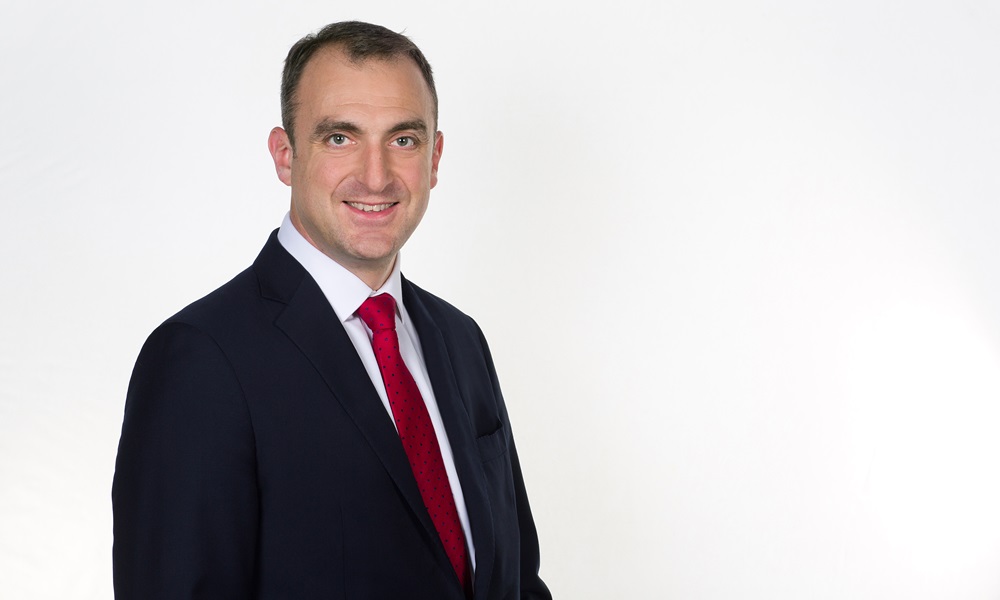
As Tim Whealey, Partner, HKA, comments: “The Kingdom has consistently strived for reform as it continues to implement its strategy to diversify from a hydrocarbon-based economy. What is truly impressive is not only the extent and scale of these reforms, but the pace at which the changes have been implemented and the way Kingdom has embraced deep change. All this highlights the Kingdom’s ambition and underlines the priority it places on the delivery of Vision 2030 (and the wholesale transformation of the Kingdom). Three notable reforms are:
“These, and the myriad other changes, have created a strong foundation for the ongoing roll-out of what must be the world’s largest transformation project; and they explicitly demonstrate the Kingdom’s commitment to its Vision.”
Learning the lessons
Avoiding past conflicts and overruns will be crucial. Last year, HKA’s Sixth Annual CRUX Insight Report analysed more than 1,800 projects in 106 countries with a combined CAPEX of $2.247 trillion. CRUX showed that overruns in the Middle East were among the longest of the world’s regions, averaging 82% of planned schedules (and nearly 100% in Saudi Arabia). On average, the costs claimed on these 401 projects exceeded 35% of agreed budgets.
The most dominant causes of project claims and disputes were change in scope (54%), and the often-related problems of design information being issued late (34.9%) or incomplete (30.5%). Conflicts over contract interpretation (28.8%) and late approvals (27.1%) completed the other ‘top five’ causes.
What about in Saudi Arabia itself? Well, in the Kingdom, scope change (54%) and late designs (34.5%) again came top, with restricted or late access to sites (also 34.5%), followed by late approvals (31.9%) and cashflow and payment issues (23.6%).
Re-balancing risk
While the risks of delay and cost overruns mount over the project lifecycle, the opportunities to minimise those risks are greatest in pre-construction – during inception, design and procurement. Risk allocation needs to be realistic and reasonable. In a super-heated market, there is a re-balancing of power and contractors are in a more equitable position. They can push back on onerous terms. So, we are beginning to see a more sensible view of risk sharing and changes in the way that employers and contractors are procuring, such as collaborative contracting and public-private partnerships (PPPs).
But changes in the market need to go further. There must be a push on ‘planning to succeed’, rather than simply repeating past mistakes. As well as ECI, this new delivery model should, for example, involve open-book accounting and incentivising target costs and key outcomes – with sharing of gains and pain alike. High performance must be encouraged and rewarded; it’s fundamental to achieving what’s most important to the client; and so is the shift towards ensuring that any claims are resolved before developing. A new, enlightened approach of this kind would, surely, be of benefit to all parties.
Reforming the law
There are other positive trends, too, such as a greater investment in off-site prefabrication and a noticeably increasing commitment to ESG (environment, social and governance).
Notwithstanding, factors such as adversarial contracts, an opaque legal system and heavy losses sustained on past projects have made many contractors reluctant to enter the market. We see initiatives to rectify this in the new Civil Transaction Law, which promises fair dealings in contracts, while the Saudi Centre for Commercial Arbitration (SCCA) is a truly credible forum for administering international disputes. These are massive changes that can build confidence among foreign contractors.
There is still one harsh reality: given that the construction market is still in the early stages of transition, the ongoing capacity, supply chain and cost escalation risks will be colossal. But the opportunities created by Saudi Arabia’s epoch-making vision are hugely exciting – contributing to a national transformation that will embrace every sector from construction and power to transportation, tourism and housing.
The post Delivering Saudi’s transformation appeared first on Middle East Construction News.
Source: ME Construction News
Since the launch of Saudi Arabia’s ‘Giga projects’ as part of its ‘Vision 2030’ economic diversification scheme, the kingdom has emerged as a key driver in the construction sector in the Middle East. In fact, 39% of the Middle East and Africa (MENA) project pipeline is in KSA, with activity forecast to experience 4% growth each year between 2024 and 2027. According to the Saudi Contractors Authority (SCA), the building and construction sector contributes 6% to GDP, making it the second-largest non-oil sector in the country.
While it presents unprecedented economic opportunities for KSA and the region, the high concentration of multiple colossal development projects, at various design and development stages, has strained the construction activities of the nation and neighbouring countries. This includes mature markets like the UAE, where the demand for talent and staff retention has intensified, and the supply chain pressures have increased. As a result, businesses must rethink their operating models and project delivery approach to remain competitive.
Talent acquisition and retention
Staff retention in the UAE has become a major challenge, due to the highly competitive salaries, benefits, and compensation packages offered to attract talent to Riyadh. According to the Ministry of Finance’s 2024 budget statement, the Kingdom of Saudi Arabia has created 1.12 million jobs in the private sector to meet project demand.
In the past, working in KSA was more niche: it traditionally attracted young, single individuals who were willing to earn a higher salary and gain experience working on some of the world’s most ambitious and exciting projects.
However, with the country’s rapid modernisation and social changes in recent years, cities like Riyadh and Jeddah are becoming more attractive to expats, with shopping malls, restaurants, parks, sports facilities, and recreational amenities; they are attracing an increasing volume of talented and experienced indivduals, who now feel happy to relocate their families.
Developers and contractors in Saudi are also placing increased pressure on staff to live in the Kingdom, thereby reducing the opportunities for staff to base themselves in the UAE and commute to KSA on a ‘fly in, fly out’ basis.
The increased attraction from KSA is creating challenges around the retention of key staff, as well as inflating salary levels in Dubai and Abu Dhabi. Companies need a new approach to talent acquisition, rewards and performance to retain their business advantage. For years, companies in the region have been vying for the same limited pool of qualified professionals. However, in the Middle East, there exists an incredibly diverse population in terms of nationality, race, ethnicity, age, and experience, which represents a significant untapped talent pool. Unfortunately, this potential is often overlooked due to gender, racial or age stereotyping stemming from deeply ingrained cultural norms and societal expectations.
Moreover, implementing transparency and merit-based compensation packages and fostering an inclusive work environment that prioritises employee satisfaction can significantly contribute to talent retention. Companies can make investments in training and development to upskill their workforce and enhance employee engagement.
Mitigating supply chain pressures
Pressure on the global supply chain has been an issue since the COVID-19 pandemic and has been prolonged by recent cross-border conflicts in the Eastern and Middle East regions. As a result, there have been delays caused by the closure of trade routes, a surge in demand for locally sourced products, and escalating prices.
The increasing demand for construction materials for Saudi Arabia’s giga-projects has further intensified competition, raised prices, and extended project timelines in the UAE. These demand and supply challenges, coupled with ambitious project schedules across the region, have led to resource scarcity and rationing.
However, it is important to note that this situation is likely temporary, and efforts are being made to streamline the supply of locally sourced materials within Saudi Arabia through prefabrication and modular construction. In the meantime, many materials initially allocated for the UAE are being redirected to the larger projects in Saudi Arabia.
To reduce the impact of supply chain disruptions, companies must get around what’s traditionally been their way of approaching supply chain and manufacturing. Apart from diversifying suppliers and developing contingency plans, technology adoption for real-time tracking of shipments and inventory levels can provide insights to anticipate and mitigate disruptions.
Consider repurposing or recycling existing and surplus construction materials to reduce the strain on natural resources and decrease the industry’s reliance on raw materials procurement, while simultaneously fostering a more eco-friendly and resilient sector. Rather than disposing of used or excess materials in landfills, the establishment of green building material exchanges enables construction companies to engage in buying, selling, or donating these materials. This approach not only extends the lifespan of materials but also promotes the circular economy, encouraging resource conservation and minimising waste. By embracing these practices, the construction industry can also make significant strides towards a more sustainable future.
Greener and more human-centric developments
The implications of these cost increases in the construction sector resulting from increase in labour and material costs presents a unique opportunity for innovation and differentiation. Developers are staying ahead by integrating cost-saving measures and sustainable practices into their projects to attract a new segment of investors and buyers.
This includes repurposing ageing or underperforming buildings and focusing on creating sustainable, inclusive communities with a focus on wellness. These initiatives are driven by an emphasis on improving residents’ overall quality of life.
By reusing existing structures, developers can preserve architectural heritage and reduce reliance on new construction, benefiting both the environment and their bottom line while increasing speed to market.
Additionally, community developments prioritise connectivity, featuring walkable neighbourhoods that promote social interaction and provide easy access to amenities. These developments are designed to cater to changing lifestyle preferences and are expected to have high demand and long-term sustainability.
Conclusion
While Saudi Arabia is expected to maintain its influence on the region’s construction activities, the UAE market remains immensely appealing to real estate investors and individuals choosing the UAE as their permanent residence. Accodring to JLL’s UAE Construction Market Intelligence Q1 2024 report, the UAE stands out with a high-value pipeline of USD590 billion in the Middle East and North Africa’s projects market, with residential projects accounting for USD125 billion (21%), and mixed-use projects representing USD232 billion (39%).
The post The ripple effect of Saudi Arabia’s construction boom appeared first on Middle East Construction News.
Source: ME Construction News