Komatsu-Mini-Excavator_1000x600-1.png

September 28, 2022 foasummit0

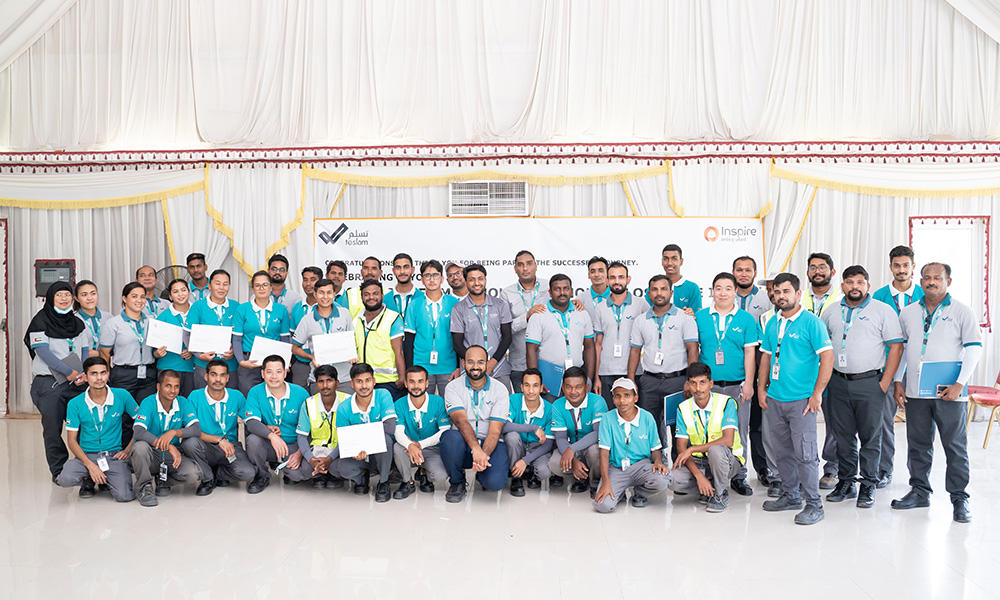
Komatsu will use Bauma to focus on future technologies in response to rising concerns of global climate change, the manufacturer has revealed. As part of its line-up, Komatsu will display a range of electrified machines including a fully electric, remote-controlled mini excavator that was announced as a concept machine last year.

Among the other highlights will be the ‘PC01E-1’ electric micro excavator introduced to the Japanese market earlier this year, as well as a three-tonne class electric mini excavator, which is a model change of the ‘PC30E-5’ introduced to the Japanese market in March 2021.

In June 2022, Komatsu said it would expand autonomous technology on haul trucks by 2024 and, later in the month, the firm acquired Swedish attachments manufacturer Bracke.

According to the manufacturer, event attendees will also get a first look at upcoming innovations in Komatsu wheel loaders through an exclusive virtual stand, while its Earthbrain technology will show a new way of working, with unique solutions to support and improve your business.

“These days, effective digitalisation is often another essential request from our customers, and it is also a focus for Komatsu. The Komtrax Next Generation and Komtrax Data Analytics booths will also explain how Komatsu’s wireless monitoring system can simplify decision-making for all those who work to deploy equipment effectively or to improve fuel efficiency, to maximise productivity or to plan periodic maintenance,” the firm concluded.

In July 2022, Cummins and Komatsu said they would collaborate on zero-emissions mining haul trucks.

The post Komatsu to focus on future technologies at Bauma 2022 appeared first on Middle East Construction News.


Source: ME Construction News

Digital-Construction4_1000x600-1.jpg

September 27, 2022 foasummit0

As one of the biggest contractors in the region, ALEC has been involved in some of the most high-profile construction projects in the GCC, such as One Za’abeel, SeaWorld Abu Dhabi, Dubai International Airport Terminal 3 – Concourse A, One & Only Royal Mirage, several EXPO 2020 Dubai pavilions, and Marina Gate, to name just a few.

Successfully delivering these projects has earned the contractor a strong reputation in the market, with a name synonymous with delivering quality and high-spec work. However, this reputation has been hard won, with the construction giant constantly working to refine its margins and reshape its construction processes and methodologies to ensure it can measure up to expectations.

Part of this never-ending quest to improve is the company’s ongoing drive to embrace digital construction technologies, with the aim of boosting project efficiencies and quality. Having recently rolled out a four-year digital construction strategy that is aligned with its 2026 mission statement, ALEC is well on its way towards achieving several of its short-term goals, such as achieving the BIM Kitemark certification – as per the latest international standard, ISO 19650, from BSI.

Two years on from the pandemic, digital construction is at the top of the agenda for every company operating in the built environment space. Seen as a potential equaliser that can be leveraged to tackle a growing list of issues, including logistic and supply chain challenges, talent shortages, rising fuel costs and construction’s impact on the environment, digital construction technologies are rapidly being adopted across the global construction sphere.

Given the scale and reach of ALEC’s operations, it is no surprise the contractor has gone down this path, with a number of initiatives and technologies being implemented as part of its digital construction strategy, while key figures have been appointed to lead the transition, including Andy Boutle, ALEC’s Head of Digital Construction, and industry veteran Craig Garrett, who has come on board as Digital Construction Manager for Saudi Arabia.

Furthermore, one of the goals of the builder’s digital strategy is to empower, train and upskill staff in the use of digital construction solutions. One of the goals for the company’s digital strategy for 2022 is to commence the roll-out of Operam Academy e-learning courses to 100 of its staff members by the end of the year. The courses have been specifically tailored to allow learners to drop in and out of modules to fit their education around their day job.

Overseeing the entire process for the company is Sean McQue, Operations Director at ALEC, who sat down with Big Project Middle East to discuss ALEC’s ongoing digital revolution and shares his thoughts about the future of the industry and how ALEC is positioning itself for success.

Q: Why did ALEC decide to implement a digital transformation strategy? What were some of the key factors that prompted the decision?

The construction industry is presently confronted by several challenges – skills and labour shortages, productivity issues, attitudes to change, outdated procurement models, lack of transparency and many more. The digitalisation of the section will undoubtedly help solve, if not at least simplify many of these challenges. Of course, this can neither happen overnight, nor could it be solved by a single organisation independently. A consistent maturity of the broader sector will be needed.

So, while ALEC is acting as a first move in driving this change, this current phase of our digital transformation strategy is also directed inwards – wherein we’re streamlining our own operations through digital technologies. This involves tackling interoperability, getting the information (data) layer standardised, as well as looking at how different technologies can integrate where required.

Fundamentally, focusing on digital transformation will make us more productive, efficient, sustainable, and accurate, whilst reducing risk and waste.  Our customers will therefore over time see an improved service and product, with our partners benefitting from the collaborative processes and technologies we put in place across our integrated teams.

Q: Having achieved the BIM Kitemark certification, how will this help ALEC achieve its digital aims and targets?


When setting out our digital transformation goals for 2022, we clearly earmarked achieving the BIM Kitemark certification as per the latest ISO 19650 standard as our first objective. I’m proud to say that in July, we achieved this objective which involved the realignment of our processes, templates, and tools to the requirements of the latest international standards. Getting information management right is absolutely critical to supporting all our other digital initiatives.

This quality mark will help us to drive best practices for information management across all our projects, giving clients assurance of our capabilities and approach, whilst supporting and upskilling our supply chain. Moreover, maintaining the BIM Kitemark certification requires us to be annually audited to demonstrate compliant information management across our projects which drives continuous improvement.

Q: Andy Boutle has said that the certification will drive best practices across projects, clients and supply chain – have you started to see evidence of this happening already?

While it’s still early days, I can say that we firmly believe the certification to be a very positive move that will no doubt bring value. As Andy mentioned, we are already starting to see this gain momentum as our clients too have begun moving towards the Kitemark system. It is being recognised and respected in the region, which in turn is driving adoption not only by contractors, but also consultants and end-clients.

Q: What has the reaction been from ALEC’s clients and supply chain partners to your digital transformation strategy? Are you seeing enthusiasm to get on board or resistance?

There is no doubt that digital transformation is a hot topic in the boardrooms of construction firms. There’s good reason too as analysis by McKinsey Global Institute (MGI) shows that investing in technology and innovation is one of the key factors in boosting the construction sector’s productivity by up to 60%.

But while digital technologies — ranging from Building Information Modelling (BIM) and augmented/virtual reality, to robotics, drones, and cloud software — are heralding a new era of possibilities and efficiencies for the global construction sector, there has generally been a lag in adoption of these technologies in the region. This is largely because there remains trepidation in the region due to the steep learning curve and challenges around integration between systems and deciding what investments will yield maximum positive impact.

As a leader in the sector, ALEC has successfully leveraged the latest technologies on several projects, and we are now doubling down on these digital investments. In doing so, we will inevitability promote technology adoption among our customers and partners, leading to a digital-first mindset across the industry that advances the sector towards greater efficiency, quality, and sustainability.

Q: What sort of future investment do you have in mind for the company as part of the digital transformation strategy? Are you investing in hardware technology as well?

Having successfully achieved the BSI Kitemark ISO 19650 certification for information management using BIM, we are now turning our attention to other areas where we can leverage digital solutions to enhance operations. We are currently deploying a new Enterprise Resource Planning (ERP) system that will digitalise our internal processes to enhance business intelligence through analytics and reporting.

Q: How is the process of upskilling and training staff going? Are there any transformation targets in place for subsidiaries and departments?

Constant training has always been a focal point for ALEC. To maintain our market leadership, we actively develop new internal learning and development programs to develop and enhance new skillsets within its workforce. An example is the ongoing development of employees through the ALEC EVOLVE program. In its EVOLVE C variant, the program is aimed at the company’s entry and more junior level staff. This program combines various learning initiatives including mentor support, classroom training, book reviews, PDPs and project delivery.

This is rounded out by THRIVE, our Leadership Development program that aims to support employees at the mid-management level on their journey to become senior leaders. With the ultimate goal of nurturing their emotional intelligence in order to refine their ability to manage people, this program covers topics such as ‘Leadership as Coach’, ‘Hiring and Firing Effectively’, ‘Data Storytelling’ and ‘Improvisation’.

Q: How important is the digital transformation strategy when it comes to the Saudi market? How do you envision it helping you expand ALEC’s footprint there?

Even a quick look at the recently unveiled designs of NEOM offers sufficient insight into the Kingdom’s ambitions for the construction sector. The scale, technicality, and aspirations of these futuristic giga-projects can only be realised by using the very latest in construction technologies and processes. Digital Construction is therefore key to facilitating the ambitions of KSA’s built environment and we’re seeing major developers in the country place stringent information requirements on their supply chains to deliver against, with a vision of connected digital twins and smart cities.

Q: What are some recent projects that have benefitted/will benefit from ALEC’s digital transformation strategy?

Recently when working on a theme park mega project in Saudi Arabia, we took the opportunity to build our BIM execution plan and information delivery plans in Morta, knowing we would also need to export static PDF/Excel versions for sharing to the CDE. We had the usual client-provided templates for resources and sought provisional acceptance that we would follow the structure of the templates but develop in our own solution/format – the client-side BIM specialist was happy with this.

After some initial training and guidance, building the BIM execution plan online became more efficient. Being able to drag/drop sections and subsection content to reorder and creating tables where specific text could be entered just once but be displayed in multiple places for varying purposes (we all know how many times we have to type the same information in multiple locations with a Word-based BEP) was even somewhat cathartic.

Q: Finally, what does the future look like for a digitally empowered ALEC?

The fruition of our digital vision would be the seamless interconnectivity of best-in-class digital solutions and systems such that all data is fluidly available across our enterprise. For example, an initiative we currently have underway at ALEC is to generate real-time progress updates in our project models – made possible through the integration of technologies such as HoloBuilder, laser scans that produce point clouds for Systems Under Test (SUT), and traditional manual data recording.

We will also look to leverage the latest technologies in meaningful way. So, while some may imagine AI to be a sort of all-encompassing solution to critical decision making, at ALEC, we are taking a more practical approach. Our intention is to leverage AI to increase efficiency by automating time-consuming, repetitive processes so our qualified professionals can win time back to focus on high-value tasks.

Read more:

The post ALEC’s digital vision revealed appeared first on Middle East Construction News.


Source: ME Construction News

Marine-life-institute-on-the-Red-Sea-Main-Entrance_1000x600-1.jpg

September 27, 2022 foasummit0

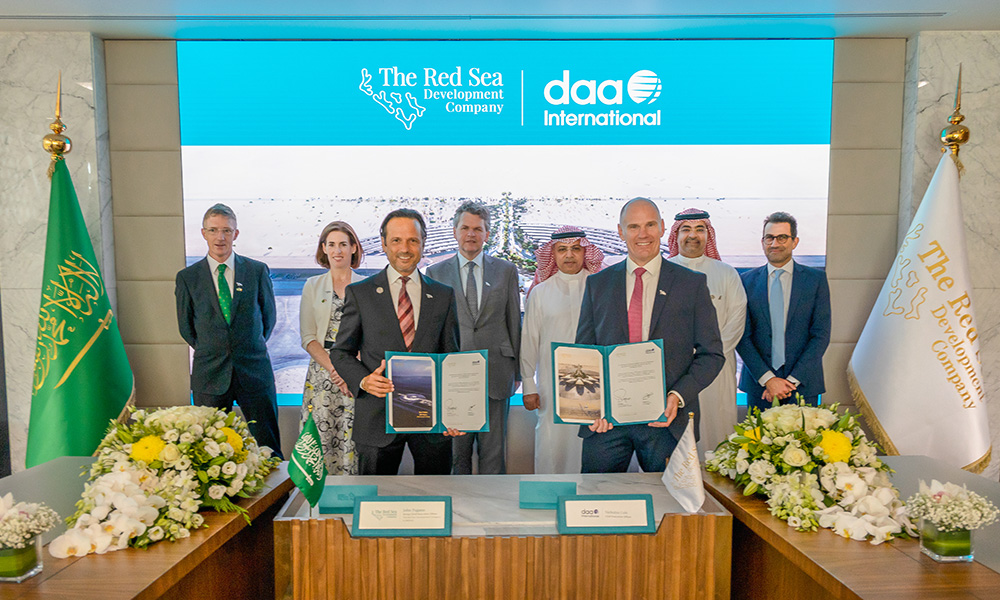
The Red Sea Development Company (TRSDC) has revealed the design plans for its state-of-the-art Red Sea Marine Life Institute. Created by architectural design firm Foster + Partners, the institute will function as a scientific research centre and a tourist destination.

According to a statement from TRSDC, the institute will accelerate conservation-driven research, while offering visitors truly multidimensional experiences that bridge educational exhibitions with adventure-filled excursions.

“We wanted to design a first-of-its-kind facility that extends far beyond any existing marine life attraction. With 10 zones that provide everything from augmented reality experiences to night diving, and spaces for the scientific community to effectively progress their environmental projects, the Red Sea Marine Life Institute is undeniably unique. Not only will it drive global green and blue innovations, it will also help put Saudi Arabia on the map for travellers seeking trips that enrich their lives,” said John Pagano, Group CEO of TRSDC.

In May 2022, the design of the Triple Bay Yacht Club was unveiled by AMAALA. Check out the full gallery of images here.

“The institute will live in the Triple Bay marina at AMAALA but is the beating heart of our broader ambitions to protect and enhance the thriving Red Sea coast of Saudi Arabia. Through our expanding portfolio of projects, we will share our valuable scientific discoveries with the world and enable our guests to experience the true beauty of our thriving coral reefs,” he added.

Expected to host up to 650 people at any one time, guests will be able to walk underwater, snorkel with rare marine species, participate in lab tours and dive the depths of the Red Sea in a submarine. A testament to TRSDC’s coral farming operations, the facility will also be home to one of the world’s largest man-made reefs, measuring 40m long and 10m deep and providing a ‘Grand Reveal’ moment for visitors on arrival, the statement noted.

Set within the AMAALA destination on the west coast of Saudi Arabia and located on the waterfront of Triple Bay, the 10,340sqm institute will comprise three levels – one above ground and two below – and will offer panoramic views of the Red Sea and the marina.

Inspired by the Red Sea’s coral formations, the glass-reinforced concrete that is being used to build the institute will be intricately moulded to resemble reef patterns against the skyline. Inside, exhibition displays have also been integrated into the infrastructure, with visitors flanked by suspended semi-spherical tanks containing colourful local marine wildlife from the point of entry, TRSDC explained.

In May 2022, Marriott and TRSDC inked a deal to debut the Ritz-Carlton Reserve brand while, in June 2022, WSP & TRSDC said they were eyeing decarbonised mobility solutions at The Red Sea Project.

Gerard Evenden, Head of Studio at Foster + Partners, added: “The Red Sea Marine Life Institute will take guests on a vibrant, educational, and awe-inspiring journey that unveils the natural wonders of the Red Sea and blurs the boundaries between the institute and the ocean. By recreating natural marine habitats, offering unforgettable marine interactions, and sharing glimpses into conservation projects, it will provide guests with an immersive marine experience unlike any other.”

As part of TRSDC’s commitment to responsible development, more than 40% of the site will be covered by native plants, and a system to collect runoff water put in place to prevent erosion and pollution, while reducing mains water use. The lighting throughout the institute has also been designed with the company’s green ambitions in mind, with an innovative framework to prevent light pollution to protect the nocturnal environment, it added.

“More than just a window into the marine world, we’re creating an integrated experience that offers unique activities for our guests, with a collection of opportunities to explore and learn suited to all,” said Warren Baverstock, Senior Marine Life Director at TRSDC.

In August 2022, Ian Williamson, Group Chief Projects Delivery Officer at The Red Sea Development Company shared his thoughts on the project’s numerous achievements over the past five years with Middle East Construction News exclusively.

“The overlay of sustainable design, build and operations, guest experience and meaningful scientific work underpins our commitment to drive enhancement of the environment and tourism growth. It’s a perfect model of sustainability, balancing people, planet, and commercial success,” added Pagano.

Site preparation works have already commenced with bulk earthworks now complete and 170,000cu/m of soil transported. Next, TRSDC will commence piling and shoring ahead of excavating 12m below the surface water level for the institute’s Grand Reveal aquarium.

The Red Sea Marine Life Institute is part of phase one of AMAALA Triple Bay, which is set to welcome its first guests in 2024.

The developer added that Phase one of AMAALA Triple Bay is well underway and will consist of eight resorts offering upwards of 1,200 hotel keys. Upon completion, the destination will be home to more than 3,000 hotel rooms across 25 hotels, and approximately 900 luxury residential villas, apartments and estate homes, alongside high-end retail establishments, fine dining, wellness and recreational facilities.

In early September 2022, TRSDC said contracts worth $1.7bn had been signed for AMAALA to date.

The post TRSDC unveils design for Red Sea Marine Life Institute at AMAALA appeared first on Middle East Construction News.


Source: ME Construction News

Survey_1000x600-1.jpg

September 27, 2022 foasummit0

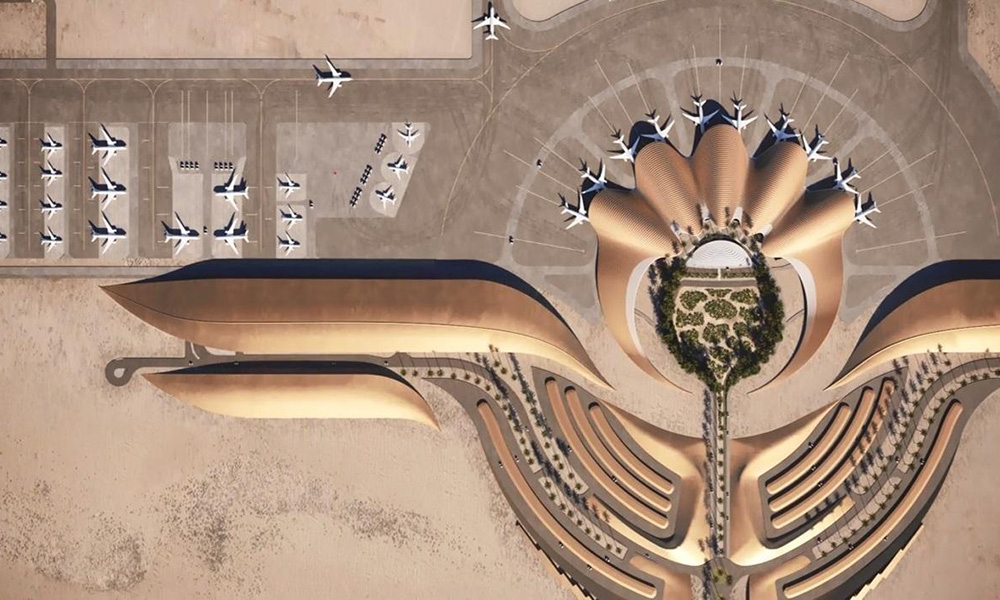
Middle East Construction News (MECN) is closing its site reader survey on 29 September 2022, following which one lucky participant will be the winner of a brand-new Apple Watch!

Take the five-minute MECN reader survey by clicking here – make sure to answer all the multiple choice questions before 12pm on 29 September (Thursday).

“We’ve had great responses so far and are now eager to close off this survey and get down to the business of revamping the site. We chose to extend the survey for a few extra weeks as we wanted to capture as much information as possible, so we can make informed decisions on its new aesthetics and the direction we take our content in,” said Jason Saundalkar, Head of Content at MECN.

MECN was established over 10 years ago and has set itself up as a well-respected entity within the regional construction industry. The site features construction related news, C-suite interviews, analysis, expert opinions, features, videos and much more.

“Although the survey has already revealed that a lot of readers are fans of MECN’s existing look, we reckon its time for a change, so we can deliver a far better user experience, no matter the device being used to consume our content. The redesign will enable us to shine a brighter, more consistent light on key construction topics and will bring a number of other exciting enhancements,” added Saundalkar.

Following the close of the survey, all of the participants will be entered into a raffle and one winner will be picked automatically by computer. MECN will then announce the winner and contact them to arrange for collection of the Apple Watch.

Take the five-minute MECN reader survey by clicking here.

The post Last chance to win an Apple Watch with Middle East Construction News appeared first on Middle East Construction News.


Source: ME Construction News

Accor_1000x600-1.jpg

September 27, 2022 foasummit0

Accor is set to open one branded residential project every six weeks throughout 2023 and 2024 – further adding to its global portfolio of over 130 branded residential projects. The company said that it has been operating private residential communities for more than 20 years, managing a diverse collections of homes under premium, luxury and lifestyle brands.

The branded residences are operated on both a managed and franchised basis across 22 of the group’s brands, with a growing development emphasis on India, Turkey, Africa and the Middle East regions, where more than 40% of new projects will be based. These will augment the existing portfolio in terms of branding, market positioning and their core lifestyle proposition, Accor noted.

In March 2022, Abu Dhabi’s Aldar announced the launch of Louvre-branded residences.

The group is already responsible for some of the most luxurious branded residences in the region, including planned residences at the soon-to-open Raffles Jeddah in Saudi Arabia. The property will provide exclusive accommodation and easy access to the area’s most desirable shopping malls and main streets, as well as the historical centre of Jeddah, it stated.

In 2021, Accor and Ennismore entered into a joint venture to create what’s billed as the world’s largest lifestyle hospitality company, which includes clusters of branded residences within its eco-system. Accor and Ennismore are now expanding their branded residences reach with over 130 (either operating or pipelined) residential projects across no fewer than 33 countries, with more to follow, the group confirmed.

In August 2022, Select Group and Jumeirah Group partnered to launch new branded residential development in Business Bay.

“Ennismore branded residences represent approximately one quarter of Accor’s existing network and pipeline, with SLS, Mondrian and Hyde leading the charge, with eight operating and sixteen pipeline residences between them. Ennismore will open five residences projects in the region over the next three years. The first Mama Shelter Residences in the world will also open in Dubai in 2024,” explained Louis Abi Abboud, Vice President Development & Deputy Head of Middle East, Africa, India and Turkey for Ennismore.

In September 2022, DAMAC said it was adding an ultra-luxurious mansion development to its DAMAC Hills development.

The post Accor to open 38 branded residences by 2024 appeared first on Middle East Construction News.


Source: ME Construction News

Nakheel-CEO-Naaman-Atallah-2-1.jpg

September 27, 2022 foasummit0

Dubai-based master developer Nakheel has unveiled its new brand promise for the next phase of growth. The firm said its new positioning supports the Dubai 2040 Urban Master Plan and will reinforce Dubai as a global destination of choice, and position it as the best city to live in the world.

The developer said it will further support the master plan’s goals of providing the highest standards of urban infrastructure and facilities, developing vibrant and inclusive communities, fostering greater economic activity and positioning Dubai as an aspirational city to visit, live and thrive in. The Dubai 2040 Urban Master Plan was unveiled by His Highness Sheikh Mohammed bin Rashid Al Maktoum in March 2021.

In November 2021, the developer announced the redevelopment of Jebel Ali Village.

“This is an exciting transformational phase for Nakheel, which is synonymous with Dubai’s journey of growth, developing landmarks including Palm Jumeirah, The Palm Tower and Palm West Beach. By focusing on building happiness and prosperity, the Nakheel re-brand reflects its focus on the wellbeing and quality of life for citizens, residents and visitors, enhancing communities and building for Dubai’s future, whilst curating meaningful and rewarding experiences,” explained Nakheel CEO Naaman Atallah.

Atallah added that the re-brand is a natural evolution that will see Nakheel focus even more on its customers, offering exceptional brand value and creating stronger, more engaging relationships by becoming partners in their experiences.

In January 2022, Nakheel launched a new luxury villa community at Tilal Al Furjan.

He remarked, “At the same time, we will continue to transform land and water into vibrant, sustainable cities through our internationally recognised developments and unrivaled experiences for all. We are building today for a better tomorrow.”

The Nakheel re-brand campaign will be visible across multiple communication channels including digital, outdoor and social. This multi-format is designed to resonate with residents and visitors, reflecting their own experiences in Dubai, or aspirational experiences they would like to embark upon, he concluded.

Later in January 2022, the developer appointed ASGC to build 620 homes at Murooj Al Furjan.

On 5 October, Middle East Consultant will host its Wellness in Construction Summit in Dubai. Registration is complementary but mandatory for construction professionals.

The post Nakheel unveils new brand focus in line with Dubai 2040 Urban Master Plan appeared first on Middle East Construction News.


Source: ME Construction News

Manitowoc-MLC250_1_1000x600-1.jpg

September 27, 2022 foasummit0

Manitowoc has modernised one of its most popular cranes over the last two decades with a host of new features from the MLC range, the company has announced.

According to the manufacturer, the Manitowoc 999 lattice-boom crawler crane has been updated and upgraded into the MLC250, including significant updates but retaining the characteristics that have built the 999’s reputation in the infrastructure, refinery, and commercial building end markets.

Key specifications largely remain unchanged, with the new MLC250 using the same boom sections that provide a maximum boom length of 88.4m and class-leading load charts. One key change is the switch to open-loop hydraulics, versus the closed-loop system on the 999. Now, every main function, apart from the swing, is powered by the same two main pumps, reducing parasitic load.

In September 2021, the firm said it had updated the Grove TMS9000-2 truck crane with more power and faster setup while, in June 2022, it launched a new version of its Potain MCT 565 for short-jib applications.

Several major changes have also been made to the carbody, so its counterweights now double as part of the upper deck and serve as a more stable walking platform, replacing the 999’s walkways that pivoted over the counterweights.

“The Model 999 has been a firm favorite with contractors in the heavy construction and energy sectors for 20 years, providing enough reach and capacity to tackle virtually any job,” said Brennan Seeliger, Product Manager at Manitowoc Cranes.

He concluded, “Feedback received through our Voice of the Customer new product development process showed that users were still satisfied with its performance, but there were areas that could be enhanced to bring it in line with our newer crawlers. Following a wide range of updates, it seemed only logical to move the 999 into the MLC line-up, which shares many of those same features.”

In August 2022, Manitowoc confirmed Jennifer Peterson as its General Counsel.

For more news and content relating to construction machinery and accessories, visit Construction Machinery Middle East’s new digital home at https://constructionmachinerymenews.com.

The post Manitowoc modernises lattice-boom crawler crane appeared first on Middle East Construction News.


Source: ME Construction News

Digitalisation_1000x600-1.jpg

September 26, 2022 foasummit0

The construction sector is a major contributor to global and regional GDP, and acts as an incubator for innovation and advancements, the problem is that it is not seen nor appreciated as such. As the world faces uncertain times, history tells us that turning to construction will help sustain jobs, drive growth, and allow economies to come out of the other side with enhanced infrastructure. Therefore, the significance and impact of the global construction industry cannot be understated.

Meeting the new challenges as well as overcoming the old will not be possible without embracing digitalisation. The needs of populations are evolving as influences left over from the pandemic and rising awareness of climate change impact public consciousness, politics, and economics; all of which have technological solutions which are proving to be invaluable.

First let us consider the ‘old’ problems, the principle one being the productivity gap – it has been widely reported that construction productivity has either been stagnant or in decline since the early 1970s. There are numerous issues with trying to measure productivity in the industry, as sometimes the statistics can be hard to get or to validate. However, the scale of the gap with other industries cannot be explained away by mere mismeasurement. The industries that have accelerated their productivity growth have at least one thing in common; they have all digitalised.

If we subscribe to the causal relationship between digitalisation and productivity growth then construction businesses could have been considered lagging, however the most cited data comes from reports produced by management consultants almost half a decade ago.

Since those reports, the world has changed; the industry has become more self-aware, digital transformation programmes are common, digital natives have entered leadership positions and the pandemic forced us to adopt digital tools. Those reports also implied that as an industry, we were purposefully being resistant to change, but recent events have proved this not to be the case. Costs and accessibility were a barrier to digitalisation for the construction industry, both of which are no longer the case, with the prices of both hardware and software declining and internet connectivity becoming more ubiquitous.

A strong argument can be made that construction is one of the most traditional industries and thus it has been facing issues in adapting to digitalisation, however manufacturing is equally as traditional, yet they are often used as a comparator for productivity growth. It is no coincidence then that construction is borrowing techniques from manufacturing to industrialise production of building elements, with the ever-wider utilisation of modular and prefabricated methods of construction; great examples can be found on residential projects in Dubai (I live in a house which was built using precast slabs, walls, columns, and beams) and on hospitality giga projects in KSA.

Another advancement that we have seen over the past five years is the use of common data environments (CDEs) as a centralised repository for all project related information across the entire lifecycle. CDEs have expanded their reach and capabilities in sync with the proliferation of cloud computing which, usually, for construction has kept pace with adoption in other industries. CDEs allow for a single source of truth and make data accessible to all project stakeholders in a controlled manner, helping to remove inefficiencies and potential errors, all helping to improve productivity.

The widespread use of CDEs mean that the industry is digital data rich, much of this data is structured and easily accessible, this has led to a revolution in the way that decisions are made, using business intelligence tools to visualise data instead of thick wordy reports. This allows insights to be gleaned much more effectively and accurately.

Apart from these there are many digital tools and technologies being explored, the difference to five years ago is that these are being more readily piloted, which speaks to the change in attitudes to researching and adopting new technology, I have seen robots, 3D printers, drones and various levels of AI being deployed across the industry. I am convinced that this openness to looking at new technology is a lasting consequence of the pandemic, when we were forced to adapt and found that it wasn’t all that bad.

The ’new’ problems which the industry faces are partly because of having a larger digital footprint and partly due to its oversized carbon footprint. The issues associated with the former come in the form of cyber security threats, navigating data sovereignty (which is often geo-political) and skills shortages. These are being addressed through better education and training as well as employing people from diverse and non- traditional talent pools such as video game developers and data scientists.

The issue of climate change and our industry’s contribution to it is one that will inevitably involve technological solutions; from using IoT devices to measure baselines and track improvements, to utilising AI to design more efficient buildings and building elements. The maturity of BIM and the availability of data is allowing asset owners to visualise their assets in greater detail than ever before; these digital twins can be utilised to understand how an asset is performing and make decisions how it can be optimised.

Although we still have a way to go and the journey to transform digitally may never truly end, we are much further along than five years ago where we were being derided for being only marginally more digitised than agriculture and farming. Challenges still exists, but they are starting to be less about accepting change and more about how to make that change stick. These challenges stem from trying to use traditional techniques and processes to procure, evaluate and manage the new ways of working.

Despite these challenges we should be proud of what we have achieved and celebrate the successes. Instead of allowing management consultants with vested interests to tell us how far we are behind, we must remind them that it is us that will be at the forefront of providing solutions for the challenges to come.

Read more:

The post The state of the union on digitalisation appeared first on Middle East Construction News.


Source: ME Construction News

Nad-Al-Hammar-Mall_1000x600-1.jpg

September 26, 2022 foasummit0

UAE retailer Union Coop has completed Nad Al Hammar Mall, a retail destination located in the Nad Al Hammar area of Dubai. The mall features 17 shops with a total commercial area of 21,331sqft on the first floor, which will also contain a Union Coop hypermarket spread over 42,943sqft.

A statement from Union Coop said that the destination will open its doors on 29 September and will consist of two floors with 26 shops and three kiosks on the ground floor. It will be spread out over 117,349sqft of land, and will offer 157 parking spaces, in addition to outdoor parking spots available in the area.

In August 2022, Emaar said it was considering selling online fashion brand Namshi and was given investor go ahead in September 2022.

Announcing the launch, Engineer Madiya Ahmad Al Marri, Investment Division Director, said the new retail facility falls in one of the community mall categories. The mall is distinguished by its vital location, as it will serve the residents of Nad Al Hammar and its surrounding areas, she stated.

“Also, it has received an overwhelming response from investors and tenants, as all the shops in the new mall have been rented out and that too in record time,” remarked Al Marri. These include a mix of renowned international and local brands as well as pharmacies, restaurants, cafes, perfume shops, jewelers, health clinics, salons, fabrics, and abaya tailoring units, she added.

In September 2022, DMCC said all office space at its Uptown Tower has been fully pre-lease and, later in the month, Sweid & Sweid said it was launching a new commercial project in Dubai Internet City.

Harib Mohammed Binthani, Operations Division Director at Union Coop highlighted that the new mall would increase the proportions of the strategic stock of goods in the cooperative, and will include new shopping patterns, as it contains well-known international and local brands.

Mohammed Berregad Al Falasi, Admin Affairs Department Director pointed out that work on the administration offices and the setting up of internal warehouse equipment was completed in record time. Despite the timely work, Union Coop did not neglect the aspect of the urban architectural designs of the new mall – it has an architectural addition to the area characterised by modern and distinctive facades with its stunning lighting and innovative designs, the statement said.

The mall has also allocated a special corner for charities in spaces and donation boxes, as is the case in all Union Coop centres, the statement concluded.

The post Union Coop announces completion of Nad Al Hammar Mall appeared first on Middle East Construction News.


Source: ME Construction News

Barakah-Nuclear-Energy-Plant_1000x600-1.jpg

September 26, 2022 foasummit0

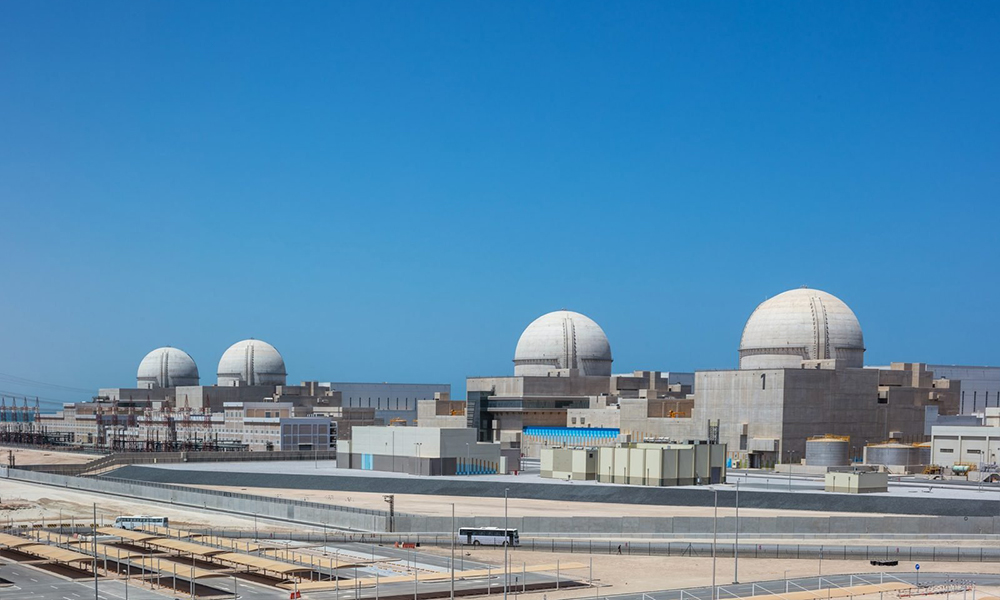
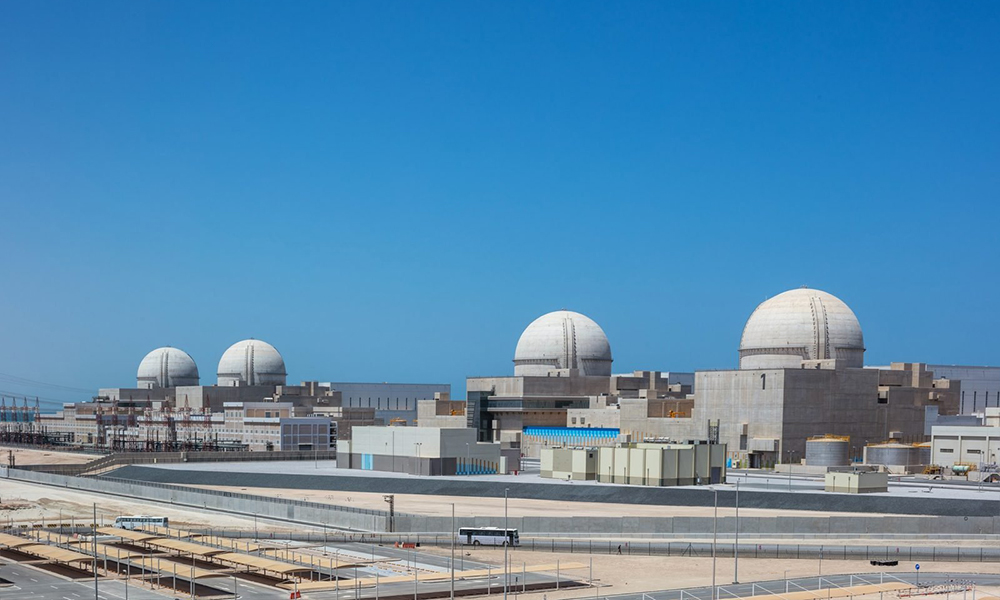
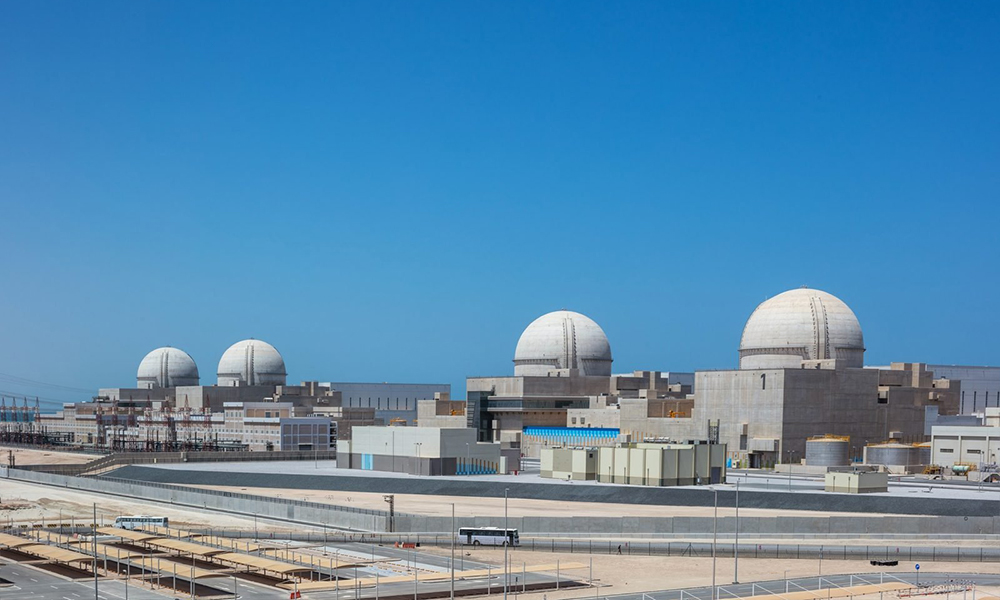
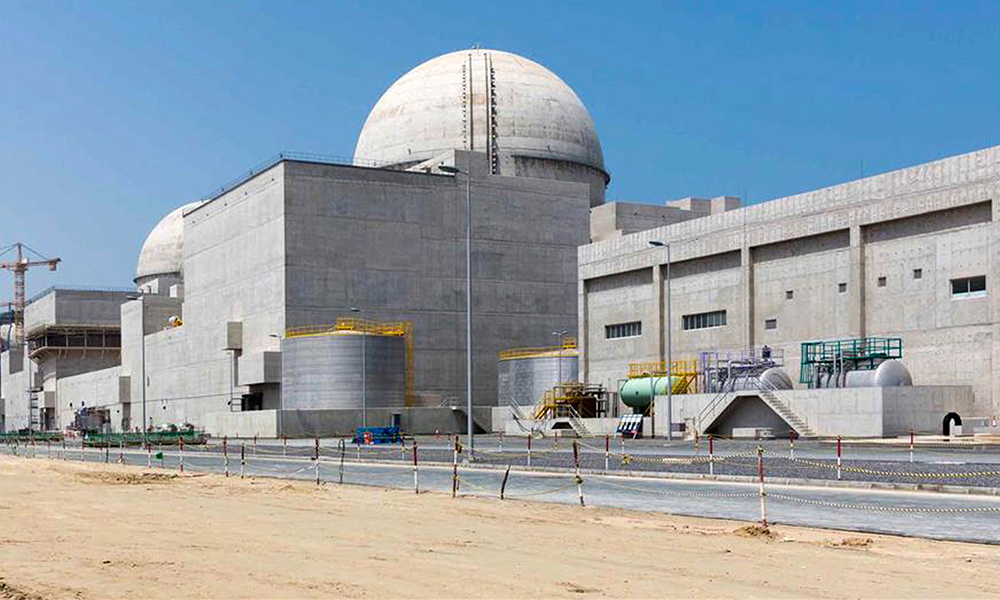
Emirates Nuclear Energy Corporation (ENEC) has announced that its operating and maintenance subsidiary, Nawah Energy Company (Nawah), has successfully started Unit 3 of the Barakah Nuclear Plant.

The start-up of Unit 3 shows the significant progress being made in bringing the four units of the Barakah Plant online, according to ENEC. The nuclear plant, said to be the first multi-unit operational nuclear plant in the Arab World, is located in the Al Dhafra region of Abu Dhabi in the UAE.

The milestone highlights the acceleration of the decarbonisation of the UAE’s power sector on the way to Net Zero by 2050; the start-up of Unit 3 has been achieved one year after the start-up of Unit 2, with the next key milestone being the connection of Unit 3 to the national electricity grid in the coming weeks, the statement added. Construction of Unit 3 was completed in November 2021.

Mohamed Ibrahim Al Hammadi, Managing Director and Chief Executive Officer of ENEC, said: “We have reached another major milestone in the delivery of the UAE Peaceful Nuclear Energy Program today, as we move forwards with the provision of strategically significant clean energy for the UAE.”

Unit 3 will add another 1,400MW of zero-carbon emission electricity capacity to the national grid, a major boost for UAE energy security. The clean electricity generated at Barakah is sustainably powering homes, business and high-tech industries across the UAE, ENEC pointed out.

Nawah, the joint venture nuclear operations and maintenance subsidiary of ENEC and the Korea Electric Power Corporation (KEPCO), has been safely progressing through a comprehensive testing program, prior to successfully completing the start-up of the third nuclear energy reactor of the Barakah Plant, ENEC said.

Testing is being undertaken under the continued oversight of the UAE’s independent nuclear regulator, the Federal Authority for Nuclear Regulation (FANR), and follows the World Association of Nuclear Operators’ (WANO) completion of a Pre-Start-Up Review (PSUR), prior to receipt of the Operating License, which ensures Unit 3 is aligned with international best practice in the nuclear energy industry.

In August 2021, ENEC said Unit 2 of Barakah Nuclear Energy was powered up.

Start-up is the first time Unit 3 has produced heat through nuclear fission. The heat is used to create steam, turning a turbine to generate electricity. Making use of the experience gained in the start-up of Unit 1 and Unit 2, the qualified and licensed team of nuclear operators conducted numerous safety tests after safely loading fuel into the reactor earlier this year, ENEC explained.

In the coming weeks, Unit 3 will be connected to the national electricity grid and the operations team will continue with the process of gradually raising power levels, known as Power Ascension Testing (PAT). The process will be continuously monitored and tested until maximum electricity production is reached, while adhering to all regulatory requirements and the highest international standards of safety, quality and security.

Unit 1 and Unit 2 of the Barakah Plant are operating commercially, providing clean and reliable electricity 24/7, while Unit 4 is in the final stages of commissioning prior to completion of construction.

The post Unit 3 of Barakah Nuclear Plant successfully starts, ENEC announces appeared first on Middle East Construction News.


Source: ME Construction News