Al-Marjan-1.jpg

September 22, 2022 foasummit0

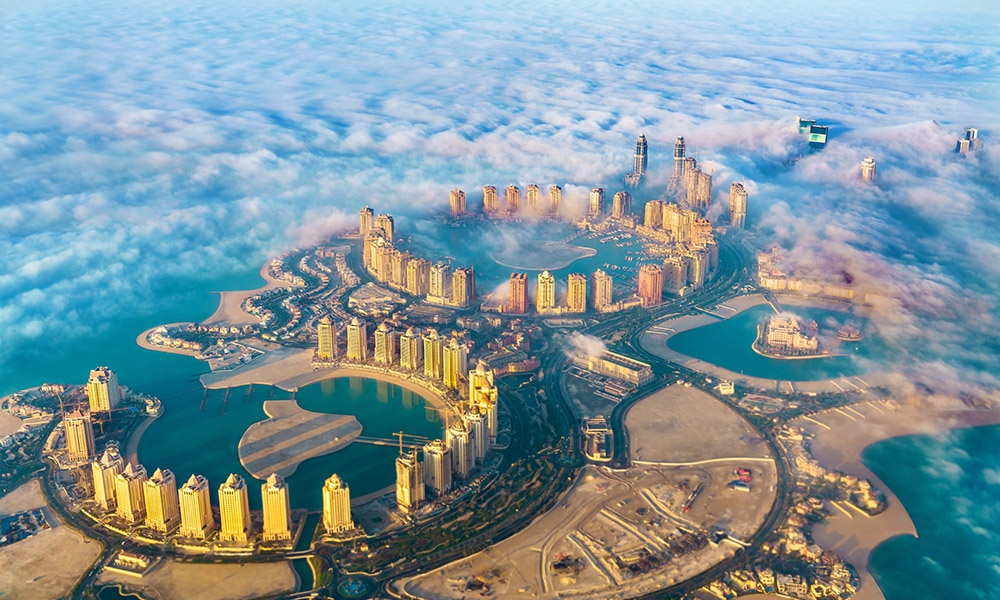
Abu Dhabi National Hotels (ADNH) has acquired a prime plot on Al Marjan Island in Ras Al Khaimah to develop a $272mn luxury resort with 1,000 rooms, spread over one million sqft.

The move highlights the appeal of Al Marjan Island as a foremost UAE tourist destination, with several global hotel operators already making significant investments, said ADNH, an operator of hotels, catering, tours and transportation.

“Ras Al Khaimah’s strength is its fully diversified economy with the leadership focused on promoting trade, tourism, hospitality, and manufacturing. Over the years, the emirate has strengthened its reputation as an investment, hospitality, and tourism hub, attracting high-profile investments and featuring world-class assets,” said Abdulla Al Abdooli, CEO of Marjan.

In January 2022, Marjan said it was joining forces with casino player Wynn Resorts to bring a gaming resort to Ras Al Khaimah. In April 2022, RAK Hospitality sold Rixos Bab Al Bahr Ras Al Khaimah to Aldar Properties for $209.6mn.

He added, “Marjan continues to establish high-end projects in the hospitality, leisure and sports sectors to support the destination strategy of the emirate. The investment by ADNH to develop a luxury resort in Al Marjan Island reflects its confidence in the potential of the destination and will catalyse additional investments.”

Khalid Anib, CEO of ADNH stated, “At ADNH, we are confident that our investment in Ras al Khaimah will create strong returns to our shareholders and enhance the UAE as a leading travel and hospitality destination. This luxury resort will complement our existing portfolio across Abu Dhabi and Dubai.”

Al Marjan Island is said to have more than 3,000 hotel rooms, including the Hampton by Hilton Marjan Island, Mövenpick Resort Al Marjan Island, Rixos Bab Al Bahr Hotel, DoubleTree by Hilton Resort & Spa Marjan Island and Marjan Island Resort and Spa. It’s become a destination offering strong lifestyle experiences with pristine beaches stretching over 7.8km, along with a 23km waterfront, the statement concluded.

In May 2022, HKS Architects was appointed as the design consultant for Wynn Resorts on Al Marjan Island while, in August 2022, CBRE said that it advised Aldar Properties on a $221mn RAK hospitality deal.

The post Al Marjan Island to host new 1,000 room luxury resort appeared first on Middle East Construction News.


Source: ME Construction News


Dubai-Creek-Harbour_1000x600-1.jpg

September 22, 2022 foasummit0

Shareholders have approved Emaar Properties’ acquisition of Dubai Creek Harbour from Dubai Holding, the master developer has announced. Shareholders have also approved the sale of Namshi Holding to Noon AD Holdings from its key retail subsidiary Emaar Malls Management. The announcement is the result of a General Meeting on 21 September.

According to Emaar, shareholders approved a motion to acquire assets from Dubai Holding and the issuance of a mandatory convertible bond with an aggregate value of US $1.02bn to Dubai Holding. The acquisition deal was originally announced in mid-August.

In April 2022, Emaar Development said it would handover 8,500 residential units by the end of the year.

This represents the share element of an overall consideration of $2.04bn to be paid equally in cash and shares of Emaar Properties, thus making Dubai Holding the second largest shareholder of Emaar, the statement noted.

As per the motion, the mandatory convertible bond will be convertible into 659,050,967 new shares in Emaar, and the company’s share capital will be increased to $2.4bn on the conversion of a such mandatory convertible bond.

The sale of Namshi to Noon is said to comprise a total cash consideration of $335.2mn, representing a premium of $34.6mn on the total investment by Emaar Malls Management in Namshi.

The sale is said to represent Emaar’s strategy to divest assets which are not reflective of its core business, with proceeds to be reinvested into the real estate development business, building on its core elements and offering a sustained value for shareholders. Emaar originally announced it was considering the sale of Namshi in mid-August.

The transaction is expected to close in the coming months, subject to meeting various conditions, including, inter alia, final regulatory approvals, the statement concluded.

The post Emaar investors approve Dubai Creek Harbour acquisition appeared first on Middle East Construction News.


Source: ME Construction News

Gary-Wong-Global-Industry-Principal-Infrastructure-and-Water-AVEVA_1000x600-1.jpg

September 22, 2022 foasummit0

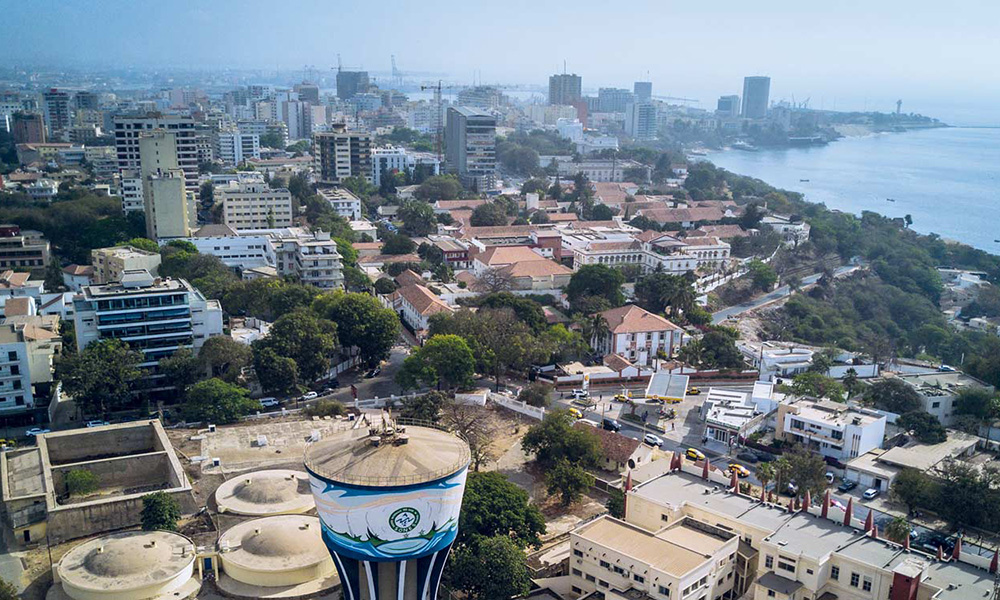
The twin challenge of urbanisation and climate change are taking their toll, in the form of increasing water scarcity in cities around the world.

More people are moving to urban areas – already half the world’s population (55%) lives in cities, and the United Nations expects that number to rise to two thirds (68%) within just a few decades. At the same time, climate change is already seeing large swathes of the planet being affected by drought, with coastlines being eroded and livelihoods disappearing. In 2022, more than 2.3bn people face water stress, while almost 160m children are exposed to severe and prolonged droughts.

Yet, although more than 70% of the planet is covered in water, only 3% of it is drinkable, and a significant portion of these freshwater resources is locked in glaciers and ice caps. Worse, water demand is projected to increase by 30% by 2050, with the UN’s forecasting a global water deficit of up to 40% by 2030.

In response, an increasing number of cities are imposing water restrictions to tackle the problem. Santiago and Los Angles are two of the latest. National governments from The Netherlands to Brazil have also formulated policy frameworks to regulate water production and management.

However, ensuring access to water – a fundamental right for everyone and part of the United Nations’ Sustainable Development Goals – increasingly requires real-time onsite management that helps circumvent the challenges of increasing water scarcity.

To that end, municipalities across the world are turning to digital technologies such as data analytics, artificial intelligence (AI) and machine learning, and the industrial internet of things (IIoT) to support their water security needs. By generating valuable predictive business insights and improving operational resiliency, these smart city solutions can help authorities understand water needs, preserve existing water sources and minimise leakage in order to increase the availability of clean water for all.

How Naples manages water systems remotely

As hybrid workplaces become the norm but supply and distribution challenges increase, digital technologies are already supporting water and sewage management.

Gori centralises water services to 74 Italian municipalities in and around Naples, including Salerno, Vesuvius, and the Isle of Capri, taking over from a patchwork of local providers. But calibrating the delivery of 207m cubic meters of water to more than 1.5m people across a 4,000km network as a single entity was becoming unmanageable at scale. A 2,240km sewage network spanning 13 treatment plants compounds the problem.

Gori’s SCADA team turned to digital technology to reconcile its significant operational challenges and reduce energy consumption along the way. The smart city solution implemented an integrated suite of software products providing operators with single-window access from both fixed and mobile stations. Since implementing the system, Gori’s operations have logged increases in both efficiency and sustainability. At its Mercato Palazzo plant, for instance, the remote monitoring and control system has led to a reduction in energy consumption by 45% or savings of about €80,000 per month.

How City of Salem predicts and assures water quality

The effects of climate change are complicating water management for utilities around the world, with events such as droughts and shifting precipitation patterns changing water availability patterns.

The City of Salem in Oregon faces a water quality hazard of a different kind. Warming temperatures have led to rising outbreaks of dangerous algal blooms on the lakes and rivers that supply the city with drinking water. Many of these algae produce hazardous cyanotoxins that pose significant challenges to water utilities, including grave safety risks, and costly interference to treatment processes. One such four-day event in 2018 led to a month-long drinking-water advisory, and eventually a declaration of emergency.

The city turned to a cloud-based data management platform to ensure it was never surprised by such a scare again. The scalable cloud data management platform brought together live data points such as water depth, weather information, water turbidity, satellite imagery and lab samples into a single, web-based interface. City officials then share this unified information with engineers, ecologists, mathematicians, and other analysts in real time.

The program puts previously unreachable data sources within officials’ reach, enabling them to run predictive analysis that forecast the need for water treatment a week in advance of any algal blooms and toxic hazards. That’s enough time for operators to take corrective action such as changing pumps and filters or redirecting water flow, ensuring that Salem residents always have clean and safe drinking water.

How Puerto Rico enhances asset resilience and efficiency

Improving asset efficiency can deliver immediate output gains while boosting asset resiliency and saving costs. The Caribbean territory of Puerto Rico lacks a source of fresh water. Yet, with more than three million residents and an equal number of annual visitors, demand for water continues to grow. The system serving them has grown to over 16,100km of water mains and aqueducts and 3,218km of sewage lines between 1,500 sites that service the island’s five regions. The island’s diverse and remote terrain means increased visibility and reduced travel is critical.

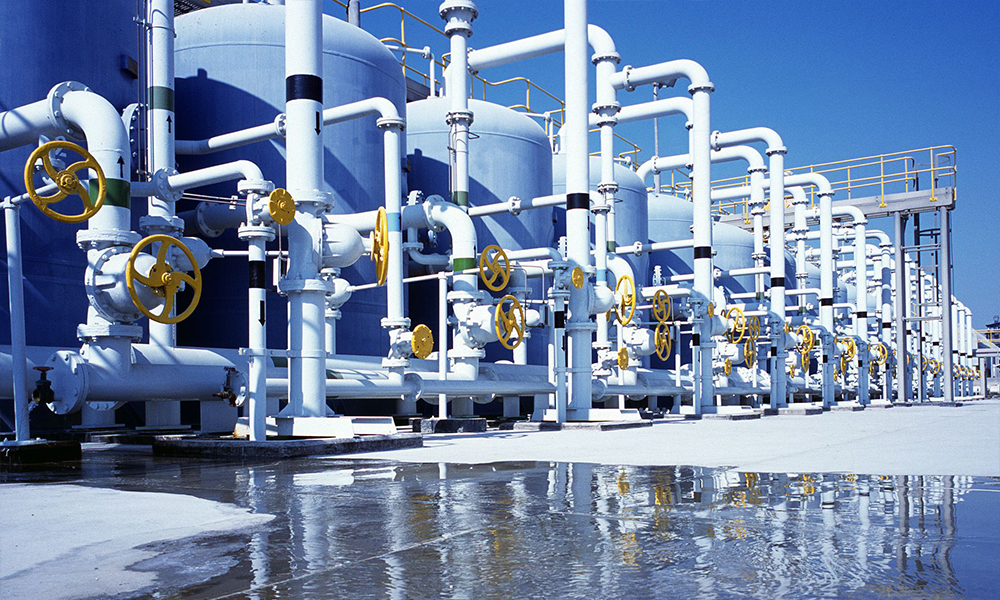
The Puerto Rico Water and Sewage Authority, already one of the more advanced utilities in the world, recently transitioned to a fully automated system with an integrated suite of solutions to reconcile the contradictory goals of increased water output, EPA compliance, improved efficiency and reduced costs.

Manual operations were eliminated wherever possible for proactive management of all aspects of the water and wastewater systems. Real-time diagnostics enabled operators to monitor the quality of the water and sewage treatment processes, troubleshoot problems, and make timely changes that help prevent compliance violations.

Tangible results included clean, EPA-compliant water, fewer shutdowns and improved customer satisfaction. Output has increased from 12m gallons to 20-30m gallons, while an estimated $15mn has been saved over seven years.

Smart water solutions improve access to water

With the incidence, severity, and complexity of water crises is on the rise, human effort alone cannot solve the mounting water challenges facing the world’s cities today.

Thankfully, the use of digital water technologies is transforming water and wastewater management in urban areas around the world. By embracing smart water management, municipalities and utilities can improve resource efficiency, optimise supplies, uphold water quality, and predict maintenance needs – all while avoiding costly disruptions. In the process, affordable access to water can be improved for everyone. Technology can help ease the water crisis – if we deploy it appropriately.

Read more:

The post How digitisation is helping cities provide clean water appeared first on Middle East Construction News.


Source: ME Construction News


6-Falak_1000x600-1.jpg

September 22, 2022 foasummit0

Real estate company Sweid & Sweid has launched 6 Falak, a commercial development in Dubai Internet City. The real estate firm said the project will grow its portfolio of Class-A office buildings and enhance its local market offering.

According to a statement, the project is located adjacent to the VISA CEMEA Headquarters building, on the key central artery of Al Falak Street. It is the third Sweid & Sweid project to be built within the technology cluster.

In early September 2022, DMCC said that the office space at its under development Uptown Tower had been fully pre-leased while, later in the month, the Dubai property market was said to have topped $6.6bn in the month of August.

6 Falak will deliver over 90,000sqft of leasable area built to institutional-grade specifications. Each floor will also offer outdoor terrace areas, and ground level common facilities include a private garden. Construction is due to commence shortly and is scheduled for completion by early 2024, the firm pointed out.

Commenting on the announcement, Sweid & Sweid Managing Partner Maher Sweid explained that the new project illustrates the continued innovation of the firm and its commitment to development in Dubai.

He concluded, “6 Falak represents a new generation of commercial developments that responds to a post-COVID era, with additional emphasis on collaboration and establishing a community within the building across multiple tenants, rather than traditional and more segregated office spaces. Coupled with tenants increased demand for quality that we continue to witness in Dubai, we believe 6 Falak has tremendous potential to be a resounding success. We remain steadfast in our commitment to delivering best-in-class commercial developments that aid and align with DIC’s vision to foster innovation and technology in Dubai.”

In September 2022, CBRE said it had been appointed to manage and lease Bahrain’s ‘Once Mall’.

The post Sweid & Sweid launches new commercial project in Dubai Internet City appeared first on Middle East Construction News.


Source: ME Construction News