Komatsu-Electric-Drive-Mining-Truck-930E-5_1000X600-1.jpg

July 1, 2022 foasummit0

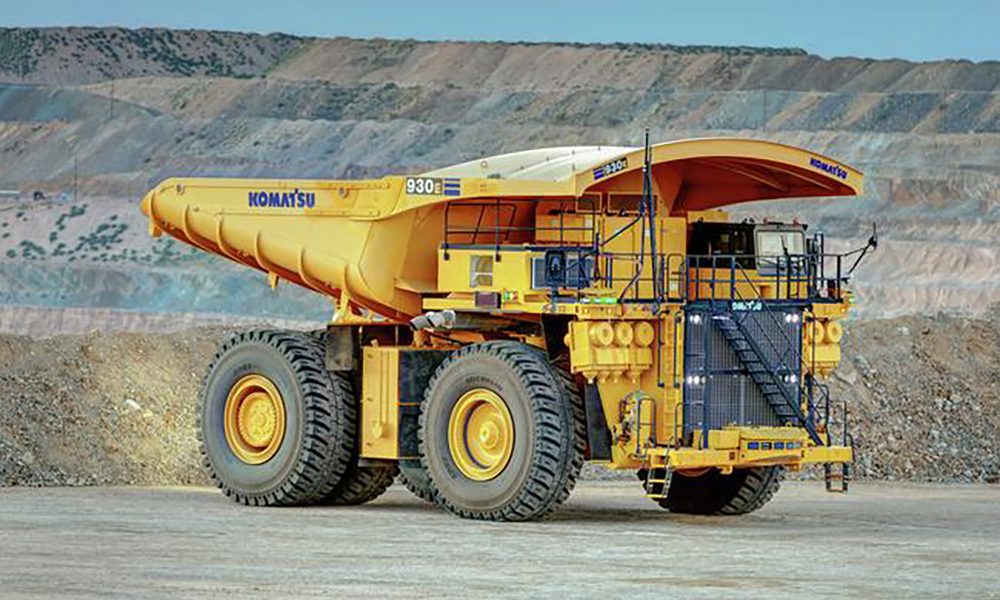
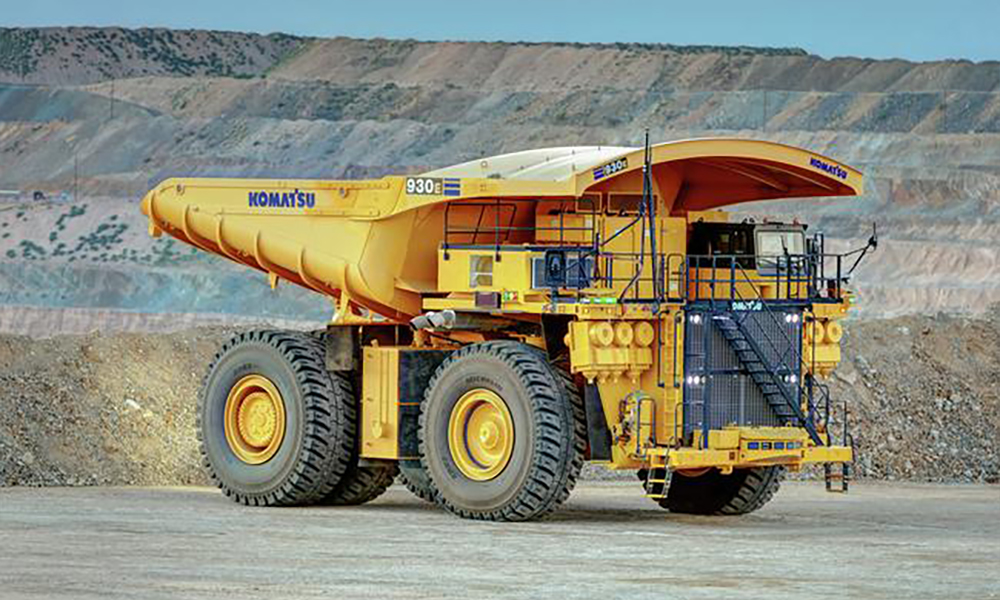
Cummins Inc. and Komatsu Ltd. have signed a memorandum of understanding (MoU) to collaborate on the development of zero-emissions haulage equipment. Building on a legacy of diesel engine partnerships across a wide variety of mining and construction equipment, the manufacturers plan to focus initially on zero emissions power technologies including hydrogen fuel cell solutions for large mining haul truck applications.

“Komatsu’s deep expertise in mining and equipment design and integration paired with our advanced power technologies including hydrogen fuel cells will accelerate decarbonisation of mining equipment,” said Amy Davis, Vice President and President of New Power at Cummins. “The mining industry has great potential to lead in adopting renewable solutions.”

In August 2021, Komatsu announced its power agnostic truck concept for a haulage vehicle that can run on a variety of power sources, including diesel electric, trolley, battery power and hydrogen fuel cells. Working with Cummins will complement  Komatsu’s development of the power agnostic truck.

Cummins has a broad portfolio of batteries, fuel cell systems and electrolysers (for generating hydrogen), that are key building blocks for decarbonisation. Together, the two companies have a long history in the global mining market and strong technical capabilities necessary to develop these new solutions.

“Cummins has been a long-term partner of Komatsu and has been investing in the key technologies required to support the energy transition in mining,” said Masayuki Moriyama, President of Komatsu’s Mining Business Division. “These are critical technologies for helping mining customers reduce carbon emissions and accelerate carbon neutrality. Building on our partnership with Cummins, we are working to accelerate sustainable solutions for our customers.”

As a company, Komatsu has targeted a 50% reduction in CO2 emissions from use of its products and production of its equipment by 2030 (compared to 2010 levels) and a challenging target of achieving carbon neutrality by 2050. The alliance’s initial target is advancing Komatsu’s power-agnostic truck concept, with a goal of commercial offering in 2030.

The collaboration with Komatsu is part of Cummins’ Destination Zero strategy to reduce the greenhouse gas (GHG) and air quality impacts of its products and reach net zero emissions by 2050. This commitment requires changes to Cummins’ products and the energy sources that power them. Additionally, Komatsu intends to explore further possibilities in zero emissions mining haul truck development.

In June 2022, Komatsu said it plans to expand its autonomous technology onto haul trucks by 2024. Later in the month, it said it would acquire Swedish attachments manufacturer, Bracke Forest AB.

The post Cummins and Komatsu to collaborate on zero-emissions mining haul trucks appeared first on Middle East Construction News.


Source: ME Construction News


Preeti-Mogali_1000x600-1.jpg

July 1, 2022 foasummit0

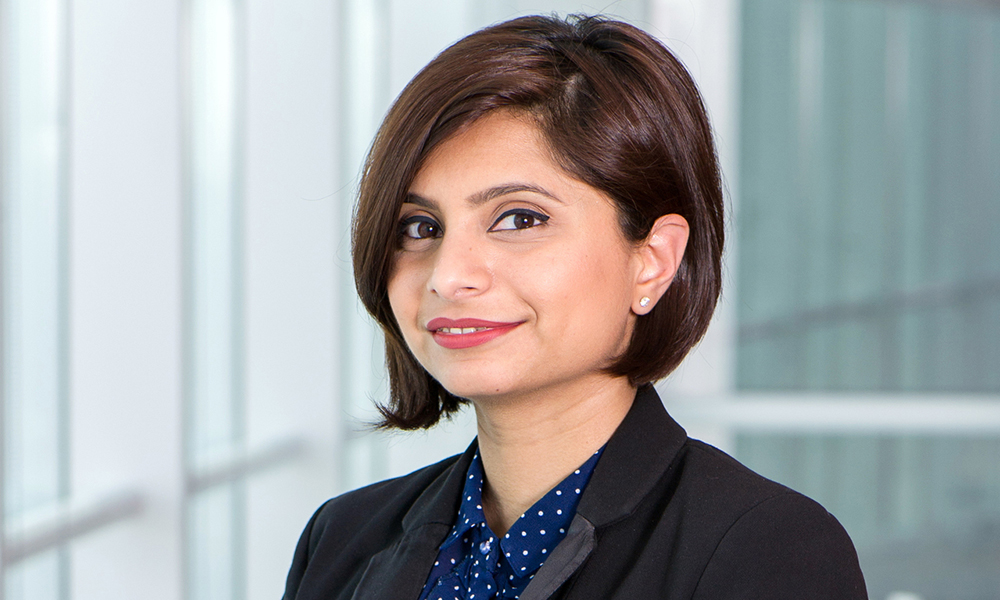
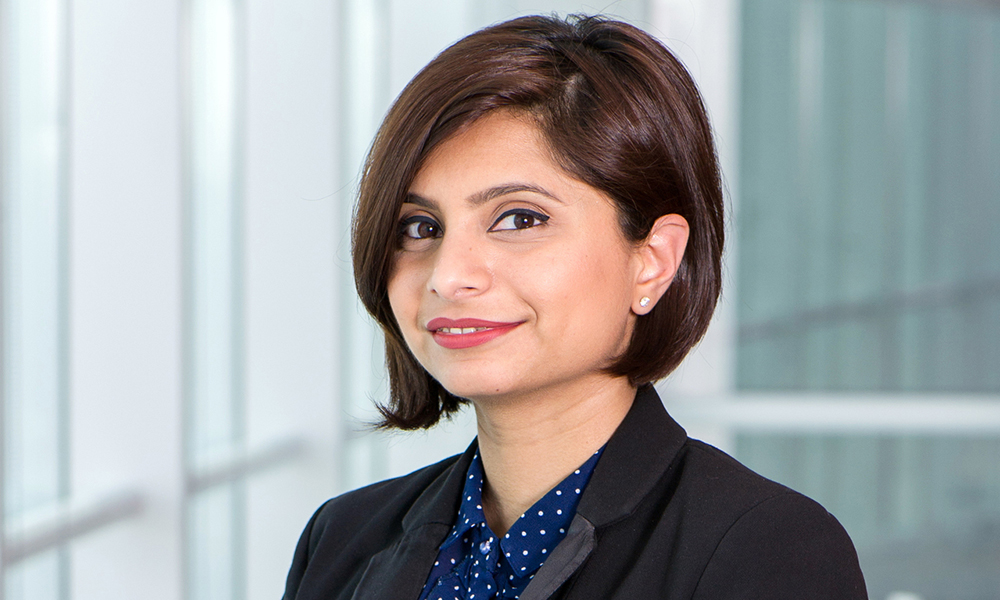
In an exclusive chat with Middle East Construction News (MECN), Preeti Mogali, Associate at CRTKL says that she foresees more regulations being passed by governments globally to force businesses to change, and become more sustainable.

“US President Joe Biden is calling for more stringent regulations with businesses being held accountable for their actions. Additionally, I foresee timelines for Net Zero accelerating and becoming quicker than current targets, with the UAE currently pledging to become Net Zero by 2050,” says Mogali.

Mogali made the comment in reaction to a recent report by the MWO, which said that there’s a 50:50 chance of global temperature temporarily reaching the 1.5-degrees Celsius threshold in five years.

She adds, “The announcement is not surprising but there is positive momentum in the built environment towards Net Zero. Awareness around sustainability is undoubtedly increasing but there is a mountain to climb for individuals, businesses and society as a whole towards a greener, low carbon future. CRTKL has committed to a planet-positive mind-set, implementing industry-leading climate neutral operations since 2020.”

Asked about her thoughts on why greenhouse gases (GHGs) are continuing to rise globally, despite concerted efforts by governments and organisations to limit them, she notes, “While GHG emissions are increasing globally, there are encouraging signs. For example, in 2019 we saw a 12% reduction in figures compared to the 2005 figures in the USA as per the United States Environmental Protection Agency. This follows a trend for developed countries as the UN Climate Change released statistics in 2020 showing that between 1990 and 2018, the GHG emissions of developed countries decreased by 13%.”

“However, while more developed countries are reducing their emissions, developing countries are responsible for 63% of current GHG emissions, according to the Center for Global Development. Every country in the world must transition towards Net Zero for the change to be effective. There are different parties involved and everyone needs to come together, so it can be achieved faster. CRTKL is ahead of the curve and was an early signatory of the AIA 2030 challenge, reporting since 2009 at its inception, making significant strides in the Net Zero direction.”

Commenting on what the biggest challenge is with regards to tackling GHG emissions in the built environment, she remarks, “The biggest challenge is reducing reliance on fossil fuels and it is encouraging to see the increased prominence of renewable energy throughout the region. Moving forward, we must design buildings that do not require as much energy.”

At Big Project Middle East’s recent Energy & Sustainability Summit, a panel discussion looked at the major interdependencies between the energy sector, the built environment and the transport and mobility sector, and discussed the opportunities, risks and recommendations for each to drive the Net Zero agenda forward. Another session also examined what it means to be carbon neutral as a construction company.

She notes that CRTKL has pledged all projects will be climate positive for operation by 2030 and including materials by 2040. “We are committed to a more sustainable future with projects, inspired by ecology, designed for people to live full, healthy lives with a minimal environmental footprint,” she points out.

Pressed about whether there is enough awareness about the built environment’s impact on the environment in terms of its GHG emissions, Mogali explains, “The built environment continues to be a significant challenge in the climate change crisis with buildings being responsible for 40% of GHG emissions. As architects, we create life and we want to contribute to the environment positively as by 2060 the building footprint is forecast to double, as per the World Economic Forum.”

She continues, “There is enough awareness on social and environmental sustainability in the industry but on average it takes 3-to-8% more from the initial upfront costs for a client to achieve a green building. Sustainability must be embedded to ensure awareness on the advantages of long-term social responsibility. As we build back better and support long-term growth, the built environment must design and implement sustainable projects to protect the planet, improve health and increase resilience. As an example, retrofitting buildings as a solution can ensure up to 30% saving on energy consumption with green certified buildings bringing economic savings to owners and environmental savings for the planet.”

Earlier, KEO’s Ioannis Spanos told MECN that reducing GHG emissions in the built environment requires a coordinated approach.

Offering a solution in response to a question about how construction industry stakeholders can quickly cut GHG emissions, she says, “The number one quick fix is to reduce wastage on construction sites and reuse materials as better management of precious resources will increase resilience and reduce wastage. In 2021, the UAE cabinet approved the UAE Circular Economy Policy, which supports the private sector in adopting clean methods that spur green development. Eliminating the constant need for construction stakeholders to extract resources and raw materials increases sustainability and reduces the carbon footprint.”

She concludes, “Technological innovations in low-carbon cement can cut three-quarters of GHG emissions in the industry by 2050 with operational advances enhancing sustainable construction significantly. Innovators have already implemented sustainable solutions with timber, a renewable resource that produces fewer GHG than other construction options, a nature-centric design increasing in prominence regionally. Heavy polluting building materials high-emitting building stocks can be repurposed innovatively to conserve energy and tackle GHG emissions in the built environment.”

A circular economy can drive the way forward for sustainable infrastructure according to Dr. Mohamed Nazier, WSP Middle East Managing Director – Transport & Infrastructure.


The post “There is a mountain to climb for individuals, businesses and society as a whole towards a greener, low carbon future” appeared first on Middle East Construction News.


Source: ME Construction News


AURAK_Siemens-contract-signing_1000x600-1.jpg

July 1, 2022 foasummit0

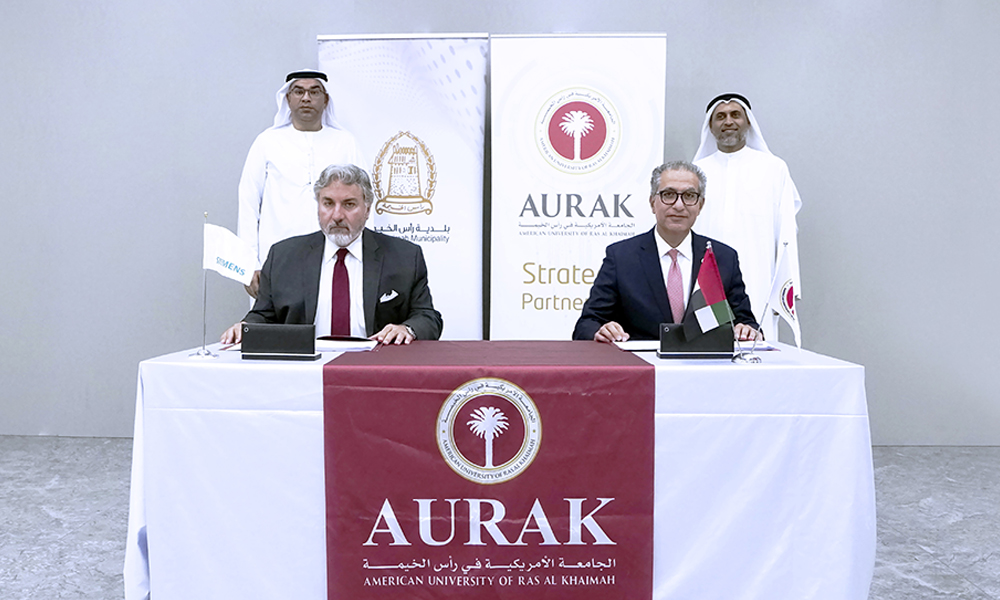
Siemens has announced it has partnered with the American University of Ras Al Khaimah (AURAK) to help the university reduce expenses and curtail carbon emissions. As part of the collaboration, Siemens will retrofit the air conditioning, ventilation, lighting and hot water systems, as well as install water conservation equipment and advanced energy controls across 19 buildings at the AURAK Campus.

It is estimated that these measures will save the university around $245,000 annually. The measures will also be guaranteed under Siemens’ leading performance assurance program, a statement added.

His Excellency Prof. Hassan Hamdan Al Alkim, American University of Ras Al Khaimah President, said: “The launch of this project marks another milestone in AURAK’s plan of environmental sustainability and energy conservation at our campus, and this comes in line with Ras Al Khaimah Energy Efficiency and Renewables Strategy 2040. By using energy and water more wisely on our campus, we will also reduce our carbon footprint.”

Siemens plans to address four levers of AURAK’s decarbonisation roadmap, the statement said. The first is to reduce consumption via the scope of this project. Subsequent phases will include producing energy on site by leveraging renewable technologies, transitioning to electrification, and carbon offsetting.

The Energy Performance Contracting Project aims to be completed before the end of this year. It is expected to reduce AURAK’s electricity consumption by 1.7mn kilowatt-hours, water by 1.8mn imperial gallons and carbon emissions by 700 metric tons, per year. This is the equivalent of growing more than 11,000 trees over 10 years, the statement added.

“Making university campuses smarter and more efficient is a top priority for Siemens globally and in the UAE,” said Franco Atassi, the CEO of Siemens Smart Infrastructure in the Middle East.

“Our collaboration with AURAK, one of the country’s most prestigious universities, is one example of what Siemens can do to improve the efficiency and environmental sustainability of buildings everywhere, from schools to factories to office buildings to entire cities.”

Ras Al Khaimah Municipality through REEM, its energy efficiency and renewables office, is serving as a technical advisor to AURAK.

In March 2022, Al Hamra showcased a five-year roadmap to boost investment, business, residential and tourism in Ras Al Khaimah, while later in the month, EtihadWE noted that 29 vital infrastructure projects worth $820mn were nearing completion in Northern Emirates including Ras Al Khaimah. The month also saw Al Hamra announce the $272mn Falcon Island residential project.

The post Siemens partners with American University of RAK to reduce carbon emissions appeared first on Middle East Construction News.


Source: ME Construction News


Manufacturing_1000x600-1.jpg

July 1, 2022 foasummit0

$2.72bn will be invested by the Abu Dhabi Government across six transformational programmes that are designed to more than double the size of the city’s manufacturing sector to $46.83bn by 2031. The government intends to offer increased access to financing, enhance the ease of doing business in the emirate, and is targeting greater foreign direct investment.

The new Abu Dhabi Industrial Strategy was launched by Sheikh Khaled Bin Mohamed Bin Zayed Al Nahyan, member of the Abu Dhabi Executive Council and Chairman of the Abu Dhabi Executive Office, and will strengthen the emirate’s position as the region’s most competitive industrial hub.

The strategy via the six programmes aims to create 13,600 skilled jobs with a focus on Emirati talent, and boost Abu Dhabi’s trade with international markets, with a goal to increase Abu Dhabi’s non-oil exports by 143% to $48.67bn by 2031.

Multiple initiatives, including a new circular economy regulatory framework, as well as new green policies and incentives, will help continue Abu Dhabi’s transition towards a smart, circular economy, powered by an industrial sector that champions responsible production and consumption across waste management, parts supply, and manufacturing, a statement said.

Commenting on the launch, which took place at Khalifa Industrial Free Zone (Kizad), Mohammed Ali Al Shorafa, Chairman of the Abu Dhabi Department of Economic Development (ADDED), said: “Abu Dhabi’s blueprint for a comprehensive industrial strategy is an ambitious vision that will guide the future of the emirate’s manufacturing sector, and shape a resilient and diversified economy for decades to come. In line with  the UAE’s industrial strategy, Operation 300bn, our roadmap will create the ideal environment for businesses to emerge and grow. It addresses our ever-growing productivity goals, helps secure future investor opportunities, safeguards our human capital and boosts job creation, and enables us to pre-empt evolving market conditions and shifting trends.”

He added, “The Abu Dhabi Industrial Strategy, which includes plans for a smart circular economy, catalyses value creation and ensures cost competitiveness. And with the combination of Abu Dhabi’s enabling public-private partner business ecosystem and investor-friendly regulations, we are ushering in a new era of economic growth.”

Falah Mohammad Al Ahbabi, Chairman of AD Ports Group remarked, “Building upon the UAE’s ambitions to develop and enact effective economic strategies that directly impact the growth of the local economy and advance its status as a leading player in international trade and industry, Abu Dhabi’s industrialisation strategy is a tremendous initiative that reflects our wise leadership’s promise towards achieving the sustainable transformation of our economy over the next decade.”

He added, “Leveraging the full potential of innovative technologies across the UAE’s industrial landscape, while also driving the development of a robust and diverse manufacturing sector, we will be able to realise the next stage of advancement for our national economy and elevate its position as a leading global industrial power. And while the global economy remains complex and disruptive, thanks to the strategic guidance of the UAE’s leadership, Abu Dhabi’s drive for industrialisation is aligning the emirate on an upward path that is bolstering non-oil GDP growth and at the same time facilitating a fast-growing, dynamic, and job-rich logistics and manufacturing ecosystem.”

While enhancing sustainability across the ecosystem in line with the UAE Net Zero by 2050 and the National Climate Change Strategy, the manufacturing industry’s ongoing evolution will be accelerated by the integration of advanced Industry 4.0 technologies to spur growth, competitiveness and innovation.

The strategy’s iniatives will also advance the emirate’s development into a global hub for future industries, with a focus on seven targeted manufacturing sectors: chemicals, machinery, electrical power, electrical equipment, transportation, agri-foods, and pharmaceuticals.

The six transformational programmes will be centered around a circular economy, Industry 4.0, talent development, ecosystem enablement, developing a homegrown supply chain and value chain development. Alongside the launch of the strategy, several new industry partnerships were signed.

In November 2020, AGS and Veolia announced plans to set up a PET recycling plant in Kizad to boost Abu Dhabi’s circular economy drive, while in February 2022, AD Ports Group inked a deal with Ghassan Aboud Group to launch Regional Food Hub – Abu Dhabi. In June, Faithful+Gould and Woods Bagot announced plans to build the new, 29,000sqm Masdar City Square.

The post Abu Dhabi launches $2.72bn drive to expand manufacturing sector to over $46bn appeared first on Middle East Construction News.


Source: ME Construction News


Dayim-Red-Sea_1000X600-1.jpg

July 1, 2022 foasummit0

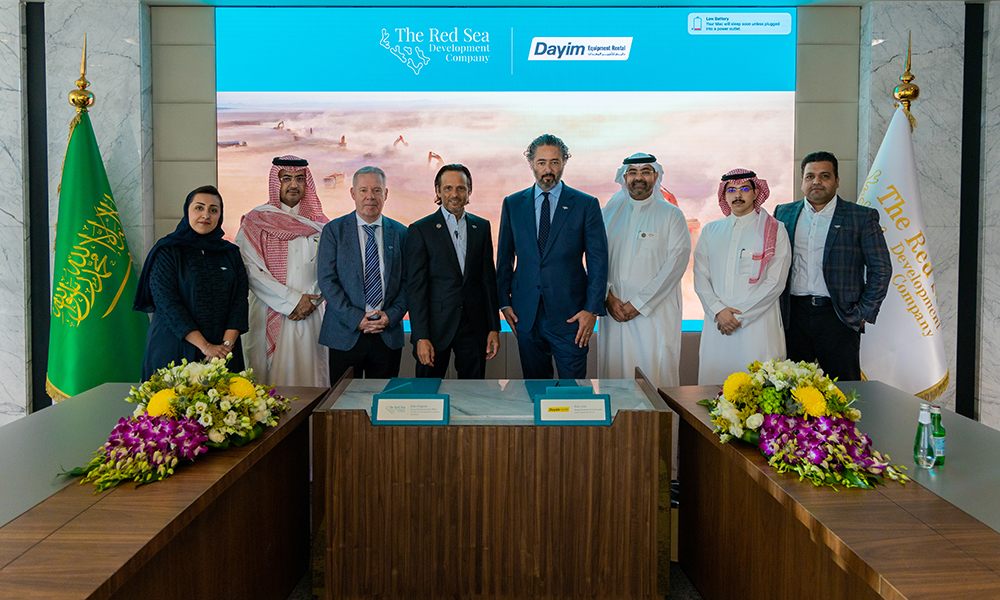
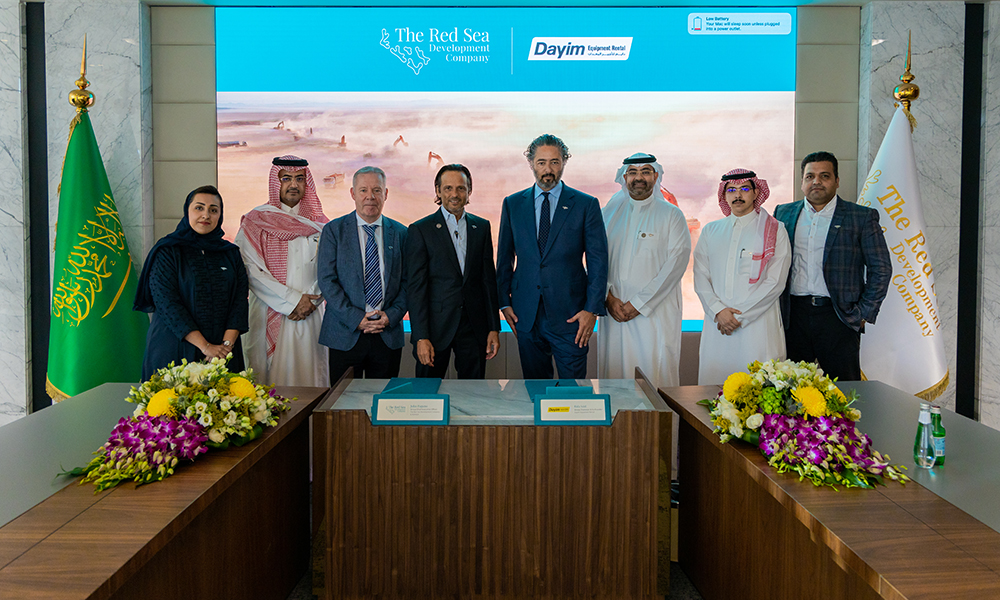
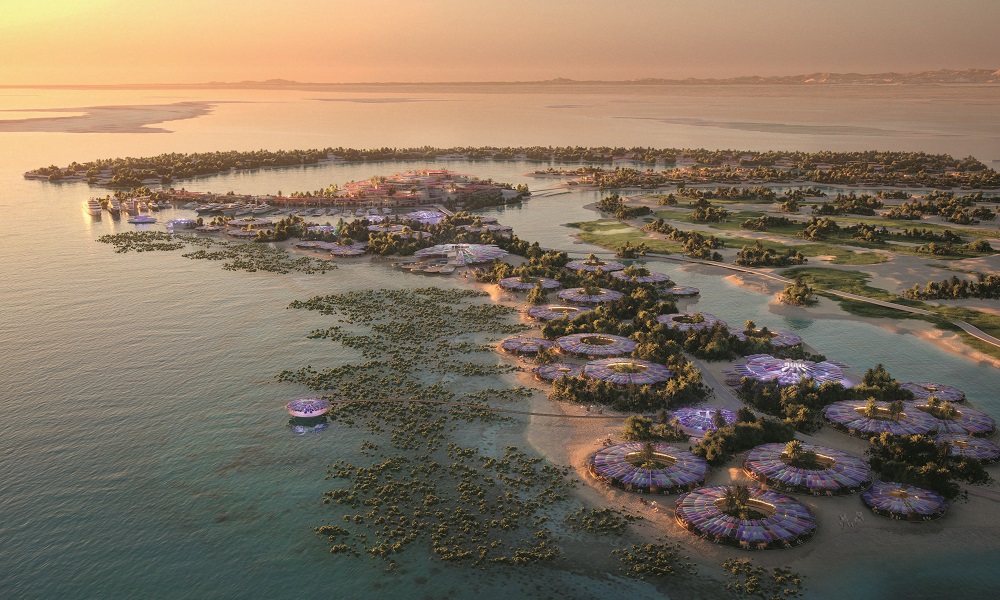
Dayim Equipment Rental has signed a deal to become the exclusive owner and operator of the PMV Fulfillment Centre for the AMAALA and Red Sea Project for The Red Sea Development Company.

Speaking exclusively to Mark Dowdall, Assistant Editor at Construction Machinery Middle East, Andy Carter, General Manager of Dayim Equipment Rental explained that as part of the deal Dayim Equipment Rental had been given a 10,000sqm piece of land on the project site, on which it will put and manage its own PMV Fulfillment Centre.

“It’s basically a Dayim operation but on the actual Red Sea Project so we are renting our core equipment, but we are also managing for the Red Sea Development company some of our non-core assets,” he said.

“Any requirements they’ve got for plant, equipment, vehicles or logistic support, we can do. We’re doing our normal equipment rental service offering but we are doing what we call a managed service, so we are managing the site as well. We are on the site checking all the equipment from the subcontractors, carrying out inspection checks on all the equipment so it’s not just an equipment rental place. And this is where we want to take the business. We want to be an equipment rental business, but we also want to show our expertise in managing services and what we know about plant and equipment.”

Dayim Equipment Rental has already started to mobilise its team for the project with a contractor on the ground ensuring everything is efficiently set up. “We have a Contractor Director who is setting it up now. Our offices will be there and we will have workshops there. We’re also putting a training facility on site, so we can carry out all the IPAF training for important things like working at height.”

With over 2,000 units in their power fleet, ranging from 30kVA to one MW, the company has one of the biggest fleets in Saudi which is currently its most active market. Already, this year it has made major investments into expanding its extensive fleet. Both its material handling and access fleet, which includes names such as Genie and Zoomlion, make up a large proportion of its portfolio alongside various forms of power and tower lights. With an established base in Saudi, Oatar and Kuwait the company hopes to have its UAE base set up by early next year.

In June 2022, Zahid Tractor said it was delivering Cat power solutions for The Red Sea Project, and later in the month, WSP & TRSDC said they were investing in decarbonised mobility solutions at the project. Later in the month, the TRSDC and ARCHIRODON said they had completed the installation of the last connecting piece for the crucial Shura Bridge project.

The full interview will appear in the July 2022 issue of Construction Machinery Middle East.

The post Dayim Equipment Rental to operate fleet facility for the AMAALA and Red Sea Project appeared first on Middle East Construction News.


Source: ME Construction News


Lorenzo-Candelpergher-2_1000x600-1.jpg

July 1, 2022 foasummit0

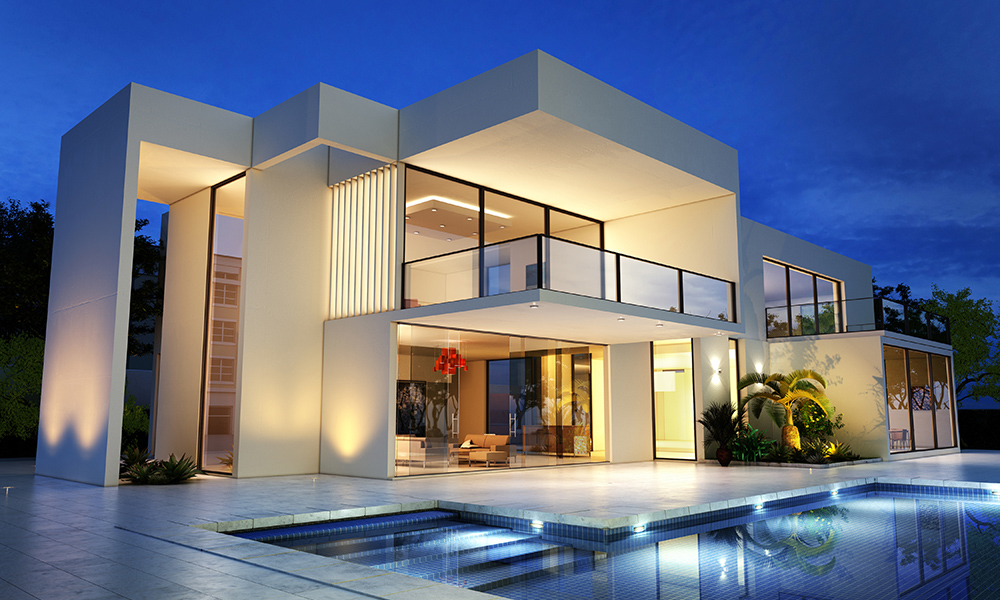
If there is an asset class in the real estate market that has not suffered any crisis as a result of the COVID-19 pandemic, it’s that of luxury residential properties. Across the GCC and especially in the UAE, as confirmed by multiple studies and statistics, the years 2020 and even more, 2021, have witnessed a significant surge in real estate transactions for prime luxury residential properties.

In a recent article published by Knight Frank, transactions for prime properties in Dubai recorded in May 2021 hit the third highest monthly total ever recorded, getting very close to the golden days of 2009. The rebounding of Dubai’s prime market echoes a wider global trend, signalling the start of a potential ‘Roaring Twenties’ for global real estate.

Associated with such transactions comes an equally significant positive trend for related construction activities, mostly renovation/refurbishment or complete strip-out and new fit-out projects and, to a minor extent, green field construction. All extremely capital-intense projects, where the mark of $3000 per sqm is not uncommon to see.

And yet, what is uncommon to see, are professional project management consultants (PMCs) hired for such high-end luxury residential projects. There is, in fact, a general misconception, in this niche market, that PMCs should only be retained for large and complex projects and that the cost of their fees, in a private residential construction project, would be an unjustified extra cost, eroding precious funds from the overall allocated budget.

Luxury Means Complexity

The ugly truth, however, is that high-end luxury residential projects are among the most time and cost inefficient ones in the construction industry. It isn’t uncommon to hear about projects lasting as much as twice the original planned time and costing 50% more than the original contract price.

Luxury residential projects are intrinsically complex for a variety of reasons: they often entail highly sophisticated technical solutions, with prime materials, finishes and technologies, difficult to procure, often coming from overseas; they are often designed by international interior designers, working from overseas and then supervised by local consultants who need to work in tight cooperation; they are executed by a number of different specialist contractors/suppliers, which require high coordination and interfacing; and, most importantly, they are commissioned by clients that often do not have any construction background, frequently have no idea of the typical bargaining/negotiating common practices in the Gulf Region but have, on the opposite, a very significant emotional involvement in the project, which often leads them to impulsive decisions and changes of heart.

These are only some of the most dangerous factors of complexity that have the potential to totally derail a high-end luxury residential construction project, causing great deals of frustration for endless misunderstandings and variations resulting in abortive works and re-works and associated claims, with substantial time and cost overruns, which is where many consultants and contractors thrive, to the detriment of their clients.

Complexity Calls for Project Management

It is in this context of complexity where a professional PMC can play a decisive role in protecting the client’s interests in a high-end luxury residential project.

From the definition of a proper project brief to the selection and appointment, with an comprehensive scope of services, of the team of design and works supervision consultants, the coordination of the design activities, the management of the tendering process, the negotiation of contracts, the overall coordination of the construction work, the timely and effective administration of the contractual matters, variations and claims, the stringent verification of the testing and commissioning and handover process, the thorough follow up of the snagging activities during defect liability period, a professional PMC can have a decisive impact on the trajectory of the project.

Not only by implementing efficient project control (time/cost management), risk management, document/communication management, contract management, variations/claims management procedures as an independent party with no vested or conflicting interests with any of the other stakeholders involved in the project, but also resolving conflicts, negotiating, mediating and often effectively bridging those cultural gaps between stakeholders that are unavoidably one of the most significant challenges in high-end luxury residential projects.

Project Management, a 200% ROI investment

On average, a properly delivered PMC could save a client easily 2x to 5x its cost. It may sound a bold statement but it is a consistently measurable and therefore verifiable recurrent fact that, wherever thoroughly involved, PMCs can achieve substantial savings for their clients, which are far in excess of the project management fees.

Some of the most common measurable savings may include, for example:

  • Opportunities for value engineering where the intended scope is achieved for a lower cost with reference to the original pricing presented by the contractor or the cost is maintained the same but higher specifications or additional scope is obtained for the same cost, with reference to the original pricing presented by the contractor
  • Reduced extra costs where the main design/works supervision and construction/installation/supply contracts are negotiated and reduced prior to awarding, with reference to the original pricing presented by the counterparts
  • Claims for time extensions presented by the contractor are avoided or reduced with reference to the original pricing presented by the contractor
  • Claims for additional works or extra-compensation for whatever reason presented by the contractor are avoided or reduced with reference to the original pricing presented by the contractor
  • Quotations for variations required by the project or specifically requested/instructed by the client for whatever reason are negotiated and reduced with reference to the original pricing presented by the contractor
  • Additional services, supplies, specialist sub-contracts, etc. specifically requested/instructed by the client for whatever reason are negotiated or reduced with reference to the original pricing presented by the relevant counterpart
  • Deductions/compensations negotiated with the contractor during or at the end of the contract for adjustments against incomplete or non-executed works, defective or rejected works are applied

These savings can be so significant and beneficial for the client that the best PMCs do not hesitate to discount their ordinary fees in exchange of bonuses on the savings. And the best part of it, is that clients end up happily paying for such bonuses, as their investment in a professional PMC yields a 200% (or more) return!

Read more:

The post Project management consultants, overkill or a necessity? appeared first on Middle East Construction News.


Source: ME Construction News


Facilities-Management_1000x600-1.jpg

July 1, 2022 foasummit0

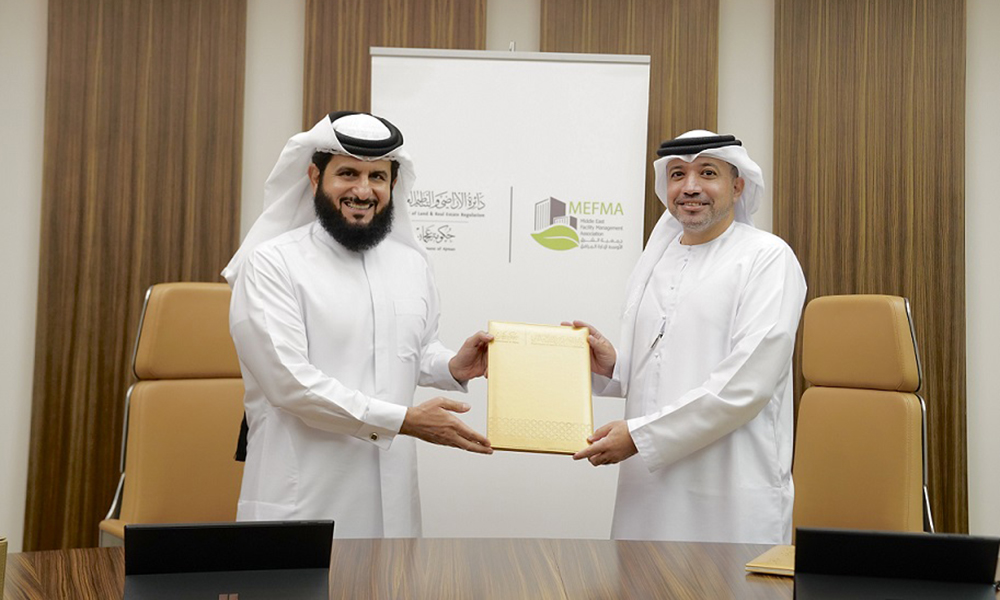
A Memorandum of Understanding (MoU) has been signed between the Middle East Facility Management Association (MEFMA) and Ajman’s Department of Land and Real Estate Regulation (RERA). The agreement aims to enhance, advance and unify facility management (FM) activities in the region.

Under the terms of the agreement, both parties will cooperate to implement research and educational programs, activities, and strategies to achieve common objectives. They will also support FM organisations and institutions to help them develop the best sustainable industry practices, the firm noted. Furthermore, MEFMA and RERA agreed to exchange knowledge to contribute to the development of the regional FM community.

“The MoU will lead to the creation of innovative solutions to modern FM-related challenges. Together, we can design a standardised framework for use by FM professionals in the Middle East. We will also support and initiate events focusing on networking, education, knowledge sharing, and legislative governance. Our aim is to help the industry by planning and managing facilities strategically. Through this collaboration, MEFMA can further expand its role in the growth of the regional FM industry,” said Jamal Lootah, Co-Founder and President of MEFMA.

H.E. Eng. Omar Ahmed Bin Omair Al Mheiri, General Manager, RERA said the MoU is part of RERA’s strategy to enhance the management of residential complexes and real estate projects in Ajman. He also stressed RERA’s commitment to the wise leadership’s directives to advance the real estate sector and cement the position of Ajman as a modern, attractive and integrated city, which offers luxurious and comfortable living to its residents. In addition, the directives bid to make Ajman a global economic hub and a preferred destination for investors and entrepreneurs.

Al Mheiri praised the efforts of MEFMA, its reputation and FM expertise. He noted that the partnership is pivotal to the work and the improvement of the performance of FM companies, in line with the vision of RERA. The MoU will also help enable both parties to meet the requirements of the occupants of various real estate development projects in the emirate, the statement noted.

The agreement allows RERA to access the best FM practices in the Middle East. The MoU will enable MEFMA to extend support to the real estate sector. Both MEFMA and RERA agreed to strengthen their collaboration and conduct research on the latest trends and developments in the FM and real estate sectors, the statement concluded.

MEFMA has previously organised sessions to discuss trends in the FM industry and highlight the importance of competitiveness, AI technologies, blockchain, energy management, smart facilities, & wellbeing in the workplace. In the broader FM sector, in February 2021, Global FM appointed Ali AlSuwaidi as Vice Chairman and in June 2022, Emrill said it was expanding its in-house offering via rope access cleaning service.

The post MEFMA inks MOU with Ajman’s Department of Land and Real Estate Regulation appeared first on Middle East Construction News.


Source: ME Construction News


Sharjah-Sustainable-City1_1000x600-1.jpg

June 30, 2022 foasummit0

As the global movement towards sustainable living gathers pace, real estate developers are becoming increasing cognisant about the importance of developing projects, especially residential and community ones, that answer a growing list of needs from potential investors – particularly those looking to live in their projects.

In the wake of the COVID-19 pandemic, sustainability has never been higher on the agenda for the real estate and construction industries, with studies showing that ESG-compliant strategies, carbon emissions, energy efficiencies and smart infrastructure are key criteria for investment.

Meanwhile, surveys of residents also show that there is a renewed focus on health, wellbeing and leading an active outdoor lifestyle, as well as a growing realisation about their social and environmental impact. As such, there is a greater demand for walkable neighbourhoods, open spaces, and buildings that are constructed with sustainability principles at the forefront.

These shifting mindsets are indicative of a wider trend across the globe, with industries such as the retail sector seeing a strong push from consumers to be more responsible and aware of their impact on the planet and on climate change.

The UAE has not been immune to these changes either, with real estate experts reporting that even with the country’s real estate markets – led by Dubai – having seen an upswing over the last two years, there is a strong emphasis on sustainability that wasn’t there previously.

Led by the UAE government’s policies, the built environment is being pushed towards finding economically feasible solutions that can help achieve national climate and energy goals. As such, the green agenda in real estate is now firmly in the mainstream, and no company has done more to put it there than Diamond Developers.
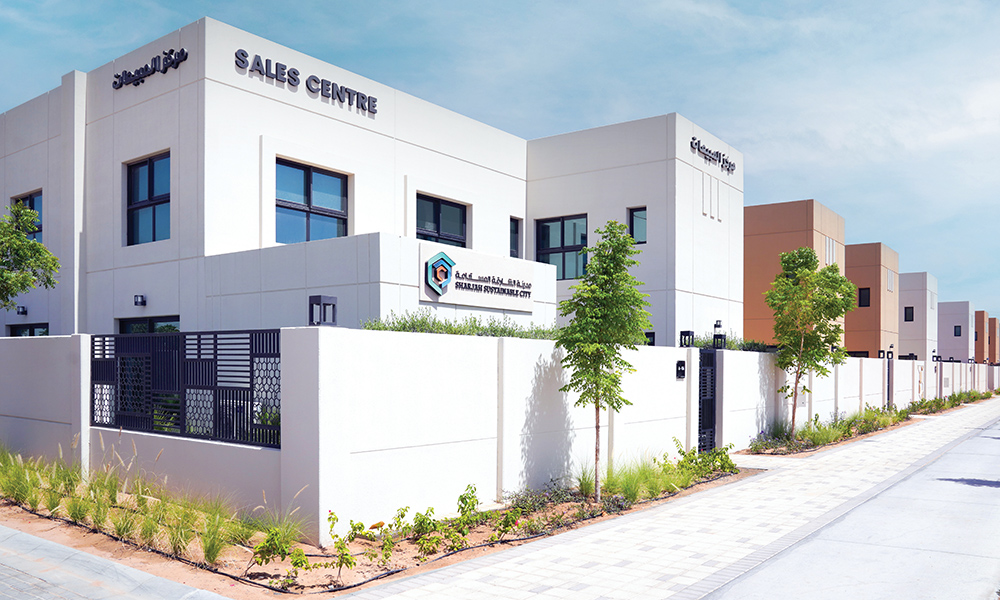
Set up in in 2003, the real estate development firm has long been an advocate for sustainable development. In 2010, having spent seven years developing buildings across Dubai, the developer launched its most ambitious project – a wholly integrated, fully sustainable residential community. Known as Dubai Sustainable City, the project has been a tremendous success since its completion and has been a launchpad for the developer to launch other sustainable cities around the region.

One of these sustainable cities is the Sharjah Sustainable City, which is being built as a joint venture between Sharjah Investment and Development Authority (Shurooq) and Diamond Developers. Launched in March 2018, the development is located in Sharjah’s Umm Fannain, Al Rahmaniya Area and aims to be a working model for future cities.

Built around three pillars of sustainability – Social, Environmental and Economic, the SSC embraces the concept of ‘living locally’ and provides practical solutions related to food security, water and energy management, as well as natural resources conservation.

Furthermore, as a fully integrated and Net Zero energy community, it is powered by renewable energy produced from rooftop solar panels and recycles its water and waste, while also producing its own vegetables and greens to enhance food security.

In order to fully comprehend the importance of this project, Big Project ME caught up with Karim El-Jisr, Chief Sustainability Officer at Diamond Developers, and Carl Atallah, Marketing Director at Sharjah Sustainable City, to hear from them about why their project is so important to the regional real estate landscape.

“Sharjah Sustainable City is a 67ha development, making it a bit larger than its predecessor or the ‘proof of concept’ in Dubai. It is divided into four phases and we’re now finalising Phase One. The expected handover will begin this month (in June) and will extend over a period of a couple of weeks or months,” says El-Jisr, adding that there is a 90% uptake of villas in Phase One.
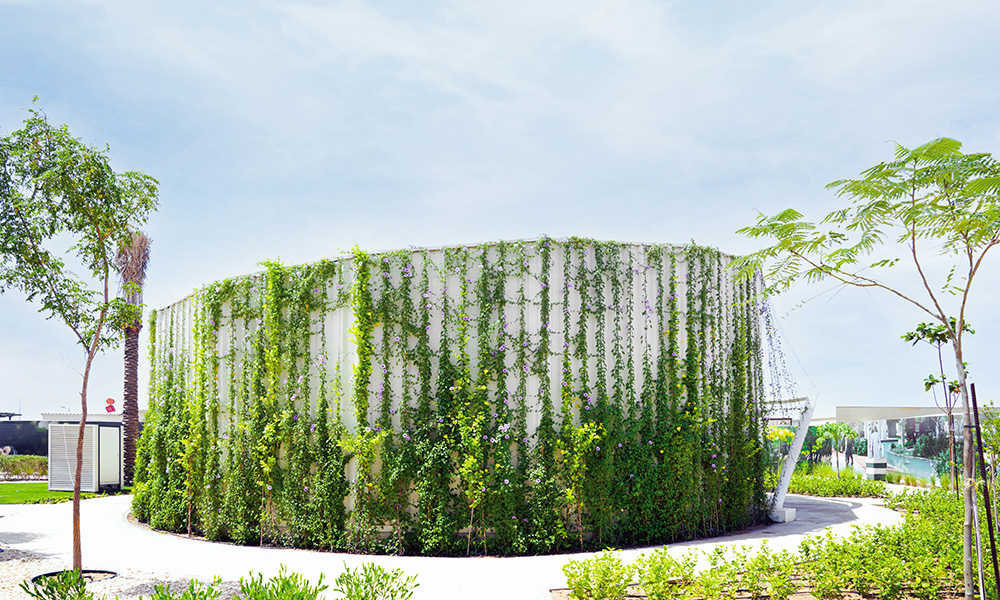
“Meanwhile, we also have an overlap because Phase Two construction has commenced as well, and you have overlapping phases. For now, however, all eyes are on Phase One, and the infrastructure surrounding it as well – this includes a portion of the spine, the ring road, the public spaces and domains, the pocket gardens inside the sikkas, the main entrance – all of these have to work together to begin to deliver the community,” he adds.

With Phase One on schedule and nearly ready for handover, Atallah says that attention is shifting towards Phase Two, which will also be handed over in Q3 or Q4 of 2022. However, he reveals that the next few phases of SSC, which is currently in a fairly remote area outside Sharjah City, will also be crucial in terms of improving accessibility to the development.

“The government has big plans for the Al Rahmaniya area,” Atallah says. “We’re the first-of-its kind project in Rahmaniya itself. You’ll see a lot of development in the road infrastructure, while the access from Mohammed Bin Zayed Road will also happen. We want people to access our site easily from the main highways. We know that our project is strategically located – there’s proximity to the airport, proximity to Sharjah is there, and facilitating access to the development is being worked on and is in the pipeline,” he explains.

He adds that while the project team has faced challenges along the way due to the pandemic, these haven’t been insurmountable, and the project is still within the handover timeline that was set contractually with clients.

“The client inspections happened a couple of months ago, and now it’s just a matter of us working with the government and the authorities to finalise connections and so forth. These are usually done at the last. The villas are almost done (for Phase One), and there’s a lot of landscape work happening now. We’re making the project greener,” he says.

While the pandemic may have posed a challenge to the delivery of the project, El-Jisr says that it also brought some unexpected opportunities along with it. One such benefit was the incremental interest in SSC and what it offers, as customers and buyers desired a change in lifestyle and placed greater importance on wellbeing.
“This is really an outcome of the pandemic – people now realise that lifestyle is so critical to wellbeing, mental health, having neighbours, access to nature and feeling safe and secure, as well as not being confined in a small physical space. That’s the opportunity (that was presented to us) by the pandemic.

“We’ve also seen a shift towards horizontal development, but also towards smaller units. Although we have four phases for the development, they’re not identical. In response to consumer demand, we’re accommodating some changes in the typologies,” El-Jisr adds.

Atallah points out that the pandemic has also had an interesting impact on buyer trends, with June and July of 2021 showing strong performance compared to historical data.

“This is because a lot of families – and a lot of the wealth – stayed over here, and people wanted to invest in safe investments. We saw a lot of local wealth being put into the project. The types of clients we get in Sharjah are a bit different to other emirates in that people tend to buy to live – it’s not the mindset of an investor – people want to come and live in the community.

“Going back to Phase Two, what I think we did well – and this because of our agility as we’re not a huge developer that has to go through a hierarchy of decisions – is that we heard from our customers when we built Phase One and we were very open about it. Some clients wanted certain things – there were two or three types of things that customers wanted, and we listened to that when working on the feasibility of Phase Two,” Atallah says, adding that this willingness and approachability has led to Phase Two being successful, as it caters to what customers actually want.

With Sharjah Sustainable City looking to be a fully integrated, Net Zero energy community that offers residents a sustainable lifestyle, Diamond Developers and Shurooq have worked with their project partners to introduce a number of state-of-the-art technologies.
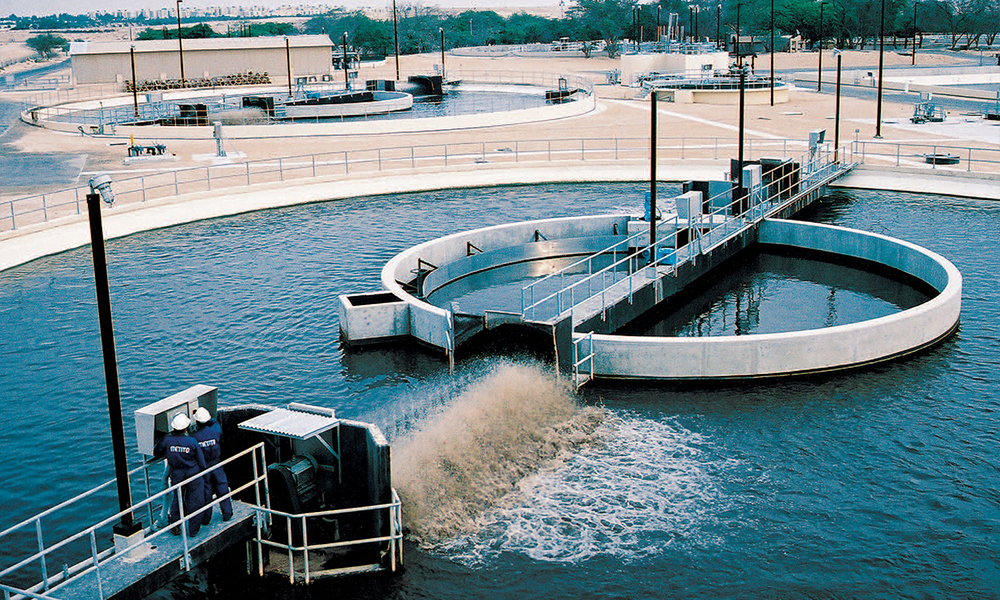
The project has been designed with the aim of reducing Sharjah’s carbon footprint and will be fully powered by renewable energy that is produced by solar panels, while water and waste will be recycled. Furthermore, agricultural produce will be grown within the development in biodomes, utilising modern technologies such as vertical farming to help create a self-sustaining community, while also generating savings of up to 50% on utility and energy bills, El-Jisr and Atallah say.

There will also be an extensive network of walking and cycling paths to promote an active lifestyle and clean mobility, thereby reducing emissions. This includes 11.8kms of rubberised jogging tracks, 1.6km cycling tracks, 8.4kms of pedestrian sikkas. The city will also feature electric mobility solutions, including charging stations for electric vehicles and a distance of 2.4kms dedicated to electric autonomous vehicles. These initiatives aim to improve the quality of life for residents without compromising the requirements of future generations, as well as providing opportunities for research on how residential communities can reduce carbon emissions.

Waste generated is utilised in order to create a circular economy, with plans in place to build a biogas plant to treat organic waste (food waste, green waste, and sludge) and convert it into electricity and/or thermal energy. In addition, residues from the biogas plant will be dried and used as fertiliser for landscaping, while a Sewage Treatment Plant (STP) to treat wastewater will produce Treated Sewage Effluent (TSE) for landscape irrigation, achieving 100% water recycling, and avoiding emissions associated with tankers.

Dubai Sustainable City was delivered in 2016, and since then sustainability technology has evolved considerably across multiple industries. However, where Diamond Developers benefited was by having a real-world environment to see what worked and what didn’t, and how effective those technologies were when asked to operate in the real world.

Therefore, when it came time to work on and deliver Sharjah Sustainable City, El-Jisr says that the team behind the project was able to take the lessons learnt from Dubai and use that acquired knowledge to develop an evolved version of the city in their plans for Sharjah.

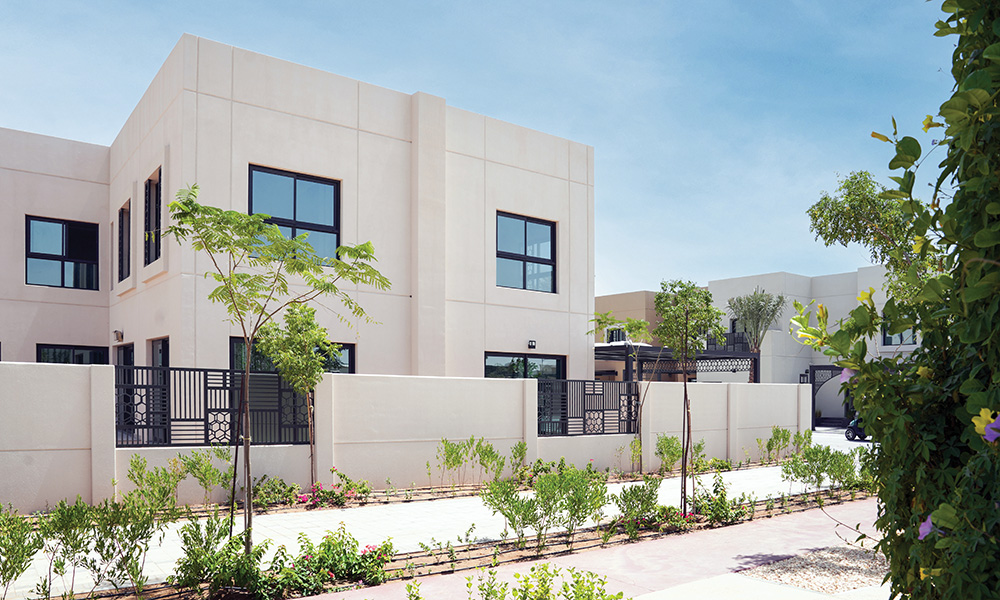
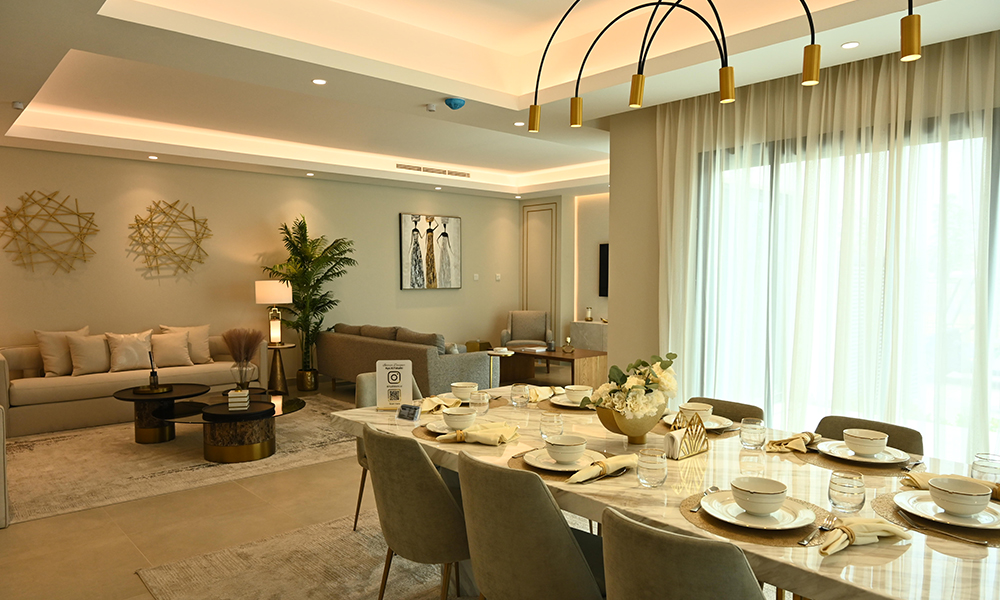
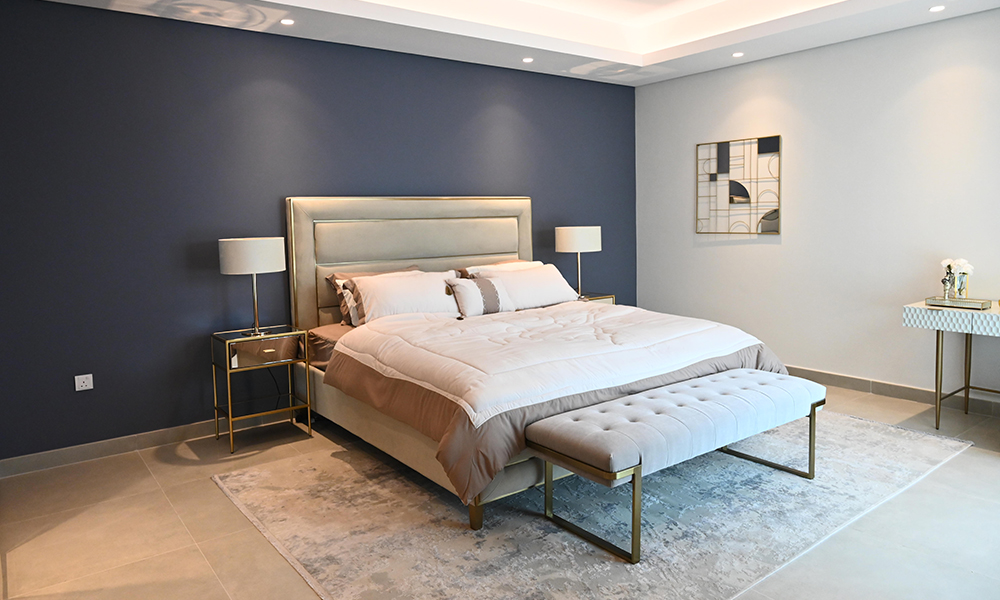
One such example is how the villas were oriented so as to maximise shading and avoid the sun, with all south-facing facades closed to reduce heat gains. The villas also have highly insulated UV reflective walls, while roofs and windows reduce air-conditioning loads electricity power consumption, and operational carbon.
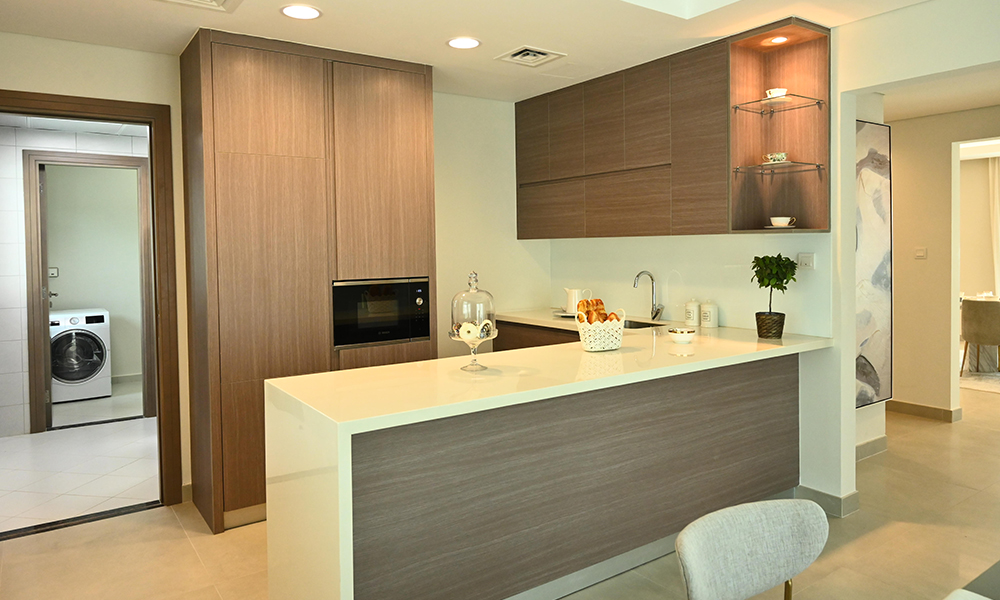
The villas themselves come equipped with a rooftop solar PV system, in addition to having been built with thermally insulated construction materials and windows, smart home automation, water-saving appliances, and energy saving electrical devices, the duo from Diamond Developers say. All of these measures are projected to deliver savings of at least 50% on electricity for residents, including cooling, compared to conventional housing in Sharjah.

Carrying this theme forward, in the outdoor areas, pavers with high Solar Reflective Index (SRI) to reduce heat gains and reduce thermal discomfort have been installed, they add.

“To give some context, the current Green Building Regulations and Specifications (in Dubai) require an insulation value (U) of 0.30 for roofs, 0.57 for walls, and 2.10 for glazing. In Sharjah Sustainable City we will achieve insulation values of 0.18 for roofs, 0.26 for walls and 1.20 for glazing, so as you can see our design is achieving impressive results and will significantly reduce the carbon footprint of the community,” El-Jisr explains.

“Cities like Sharjah Sustainable City are essential in showcasing the high standard of living that can be achieved in a sustainable community, to encourage other developers to follow suit and ensure the future health of our planet and its ecosystems, and air quality is of course a big component in this equation. Indoor Environmental Quality in the villas is ensured through natural ventilation. In the apartments and commercial outlets, Indoor Environmental Quality is provided through Fresh Air Handling Units (FAHU) and CO2 sensors,” he adds.

As Dubai Sustainable City continues to provide proof that the concept can work, and the ongoing interest in the Sharjah Sustainable City shows, the demand for sustainable living is only growing. In order to capitalise on this momentum, El-Jisr shares that Diamond Developers will soon be launching another sustainable city in Abu Dhabi, and that the developer has already launched a project in Oman, in cooperation with Omran.

“The Sustainable City is a brand, and it comes with certain guidelines, and these guidelines keep evolving so that we can capture the latest in technology, in lifestyle, or Artificial Intelligence, for example. Our vision is to seed one sustainable city in every emirate in the UAE and in every country of the world. We’ll start with the big climatic regions and then we want that seed to grow and inspire other developers and policy makers.
“As we move away from this climatic zone, we’re going to capture and see new opportunities in Southern Africa, in the Mediterranean Basin, in Europe, etc, where the climate is much more inviting and less challenging, which means that we can achieve sustainability (easier). By showing that we can do it (be sustainable) in one of the harshest climates in the world, it should be downhill from here,” he concludes.

Read more:

The post Site Visit: What’s cooking in Sharjah Sustainable City? appeared first on Middle East Construction News.


Source: ME Construction News


Caterpillar-Inc._1000x600-1.jpg

June 30, 2022 foasummit0

Caterpillar Inc. has announced it will move its global headquarters to the company’s existing office in Irving, Texas, from its current location in Deerfield, Illinois.

“We believe it’s in the best strategic interest of the company to make this move, which supports Caterpillar’s strategy for profitable growth as we help our customers build a better, more sustainable world,” said Chairman and CEO Jim Umpleby.

Caterpillar has had a presence in Texas since the 1960s across several areas of the company, however Illinois still has the largest concentration of Caterpillar employees anywhere in the world. The company will begin transitioning its headquarters to Irving in 2022.

In 2017, the manufacturer located a limited group of senior executives and support functions in the Chicago area reaffirming the ongoing importance of its presence in Peoria and Central Illinois.

However, as a result of continuing challenging market conditions and the need to prioritise resources to focus on growth, Caterpillar decided not build a headquarters complex in Peoria, which had previously been announced.

In August 2021, the company launched its Cat 777G Water Solutions truck and inked a partnership with BHP to develop zero-emission mining trucks. At the 2022 Construction Machinery Middle East Awards, the firm was shortlisted in two categories.

The post Caterpillar to move headquarters to Texas appeared first on Middle East Construction News.


Source: ME Construction News

Saudi-Arabia_1000x600-1-2.jpg

June 30, 2022 foasummit0

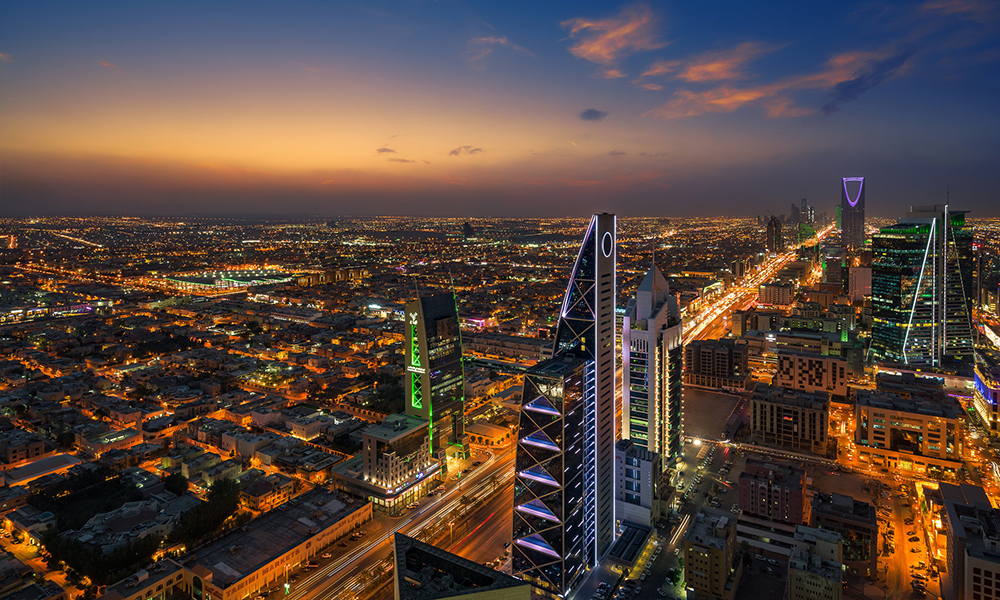
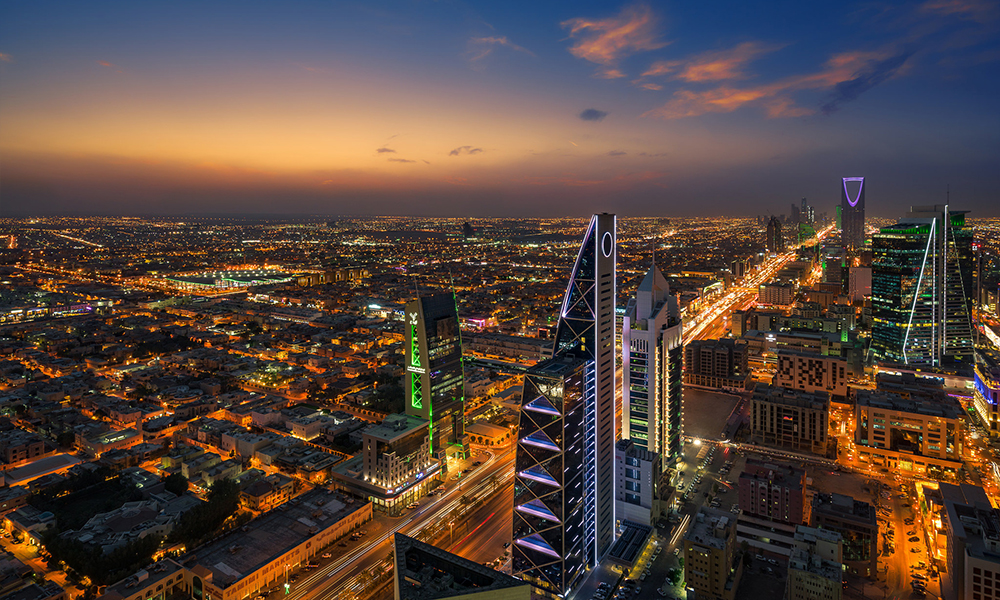
Saudi Arabia has announced plans to launch 93 projects, mainly linked the utility infrastructure development of the Kingdom, at an investment of US $2.26bn.

According to senior government officials, the projects are mainly aimed at boosting the environment, water and agriculture system in the region. They are set to be implemented by the Saline Water Conversion Corporation (SWCC), the National Water Company and the National Centre for Vegetation Cover and Combating Desertification, in co-ordination with the Saudi Undersecretary for Water, they added.

The projects will support water and environmental sustainability and raise the operational efficiency of waterway transportation and distribution, they highlighted.

Prince Faisal bin Bandar bin Abdulaziz, Governor of Riyadh region, will formally launch the 93 projects at a special ceremony being held on 30 June, in the Kingdom’s capital.

In October 2021, Cummins Arabia and SWCC announced plans to develop hydrogen plant in the Kingdom, and in March 2022, East Pipes signed a $132mn steel pipes contract with SWCC for a water desalination project in the country. In May, an Engie-led consortium said that it broke ground on a new sustainable desalination plant in the Kingdom.

The post Saudi Arabia to launch 93 utility infrastructure projects worth $2.26bn appeared first on Middle East Construction News.


Source: ME Construction News