Solar-PV_1000X600-3.jpg

June 10, 2022 foasummit0

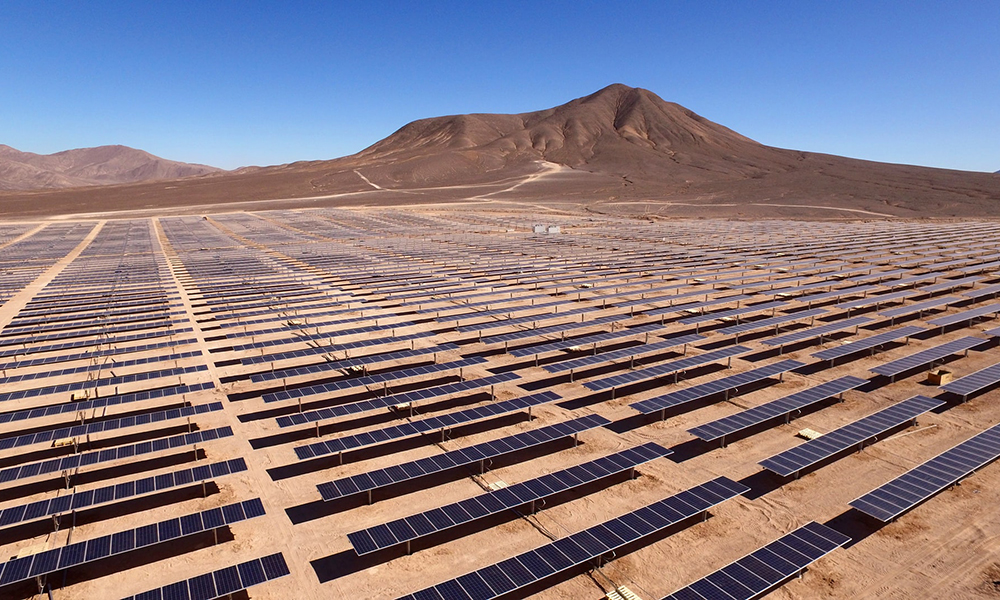
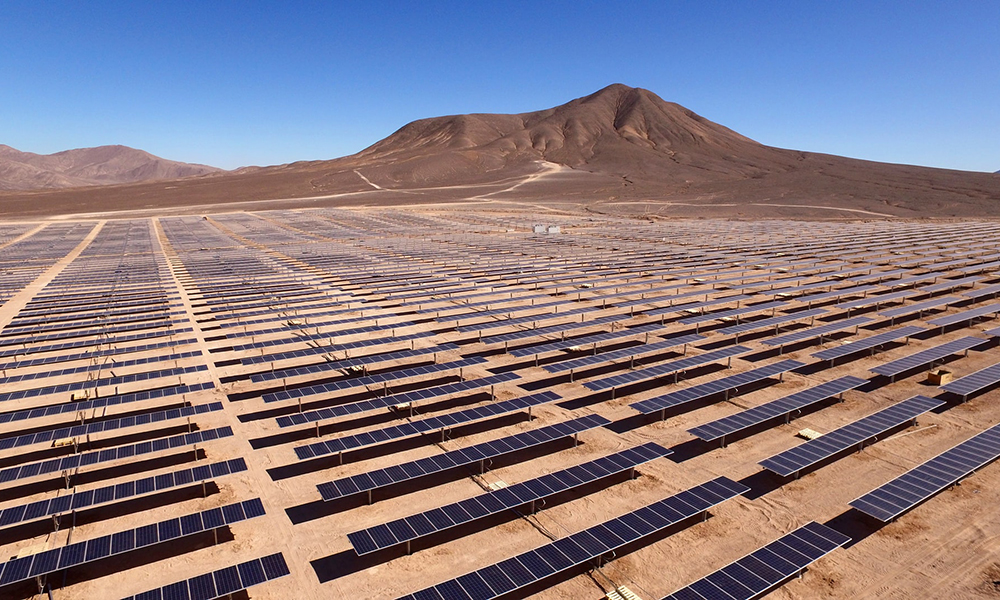
Acwa Power subsidiary Layla Solar Energy Company has inked a power purchase agreement for a solar PV plant that is being developed in Saudi Arabia’s Central Region at a cost of $107mn. The agreement with Saudi Power Procurement Company (SPPC) is valid for 30 years.

In its filing to the Saudi bourse Tadawul, Acwa Power noted the agreement will see the development, construction, and operation of a 91MW project at a major site within Al Aflaj governorate of Riyadh.

Earlier, the Saudi utility company emerged as the preferred bidder for the Layla PV project, which was tendered as part of round three of the National Renewable Energy Program by the Ministry of Energy. It had submitted the lowest bid of SR0.112/ kilowatt-hour.

Acwa Power said it will have a 40.1% stake in the strategic solar project, with the financial impact of the contracted revenues expected once the project began commercial operations in Q1, 2024.

In April 2022, Acwa Power announced a $900mn EPC contract win for a Neom Green Hydrogen Project, and in March 2022, Acwa Power and SPPC signed a deal to develop a 700MW solar project. In the same month, Acwa Power also broke ground on 100MW wind facility in Uzbekistan.

The post Acwa Power inks PPA with SPPC for $107mn solar PV plant appeared first on Middle East Construction News.


Source: ME Construction News


The-Red-Sea-Project-1.jpg

June 10, 2022 foasummit0

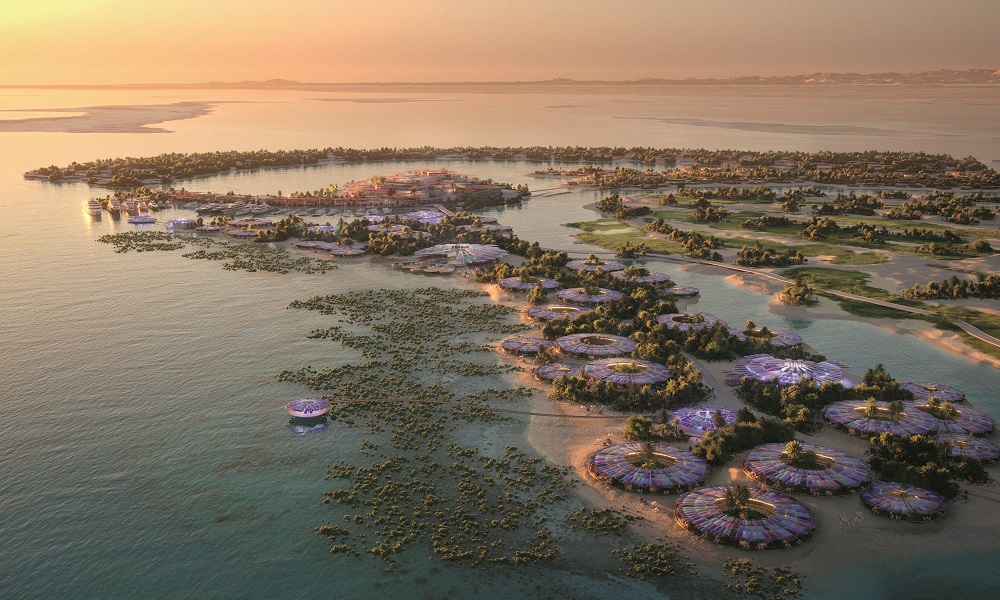
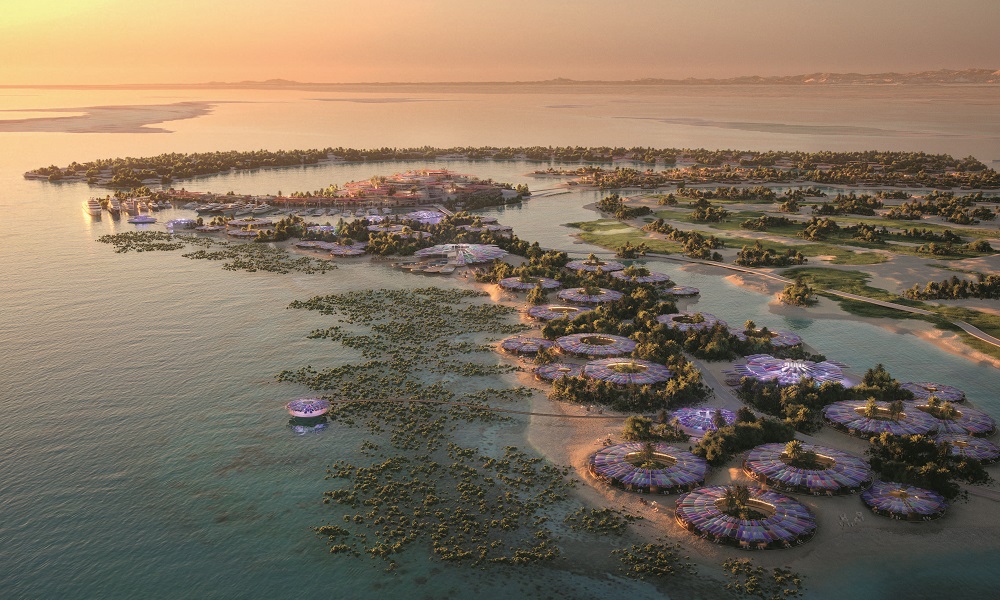
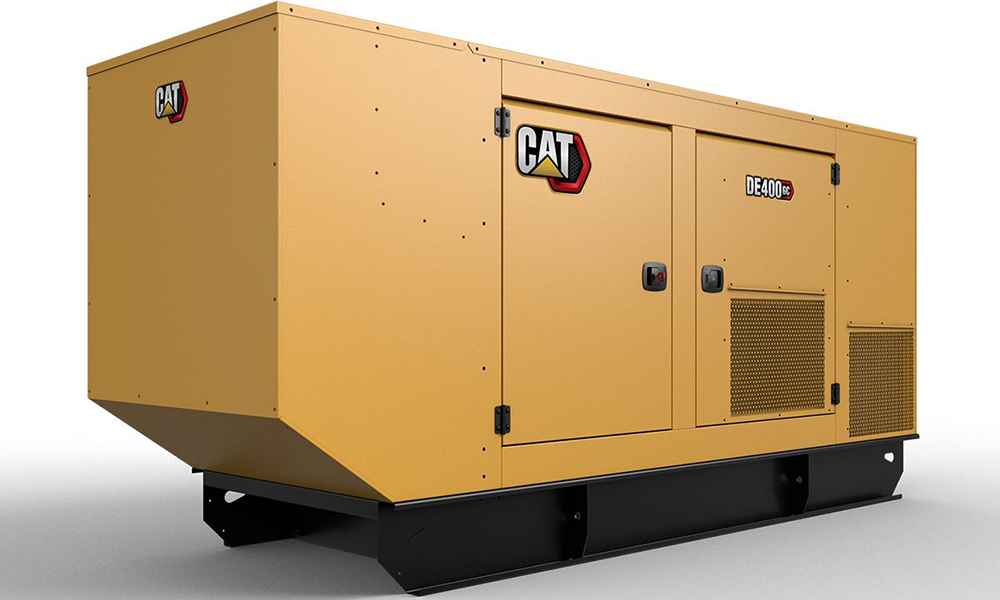
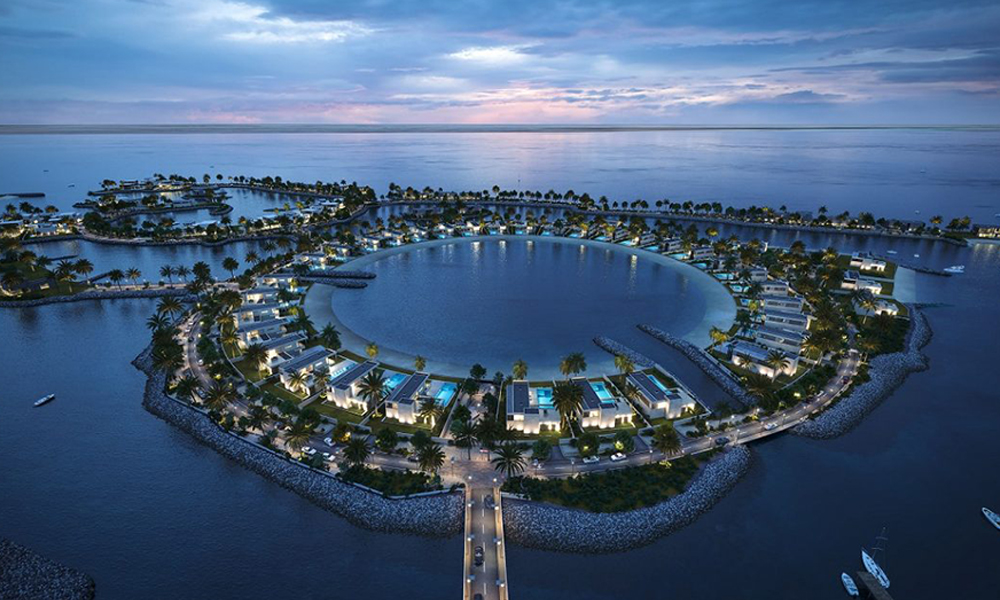
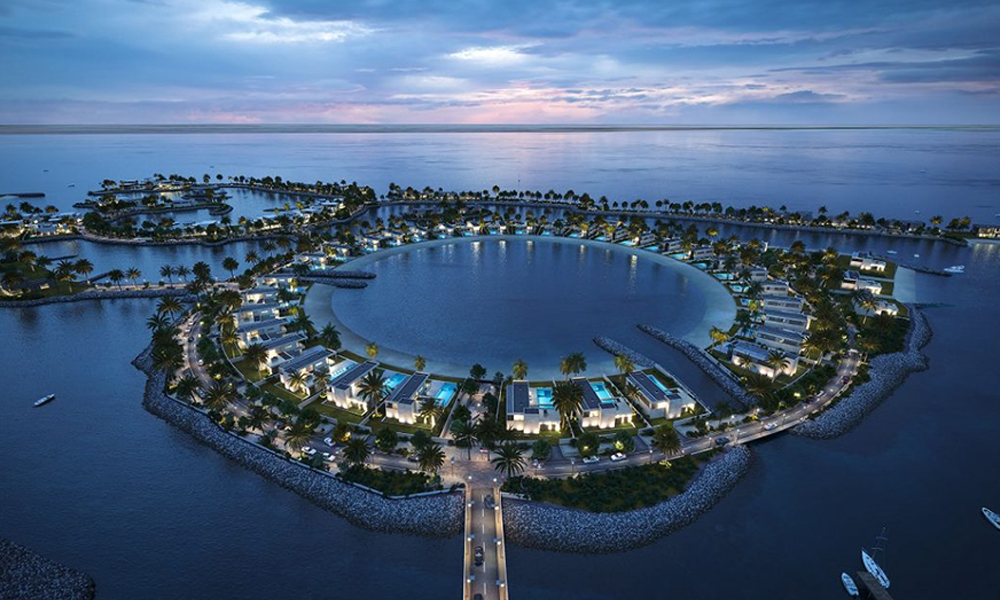
Caterpillar dealer Zahid Tractor is supplying hybrid power solutions for The Red Sea Project, which is being developed along Saudi Arabia’s west coast.

The company said it is providing 69 generator sets, up to 32MW of prime power, that can run on both conventional diesel and B100 biodiesel during the construction phase. Once complete, the 28,000sqkm tourism destination will include a total of 16 hotels, an international airport and other commercial operations scheduled for completion in 2023.

The project is said to leverage Caterpillar’s expertise in supplying and maintaining field-proven power solutions that have enabled operation on various hydrotreated vegetable oil (HVO), biodiesel, and blended fuel products for more than a decade.

Zahid Tractor has already delivered and installed most of the generator sets in weather-resistant, sound-attenuated enclosures that are currently being used to support construction activities and workforce accommodations.

“The Red Sea Project is a global showcase for demonstrating how large-scale economic development projects can incorporate sustainability into their operations to help them achieve their business goals,” said Bart Myers, General Manager for Caterpillar Large Electric Power. He added, “Caterpillar and Zahid Tractor have the advanced technologies and local expertise needed to support every phase of this high-profile project and help attain its business and sustainability targets.”

Zahid Tractor said it is also addressing uptime needs through Customer Value Agreements (CVAs), which include customer technician training, regular maintenance at scheduled intervals, and around-the-clock, on-demand technical support. Additionally, most of the units are equipped with Cat Connect Remote Access Monitoring (RAM), Caterpillar’s advanced data visualisation, reporting and alert offering.

In March 2021, Zahid Tractor said it has integrated Infor ERP systems for machinery and vehicles operations. The firm shared insights into its Digital Transformation journey with Construction Machinery Middle East via a live webinar. In June 2022, WSP & The Red Sea Development Company announced their intent to rollout decarbonised mobility solutions at The Red Sea Project.

The post Zahid Tractor delivers Cat power solutions for The Red Sea Project appeared first on Middle East Construction News.


Source: ME Construction News


Oman-1_1000x600-1.jpg

June 10, 2022 foasummit0

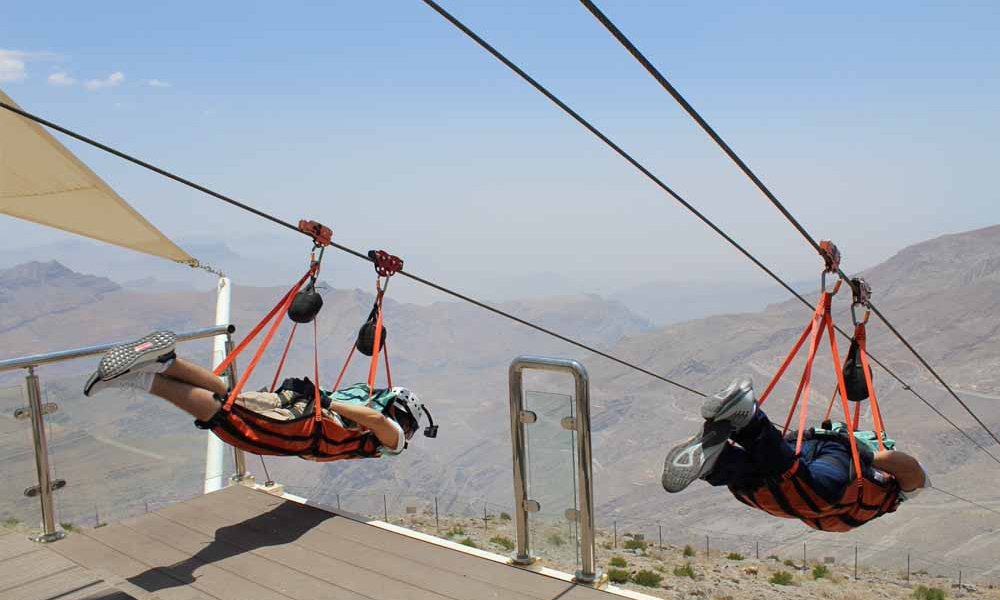
65% of construction works have been completed on Oman’s longest zipline. Work is said to be progressing at a steady pace on the project, which runs from the top of a mountain to the Atana Khasab Hotel in the Musandam region.

“This project is a distinctive addition to the adventure tourism infrastructure for Musandam and hence we are working on the speedy completion of the 1,800m-long zipline project. It is likely to be operational in Q4 of 2022,” said Nofal bin Mohammad Al Kamzari, the Assistant Director, Heritage and Tourism Department in Musandam Governorate in an interview with Muscat Daily. Al Kamzari said work on the road leading to the zipline site has already been completed.

Discussing other tourism projects in the area, he pointed out that the ministry had inspected many sites in the Wilayat of Madha, in order to develop a plan for the establishment of mini-tourist oases.

The ministry also signed usufruct contracts for the establishment of three hotels, two in the wilayat of Bukha and another in the wilayat of Madha to increase the number of hotel rooms in Musandam and attract tourists.

In recent years, Oman has invested in new resorts and facilities to boost tourism. In 2018, work began on the country’s first adventure resort. In April 2022, the country unveiled 18 investment opportunities include six projects in the tourism sector worth $2.52bn. In May 2022, the Al Taher Group said upgrade works on the Oman Avenues Mall is on schedule and was commissioned in response to global retail trends and customer expectations.

The post Oman’s 1,800m long zipline could be operational by Q4, 2022 says official appeared first on Middle East Construction News.


Source: ME Construction News


Demag-automated-material-flow_1000x600-1.jpg

June 10, 2022 foasummit0

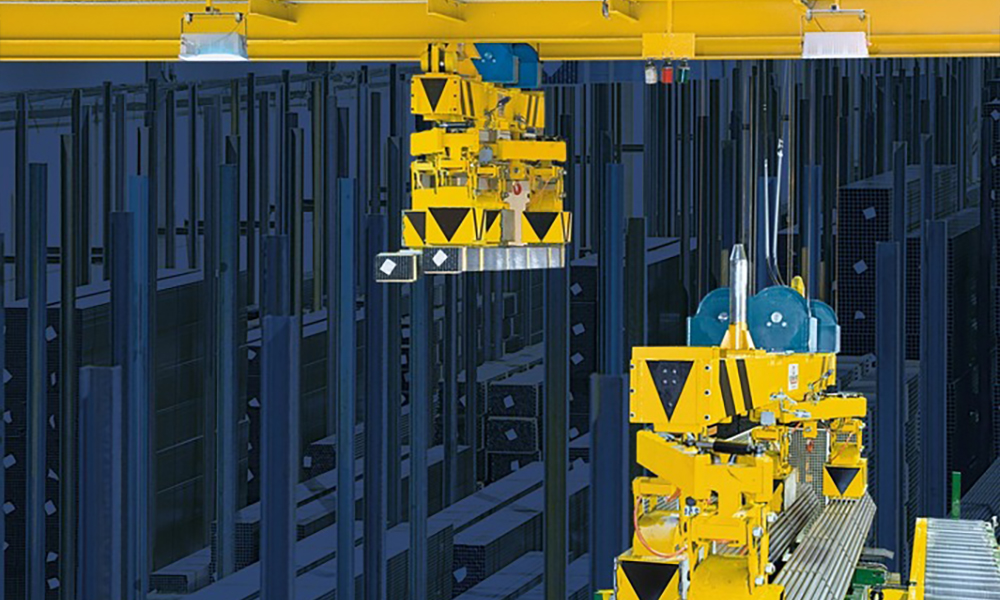
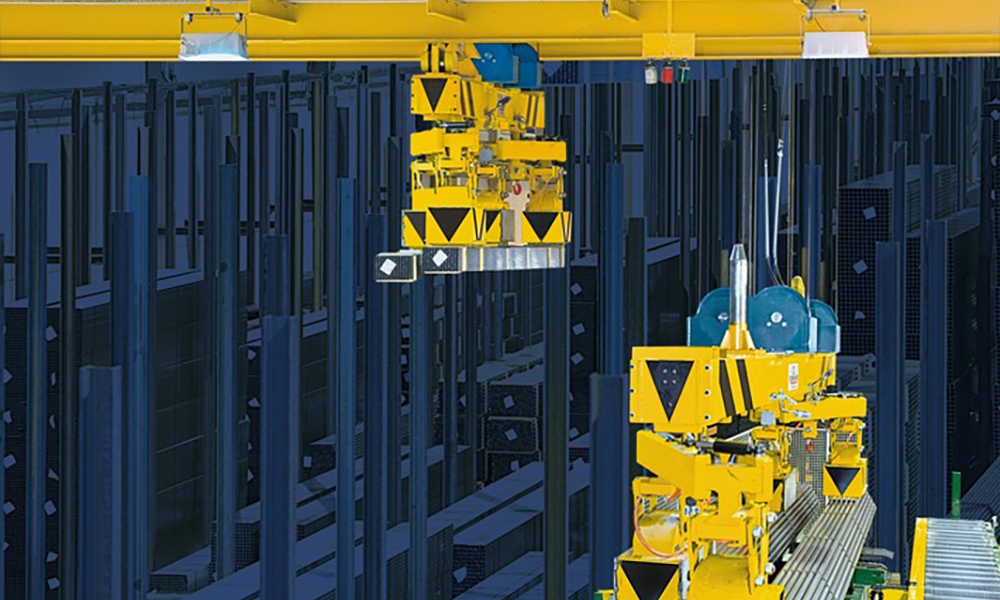
Demag Cranes & Components will provide automation for areas used to process raw materials at a new manufacturing plant in Germany, which is operated by Wilhelm Layher GmbH & Co KG. The manufacturer of scaffolding systems is planning to build a new production line in Güglingen-Cleebronn and awarded a contract to Demag to design and implement the corresponding automated crane and materials handling system, as well as the required safety equipment.

The installation of five automated process cranes will ensure that the tubes will be effectively stored, picked, and supplied on time with a material flow used to manufacture components for scaffolding, all with a very high degree of automation. The planned throughput for the new plant is 120,000 tonnes per year and 25 tonnes per hour.

“We’re glad that we were able to win this very challenging contract. The complexity is the result not just of the turnkey delivery and planning scope, but also of the fact that a lot of unique requirements had to be considered during planning together with our customer Layher,” said Dr Thomas Bönker, Senior Vice President, Process Cranes at Demag.

He added, “Thanks to this partnership, which was already initiated at an early stage, we were able to identify and exploit significant potential for improvements in advance.”

Plant 3 will cover an area of approximately 11ha of which around five will consist of roofed production and storage areas. The production process for the entire location is scheduled to start in 2023.

In May 2022, Expertise placed an order for 79 Demag Cranes while in October 2020, Demag announced the launch of its IC-1 remote crane telematics solution. In November 2020, ACT Crane & Heavy Equipment expanded its fleet with 16 new Demag cranes.

The post Demag to supply automated crane and material handling system at Layher plant appeared first on Middle East Construction News.


Source: ME Construction News


Hydraulic_System_1000x600-1.jpg

June 9, 2022 foasummit0

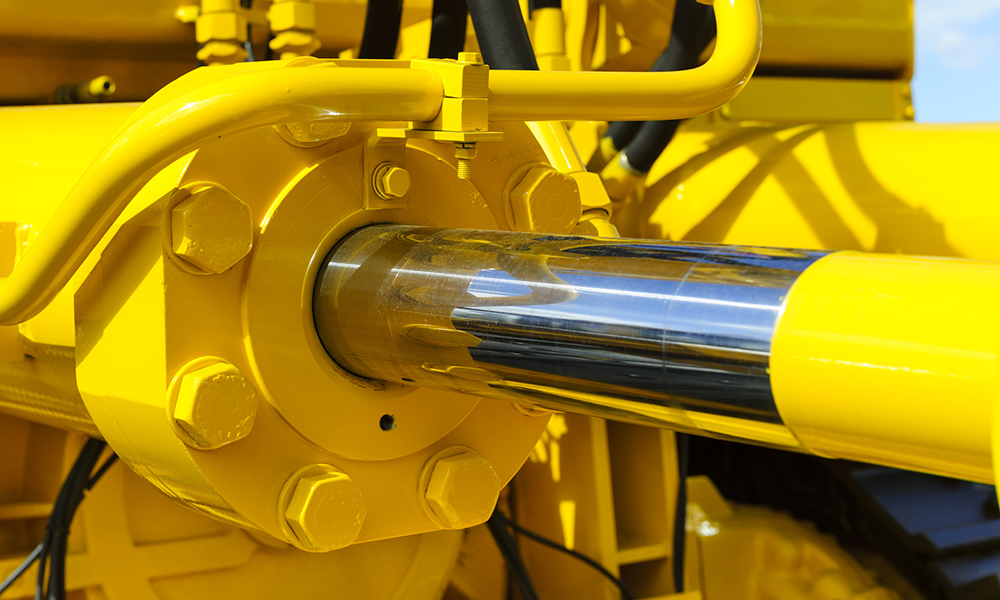
The global mobile hydraulics market rebounded in 2021, hitting $18.7bn in revenues, following a slight contraction the year previous, says a new report from market intelligence company, Interact Analysis.

Between 2019 and 2021, the market grew with a CAGR of 5.2%, mainly due to a boom in the material handling market and increased demand for construction equipment. It is expected that new hydraulic technologies such as digital and electro hydraulics will improve hydraulic efficiency, an important consideration in the wider context of vehicle electrification.

The mobile hydraulics market in Europe, Middle East and Africa (EMEA) and the Americas contracted by -9.7% and -3.2% respectively in 2020. EMEA’s share in the agricultural machinery production market, which has traditionally been a dominant user of hydraulic equipment, has since “eroded” according to the latest findings. Yet, EMEA and the Americas rebounded in 2021, and this is expected to continue into 2022 as order backlogs are met.

“One thing that came as a surprise when conducting this research was that vehicle electrification is not driving the increased demand for hydraulic substitutes at the rate we expected,” said Brianna Jackson, Research Analyst at Interact Analysis.

“Many OEMs are still prioritising cost over efficiency. Even in applications where replacing hydraulics with an electro-mechanical counterpart seems most feasible, uptake has been slow as vehicle OEMs are reluctant to make changes to vehicle architectures.”

The report also revealed that while growth in the Asia-Pacific region (APAC) remains positive, it is likely to decelerate as a result of a slowdown in the construction sector and as the regional market matures. APAC has showed impressive growth throughout the past two decades and accounted for as much as 50% of the market in 2020.

Towards the end of the forecast period, the research shows that growth in the Americas will pick up exponentially because of the major infrastructure overhaul scheduled for 2026.

In September 2021, Volvo developed a new electro-hydraulic system. In the same month, Manitex Valla launched a new zero-emission electric mobile crane. Bauma 2022 will focus on the development of autonomous construction machines,

The post Global mobile hydraulics market rebounds in 2021 – report appeared first on Middle East Construction News.


Source: ME Construction News


Chris-Nicolas-TBH_1000x600-1.jpg

June 9, 2022 foasummit0

TBH is a specialist planning and management consultancy that offers a number of services including planning & scheduling, project controls, claims and dispute resolution, project management, P3M, PMO and program management, risk management, cost management, and strategic advisory services. The firm has been in business for over 55 years and now has clients in the public and private domains in Oceania, Asia, the Middle East, and North Africa. Here, Jason Saundalkar talks to Christopher Nicolas, director at TBH about the firm’s regional business, regional trends and aspirations.

Share a snapshot of your business in 2020 and 2021. Which sectors and markets do you anticipate will be key to your business in 2022, and how do you plan to tackle the year?

2020 and 2021 were very busy and exciting years for TBH. After concluding our very successful and productive 12-year alliance with Faithful + Gould in late 2019, TBH launched its own independent office in Dubai, UAE to service the GCC and the Middle East in early 2020. We have also just recently opened our office in Riyadh, Saudi Arabia to enable us to provide an even greater level of support to existing and future clients in the Kingdom.

Transportation infrastructure will continue to be a key sector for us across the region, particularly rail. Etihad Rail in the UAE will expand to include passenger train services running across the country, and this will hopefully promote the revival of a GCC-wide network.

Large and complex mixed-use programmes of work, particularly giga projects in KSA, will continue to be key to our business in 2022 and beyond. These programmes require expertise across all project lifecycle phases. With experience across all major sectors, we are well placed to support our clients to successfully deliver such large programmes of work.

We hope to tackle 2022 with the same energy and passion as we continue to grow our presence in the region to support our clients in solving their most complex problems.

How did the outbreak of COVID-19 impact your business and how did you mitigate these challenges from an office standpoint, as well as with working on projects?

The outset of COVID-19 was particularly challenging, given that we were establishing our own independent office in early 2020. However, we were able to quickly adapt with the wonderful support of our IT team and shifted to working from home swiftly and seamlessly. The flexibility and proactiveness of our clients across the region to shift to virtual interaction where possible, made the transition much easier.

What are some of the prevailing construction/projects trends you see in the market and how do you think these will develop in 2022?

A very exciting evolution which is of relevance to the delivery of our services, is the growth of artificial intelligence, through data-derived forecasting of likely project durations. This involves the collection of built data of thousands of past projects, to create models that forecast the outcomes of future projects.  Such data is vital in identifying key problems areas that impact projects. It is a remarkable change in the way project durations are established, and will no doubt become the norm in the future.

I very much hope to see modularisation and prefabrication continue to grow and start to become the norm in 2022 and beyond. There are so many repetitive tasks undertaken on project sites that can be addressed with modularisation or prefabrication, yet the industry continues to adopt traditional construction methodologies. Done properly, modularisation and prefabrication helps save time, improves quality, reduce the volume of construction wastage, and provides costs savings.

What are three of the main reasons projects get delayed or go over budget in the region? How can these challenges be addressed particularly when it comes to large and/or complex projects?

There are numerous reasons why projects are delayed or go over budget across the region, but the three prevailing causes we see time and time again are incomplete design, ongoing scope changes, and late decision making including the late provision of information, delayed commercial appointments, and prolonged review and approval periods.
Whilst every project is different, there is significant importance in timely planning and action. This may include detailed reviews of the proposed construction methodology, constructability, and timelines to establish realistic project durations at project initiation, as well recovery and mitigation strategies to assist in getting delayed projects back on track. It is this due diligence that can help set up projects for success.

What steps can project stakeholders take to avoid disputes/disruptions? What role can technology play in reducing project risks?

Employing the following measures can help project stakeholders take to avoid or mitigate disputes and disruptions:

  1. Setting a realistic project timeline from the start – Starting a project under undue time pressure, will inevitably see the project suffer the long-term consequences as a result of poor planning. A realistic timeline for a construction project should be driven by the scope and needs of the project
  2. Regular monitoring and reviews – Ensuring that a close eye is kept on the progress of the construction timeline is vital. From commencement, the project needs to be monitored through regular reporting of progress
  3. Compliance of the parties’ contractual obligations – It is of course important from the beginning to ensure that each party is committed to complying with its contractual obligations in a timely manner, as set out in the contract. The client, engineer, contractor and other project stakeholders can unduly critically delay progress due to a number of factors including the late provision of information, delayed appointments, and prolonged review and approval periods
  4. Timely resolution of disputes – The early adoption of a proactive approach to achieving commercial resolution to contractual matters eases the pressure of protracted disputes amongst the project participants. Instilling a culture of pre-emptive claims avoidance from the outset through contract drafting and the establishment of mechanisms in the contract promotes the timely resolution of major disputes, easing the risk of protracted and costly litigation
Many projects are fast tracked in the region – what are some of the challenges that arise from this and how can these issues be dealt with or avoided?

The challenges are very much the same as those that cause projects to be delayed or go over budget. Fast tracked projects, in most instances, must progress with an incomplete design which invariably causes scope changes, and both contribute to prolonged review and approval periods. However, clients across the region want to see progress, and proceed without adequately addressing these challenges from the outset.

Identifying and understanding key projects risks, their likelihood, and their impact, allows all project stakeholders to address the challenges of fast-tracked projects from project commencement. Again, the key theme is timely planning and action.

Supply chain issues have been plaguing industries since the initial outbreak of COVID-19. What’s your take on this from a construction industry standpoint, and how will this develop in 2022? What can be done to mitigate these challenges apart from sourcing materials locally?

Since the outbreak of COVID-19, the construction industry has faced material cost inflation, supply chain disruptions and increased international freight charges. This has not only impacted the supply of completed construction materials and products, but also raw materials. All have significantly impacted projects that were already in progress, particularly those that had recently started. This has in many instances negatively impacted project budgets and timelines, and we have seen this lead to contractual dispute for many of our clients.

As we move to increased vaccination globally in 2022, it is hoped that there will be an increase in the supply of materials as industries return to normal, a reduction in supply chain disruption, and normalisation of shipping and freight charges. Such changes should hopefully ease the time and cost impact of COVID-19.
A comprehensive analysis of a project timeline and the associated supply chain time and costs risks is vital in again establishing key projects risks, their likelihood, and their impact. Project stakeholders can identify which risks may or may not critically delay the completion of a project in advance, which allows for timely planning and action. This may include a detailed review of the proposed construction methodology and constructability, which is cognisant of supply chain issues, allowing for project stakeholders to modify their approach in order to minimise or avoid such impacts.

Given the scale of some of the recently announced mega projects, what’s your view on available human resources to enable clients to realise their aspirations? Where do you see challenges when it comes to these mega projects?

Resourcing large projects swiftly is always a challenge in any part of the world. However, the region is witnessing a massive transformation. I am firmly of the opinion that these projects will continue to draw the best talent to the region from around the world. The sheer scale of the projects will no doubt attract a new wave of expats, but also provide enormous opportunities to GCC citizens with governments increasingly partnering with the private sector to diversify the economy and create jobs.

The biggest challenge is timing. Having the right team deliver a project is no doubt vital to its success. So many mega projects are being delivered within similar timelines, meaning that they are all vying for the best talent at the same time. This may prompt broader phasing of mega projects to address such challenges.

What is the one issue that the industry should come together around as a whole in a bid to change it for the better?

For me, it is safety. There is so much more that can be done as an industry to ensure project sites are safer. This requires a concerted effort by all project stakeholders, not only the contractor. Notwithstanding, I have seen a vast improvement in healthy and safety on project sites in the region over the past 15 years. Let’s hope that this continues into the future.

The interview originally appeared in the February 2022 issue of Middle East Consultant.

Read more:

The post The intricacies of delivering successful projects appeared first on Middle East Construction News.


Source: ME Construction News


ASGC1_1000x600-1.jpg

June 9, 2022 foasummit0

ASGC Construction has announced the formation of a new business unit, focusing on roads, infrastructure and marine works. The firm said it formed its new roads, infrastructure and marine works division in response to the increasing need for infrastructure projects, driven by the UAE government’s vision to develop world class infrastructure.

The new division will reinforce ASGC’s capabilities as a holistic construction solutions provider for public and private entities with construction, MEP, fit-out, structural steel, façade and concrete services, said a statement from the company.

The company explained that the roads, infrastructure, and marine division will offer clients complete turnkey solutions with design, procurement, construction, and finance facilities. In addition, it adds value for clients by providing sustainable construction practices and value engineering solutions supported by a highly skilled workforce.

Sameh Fam, ASGC Managing Director, commented: “ASGC was always performing infrastructure scope under all our projects’ main contract work packages butut we realised there is a gap in the market. Therefore, we established a new division to provide cost-efficient, high quality and comprehensive infrastructure solutions catering to the ever-growing demand for world-class infrastructure.”

The ASGC roads, infrastructure and marine division is currently executing four large projects: Al Gurm Phase II in Abu Dhabi by Aldar Properties, and three in Dubai, Nad Al Shiba-2 road works by RTA, Marsa Al Arab by Dubai Holding and Murooj Al Furjan by Nakheel.

The Al Gurm Phase II project is particularly interesting due to its location on an island, Fam said. he explained that ASGC has secured the infrastructure works contract for the 71 plots on the project, with infrastructure works commencing in September 2021. Work is expected to be completed by 2023.

The project scope includes complete infrastructure development of the island with earthworks, landscaping works, marine works, roads and street lighting. In addition, ASGC is also executing structural works including bridges, culverts and causeway works along with the laying of utility networks like wastewater, stormwater, potable water, irrigation, electrical (LV & MV) and telecommunications for the entire island.

The ASGC roads, infrastructure and marine division will support Aldar’s sustainability initiatives at Al Gurm and has made significant progress in incorporating a sustainable building methodology, the company added.

The sustainability steps implemented by ASGC include the non-disruption of marine life, sustainable site offices generating clean energy for temporary power, plantation of natural mangroves and the use of recycled materials.

The company was recognised in February 2022 by Big Project Middle East at its annual awards. In terms of some of its recent contract awards, in October 2021, it secured a $272mn contract for Harmony at Tilal Al Ghaf and in January 2022, Nakheel appointed ASGC to build 620 homes at Murooj Al Furjan.

The post ASGC launches new Roads, Infrastructure and Marine Works division appeared first on Middle East Construction News.


Source: ME Construction News


Dubai_1000X600-1.jpg

June 9, 2022 foasummit0

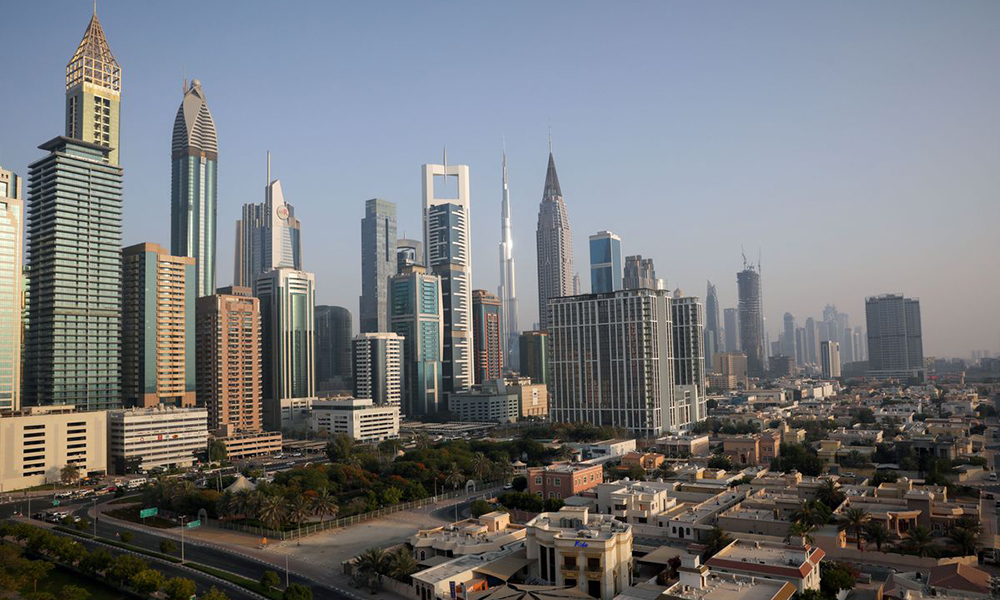
In contrast to past years where demand for Grade A office stock in Dubai was tepid, Commercial Real Estate Consultants (CRC) has seen a significant spike in demand in May 2022. The firm says it has observed a resurgence in demand in recent months due to various factors, such a strong post COVID-19 recovery, rising consumer sentiment and pro-business government initiatives. CRC notes this has resulted in a spike in demand for offices from investors looking for yield, as well as end users.

According to a statement, in May 2022 the Dubai Land Department (DLD) saw a 41% increase in commercial office sales compared to May 2021, with an 87% increase in value of properties sold. The result was attributed to more end users looking to leverage strong business conditions for regional and local growth.

CRC said it tracked a 75% rise in commercial office sales compared to May 2021, and a 228% average increase in revenue. One of the key contributors for this was a $14.67mn commercial office space sold by CRC brokers Aleh Baranouski and Umer Iqbal.

Commenting on the sale, Iqbal remarked, “These were the only three consecutive floors of prime A office space available in the market, and one of the largest office sales in a single transaction, in Business Bay in terms of office size, totaling 43,982.95sqft.”

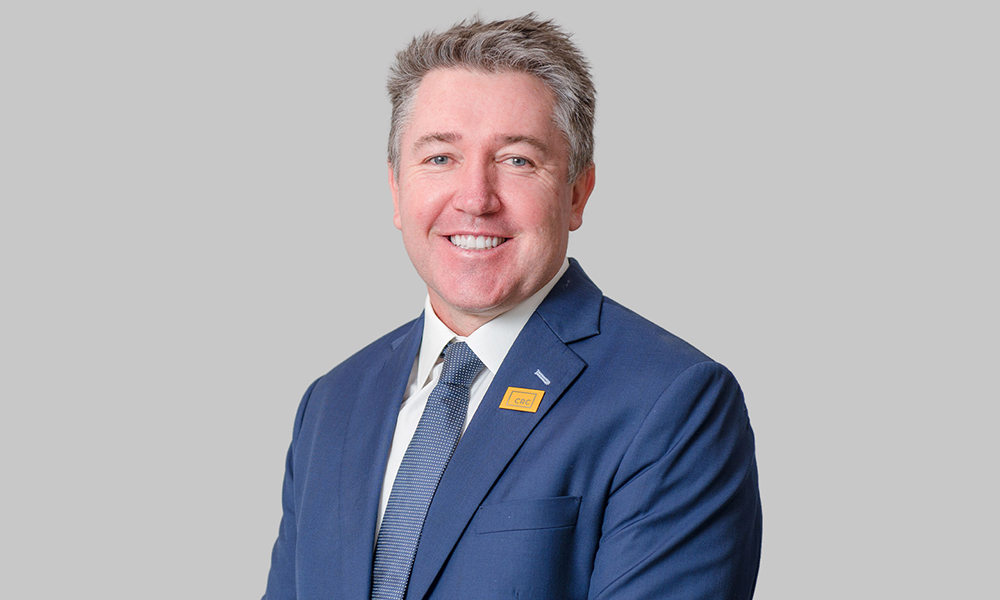
Andrew Elliott, Head of CRC

CRC also noted it has observed a 25% increase in client enquiries and transactions in the first two months of Q2, 2022 compared to Q2, 2021. Business Bay and Jumeirah Lake Towers (JLT) both remain the top areas for commercial purchases, as they are the biggest freehold commercial space in Dubai. These areas are fast becoming a hub for medium to large global companies, as well as SMEs looking to house their regional hubs, followed closely by Barsha Heights, the firm pointed out.

“Less desirable buildings in Tier 2 locations, such as commercial properties that are not near metro stations are also seeing a rise in occupancy rates,” explained Andrew Elliott, Head of CRC.

The statement noted that the rise in oil prices has raised growth prospects for the UAE, and the region as a whole. Elliott concluded, “Should the economy continue to strengthen, I anticipate a steady rise in demand across the whole commercial sector.”

In a bid to boost the attractiveness of its Al Thuraya Tower 1 property, ENBD REIT undertook a $6mn refurbishment of the office tower. Earlier, Allsopp & Allsopp also noted that Dubai residential real estate sales volume and values in May 2022 were the second highest on record. Union Square House also said that 25% of homebuyers in Dubai are keen on living spaces that boost their mental health.

The post Grade A commercial real estate sees surge in May 2022 says CRC appeared first on Middle East Construction News.


Source: ME Construction News

Gaurav-Aidasani-Founder-Managing-Director-Union-Square-House_1000x600-1.jpg

June 9, 2022 foasummit0

Real estate brokerage Union Square House (USH) has stated that a quarter of homebuyers in Dubai are on the hunt for living spaces that provide mental health benefits. Living spaces and amenities that bolster mental health include spa-inspired bathrooms, freestanding bathtubs, meditation corners, indoor plants and fixtures, outdoor spaces, layouts which let in more natural light and fit-for-purpose residential communities, the firm announced.

According to a statement, developers and facilities management firms play a key role through the upkeep of common areas, which represent essential convening venues for the community to celebrate gatherings and engage in fun activities.

According to a recent study about work-life balance conducted by mobile tech company Kisi, Dubai residents are among the most overworked in the world. As a result, stress levels tend to be higher, which makes finding a healing place in a home a necessity, the statement said.

“The last two years have been tough on all of us. Apart from work-related challenges, our living spaces may have a direct impact on our mental health. In the wake of the pandemic, the correlation between a home and stress levels can’t be overlooked,” said Gaurav Aidasani, Founder & Managing Director, Union Square House.

Homebuyers in Dubai are increasingly pursuing thoughtful layouts and wellness-focused designs. Over the past couple of years, a new form of demand for living spaces that aim to enhance positive emotions and reduce depression emerged. Developers are now taking note of this trend to optimise living space for health and mental wellness, the firm outlined.

Aidasani added, “Finding the right home to ease the mental health burden extends beyond the living space itself. Homebuyers need to find the right community first. Many of us envisage owning a home in a friendly, serene community with parks, play areas, gyms and pools. Being part of a lively neighbourhood has moved up the homebuyer’s agenda thanks to a prevailing work-from-home lifestyle calling for greener communities where people can spend their times joyfully. However, singles or couples may prefer living in the bustling city centre. Therefore, it is important to pick a community that suits you based on what a perfect home personally means to you. You must live in a community where you feel a sense of belonging.”

When identifying the right community, homebuyers should also consider ease of access. Some communities in Dubai suffer from traffic congestion. Time spent coming in and going out of a residence can have an impact on mental health. Factoring in proximity of a home to key facilities is also important. Short distances to points of interest such as schools, hospitals, retail outlets, leisure facilities, beauty centres and restaurants can make life easier, hence reducing stress levels, the firm concluded.

In recent years, developers have stepped up their focus on launching developments that boost mental health. In March 2022, Majid Al Futtaim Communities launched Elysian at Tilal Al Ghaf, which the firm said is designed for idyllic living. In April 2022, the Middle East’s first five-star wellness retreat opened and in April, the Green Riyadh project began the afforestation of neighborhoods in the city, as part of a Saudi-wise push towards wellbeing.

The post 25% of homebuyers in Dubai keen on living spaces that boost mental health appeared first on Middle East Construction News.


Source: ME Construction News