Dylan-Hartley_1000X600-1.jpg

May 19, 2022 foasummit0

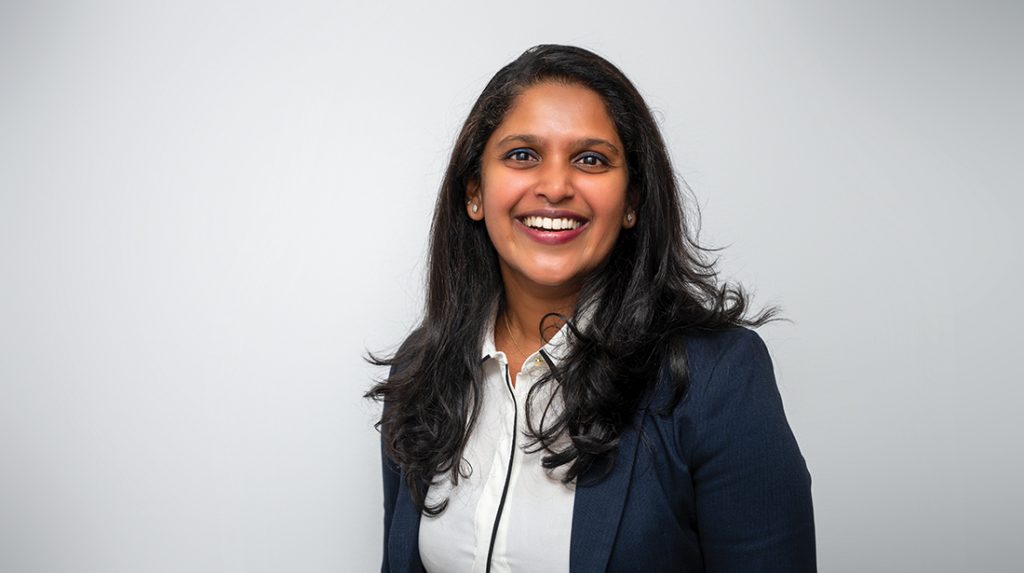
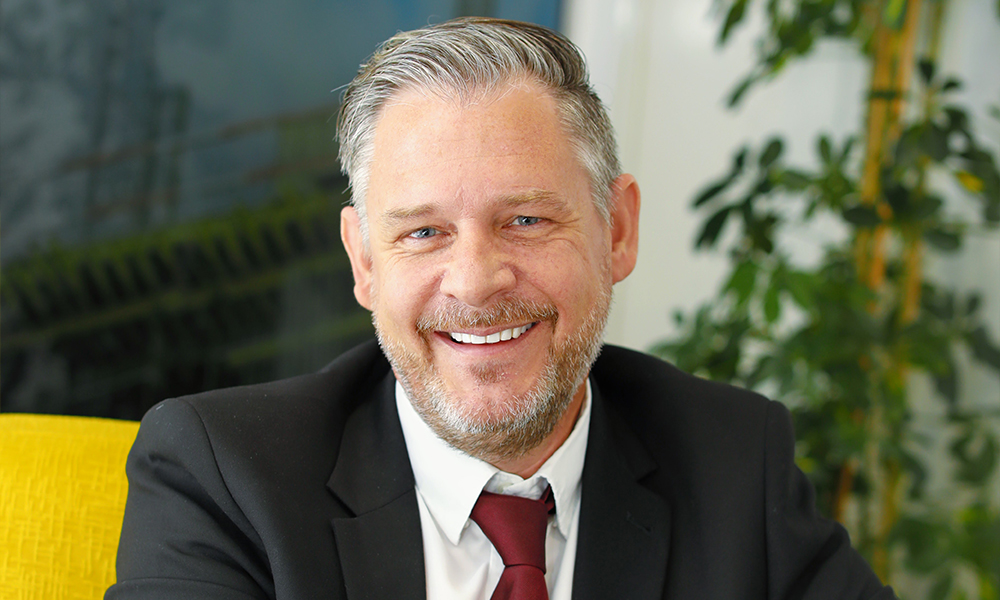
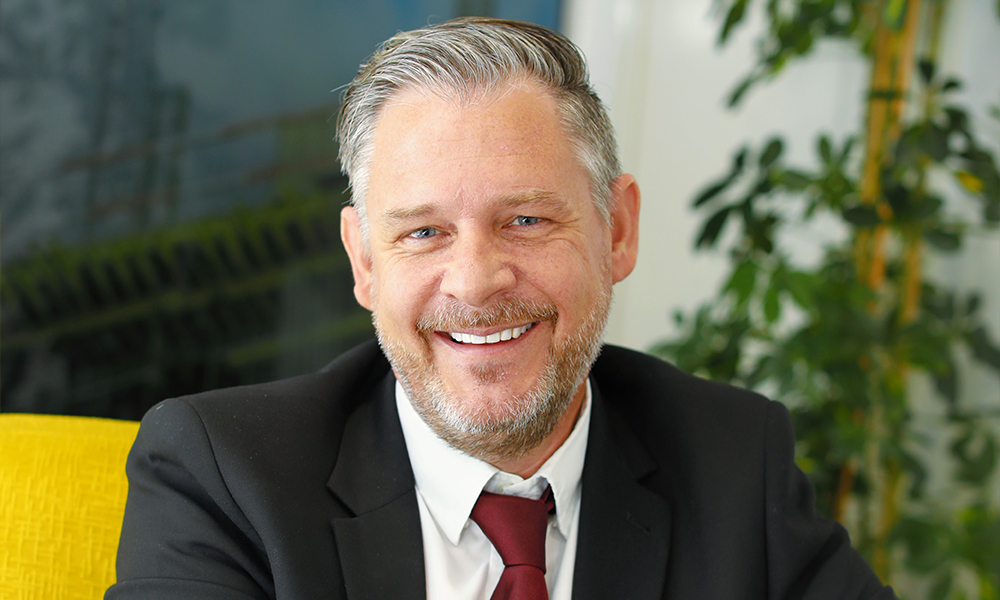
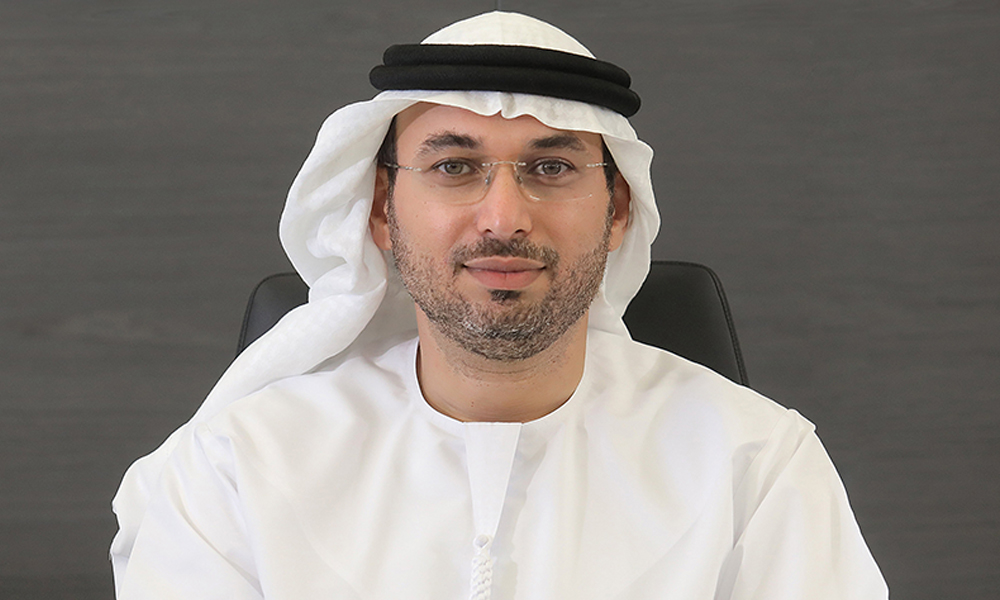
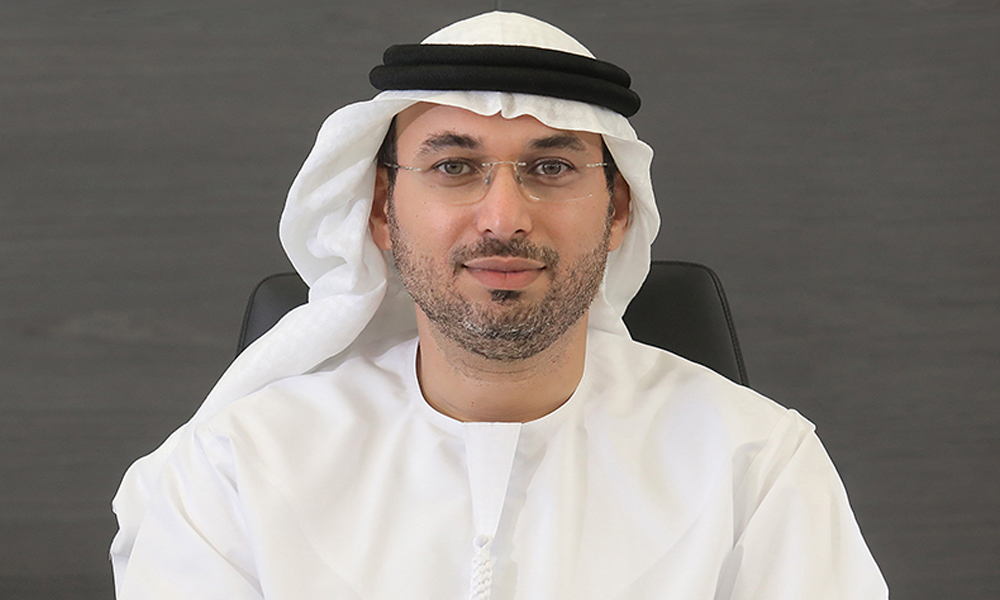
Former England Rugby international Dylan Hartley has joined equipment rental specialists, Access Hire in a senior business development role. England’s most capped hooker of all time joins the company whilst also taking up the role of director of rugby at Dubai Sharks RFC.

The equipment rental company sponsor the Sharks and last season had provided them with use of a dozen solar-paneled floodlights, so they could play in the evening at their Dubai Polo Club home ground. This link between Access Hire and Dubai Sharks has been strengthened further by the unveiling of Hartley in his new role.

The rugby ace last played for England in 2018, picking up 97 caps over a ten-year period. He captained his country to a grand slam in 2016, the first time England had achieved this in thirteen years.

The post Ex-England rugby skipper Hartley joins Access Hire Middle East appeared first on Middle East Construction News.


Source: ME Construction News


WIC-Smitha-Mathew_1000x600-1024x573-2.jpg

May 19, 2022 foasummit0

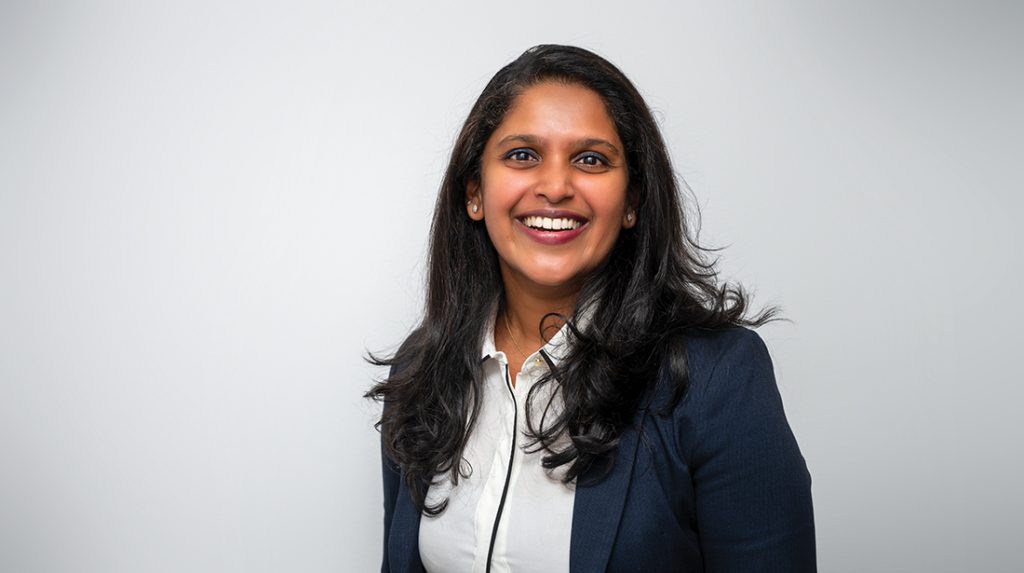
Following our special edition dedicated to women in the construction industry, Middle East Consultant continues to share the inspiration and experiences of women working in the male-dominated industry across the GCC. Here, we catch up with Smitha Mathew, engineer at Cundall.

What drove you to get into construction and your first role in the industry?

My first role was by chance. Just after college, I secured a job in ELV design where I learned about the industry and the various elements that need to be integrated into a design. My very first project involved working onsite for a government client with high, exacting standards and a very tight schedule. This was a steep learning curve for me and I was proud to be rewarded with a letter of appreciation at the end.

Seeing a project come to life gives me a sense of purpose. Every day has been a learning experience that enriches my understanding of the design process, client engagement and project management. Recent advancements and the rapid adoption of technology have led to the development of incredible designs that live in harmony with the architecture and intent of a building. These developments have continually influenced and helped me evolve my own approach to project design.

Share a brief about your career, mentioning key achievements with regards to your role.

I am proud of how my responsibilities and roles have evolved throughout the course of my career. I started as a pre-sales engineer on the contracting side of engineering, before moving on to handling design, client interaction and project management. I’ve had the chance to work on some incredibly complex projects such as airports that involved having to learn many new systems and guidelines very quickly in order for me to deliver. I have also thoroughly enjoyed having the chance to mentor younger engineers: sharing my knowledge, providing meaningful opportunities for growth and helping facilitate their early careers in the construction industry.

Besides fairness and being the right thing to do, diversity in the construction industry is important because of the value women can bring to employers, clients and customers. How have you made your mark in the industry working on projects specifically and what is your proudest moment?

Cundall is being bold in its pursuit of its goal to be the most inclusive consultancy in our industry. This means constantly challenging the status quo and building a culture that embraces all aspects of diversity. In my opinion, a huge part of achieving diversity lies in understanding the different perspectives brought by different genders.

One of my proudest moments came last year when I led the design of a large bank in Oman. The client wanted to create an architectural masterpiece and steer clear of the traditional ‘building block layout’. The building design was a majestic, unique geometric structure conveying the idea of a ‘symbol of infinity’ to anyone who viewed it externally. The smooth, curved arrangement presented many challenges in terms of design and product selection and overcoming these is one of my proudest moments.

What are some of the barriers to women entering the construction industry? What was your personal experience?

One of the key barriers holding women back in the workplace is people’s mindsets. In order for women to be successful, the general mindset must be altered from the offset, and a belief distilled that she can and will perform to the same level as her colleagues. Overcoming this personal barrier is the key to being successful, not just in construction but any other field.

The GCC construction sector is still male dominated, however diversity is beginning to increase. If you agree with the earlier statement, comment on what is driving this and how you see the GCC markets changing in the coming years? If you do not agree with the earlier statement, please share your thoughts/views of the market.

The GCC is still very much male dominated, and gender diversity is not something that happens overnight. In order to bridge this diversity gap we must encourage more women to come forward and apply for these roles. The market is constantly evolving, and the past few years have seen more woman leaders emerge within the industry. Employers across construction must work together, with urgency, to effect change in how we attract and retain great people.

Everyone has a part to play in diversity and equal pay. What would you like to see government authorities and construction firms do to increase diversity and make pay a level playing field?

The UAE government has always been a strong advocate for gender diversity, equality, and parity in pay. However, what governments must also do is implement laws that support this. The ownership to maintain pay parity currently lies heavily with individual companies. While some employers have been creative in carving restructures and designations that support pay equality, there is still a lot more than needs to be done. In an ideal world, more companies would step forward and take on responsibility for ensuring equal pay and opportunities, but in reality it is legislation that is needed. I firmly believe that we can reach a day where no inequality exists in terms of gender, race, ethnicity or nationality.

Besides authorities and construction firms, who else can play a part in increasing diversity and balancing pay scales?

I believe that any market is dictated by the needs of the customer. There should be an increased demand from the customer to ensure that diversity is well documented and established. The selection of partners and suppliers should also not be solely based on price but on social responsibility.

As a woman in the industry, what has your experience been working in the GCC construction sector? If you have worked in markets outside the GCC, how does your experience here compare with what you’ve experienced and observed in other markets?

I am fortunate that my primary experience has been in the GCC market. While I have faced challenges in finding the right employer, I feel lucky to say that I have not faced any gender-based discrimination in any of my roles. I would say that I have been very lucky to work across diverse and complex projects that have challenged me to step outside of my comfort zone and quickly pick up new skills.

In your opinion, what is the biggest challenge women in the construction sector face in GCC countries? How can these challenges be addressed?

While there are many challenges in our industry, I believe that maintaining a work-life balance is one of the biggest that many people, particularly women, face. For many people it can seem impossible to find that sweet spot between work and home. Working in a supportive organisation like Cundall, where my colleagues understand the importance of this balance and are always available to connect makes all the difference.

In doing your job, what sort of discrimination (if any) have you faced and how did you/employer address it?

I have been fortunate to not experience any discrimination in my career. Cundall has been a pioneer in ensuring and committing to gender equality, sustainability, and diversity in ethnicity. Since it is engrained in the work culture, I believe that every activity around staffing and recruiting has been very organic in achieving diversity. The key to bridging the diversity gap is communication within the organisation. We are always encouraged to talk about and discuss issues at work and to bring these to our colleagues’ attention when faced with a problem. Work stress is always there but this is greatly reduced by having clear communication, irrespective of the diverse cultures that we all come from.

Do you feel there’s a limit with regards to how far you can progress within your respective organisation?

I believe that the limits are self-determined by each individual. I make sure that every day I work hard and continue to be inspired. I strongly believe that hard work, dedication and sincerity never goes unnoticed. Cundall provides all employees with opportunities to thrive and reach their potential, regardless of their gender or any other factors. There are no limits within Cundall.

How does the firm you currently work for approach diversity in the workplace? What more can your firm do to increase diversity?

Cundall is dedicated to transforming the future of the industry and has taken many steps to achieving a diverse workforce. Over the past year we have seen a lot of positive change including the adoption of new D&I policies such as the Rooney Rule for all leadership-level recruitment and our first neurodiversity policy. We have also seen the number of women in leadership roles double. Cundall is ensuring that D&I remains central to how things are done, and is a fundamental component of the company’s culture and identity. We have launched many campaigns and initiatives that celebrate diversity and advocate for inclusion, as well as actively participating in industry groups such as the Emirates Green Building Councils Women Network.

How do you personally push for diversity and equal pay in the construction sector? Are you involved in any groups/councils etc. that focus on increasing diversity and equal pay?

Diversity is a continual process that ensures we are constantly changing and creating new dynamics that will strengthen a company in the long run. I believe that we must all educate ourselves and take the time to learn about our colleagues, to gain a greater sense of cultural appreciation and sensitivity. I’m proud to be part of Cundall’s GAIN affinity network which provides support for women and gender minority colleagues across the business.

What advice would you give to a woman entering the GCC construction industry today?

My advice is to work hard and be confident when offered a challenge or a demanding role. Never be afraid to step up and be a driving force behind the change that our industry needs.

This interview originally appeared in the February 2022 issue of Middle East Consultant.

The post WiC: Cundall’s Smitha Mathew appeared first on Middle East Construction News.


Source: ME Construction News


Paul-Wallett-new-MECN_1000x600-1.jpg

May 19, 2022 foasummit0

Throughout the history of modern construction, information irregularity has been behind delayed or over-budget construction projects. The causes of the problem are obvious: all significant building projects involve a complicated network of interdependent teams performing numerous procedures at the same time. Naturally, there will be gaps in the flow of precise and real-time data, resulting in mistakes or errors on the job site, necessitating rework or, in some cases, destruction and reconstruction.

Convenient and fool-proof way to address this information irregularity, that has been missing thus far, is finally changing. An attempt has been made to integrate and ‘connect’ all stakeholders, teams and individuals to a centralised software, by taking full advantage of widespread availability of high-speed mobile internet and affordable smartphones and tablets. This innovative approach to planning and execution of a project is called ‘Connected construction’.

Future of construction is connected

Connected construction is essentially the next step in the digitalisation of the construction industry. This digitalisation is not restricted to individual processes; rather, it connects and integrates them into a unified whole. Consider the following example to gain a better understanding: The structural engineering team makes some changes to the project’s 3D BIM model, and this change is immediately and automatically communicated to the fabricator, who can now update the machine to reflect the new requirements, or to the onsite supervisor’s mobile device, which now has access to the necessary adjustments for work onsite.

It is therefore safe to state that the ‘connected construction’ approach tends to eliminate the all-too-common silos in the construction industry, as it integrates and unifies people and processes involved in a project across all stages by utilising the most cutting-edge hardware, software, and services. In the end, it contributes to the creation of a single, absolute source of accurate and real-time information for everyone, allowing for data transparency and sharing. It also eliminates data duplication and rework, reduces the risk of miscommunication, and improves overall construction workflow efficiency.

Breaking the silos

The ability of a diverse group of project teams – architects, structural or civil engineers, contractors, fabricators, interior designers, and HVAC professionals – to collaborate and complete a project on time and on budget is critical for real estate or infrastructure developers. In fact, most of these teams operate in silos, completely unconnected from one another until a handover is required or an issue arises on site. In other words, any two teams participating have little to no coordination.

Data sharing between field and office when done manually, not only results in poor communication but also creates blocks that impede project efficiency and productivity. Industry experts have noted that the absence of standardised tools for data sharing is a major cause of miscommunication and rework in construction projects.

Another major issue for both project owners and teams is data visibility, in which one team does not have access to the data of another. Worse, nearly no one has complete project status information. Because many teams may require the same set of data, this circumstance frequently results in data duplication.

Also, having erroneous or obsolete data with one team – say, the contractor or fabricator – when the structural engineering team has already made changes to it can stymie project progress. These issues can be effectively addressed by using the right methodology of connected construction, which offers better data visibility and accuracy for all project stakeholders.

Embracing Connected Construction

Every transformation initiative must start with clear objectives that tie to larger company goals. This will ensure that the initiative receives the attention, support, and focus needed. The outcomes of Connected Construction become even more valuable when they align with larger strategic initiatives and economics within the company.

Connected Construction initiative needs more than a budget for technology; it needs top-down support and endorsement. Collaboration must become integral to company’s culture, focus, and execution. To ensure the transition momentum is maintained, it must be anchored in milestones and measured with clearly defined metrics. This way, you can track and communicate results, celebrate successes, and keep everyone focused for the long haul.

Data is invaluable in a Connected Construction ecosystem. Inventorying the data the company currently collects, quantifying its value and exploring new ways it can help the company make better and faster decisions is a prerequisite.

The construction industry has dealt with the same problems for decades now. Point solutions can make incremental improvements, but to make massive strides we need to address the disconnects between people, processes, and technology that exist today.

Connected Construction closes the gaps and creates transparency by providing an ecosystem for all stakeholders involved in the project lifecycle to access and share data, and work collaboratively toward a common end result.

From designers, architects, and engineers to general contractors, subcontractors, and building materials suppliers, when every stakeholder knows what decisions are being made, who is making them, and why, the results of those decisions are more positive, predictable, and profitable. Those advantages are difficult to overlook for the Middle East construction companies in the future and they must embrace the innovation called connected construction.

The post Why industry stakeholders should embrace connected construction appeared first on Middle East Construction News.


Source: ME Construction News


Hydroponics1_1267972453_1000x600-1.jpg

May 19, 2022 foasummit0

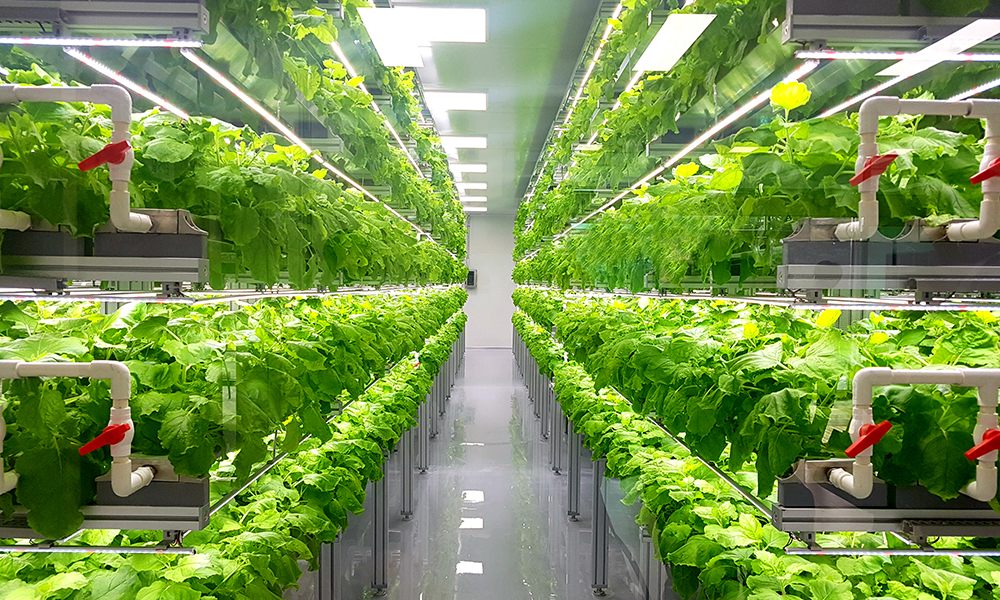
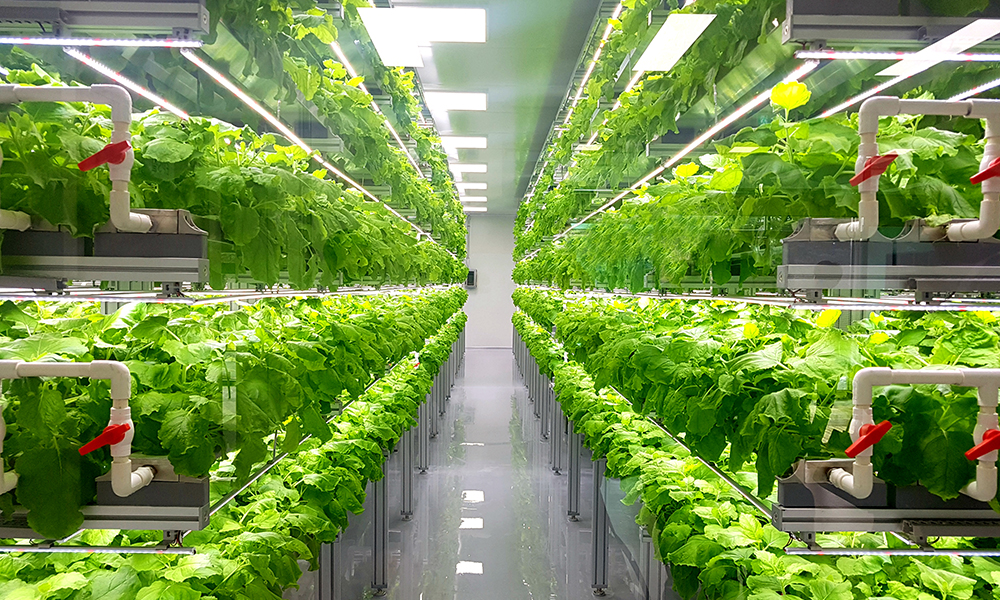
Two Musataha agreements have been signed by the Abu Dhabi Agriculture and Food Safety Authority (ADAFSA) with two local private sector companies to build and operate two farms with a total value of $84.3mn. One farm will take shape in Al Ain, while the other will be based in Abu Dhabi.

According to a statement, the first Musataha contract was signed with Emirates Hydroponics Farms to build and operate a hydroponic farm for the production of vegetables, fruits, and mushrooms for canning in a controlled environment at a total investment of $71mn. The farm located in the Abu Dhabi region will come up on an area of 325,000sqm.

ADAFSA said the second Musataha contract was signed with the Emirates International Agricultural Advanced Company for the establishment and operation of a farm for the production of vegetables and fruits in the system of net houses, in addition to the growing of azola and jojoba plants and fish farming (Aquaponic). The Al Ain farm will come up on a 750,000sqm area at cost of about $13.6mn.

The production of the farms supports the food security system in the UAE, and strengthens the ADAFSA’s efforts to develop and modernise the agriculture sector in Abu Dhabi and achieve its sustainability, the statement noted.

The two projects are part of the Abu Dhabi Agriculture and Food Safety Authority’s efforts to expand agricultural projects and investments and expand cooperation with private sector companies to ensure sustainable agricultural and food development in Abu Dhabi, the statement added.

Authorities in the UAE have taken several steps in recent years to boost the amount of locally grown produce. Last year Dubai launched its Food Tech Valley business park to develop vertical farming and other advanced agriculture technology to bolster the UAE’s food security. In 2020, Abu Dhabi announced plans to develop what was billed as the world’s largest indoor farm.

The post ADAFSA awards $84.3mn contract to develop two farms in the UAE appeared first on Middle East Construction News.


Source: ME Construction News


HR15E_and_HR17E_2_1000x600-1.jpg

May 19, 2022 foasummit0

Niftylift have launched two new low-weight, all-electric booms, the HeightRider 15E (HR15E) and HeightRider 17E (HR17E). The new HR15E and HR17E will lift two people and their tools to working heights of 15.7m and 17.2m respectively, and will have a working outreach of 9.4m says the UK-based manufacturer of mobile elevated work platforms.

The firm noted that with both machines weighing less than five tonnes, they combine weight and space-saving design with an excellent turning circle to deliver increased maneuverability on-site and reduced transportation costs for rental companies. Their 180° rotating cage and fly-boom coupled with fully proportional multi-function controls helps deliver precision when positioning the cage, making tasks quicker and easier to perform.

Batteries for the all-electric booms are expected to last four times as long as standard battery-powered machines due to a super-efficient battery power system with an all-electric drive, the firm said.

“They can do considerably more work on a single charge while at the same time reducing running costs,” the company said in a statement. “All this, and the inclusion of non-marking tyres as standard, make the HR15E and HR17E supremely versatile. They’re equally happy working inside or out but are particularly effective in locations where emissions or noise need to be limited.”

The new machines will incorporate Niftylift’s ToughCage and SiOPS® protection, eliminating sustained involuntary operation by instantly stopping machine movement if the operator is pushed onto the control console, the statement concluded.

The post Niftylift introduces all-electric booms appeared first on Middle East Construction News.


Source: ME Construction News


green-53-1.jpg

May 19, 2022 foasummit0

The World Green Building Council (WorldGBC) and its network of over 70 Green Building Councils has launched a Circularity Accelerator as part of its build up to COP 27. The initiative is billed as a global programme to accelerate the adoption of a circular economy and resource efficiency principles in the building and construction sector.

The Circularity Accelerator aims to catalyse the adoption of circular economy and resource efficiency in the building and construction sector, said a note from the organisation.

According to a statement, to tackle the climate and resource impact of the built environment and to support the ambitions of the UN’s Sustainable Development Goals and the Paris Agreement, WorldGBC’s Circularity Accelerator convenes the organisation’s network of councils and their 36,000 members to work towards circularity and resource efficiency goals:

• 2030 goal: The sustainable management and efficient use of natural resources within the built environment, achieving zero waste to landfill targets and working towards a built environment with net zero whole life resource depletion

• 2050 goal: A built environment with net zero whole life resource depletion, working towards the restoration of resources and natural systems within a thriving circular economy

As per the WorldGBC, last week the United Nations (UN) reported there is a 50% chance of exceeding 1.5-degrees Celsius of global heating in the next five years. Between the UN Climate Summit of COP21 in Paris and COP26 in Glasgow, the global economy consumed 70% more raw materials than the Earth can safely replenish.

The WorldGBC noted that the planet thrives through circular, natural and regenerative systems, which are being damaged by the impacts of the built environment:

• The built environment is responsible for 37% of global energy-related carbon emissions, and the construction sector accounts for around 40% of global resource demand every year. By 2050, two thirds of the global population will live in cities, consuming 75% of the world’s natural resources, producing 50% of global waste and over 60% of greenhouse gas (GHG) emissions

• Over one-third of the materials used worldwide are for buildings but less than 9% of global materials consumed are circular, i.e. kept in productive cycles of use

• The impact of this resource use-associated GHG emissions and pollution and plunging biodiversity accelerates climate change and the decline of life-sustaining ecosystem services such as the maintenance of clean water and productive soils

“The UN has reported we have a 50% chance of exceeding 1.5-degrees Celsius of global heating in the next five years. Over one-third of the materials used globally are for buildings but less than 9% of global materials consumed are kept in productive cycles of use. The impact of this resource use — associated GHG emissions and pollution and plunging biodiversity — accelerates climate change and the decline of life-sustaining ecosystem services such as the maintenance of clean water and productive soils. These impacts unequally affect the most vulnerable communities and economies around the world. But that can and must change,” said Cristina Gamboa, Chief Executive Officer of WorldGBC.

She added, “To scale the implementation of resource efficiency solutions as we approach COP27, our new Circularity Accelerator programme is already bringing together experts and leaders from across our Green Building Council network to drive the implementation of resource efficiency actions to scale sustainable built environments for everyone, everywhere.”

Working with leading businesses and policymakers including the three Circularity Accelerator’s Global Partners — Brightworks, Foster + Partners and Ramboll — this programme will serve as a platform for raising and aligning ambition across the building and construction industry, and create heightened demand for resource efficiency solutions to be implemented before the end of the decade, the WorldGBC noted.

Middle East Consultant recently interviewed four regional experts on the GCC countries’ respective journeys towards Net Zero. Read about what experts from AECOM, AESG, Climatize Engineering Consultants and Gensler had to say.

Read more about the Circularity Accelerator on WorldGBC’s website.

The post WorldGBC launches Circularity Accelerator to tackle climate and resource impact of built environment appeared first on Middle East Construction News.


Source: ME Construction News


IHC-2bn_1000X600-1.jpg

May 18, 2022 foasummit0

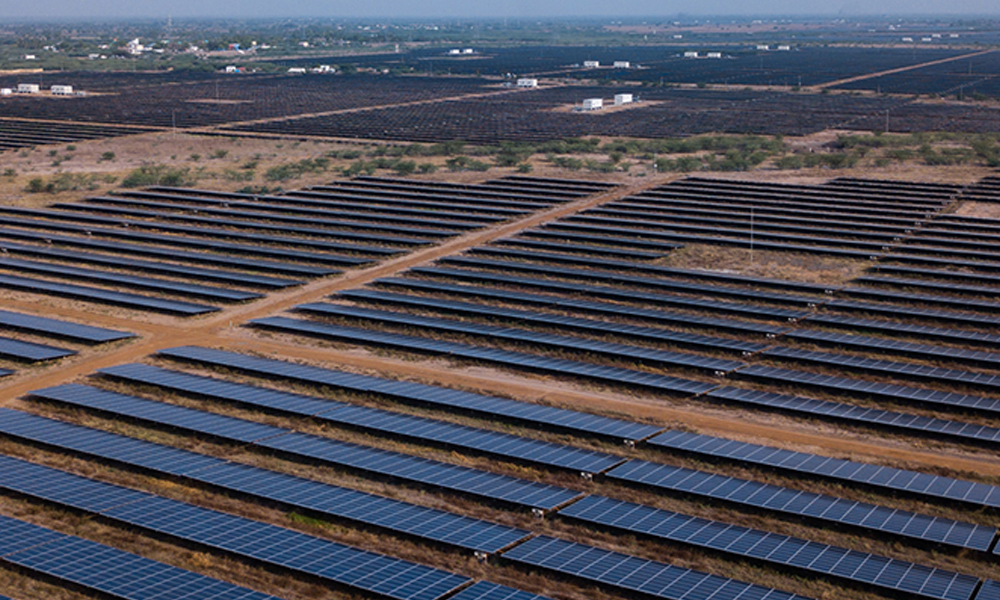
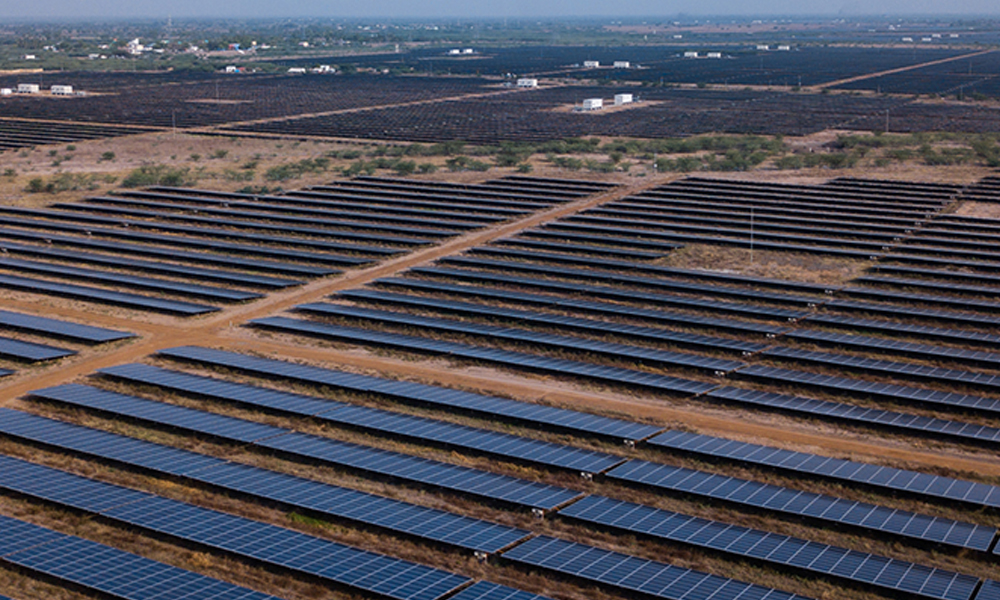
International Holding Company (IHC) has announced the completion of a $2bn investment transaction in the Adani Portfolio companies – Adani Green Energy Limited (AGEL), Adani Transmission Limited (ATL), and Adani Enterprises Limited (AEL). As part of the agreement, IHC provided capital to AGEL, ATL and AEL, which are all listed on the Bombay Stock Exchange (BSE) and National Stock Exchange (NSE) in India – through the preferential allotment route.

On the deal, CEO and Managing Director Syed Basar Shueb said this strategic expansion aligns with IHC’s commitment to broadening and diversifying its investment portfolio.

“There is no doubt that this transaction will directly and positively impact India’s overarching ambition for long-term plans for clean energy. The deal represents 4.87% of the total trade between the UAE and India, which has reached $41 billion between 2020 and 2021; the partnership between IHC and Adani Group greatly reflects the economic ties between the UAE and India beyond the oil sector,” he explained.

The transaction was facilitated via First Abu Dhabi Bank and Standard Chartered Bank; in coordination, UAE corporate law firm Norton Rose, and Indian firm AZB Partners, provided legal advisory and actuarial support, respectively, and WTS Dhruva acted as the tax advisor.

AEL, through its wholly owned subsidiary Adani New Industries Limited, has undertaken to invest $50bn over the next nine years to form a new green hydrogen vertical focused on decarbonisation of industrial energy and mobility. Meanwhile, AGEL is set to develop and operate a renewable energy generation capacity of 25GW by 2025 and 45GW by 2030.

Adani Electricity Mumbai Limited, the distribution arm of ATL has legally covenanted targets to boost the renewable energy penetration from 3% in FY 2021 to 60% by FY 2027. The Indian business conglomerate pointed out that IHC’s investment will help support ATL in this transformational journey.

AGEL Executive Director Sagar Adani said: “We are delighted to complete this landmark transaction with IHC. We value its pioneering role as a strategic investor in sustainable energy, healthcare, food, infrastructure and energy transition in the UAE. This transaction marks the further strengthening of the India-UAE relationship and highlights the long history of business and trust between our people. We share IHC’s strategic vision for India, Middle East and Africa as we embark on this inter-generational relationship.”

India’s total electricity generating capacity is more than 390GW, and renewables exceed 100GW. Last year at the United Nations Climate Change Conference, the Indian government announced that by 2030 India’s non-fossil fuel capacity would be 500GW.

IHC’s investment will support and accelerate Adani Group’s growth plan to supply the country with 45GW (9% of India’s non-fossil energy) by 2030, concluded Shueb.

The post IHC invests $2bn into Adani Portfolio companies for clean energy appeared first on Middle East Construction News.


Source: ME Construction News


Bainona-Cover-Interview_1000x600-1.jpg

May 18, 2022 foasummit0

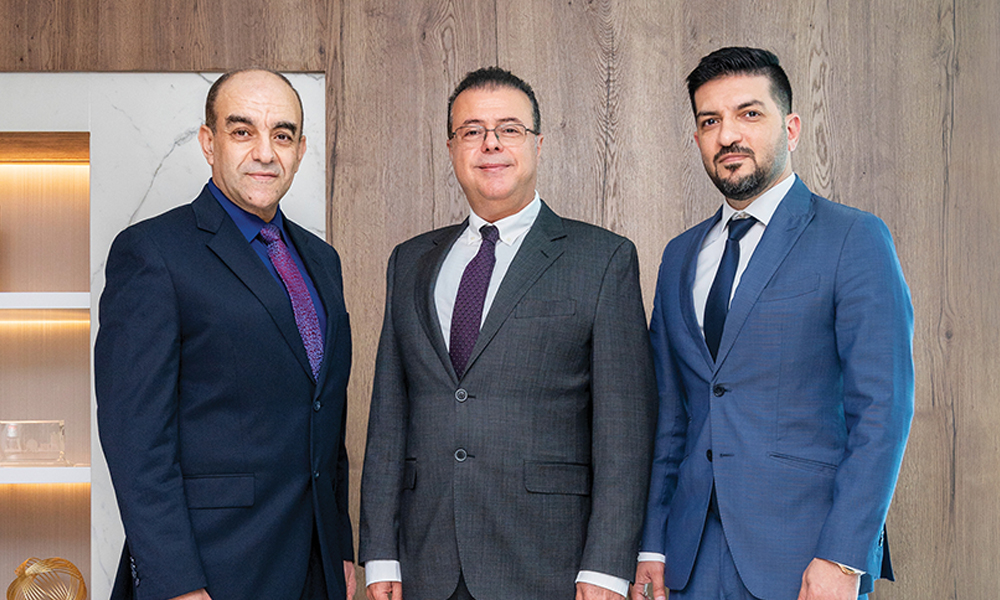
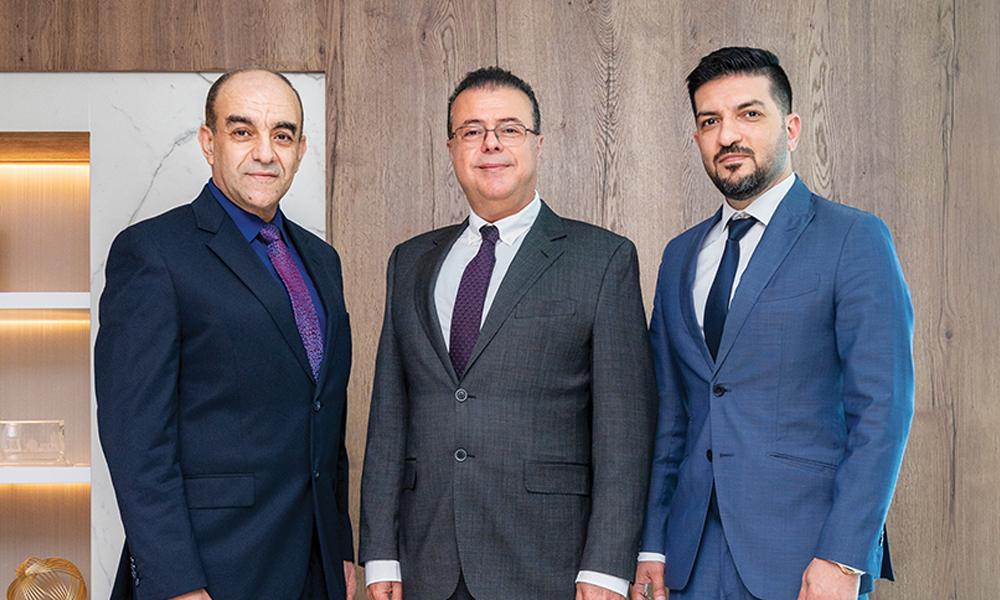
To understand a business well-known for its government liaisons and signature public and private sector projects, Paul Godfrey spoke to Bainona Engineering Consultancy (BEC)’s top management team, comprising CEO and managing director, Eng. Raed Ahmed Al Fakhouri; technical director, Dr. Eng. Khaled Mahmoud Ahmed; design director, Eng. Qusai Ghassan Awad; and contracts manager, Ahmed Al Fakhouri.

First things first. How would you describe the company’s role in terms of helping develop the future vision of the UAE, given that Bainona is responsible for such a rich cluster of government and public sector developments? Qusai Ghassan Awad replies that, “The way we see ourselves aligning here is that we are constantly seeking out particular developments that, in our mind, serve a key purpose for the future of this country. So, for example, in Abu Dhabi’s declared vision, there is a clear focus on three verticals in particular, namely: logistics, agriculture and manufacturing – and the government gives each of these a special emphasis. From our point of view, it makes sense to look at project openings in these sectors, where we know there will be strong activity.”

“To cite a prime example, for logistics, we have been working particularly with KIZAD, the integrated trade, logistical and industrial hub, where some of the most progressive logistics pioneers are located. Meanwhile, in the area of agriculture, we have worked with Madar Farms, one of the leading Dubai agricultural companies and the world’s first commercial-scale, vertical, indoor tomato farm that uses only LED lights for all its crop growth. We want to be very much at the cutting-edge of that kind of AgriTech,” he explains.

“Plus, I should also say that not only do we work on these projects, but we then play a role in pro-actively promoting them in any way we can. So, if we see similar briefs or competitive tenders out in the market, we make sure to mention that ‘this can be done, because we’ve already delivered something very similar’ – in other words, we always aim to motivate other like-minded businesses.”

Technical director, Dr. Eng. Khaled Mahmoud Ahmed adds, “We’re very used to working with these advanced projects, which are often fully bespoke and one-of-a-kind. Take for example, the Al Ain Space Research Centre, which as everyone knows, plays the role of an incubator of research, innovation, and development in space sciences. It raises the bar very high in terms of both concept and delivery. I’m delighted to say we did the concept approval within three months! Through-out, we worked very closely with the commissioning authorities, who fully supported us because it was the first time they had liaised with anyone on a project of this kind.”

He continues, “Needless to say, this style of work means precisely following all the relevant international building codes, which are critical in terms of securing an effective delivery. Here, we were really put to the test, because after we completed the project, the client decided to bring in a third party to check if we had delivered what we promised. They called in no less a name than Airbus, famous for being a global business that sets many of the standards by which aviation and space technology are benchmarked. However, Airbus were astonished that we were on-time and could deliver with this high quality!”

Innovation as a Market-Maker

Is it the case that, given the credentials of working on these highly progressive projects, BEC sees itself as an innovator? Is this one of the factors that have enabled the company to align so well with a variety of government departments over the years?

Dr. Eng. Khaled Mahmoud Ahmed responds, “Yes, it is, and our commitment to new ways of working and to exploring new approaches has been instrumental in our opening up completely new markets. For example, we saw a long time ago that in Abu Dhabi, there was very much an established way of doing things when it came to creating new developments: you simply demolished the old buildings and built new ones. But we saw this was very wasteful and couldn’t go on. So we decided to focus on how to repurpose buildings. Today, we have become one of the region’s leading specialists in doing this. To re-plan and blueprint, we use the full range of new reality capture technology – external and internal scanning, BIM, and so on. We create a 3D model and can redesign the building in a way that will be more cost-effective, saves power and contributes to far better sustainability. This has enabled us to work with new clients who often don’t know how to work with the assets they have.”

“Plus, this also opened a door to the government – reviewing existing buildings such as schools, mosques, municipal buildings, etc. – and as a result, we are the No.1 consultant doing this kind of job.”

Changing Standards and International Benchmarks

Qusai Ghassan Awad argues that, at the same time, there has been a big change in the guidelines and the best practice standards that businesses are required to work to. “For example, at first, Abu Dhabi decided to follow international guidelines, but then created their own regional codes. The idea is that Abu Dhabi then sets the international best practice standards: no longer following trends, but leading the way.”

He says, “It’s also because we never compromise towards supporting these ideals that we work effectively with government. We constantly keep in mind two factors: quality and timing. With the first – quality – we go to great lengths to manage everything we do directly and keep all the main tasks in-house. We never outsource the key parts of our business (MEP, surveyors, QS’s, interior designers, etc.) so we can manage every step in-house. The government, for example, will always looks for someone who takes full responsibility for what they do, so this is a major competitive advantage for us.”

“I should also add”, says Dr. Eng. Khaled Mahmoud Ahmed, “That because we have high quality and high standards – and we finish on time – we don’t face claims from the client. We bring expert supervision teams to all our projects and avoid the potential damage of last-minute claims which can seriously hold up any project’s completion. This kind of factor is noted by the government. In fact, overall, there is a strong sense of mutual respect in the way we work with government.”

Life since the Pandemic?

It’s very much an ongoing debate within the design, contractor and engineering communities whether or not the pandemic has actually impacted the style and function of what clients are asking for: has it actually resulted in space being plotted any differently when a project is first blue-printed?

CEO and managing director, Eng. Raed Ahmed Al Fakhouri explains, “There is still no clear regulation to change the design element. Rather, the approach now is to create temporary buildings to cover the short-term needs. The authorities haven’t given us any fresh direction to change the design of airports, mosques, and so on. However, there are some changes that we ourselves have pushed through, which reflect new, intelligent styles of behaviour: one example that I like to give is that when we design elevators, and think about the elevator lobby, there are no longer any push button controls. We’re designing for a new world where these things can’t be taken for granted any more.”

When it comes to other key trends, is there a trending regional style here in the UAE? Contracts manager, Ahmed Al Fakhouri believes, “This is a country for all people, so there isn’t so much of an emphasis on regional design styles or values. However, there are some projects where they will keep a traditional style and combine it with a ‘modern touch’. Broadly speaking, it used to be the case that everyone followed American or European designs. But now, it’s seen that the UAE leads the world, so there is more of an international focus on what ‘we’ are doing. For example, we’re setting the pace when it comes to renewable energy and how to ensure the durability of components that have to endure a very harsh climate.”

Bainona’s Next Chapter

“The next chapter for the company is the greater use of technology,” says Dr. Khaled. “New technologies and new software which can save tons of time (a classic example is that you can save two or three days’ drawing time on even a small project, if not weeks). Technology also drives data – it’s the ‘sleeping giant’ for any business, because it shows you what you are doing well, and where there are still improvements that can be made.”

“I also want to mention that our aspirations to grow, improve and set very high standards were rewarded recently when we won the Middle East Consultant Award for Structural Engineering Company of the Year. We competed with a cluster of global businesses, and we were the only local business to be considered for this award. I feel that one of the reasons we won is that, in our nomination, we presented a varied spectrum of work – from high-rise buildings, medical facilities, marine developments, industrial constructions to agriculture – and even the big-name firms don’t work across such a broad area. The various client references also demonstrated the extent of our work and this was all recognised by the judges. We are immensely proud of this award because I believe it not only heralds what we have done and where we are headed, but to a large extent, indicates how the sector is changing rapidly.”

This interview originally appeared in the April 2022 issue of Middle East Consultant.

The post Local Becomes World-Class appeared first on Middle East Construction News.


Source: ME Construction News


Tadano-Expertise-2022_1000x600-1.jpg

May 18, 2022 foasummit0

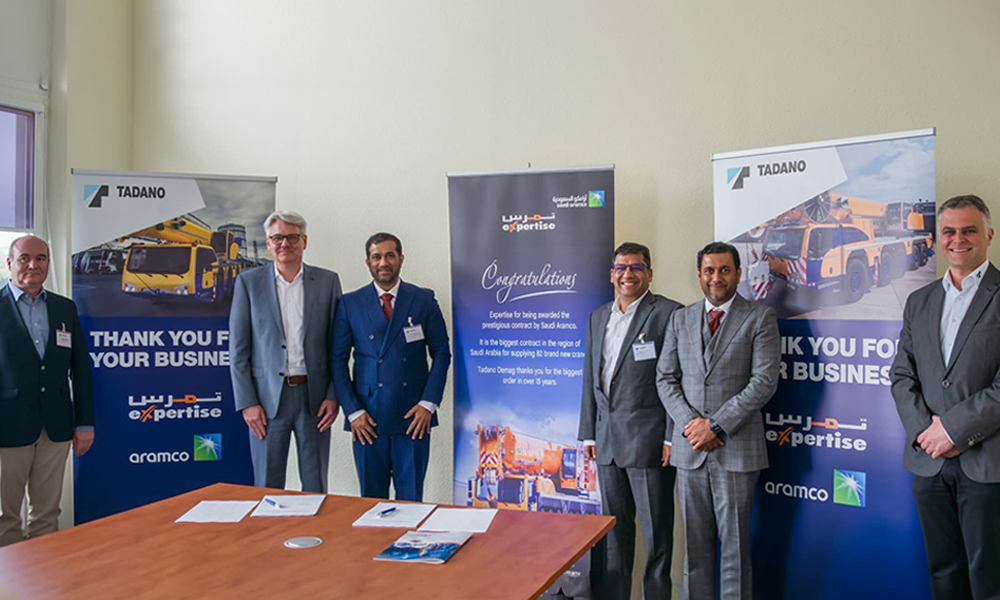
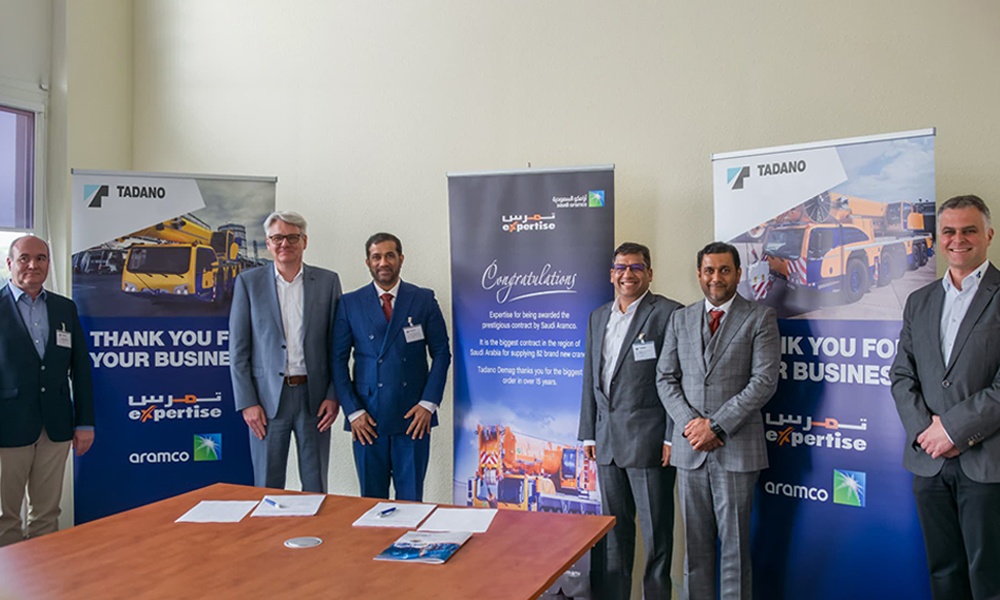
Saudi Arabia-based industrial service provider Expertise Contracting Company (Expertise) has placed an order for 79 Demag cranes, representing not only the biggest order in 15 years for Demag but also the largest ever from a customer in Saudi Arabia, said the company.

Among the new additions are 50 Demag AC 55-3, 17 AC 130-5, 11 AC 250-5 and one AC 500-8. Expertise says it serves over 1,500 customers from the petrochemical industry, oil and gas production industry, energy industry, and other industrial sectors all over the Middle East. The large number of all-terrain cranes were required as the result of a winning bid for a project for the world’s largest oil production company, Saudi Aramco.

In addition to its headquarters in Jubail Industrial City, Expertise runs an additional 13 branches in Saudi Arabia and has a fleet of nearly 4,000 vehicles and machines, In terms of crane services, the company possesses a fleet of all-terrain cranes, rough-terrain cranes, crawler cranes, truck-mounted cranes, and city cranes with lifting capacities ranging from eight to 1,200 tonnes.

The contract was signed in Zweibrücken, Germany, in the presence of Expertise president and CEO Mohammed Ashif, Expertise industrial services director Mahammad Ashpak, Tadano Demag GmbH CEO Jens Ennen, Tadano Demag vice president of production Jan Wieser, Tadano Middle East senior sales manager Deepak Jain and Tadano Middle East service technician Benjamin Bernhardt.

Upon signing the contract, Mohammed Ashif, executive president and CEO, Expertise Contracting Company, said: “Demag cranes have a sterling reputation throughout the Arab world, and our experience reflects that, so it went without saying that they’d be our cranes of choice for this project as well.”

The post Expertise places major order for 79 Demag Cranes appeared first on Middle East Construction News.


Source: ME Construction News

His-Excellency-Eng.-Shadi-Malak-CEO-of-Etihad-Rail_1000x600-1.jpg

May 18, 2022 foasummit0

Etihad Rail has announced that progress has been made in several areas as it works towards the establishment of a cheaper, faster, more reliable, and sustainable mode of passenger travel in the country.

Speaking at Middle East Rail 2022, Shadi Malak, CEO of Etihad Rail, said that the country’s rail network now stands at 75% complete, 28 months after construction work began.

“Having access to rail in every emirate is just the beginning of many new chapters where Etihad Rail is already working on various new products, rail services and integrated opportunities. We are in a privileged position that we can change the face of logistics and mobility in this country, helping to connect industries, businesses and people, supporting tourism, whilst establishing rail as a cornerstone of the UAE’s overarching government initiatives.”

Malak pointed out that the identification of this whitespace opportunity and the wider benefits it brings is a testament to the leadership of the UAE. He added that Etihad Rail aims to utilise a customer-centric approach, so as to benefit all potential end-users.

“By introducing a cheaper, faster, more reliable, and sustainable service, rail will change public perception, on how we move our goods and ourselves. This provides rail the platform to place itself as the frontrunner, logistic and mobility solution in the UAE,” he stated.

“Etihad Rail will enable businesses to thrive and make different logistical decisions that uplift efficiencies and provides cheaper alternatives, for their business model. Our carefully planned solution for passenger travel provides an opportunity, where you can live in one emirate and work in another, without the pressures of driving long distances, paying for fuel, or leaving your family home in another emirate,” he concluded.

The post Etihad Rail says work on rail network 75% complete appeared first on Middle East Construction News.


Source: ME Construction News